Our verdict
祥鱗 sits in Okayama's Kita Ward, placing it inside the city's quietly serious dining corridor where seasonal Japanese cooking meets Setouchi's ingredient traditions. The restaurant operates in a neighbourhood known more to locals than to passing tourism, which shapes both its pace and its clientele. For those tracking Okayama's dining scene beyond the obvious names, it warrants close attention.

Pearl is the En Primeur Club membership app — saves, bookings, and concierge access live there. Same editors, same standards.
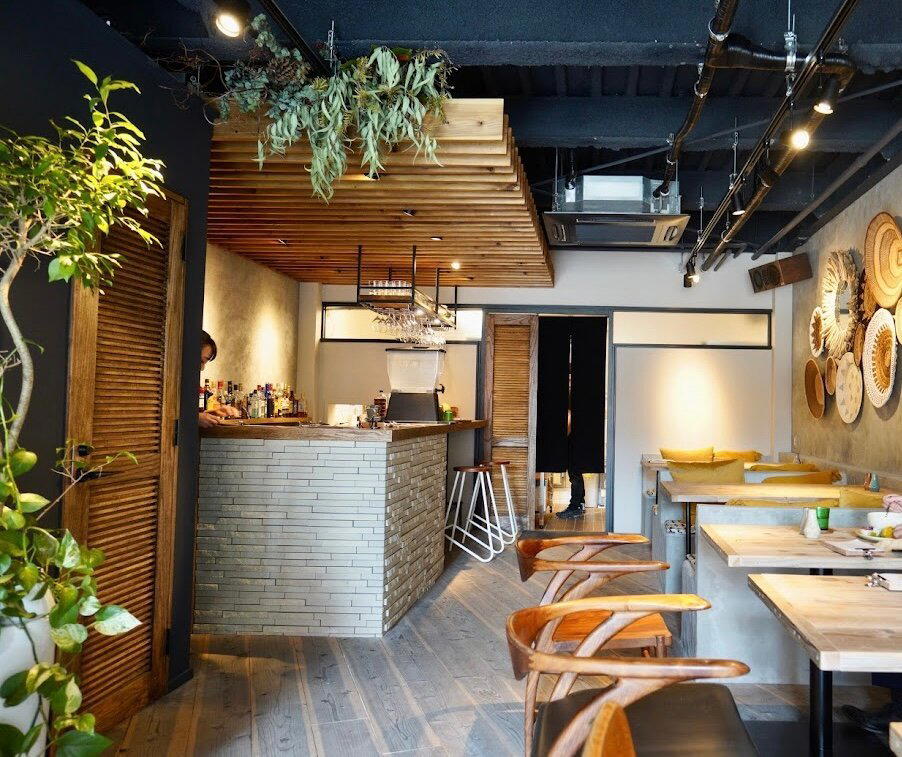
Okayama's Quiet Dining Seriousness
Okayama doesn't generate the same dining noise as Osaka or Kyoto, but that relative quietness has allowed a particular kind of restaurant to survive here: one that draws primarily on local loyalty, Setouchi ingredient networks, and a regional cooking tradition that doesn't need metropolitan validation to hold its ground. The Kita Ward pocket around Tenjincho has gathered several of these establishments, and 祥鱗 sits among them at the Granfoire Tenjin address, in a setting that signals intention without spectacle.
The broader context matters here. Okayama Prefecture sits at the intersection of two distinct ingredient geographies. To the south, the Seto Inland Sea delivers some of Japan's most prized white-fleshed fish, sea bream, and shellfish. To the north, the agricultural plains around the city produce the fruits and vegetables that have made Okayama a byword for produce quality, including the Pione grapes and white peaches that appear in high-end seasonal menus across western Japan. Any serious kitchen working in this city has access to a supply network that restaurants in larger cities often have to source from a distance.
The Setouchi Tradition at the Table
Japanese cuisine's regional character is often underestimated by visitors who assume Tokyo or Kyoto sets the standard that everyone else follows. In practice, the Kansai and Chugoku regions have maintained their own distinct cooking lineages, and the Setouchi coastal tradition is among the most coherent of these. Fish handling here follows the ikejime technique, which has been standard practice for generations before it became a talking point in Western professional kitchens. The result is a textural clarity in white-fleshed fish that well-executed preparation preserves across the meal.
Within Okayama's dining scene, a handful of restaurants has been tracking this tradition with particular discipline. 祥鱗 occupies a position in Tenjincho that places it alongside other addresses in the Kita Ward worth knowing: Hasunomi and Waraku represent different interpretations of the city's dining character, while 空浪 and 魚正山本淳 extend the range of what Okayama's neighbourhood dining offers. 松寿司 rounds out the picture of how the city's more traditional formats continue to operate.
Where 祥鱗 Sits in the Wider Japanese Scene
For visitors already familiar with the higher-profile addresses of Japan's main cities, the regional tier that 祥鱗 represents offers a different kind of engagement. The format and price pressure that shapes counters in Ginza or Nishiki doesn't apply in the same way here. Harutaka in Tokyo and Gion Sasaki in Kyoto operate in environments where the competitive density of peer establishments drives a particular kind of performance. HAJIME in Osaka occupies a different tier again, shaped by Osaka's appetite for technical ambition at a specific price point.
This is neither a weakness nor a provincial compromise: it produces a different kind of dining experience, one shaped by the rhythms of local supply and a clientele that returns regularly rather than treating visits as landmark occasions. Akordu in Nara occupies a comparable regional position, as does Goh in Fukuoka, both operating outside the main metropolitan circuits while maintaining serious culinary intent.
The comparison extends nationally. affetto akita in Akita, Aji Arai in Oita, and Akakichi in Imabari each illustrate how Japan's regional dining tier has developed its own coherence, separate from the award circuits that concentrate attention on Tokyo and Kyoto. Abon in Ashiya and Ajidocoro in Yubari District push further into Japan's quieter dining geographies, reinforcing the point that the country's culinary seriousness is not uniformly centralised. For international context, the regional versus metropolitan tension is not unique to Japan: Le Bernardin in New York City and Lazy Bear in San Francisco both demonstrate how culinary authority can be claimed through distinct positioning rather than simple proximity to other starred addresses.
Planning a Visit
祥鱗 is located at the Granfoire Tenjin building in Tenjincho, Kita Ward, Okayama. Tenjincho sits within walking distance of central Okayama, and the Kita Ward more broadly is accessible from Okayama Station, which is served by the Sanyo Shinkansen and makes the city a practical day-trip or short-stay destination from Osaka, Hiroshima, or Kobe. The address at Granfoire Tenjin places it in a neighbourhood that functions at a local rather than tourist pace, which affects both the booking dynamics and the atmosphere at the table. For a broader orientation to what Okayama's dining scene offers across styles and price points, our full Okayama restaurants guide maps the city's current range.
Frequently asked questions
Where is 祥雲 in Okayama?
祥雲 is located at Japan, 〒700-0814 Okayama, Kita Ward, Tenjincho, 5−9 グランヴェール天神, Okayama.
What's the best thing to order at 祥鱗?
What the restaurant's Tenjincho address in Okayama does signal is a kitchen grounded in Setouchi regional produce — an area defined by the Inland Sea's seafood and Okayama's agricultural output. Ask staff at the time of your visit what is running that day; seasonality tends to drive menus at this tier of Okayama dining.
How hard is it to get a table at 祥雲?
Reservations are recommended for 祥雲 in Okayama. Confirm current policy via the venue's official channels.
What's the signature at 祥雲?
祥雲 is best approached by focusing on the core concept and signature offerings.
Do they accommodate allergies at 祥雲?
Dietary accommodations can vary. Flag restrictions in advance via the venue's official channels.
Price and Recognition
| Venue | Cuisine | Price | Awards |
|---|---|---|---|
| 祥é²This venue (the venue you are viewing) | Traditional Japanese Crab Specialty | $50–100 | Not listed |
| Hasunomi | Modern Chinese | $100–150 | Tabelog Bronze #101 |
| ç©æµª | Traditional Japanese Kaiseki | Not listed | Not listed |
| 鮨 ç¸ | Traditional Okayama Kibi Dango | Not listed | Not listed |
| éæ£å±±æ¬æ·³ | Seasonal Kaiseki | $200–300 | Not listed |
| Waraku | Traditional Japanese Cuisine | Not listed | Not listed |
Continue exploring
More in Okayama
Restaurants in Okayama
All restaurants in Okayama →
Bars in Okayama
Browse all →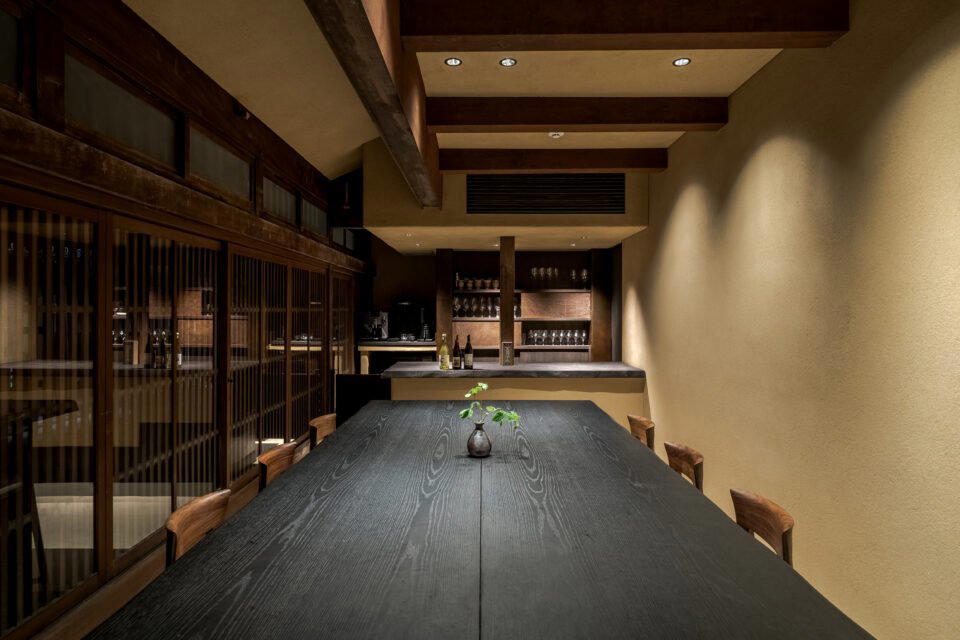

Details
- Elegant
- Classic
- Intimate
- Special Occasion
- Date Night
- A La Carte
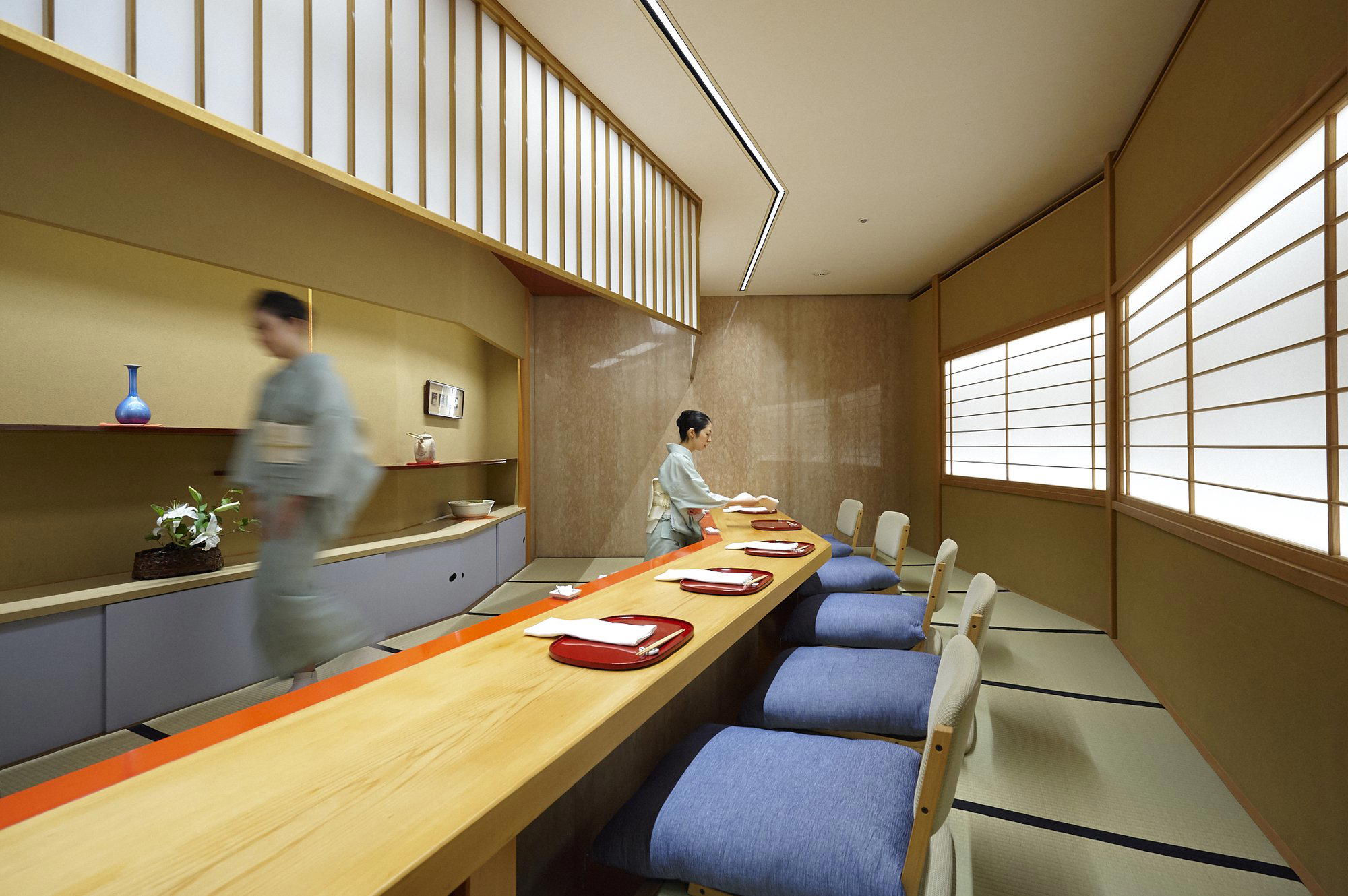
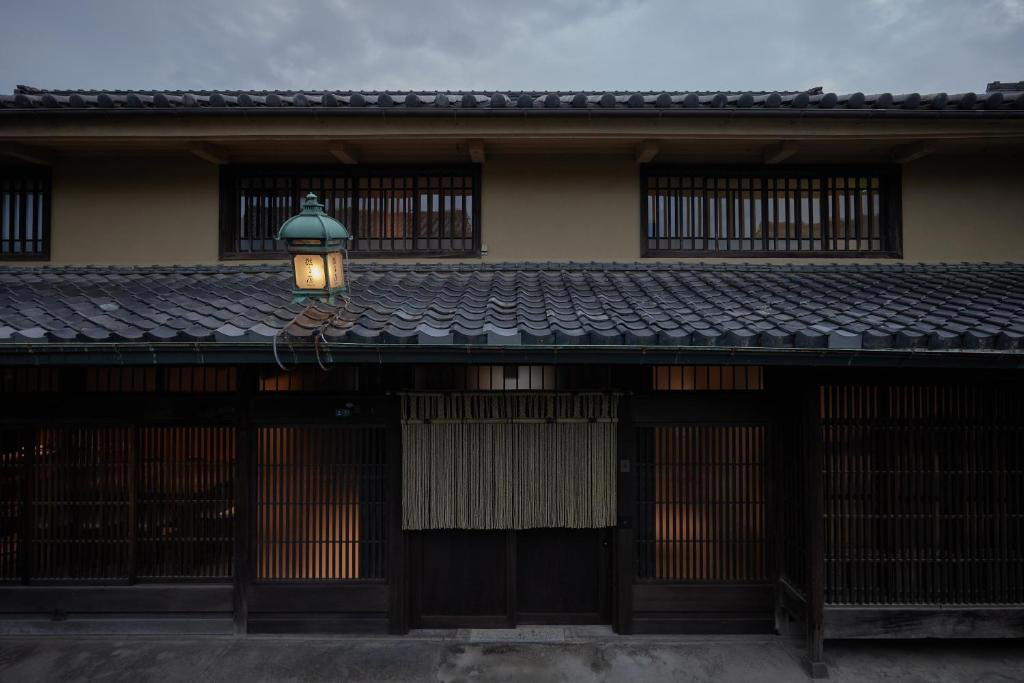
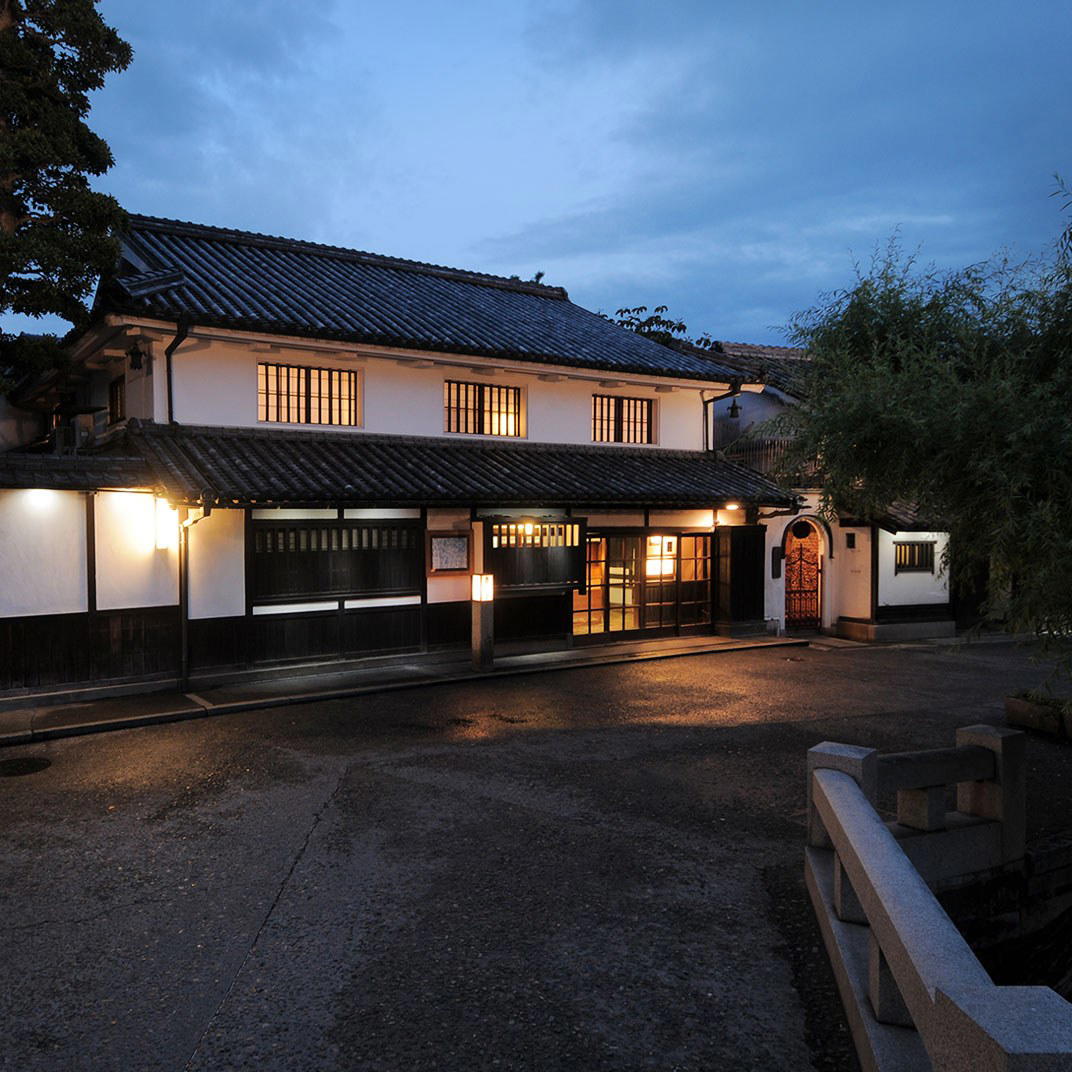
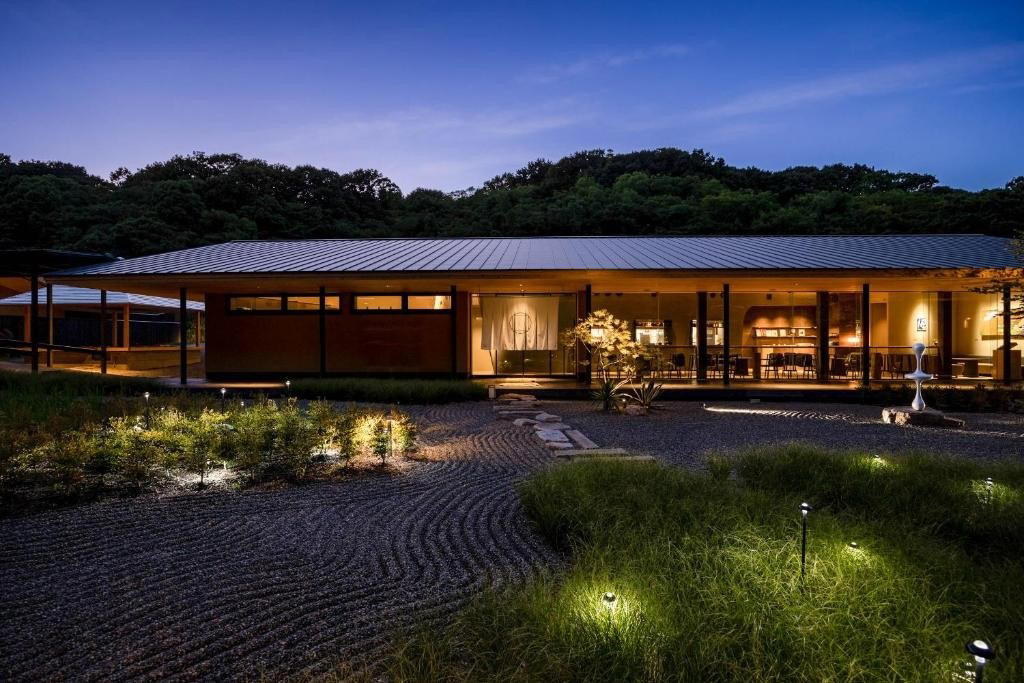
Refined traditional Japanese setting that provides an escape from everyday life.