Our verdict
松寿司 sits in Okayama's Kita Ward, representing the kind of neighbourhood sushi address that forms the backbone of Japan's regional dining culture. With sparse public data available, the restaurant rewards those who approach it on its own terms rather than through the filter of awards tables or booking platforms. Okayama's proximity to the Seto Inland Sea gives its sushi tradition a distinct local character worth understanding before you arrive.

Pearl is the En Primeur Club membership app — saves, bookings, and concierge access live there. Same editors, same standards.
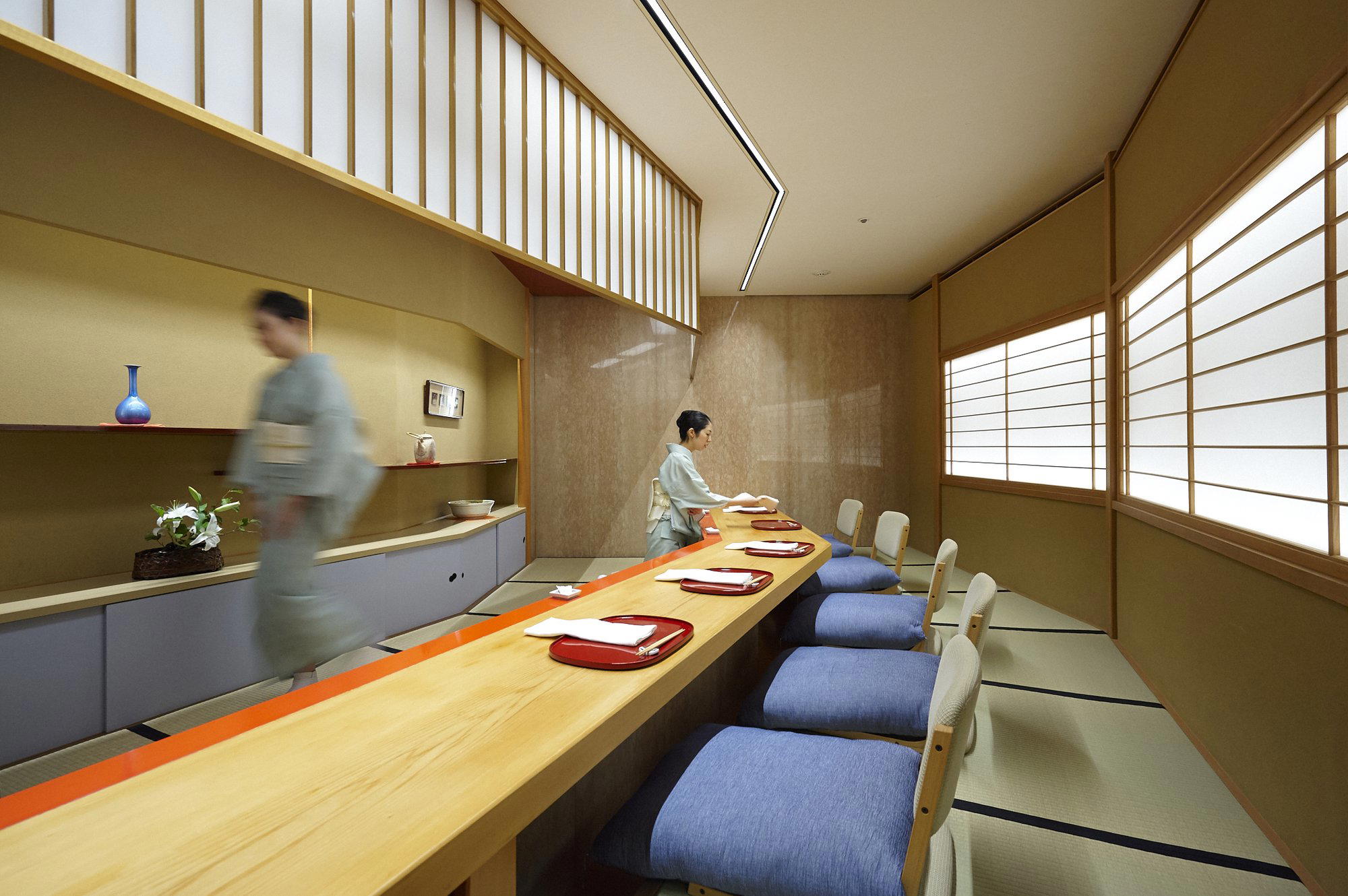
Seto Inland Sea at the Table: Okayama's Sushi Tradition
Japan's sushi culture is not a monolith. The format that dominates global imagination, the high-ticket Ginza omakase counter with its precisely aged tuna and Edomae lineage, is one node in a much larger network of regional expressions shaped by local water, local fish markets, and local eating habits. In Okayama, that regional character is inseparable from the Seto Inland Sea. Sheltered by hundreds of islands and subject to strong tidal movement, the inland sea produces seafood with qualities that differ markedly from Pacific or Sea of Japan catches: sea bream, octopus, and cuttlefish with firmer texture; shellfish shaped by brackish estuarine conditions near river mouths. Sushi and seafood restaurants in the Kita Ward area, where 松寿司 is addressed at 1 Chome-4-12 Nakasange, sit within this culinary geography whether or not they frame themselves in those terms.
Okayama is not a city that features heavily on international dining itineraries. That relative anonymity has a structural cause: the city sits between Hiroshima to the west and Kobe to the east on the San'yo Shinkansen line, and many visitors pass through on the way to Kurashiki's Bikan historical district without lingering for a meal. The dining scene that has developed in that lower-profile environment tends toward the local and the habitual rather than the performative. Restaurants here build their reputations through repeat neighbourhood custom rather than through the awards cycles and press attention that drive bookings in Kyoto or Tokyo. For a comparison, consider how Gion Sasaki in Kyoto operates within a city that functions as a global culinary reference point, or how HAJIME in Osaka draws an international audience partly on the back of Osaka's established reputation. Okayama's equivalent addresses, including 松寿司, operate without those tailwinds.
What Neighbourhood Sushi Addresses Represent in Japan
The neighbourhood sushi-ya occupies a specific cultural position in Japan that has no clean Western equivalent. It is not a casual restaurant in the way a bistro or trattoria might be: the technical demands of sushi preparation require years of training, and even modest-seeming counters can represent serious craft. But it is also not the rarefied, reservation-only omakase of the kind you find at Harutaka in Tokyo, where the booking process alone can require months and a local contact. The neighbourhood sushi-ya sits between those poles: a place of genuine expertise operating at human scale, where regulars expect consistency and quality without the formal ceremony of the high-end counter.
In regional cities like Okayama, this format tends to anchor its sourcing in what the local market can supply reliably. Proximity to Okayama's Takashima fish market and the daily catch from Kojima Bay and the surrounding inland sea channels shapes the menu cycle in ways that no static menu can fully capture. This is not a system designed for the casual tourist who wants to know in advance exactly what they will eat; it rewards return visits and the willingness to let the kitchen's current supply determine the meal. Restaurants like Hasunomi and Waraku represent other points in Okayama's dining network, each with its own position in the city's eating habits.
Placing 松寿司 in Its Local Context
The address in Nakasange, Kita Ward, places 松寿司 in a commercial and residential zone north of Okayama Station, an area with a functional rather than tourist-facing character. This is the kind of location where a sushi address builds its clientele from office workers, local families, and the kind of repeat custom that sustains a Japanese neighbourhood restaurant over decades. For a sense of how other regional Japanese restaurants operate in comparably non-headline cities, Goh in Fukuoka and akordu in Nara each illustrate how serious dining can root itself in cities that sit outside Japan's primary culinary spotlight.
Okayama's other notable addresses, including 祥鳳, 空浪, and 魚正山本淳, each occupy slightly different segments of the city's dining range, from traditional Japanese cooking to seafood-focused formats with varying degrees of formality. 松寿司 sits within that local ecosystem rather than in competition with the prefecture's high-profile attractions. The full shape of Okayama's dining options is covered in our full Okayama restaurants guide.
The Broader Pattern: Regional Sushi Outside the Award Cycle
One of the clearest patterns in Japanese dining is the gap between restaurants that have been absorbed into the international awards and guide system and those that operate entirely outside it. Michelin coverage in Japan concentrates heavily in Tokyo, Kyoto, and Osaka; regional cities like Okayama receive limited or no guide attention. This does not correlate cleanly with quality. Some of the most technically grounded sushi, kaiseki, and yakitori in Japan is produced in cities and towns that guides do not cover, sustained by local demand that has no need of outside validation. For contrast, 一本木 石川製 in Nanao and 庄羽屋 in Nishikawa Machi illustrate how regional Japanese restaurants operate in areas where the international guide system has limited reach. Similarly, 古代山乃 in Sapporo and 湖雲庵 in Takashima operate in regional contexts where local credibility carries more weight than guide recognition.
For the traveller whose reference points are the starred counters of Tokyo or internationally recognised addresses like Le Bernardin in New York City or Atomix in New York City, a regional Japanese neighbourhood address requires a recalibration of expectations in the most productive sense. The metrics shift from formal recognition and booking lead times to the kind of embedded local knowledge that only comes from actually being in a place. Restaurants like Birdland in Sakai offer a parallel example of how serious craft can operate outside the headline venues.
Planning a Visit
松寿司 is located at 1 Chome-4-12 Nakasange, Kita Ward, Okayama, 700-0821. The Kita Ward address is accessible from Okayama Station, which sits on the San'yo Shinkansen line and connects the city to Shin-Osaka in approximately 45 minutes and to Hiroshima in around 35 minutes. Because no booking method, hours, or direct contact information is publicly documented for this restaurant, the most reliable approach for a visit is to confirm details locally, through your hotel concierge in Okayama or through a Japanese-language restaurant platform, before making the trip. This is not unusual for neighbourhood-scale sushi addresses in regional Japan, where the operating model does not rely on international visibility or online reservation systems.
Frequently asked questions
Is 松寿司 suitable for children?
Neighbourhood sushi-ya in Japan's residential and commercial zones, like 松寿司 at 1 Chome-4-12 Nakasange, tend to serve regular local families alongside solo diners and small groups. That said, the format is typically counter-focused and quiet, which rewards diners who can sit attentively through a meal. Families with older children comfortable in a traditional Japanese dining setting should be fine; very young children may find the pace less accommodating.
What is the atmosphere like at 松寿司?
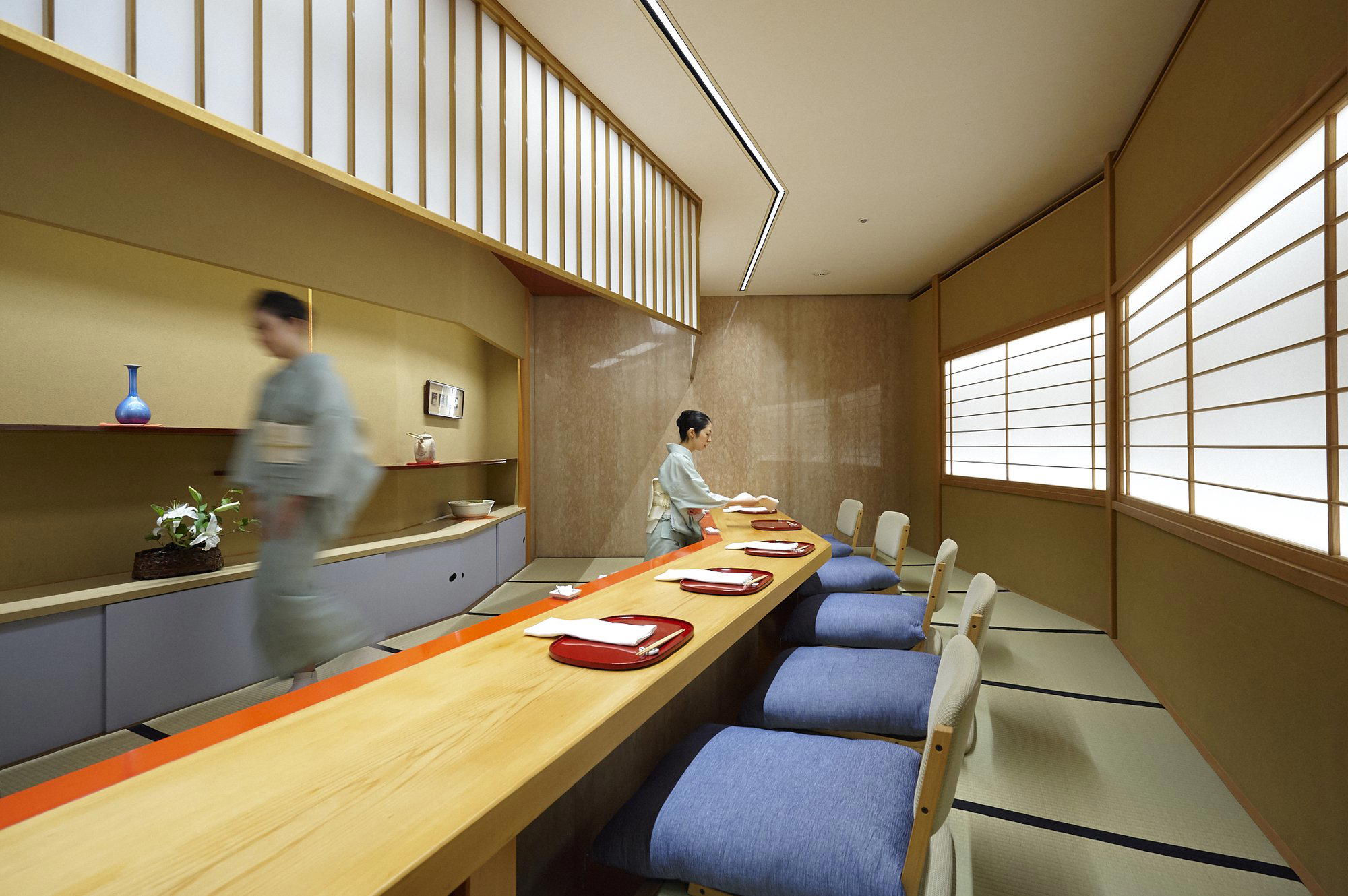
The Nakasange address in Kita Ward places 松寿司 in a functional residential-commercial zone north of Okayama Station, not a tourist dining strip. Expect the atmosphere of a working neighbourhood sushi-ya: familiar to its regulars, unhurried, and oriented around the craft at the counter rather than theatrical presentation. This is the format that sustains daily dining life in Japanese cities, distinct from the performance-driven Ginza omakase model.
What should I order at 松寿司?
Okayama's proximity to the Seto Inland Sea means the regional sushi tradition draws on flatfish, shellfish, and locally landed species that rarely appear on menus in Tokyo or Osaka. At a neighbourhood sushi-ya in this city, following the chef's recommendation or requesting a set course is the most reliable approach, as the day's selection reflects what arrived fresh from local suppliers.
Is 松寿司 accessible from Okayama Station, and how far is Nakasange?
松寿司 is located at 1 Chome-4-12 Nakasange, Kita Ward, Okayama, 700-0821, directly north of Okayama Station on the San'yo Shinkansen line. Nakasange is a walkable neighbourhood from the station, making the restaurant accessible without a taxi or local transit connection for most visitors arriving by rail. Okayama Station itself serves as a hub for day trips to Kurashiki and the Seto Inland Sea islands, so the address works as a practical base for broader regional travel.
Price and Recognition
| Venue | Cuisine | Price | Awards |
|---|---|---|---|
| æ¾å¯¿å¸This venue (the venue you are viewing) | Japanese Restaurant | Not listed | Not listed |
| Hasunomi | Modern Chinese | $100–150 | Tabelog Bronze #101 |
| éæ£å±±æ¬æ·³ | Seasonal Kaiseki | $200–300 | Not listed |
| ç©æµª | Traditional Japanese Kaiseki | Not listed | Not listed |
| Waraku | Traditional Japanese Cuisine | Not listed | Not listed |
| ç¥¥é² | Traditional Japanese Crab Specialty | $50–100 | Not listed |
Continue exploring
More in Okayama
Restaurants in Okayama
All restaurants in Okayama →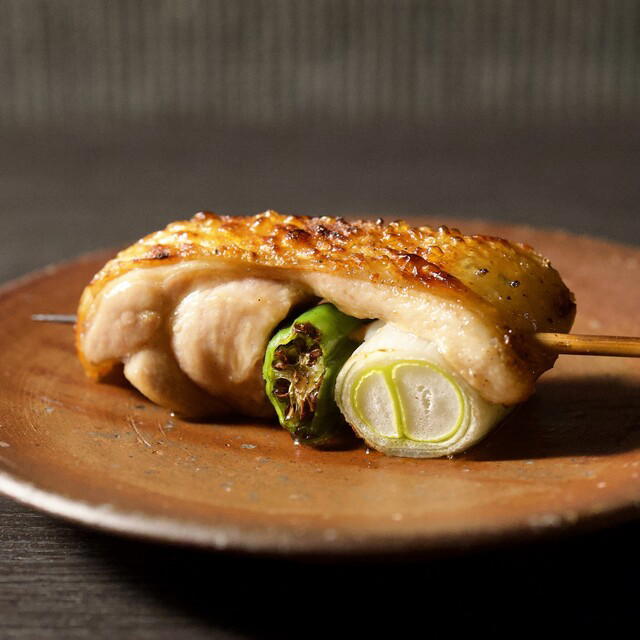
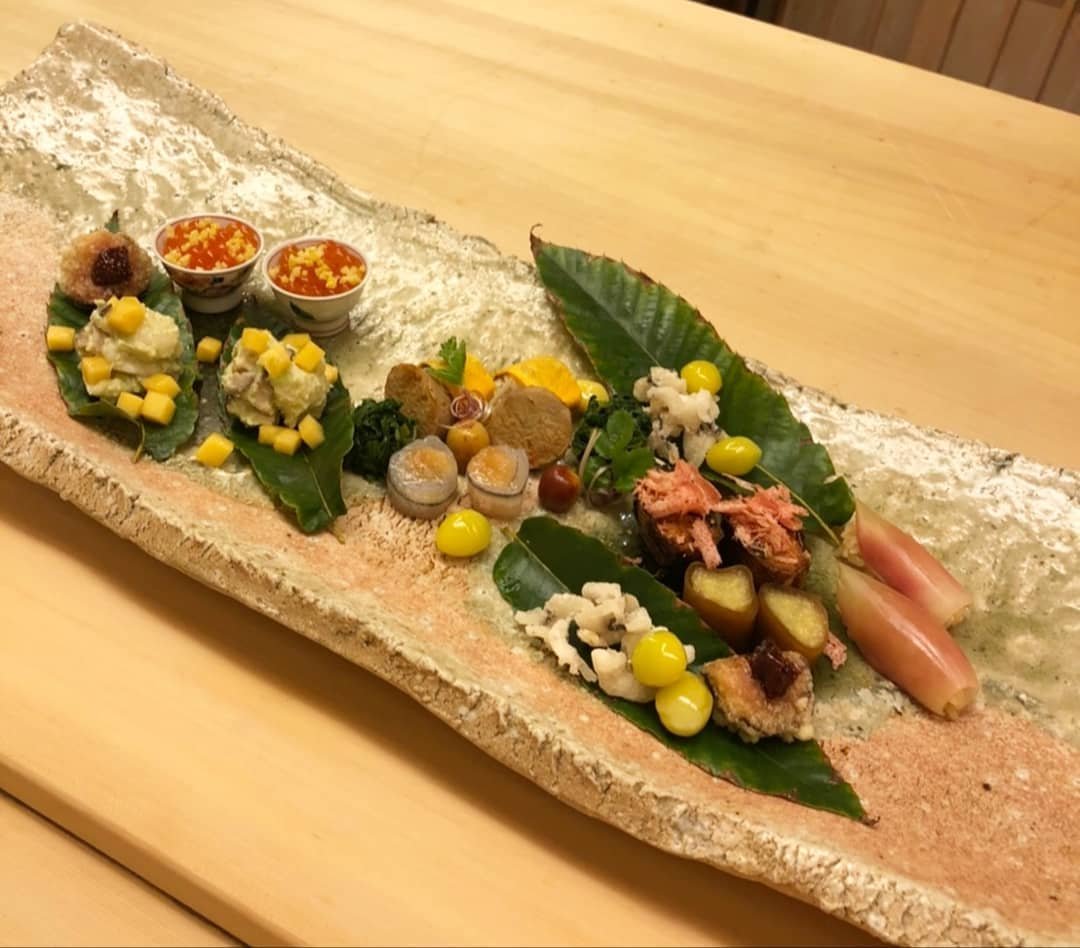

Bars in Okayama
Browse all →
Details
Standard restaurant atmosphere