
Kisetsu Ryori Katayama belongs to Okayama’s serious izakaya tier, where fish sourcing, sake compatibility, and compact-room discipline matter more than spectacle. Its Tabelog 100 Izakaya WEST selections in 2021, 2022, 2024, and 2025 place it in a competitive western Japan category rather than the casual pub bracket.
Pearl is the En Primeur Club membership app — saves, bookings, and concierge access live there. Same editors, same standards.
- Address
- Japan, 〒700-0827 Okayama, Kita Ward, Heiwacho, 4−11 平和地所ビル
- Phone
- +81 86-226-3131
- Website
- tabelog.com
 Saves & bookings on Pearl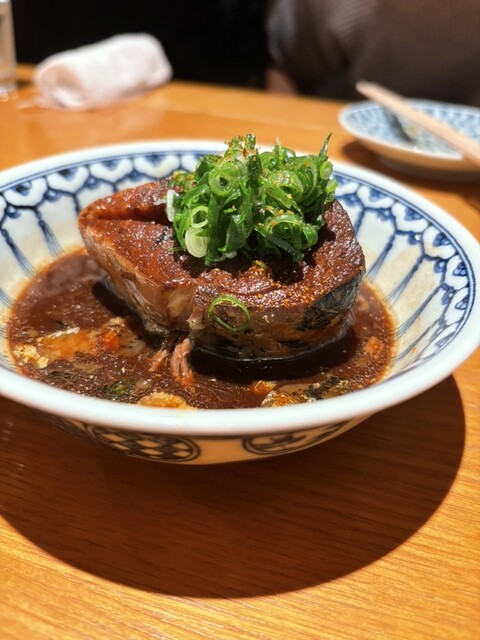
Heiwacho’s evening dining rhythm is compact and inward-facing: small buildings, short walks from the tram corridor, and rooms where the counter matters as much as the kitchen. In Okayama, the stronger izakaya addresses are not built around noise or novelty. They tend to reward a narrower reading of seasonality, especially fish, sake, and the kind of Japanese cooking that sits between tavern comfort and restaurant precision.
Kisetsu Ryori Katayama fits that lane with unusual clarity. The format is izakaya and Japanese cuisine, but the signal is more specific: a fish-led kitchen, sake, shochu, and wine, no course-meal structure, and a small room built around counter seats and tatami tables. That matters because Okayama’s dining identity often gets flattened between seafood from the Seto Inland Sea, fruit-growing prestige, and convenient rail-city eating. The more interesting tables are the ones that treat local access as a starting point rather than a slogan.
Fish-led izakaya cooking in Okayama's serious middle tier
The modern premium izakaya is often misunderstood outside Japan. It is not simply a drinking room with snacks, and it is not kaiseki with looser manners. At its better end, the category depends on product selection, timing, and a cook’s ability to let a diner move between raw, grilled, simmered, and fried preparations without turning the night into a tasting-menu performance. That makes ingredient sourcing more visible than in many formal restaurants: when fish is the anchor, the room’s credibility rises or falls with procurement and restraint.
The Tabelog 100 Izakaya WEST selections in 2021, 2022, 2024, and 2025 put Kisetsu Ryori Katayama in a western Japan conversation that is broader than Okayama alone. The 2025 listing is particularly useful for travellers because it identifies the restaurant within the izakaya category rather than rewarding it under a general Japanese-dining label. A Tabelog score of 3.66 also gives context: in Japan’s user-review culture, scores in the mid-3s can indicate strong local demand and specialist approval, especially in categories where small capacity limits volume.
That category context helps separate this address from Okayama’s other mid-priced choices. VIA PACE, Sakaiya Honten, ミザンセーヌ, Hasunomi, and 鮨 ç¸ occupy different parts of the city’s dining map, from Italian-leaning rooms to Japanese formats with their own audiences. For readers building a wider food itinerary, 400℃ Mori No Machi, 400℃ Pizza, Cozzýs, Duomo, and Hasunomi show how quickly Okayama moves from casual Italian heat to quieter Japanese rooms within a small central radius.
A small room changes how the meal should be read
Capacity is not a decorative fact here. A 19-seat room, including an eight-seat counter, creates a different style of izakaya evening from a large chain tavern or a banquet-oriented dining room. Small rooms compress decision-making: order pacing, drink rhythm, and the kitchen’s handling of fish all become more apparent. The absence of all-you-can-drink service also matters. It keeps the emphasis on the food-and-drink pairing rather than volume, which is usually the better sign for travellers who care about what is being cooked.
The room’s age restriction is another signal, not a lifestyle flourish. Smoking is permitted, and entry is limited to guests aged 20 and over, so this is adult izakaya territory rather than a family dinner fallback. That does not automatically mean a rowdy night. In Japan, serious izakaya culture can be convivial without becoming chaotic, especially where seating is limited and the kitchen’s identity is tied to seasonal cooking. The better expectation is a grown-up local room: social, compact, food-focused, and best approached with patience rather than a checklist of dishes.
For an Okayama stay, the smarter play is to treat this as part of an evening cluster rather than a standalone pilgrimage. The city’s central dining area works well with a broader plan: restaurants first, then bars, or a quieter hotel base after dinner. EP Club’s city pages are useful for that wider edit, including Our full Okayama restaurants guide, Our full Okayama hotels guide, Our full Okayama bars guide, Our full Okayama wineries guide, and Our full Okayama experiences guide.
How to place it within a Japan food trip
Travellers often over-index on Tokyo counters and Kyoto formality, then treat regional izakaya as an afterthought. That is a mistake in cities like Okayama. Regional izakaya can show what formal restaurants sometimes hide: procurement habits, everyday drinking culture, and how cooks adapt seasonal fish to a room that expects repeat local custom. The category is also less scripted. Without a course framework, the diner has to read the room, order with restraint, and let drinks shape the meal’s tempo.
That makes Kisetsu Ryori Katayama better suited to diners who already enjoy Japanese dining conventions than to first-timers seeking a fully translated, high-ceremony introduction. The reward is not luxury staging; it is category fluency. Fish, sake, shochu, and compact seating give the evening its logic. For those comparing regional Japanese formats beyond Okayama, the contrast with -Grilled beef Sukiyaki- KAMAKURA TANUKIAN 鎌倉 たぬき庵 in Kamakura,. 鮪と炭火焼き うお炭 秋葉原店 in Tokyo,.cafe in Osaka,.know in Kumamoto, (Shoku) Vietnam in Kawasaki, [Curry Senmon Ten] Maruyama Kyoju. in Sapporo, Jōdo Saké Bar in Los Angeles, and Onigiri Time in Pasadena shows how Japanese dining categories shift when format, city, and sourcing priorities change.
The editorial case is therefore precise: this is an izakaya for travellers who want Okayama’s ingredient culture in a compact, adult room, not a theatrical destination dinner. The repeated Tabelog 100 recognition gives it external credibility; the fish emphasis gives it purpose; the small format gives it discipline. In a city where the stronger meals often sit just off the obvious tourist path, that combination is enough to merit attention.
How It Stacks Up
Comparable venues by cuisine and price in the same metro.
| Venue | Cuisine | Price | Awards | Notes |
|---|---|---|---|---|
| Kisetsu Ryori KatayamaThis venue — the venue you are viewing | Seasonal Japanese Izakaya | $$$ | , | |
| Tempura Sen no Tane | Japanese tempura restaurant | $$$ | , | Okayama |
| 穂浪 | Traditional Japanese Kaiseki | , | , | Okayama |
| Shikisai Teppan Kusano | Seasonal Japanese Teppanyaki | $$$ | , | Kita-ku |
| Ichome | Yakitori (Grilled Chicken Skewers) | $$ | , | Okayama |
| Waraku | Traditional Japanese Cuisine | $$ | , | Kenchodori |
Continue exploring
More in Okayama
Restaurants in Okayama
Browse all →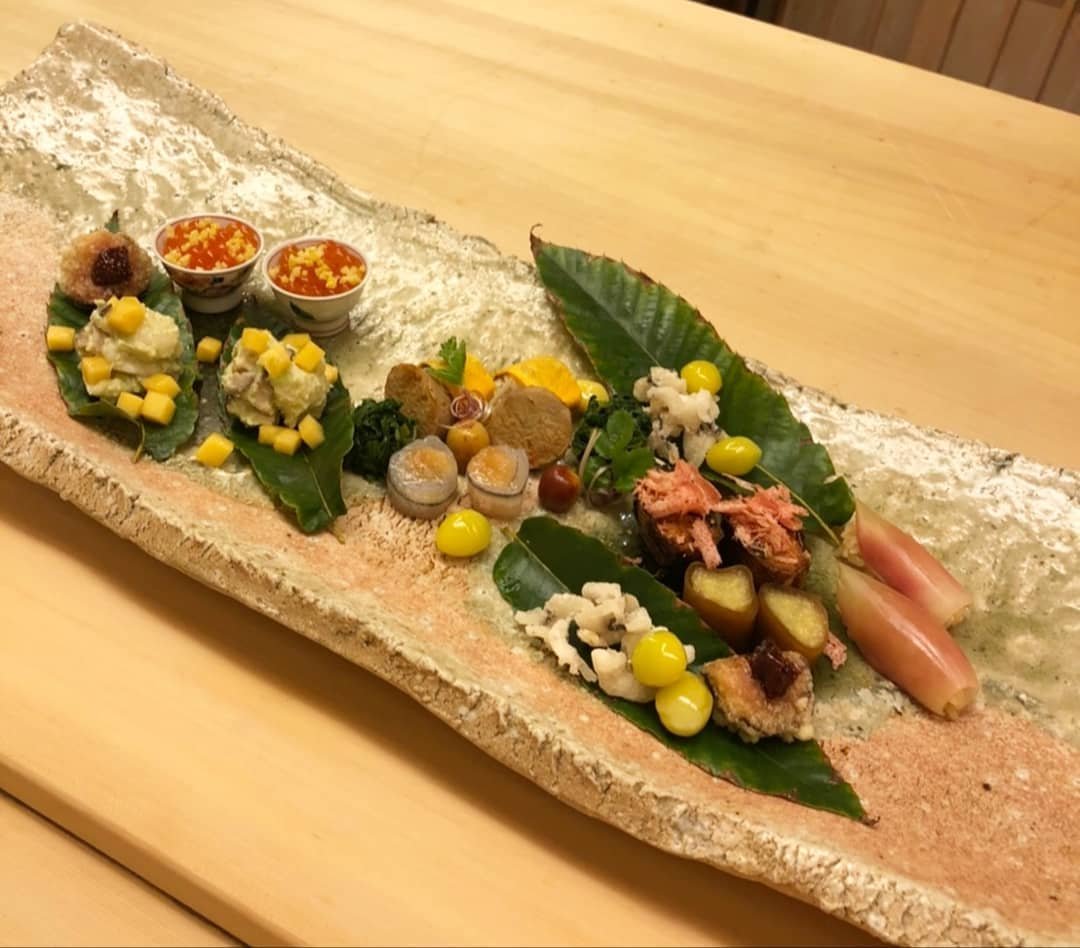

At a Glance
- Cozy
- Hidden Gem
- Intimate
- Classic
- Casual Hangout
- After Work
- Solo
- Standalone
- Sake Program
- Beer Program
- Extensive Wine List
- Sustainable Seafood
A cozy hideout-style izakaya with a gentle, intimate atmosphere and a traditional Japanese seating setup.