Our verdict
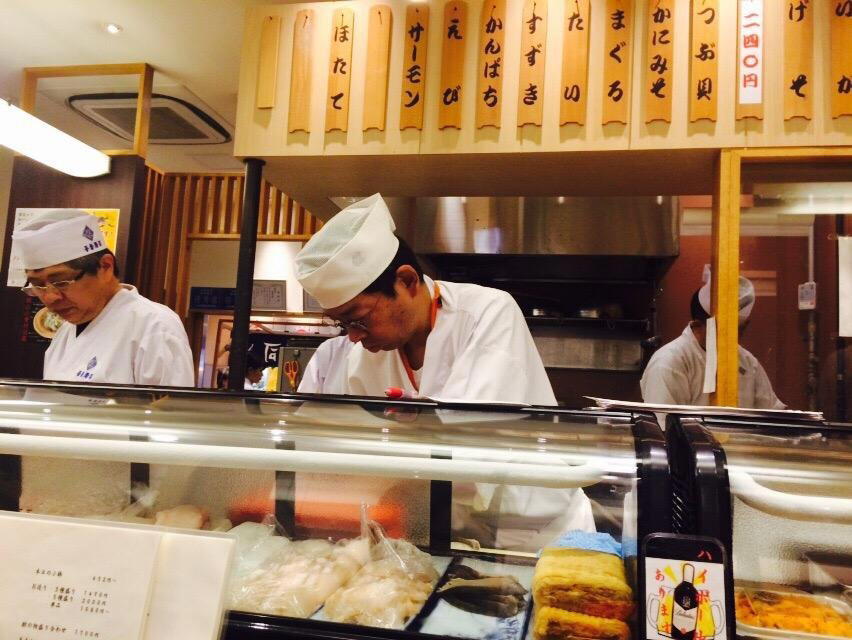
Located in Kita Ward's central Chuocho district, 魚正山本淳 occupies a position within Okayama's quieter fine dining tier, where proximity to the Seto Inland Sea's fishing routes shapes what reaches the counter. The restaurant sits in a city that rewards slower exploration, where the gap between regional quality and national recognition remains wider than the food warrants.

Pearl is the En Primeur Club membership app — saves, bookings, and concierge access live there. Same editors, same standards.
Chuocho and the Case for Okayama's Dining Quarter
Okayama's central ward does not announce itself the way Osaka's Kitashin or Tokyo's Ginza do. Kita Ward's Chuocho district operates at a different register: smaller streets, fewer international visitors, and a dining scene that has developed largely on local demand rather than tourist infrastructure. That context matters because it shapes what restaurants here are optimized for. The clientele at serious Okayama establishments tends to be regional rather than transient, which puts pressure on consistency and value in ways that destination-driven cities sometimes avoid. It is, in short, a harder environment in which to sustain a fine dining operation, and that difficulty produces a certain discipline.
魚正山本淳 sits at 7-5 Chuocho, inside this quieter geography. The address places it within walking distance of Okayama's commercial core, but the dining culture of the surrounding blocks runs closer to the neighbourhood izakaya and specialist counter traditions that define much of provincial Japanese hospitality. For a visitor arriving from a Michelin-mapped city expecting immediate orientation by star count or price tier, Okayama requires recalibration. The signals are subtler, the reservations less globally competed over, and the overall experience of eating well here is more dependent on local knowledge than in Japan's more internationally trafficked food cities.
The Seto Inland Sea as Kitchen Geography
Any serious fish-forward restaurant in Okayama operates within a specific geographic advantage. The Seto Inland Sea, which defines the prefecture's southern edge, produces shellfish, flatfish, sea bream, and seasonal catches that supply some of western Japan's most respected counters. Compared to the open Pacific-facing fisheries that supply Tokyo's Tsukiji successors, Seto seafood tends toward a different flavor profile: protected waters, less salinity variation, and fishing communities that have maintained traditional methods at smaller scale. Restaurants in cities like Hiroshima and Kurashiki work from the same supply geography, but Okayama city itself sits close enough to the coast that the fish arriving at a central-ward counter can be notably fresh by the standards of land-locked equivalents in Japan's interior.
This supply context shapes what a venue like 魚正山本淳 can plausibly do. Japanese fish cuisine, particularly at counter formats oriented around seasonal offerings, is defined more by sourcing relationships and timing than by kitchen technique alone. The capacity to serve fish at its precise seasonal peak, whether that's autumn yellowtail, spring sea bream, or summer octopus from nearby Akashi-adjacent waters, depends on proximity and established supplier trust. That infrastructure is what Okayama's geographic position enables, and it's the primary argument for why the city's fish-focused restaurants warrant attention beyond purely regional curiosity. For a broader sense of how Okayama's dining scene is structured, our full Okayama restaurants guide maps the key venues and price tiers.
Where 魚正山本淳 Sits in Okayama's Counter Dining Tier
Okayama's fine dining options are fewer in number than those of Kyoto, Osaka, or Fukuoka, but the city has developed a functional tier of serious counters and specialist restaurants that serve a discerning local market. The latter format has grown in Japan's secondary cities over the past decade, partly because the counter model reduces fixed costs relative to full kaiseki service and partly because it aligns with a broader national movement toward ingredient-forward simplicity over elaborate multi-course architecture.
Comparable options in Okayama include Hasunomi, Waraku, 松寿司, 祥宴, and 空浪, each working from a different angle on the city's available ingredients and hospitality traditions.
For visitors who have eaten at high-profile fish counters in other Japanese cities, the reference points are instructive. Harutaka in Tokyo and Gion Sasaki in Kyoto operate in heavily documented, internationally competed tiers where reservation timelines can run six months or more. Okayama's serious counters exist in a different pressure environment, which affects both booking lead times and the overall texture of the dining experience. There is less performance anxiety on both sides of the counter. Elsewhere in Japan's regional fine dining circuit, Goh in Fukuoka, akordu in Nara, and HAJIME in Osaka each demonstrate how Japan's non-Tokyo cities have developed serious food programs that reward the traveller willing to move beyond the obvious metropolitan circuits. Further afield, Abon in Ashiya, affetto akita in Akita, Aji Arai in Oita, Ajidocoro in Yubari District, and Akakichi in Imabari represent the same pattern of regional depth that Japan's secondary cities consistently produce. For a global parallel in how specialist counters operate outside capital-city contexts, Le Bernardin in New York City and Lazy Bear in San Francisco show how sustained editorial attention eventually catches up with venues that have prioritized craft over visibility.
Planning a Visit: What to Know Before You Go
The Chuocho address is accessible from Okayama Station in under fifteen minutes on foot or a short taxi ride, which positions the restaurant conveniently for visitors using Okayama as a stop on a San'yo Shinkansen route between Osaka and Hiroshima. Given the limited volume of detailed English-language information available about the venue, visitors without Japanese language ability should consider approaching the reservation process through their hotel concierge or a Japan-based dining reservation service. Okayama's serious restaurant tier does not universally maintain English-language booking infrastructure, and the most reliable path to a confirmed seat generally runs through a Japanese-speaking intermediary.
The Seto Inland Sea's seasonal rhythms suggest that spring and autumn visits tend to align with peak fish quality in western Japan generally, though specific seasonal availability at any given counter depends on supplier relationships and year-to-year variation.
Frequently asked questions
Where is éæ£å±±æ¬æ·³ in Okayama?
éæ£å±±æ¬æ·³ is located at 7-5 Chuocho, Kita Ward, Okayama, 700-0836, Japan, Okayama.
What's the must-try dish at 魚正山本淳?
Specific menu details for 魚正山本淳 are not publicly listed, which is consistent with counter dining venues in Okayama's Chuocho district that rotate their offerings based on what the Seto Inland Sea yields on a given day. The geographic advantage here is concrete: the Seto Inland Sea is one of Japan's most productive inshore fishing zones, so fish-forward preparations are the logical focus. Visiting with an open brief rather than a fixed order in mind is the appropriate approach for this format.
Should I book éæ£å±±æ¬æ·³ in advance?
Reservations are recommended for éæ£å±±æ¬æ·³ in Okayama. Confirm current policy via the venue's official channels.
Should I book 魚正山本淳 in advance?
Counter restaurants at this tier in Okayama's Chuocho district typically operate with limited seating, and walk-ins are rarely a viable option. The Chuocho address at 7-5 Chuocho, Kita Ward is accessible from Okayama Station within fifteen minutes on foot, but arriving without a reservation risks finding no availability. Contacting the venue directly ahead of your intended date is the practical course.
The Minimal Set
| Venue | Cuisine | Price | Awards |
|---|---|---|---|
| éæ£å±±æ¬æ·³This venue (the venue you are viewing) | Seasonal Kaiseki | $200–300 | Not listed |
| Hasunomi | Modern Chinese | $100–150 | Tabelog Bronze #101 |
| ç©æµª | Traditional Japanese Kaiseki | Not listed | Not listed |
| ç¥¥é² | Traditional Japanese Crab Specialty | $50–100 | Not listed |
| 鮨 ç¸ | Traditional Okayama Kibi Dango | Not listed | Not listed |
| Waraku | Traditional Japanese Cuisine | Not listed | Not listed |
Continue exploring
More in Okayama
Restaurants in Okayama
All restaurants in Okayama →

Bars in Okayama
Browse all →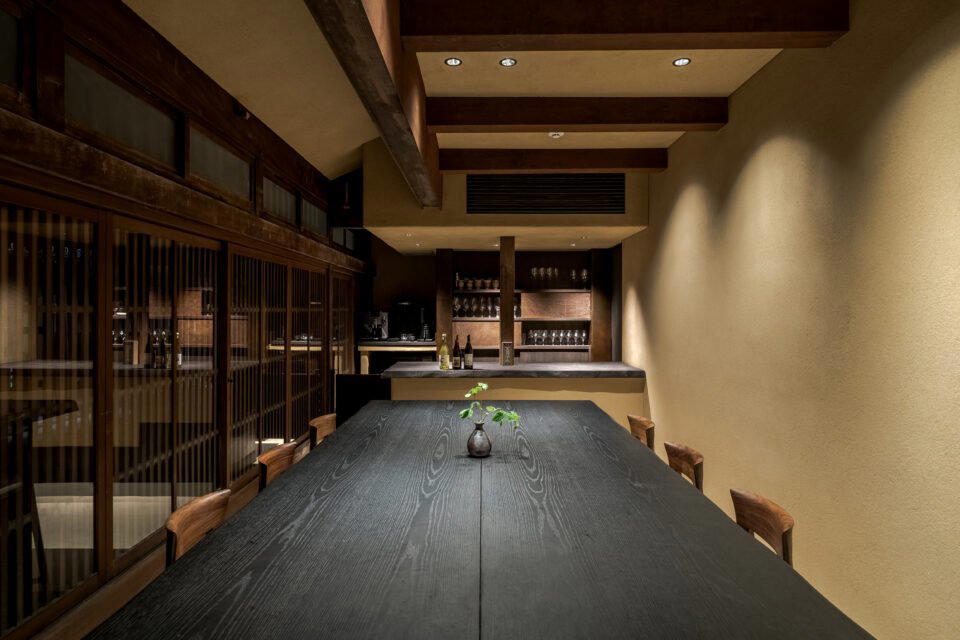
Details
- Elegant
- Intimate
- Sophisticated
- Special Occasion
- Date Night
- Chefs Counter
- Open Kitchen
- Sake Program
- Local Sourcing
- Tasting Menu
- Counter Dining
- Sake
- Vegetarian Friendly
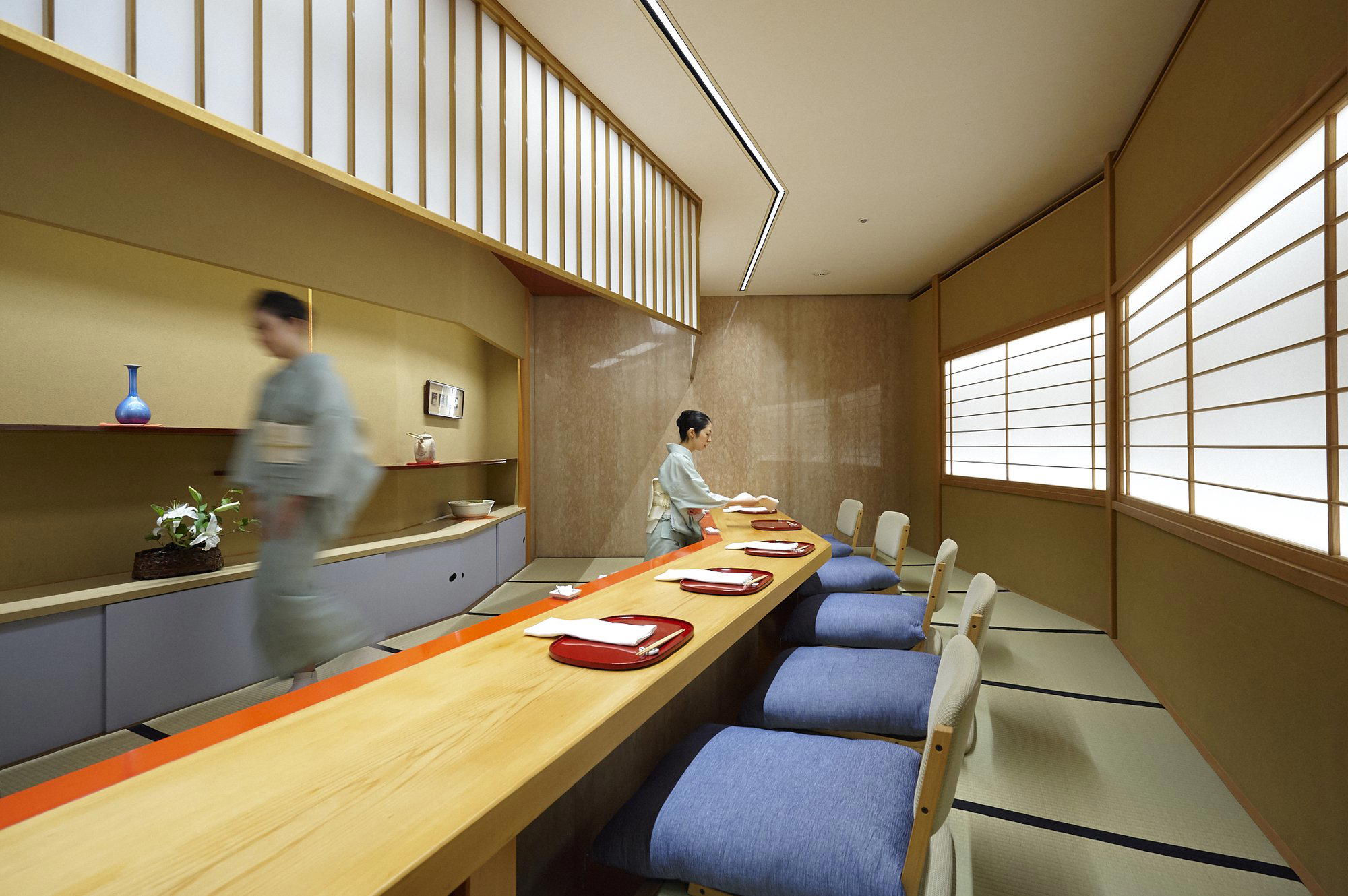
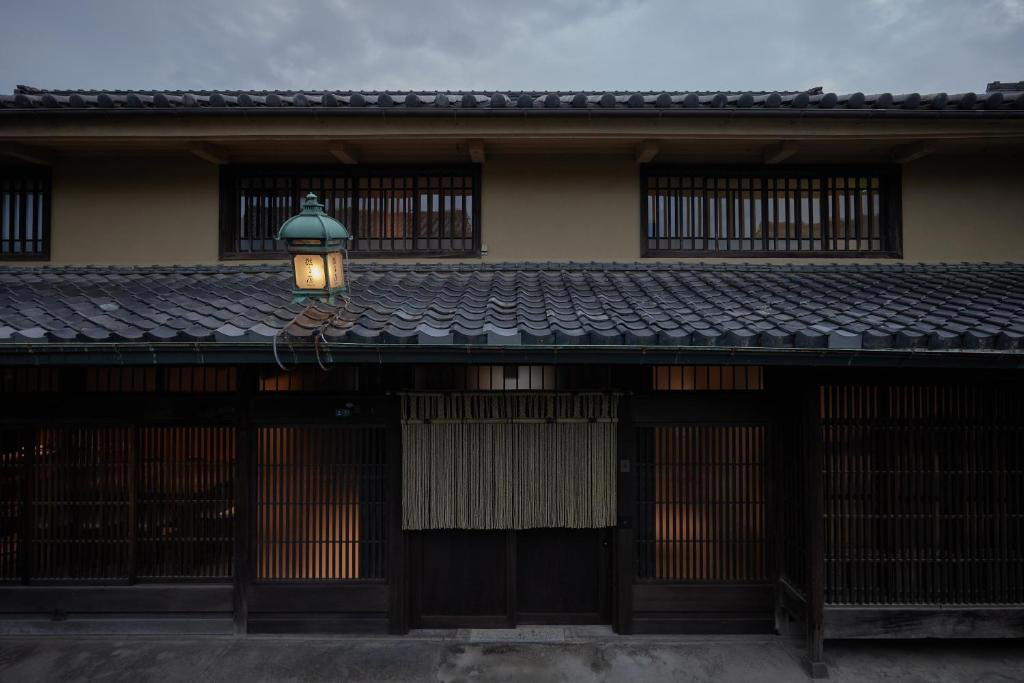
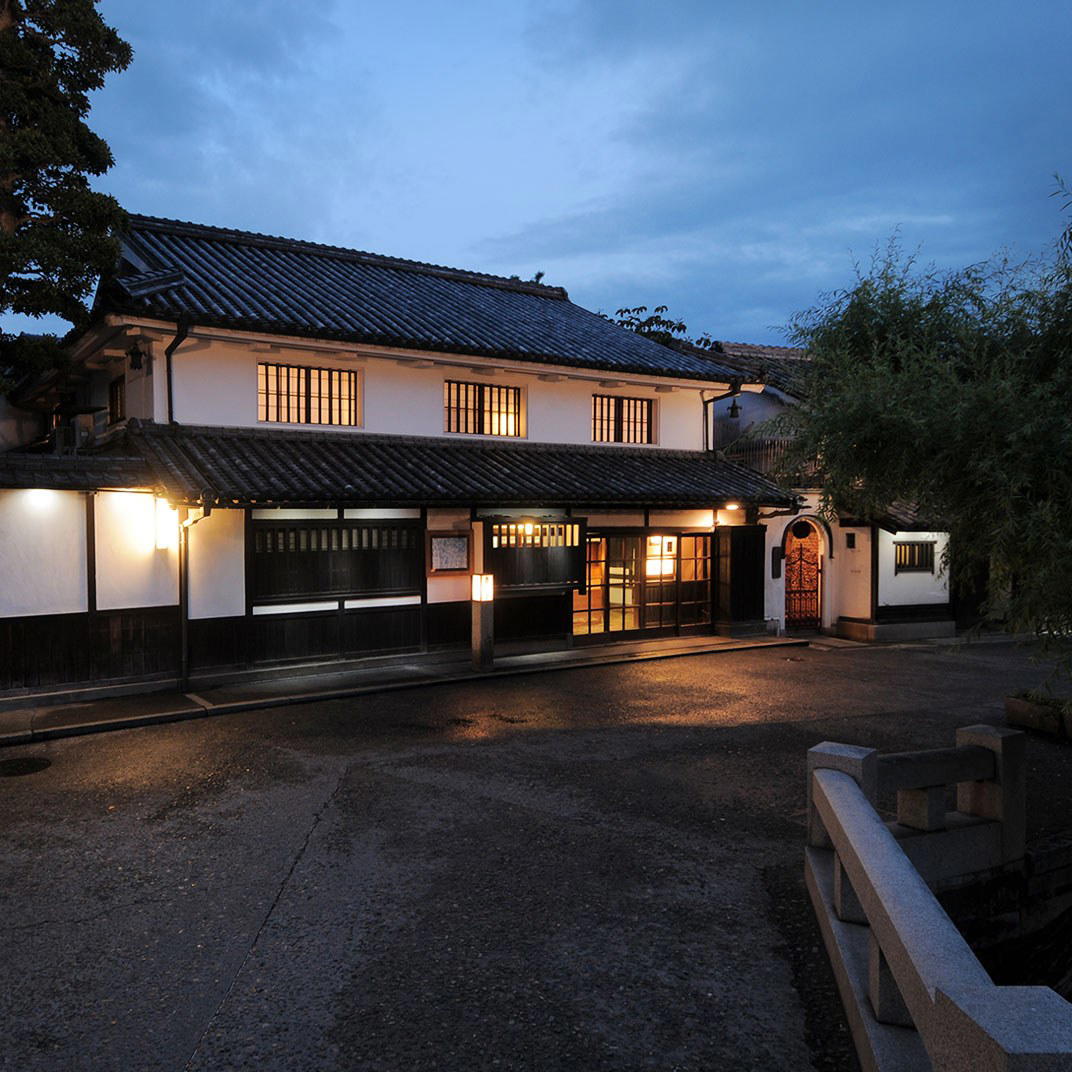
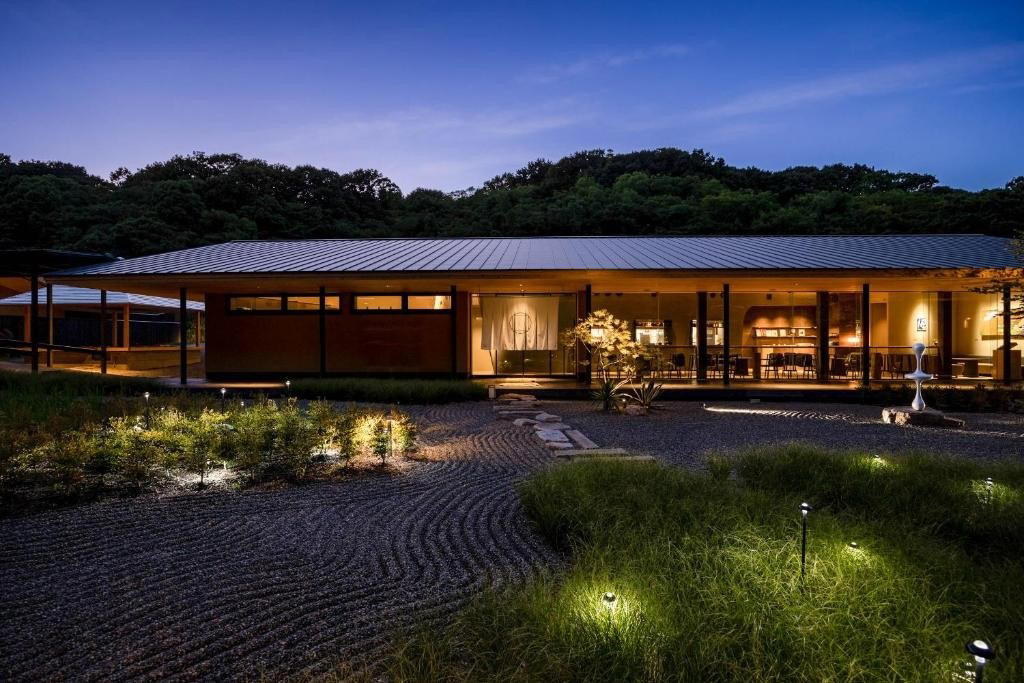
Dimly lit with minimalist Japanese decor, creating a serene and refined atmosphere focused on the culinary artistry.