
Tanuki Ya puts Okayama’s everyday udon culture into sharp focus: self-service pacing, low-cost bowls, tempura and onigiri on the side, and ingredient transparency inside the room. Its selection for Tabelog 100 Udon WEST 2024 gives this casual counter-and-table format a clear trust signal without turning it into a luxury ritual.
Pearl is the En Primeur Club membership app — saves, bookings, and concierge access live there. Same editors, same standards.
- Address
- 岡山県岡山市北区東古松2-2-1
- Phone
- +81862334470
- Website
- tabelog.com
 Saves & bookings on Pearl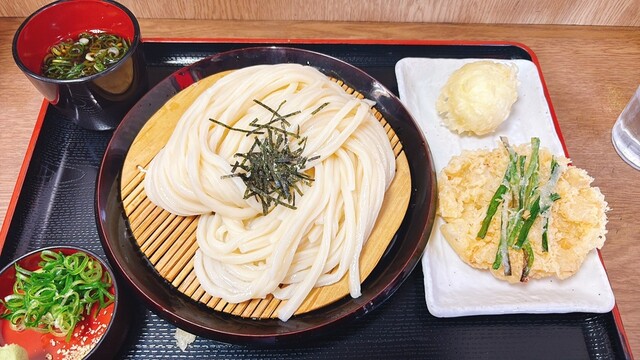
Approach the room and the grammar is familiar to anyone who understands western Japan’s self-service udon culture: movement first, ceremony second. The appeal is not hushed dining-room theatre, but trays, counter seating, table sharing during busy periods, and a lunch line that can form yet moves with purpose. Tanuki Ya belongs to the part of Okayama dining where value, speed, and sourcing discipline matter more than décor.
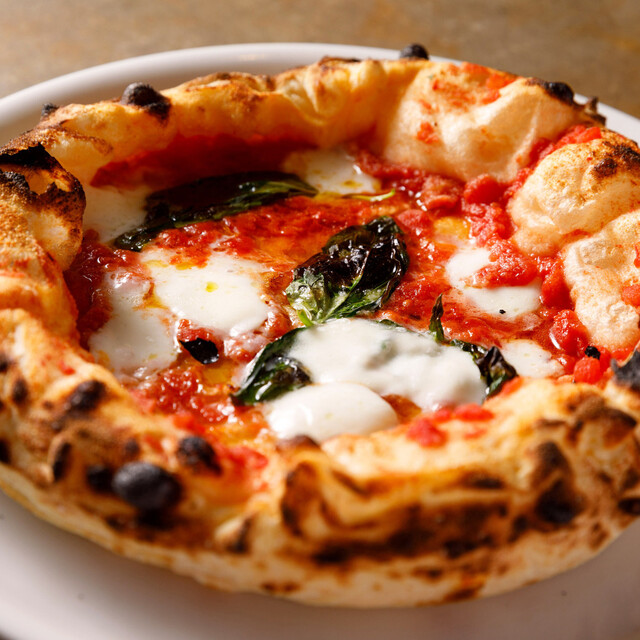
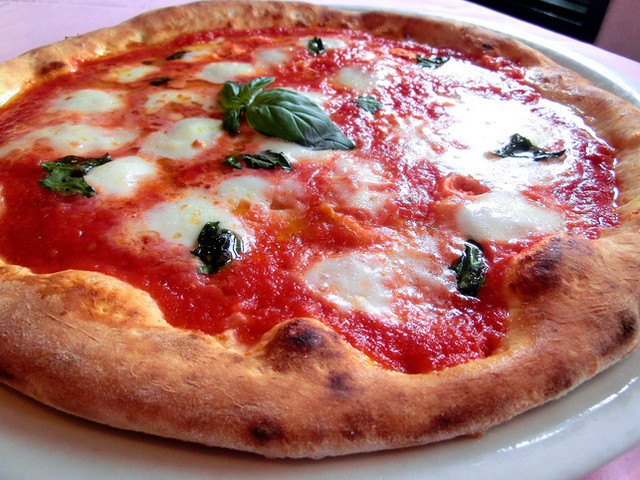
That matters because regional udon is not simply a noodle category. It is a test of proportion: wheat structure, broth clarity, topping choice, and the customer’s counter decisions. The restaurant’s 2024 selection for Tabelog 100 Udon WEST places it inside a competitive western-Japan field where everyday formats are judged against specialists, not only casual convenience. In Okayama, where the restaurant conversation often jumps from pizza at 400℃ Mori No Machi and 400℃ Pizza to higher-spend rooms such as Teppan Kayano and Shuritsu Ooi, this is a different argument: a modest meal can still have a serious standard.
Kombu, wheat, and the discipline behind a low-cost bowl
The strongest editorial reason to pay attention is sourcing. The house description points to dashi made with high-quality kombu, specifically Rishiri kelp from Funadomari on Rebun Island in Hokkaido. That is more than menu ornament. Rishiri kombu has long been prized in Japanese broth-making for clean, controlled umami, and its use signals ambition beneath the casual format. In an udon shop, broth exposes shortcuts quickly: too blunt, too salty, or too thin, and the bowl loses its centre.
The noodle side is framed around well-kneaded wheat noodles, with a traditional foot-kneading method cited in the restaurant’s own highlights. That practical noodle-making lineage develops elasticity and chew, separating a working bowl of udon from a soft, anonymous one. The point is not refinement for its own sake, but texture that survives hot broth, topping choice, and self-service pace.
Tempura and onigiri broaden the meal without changing its character. This is not a tasting-menu construction with fixed courses. It is assembly: noodles, broth, sides, and roughly 30 topping varieties available at all times according to the restaurant listing. That range encourages customization within recognizably Japanese cafeteria logic. The diner edits the bowl rather than handing control to a chef’s sequence.
Ingredient-origin display inside the restaurant adds another quiet signal. In casual Japanese dining, transparency can be more persuasive than rhetoric, especially at low spend. Tanuki Ya’s position is not that it competes with Okayama’s higher-ticket dining rooms; it shows how serious ingredient choices can appear in a family-friendly, solo-friendly, fast-moving udon setting.
Self-service udon as Okayama dining culture, not a shortcut
Self-service udon can be misunderstood by travellers who equate premium dining with table service. In Japan, the format often has its own rigor: quick decisions, visible production, and a direct relationship between bowl and appetite. Here, customers warm the noodles themselves in hot water, turning service into participation without spectacle. The room rewards diners who know what they want, but does not punish those arriving for a simple bowl.
The 49-seat layout, with counter seats and table seating, explains the social range. Solo diners move efficiently; families are part of the normal use case; groups of friends fit the same pattern. During busy periods, shared seating may be part of the rhythm. That is not a flaw but a clue to its category: a local working restaurant first, with outside recognition layered on after the fact.
Okayama’s restaurant scene has a useful spread for comparison. Cozzýs, Duomo, and Hasunomi sit in a broader city map where Western cooking, local Japanese formats, and specialist rooms coexist without collapsing into one style. Tanuki Ya’s role is narrower and clearer: udon, tempura, onigiri, quick turnover, and a price tier that keeps repeat use realistic.
That narrowness is the virtue. A restaurant like this does not need a chef biography to justify itself. The evidence is structural: a Tabelog 100 Udon WEST 2024 selection, a Tabelog score of 3.70, a defined noodle-and-broth focus, and a self-service model with enough seating to function as part of the city’s daily dining infrastructure. For travellers building a broader Okayama itinerary, it pairs better with neighbourhood eating than occasion dining. Use our full Okayama restaurants guide for the wider dining map, then place this stop where a focused, low-spend udon meal makes more sense than a long reservation-led dinner.
Where it fits in a wider Okayama itinerary
The practical reading is simple: this is a casual udon address with recognition, not a luxury room. It works when the day calls for a precise, inexpensive meal built around dashi and noodles, especially if the plan includes museums, shopping, station-area transit, or a hotel check-in. Travellers comparing the city’s broader hospitality scene can cross-reference our full Okayama hotels guide, while drink-led evenings belong in our full Okayama bars guide. Regional context for wine and rural producers sits separately in our full Okayama wineries guide and our full Okayama experiences guide.
For readers tracing casual Japanese formats beyond Okayama, the useful comparison is not a single cuisine but how everyday food becomes specialist when execution tightens. A beef sukiyaki address such as -Grilled beef Sukiyaki- KAMAKURA TANUKIAN 鎌倉 たぬき庵 in Kamakura, a Tokyo izakaya-style listing like. 鮪と炭火焼き うお炭 秋葉原店 in Tokyo, or an onigiri specialist such as Onigiri Time in Pasadena all show the same editorial pattern: modest categories become worth travelling for when sourcing, repetition, and format are controlled.
That pattern extends outside Japan as well. Jōdo Saké Bar in Los Angeles frames Japanese drinking culture through a different lens, while.cafe in Osaka,.know in Kumamoto, (Shoku) Vietnam in Kawasaki, and [Curry Senmon Ten] Maruyama Kyoju. in Sapporo sit in adjacent casual-specialist territory. Tanuki Ya’s case is grounded in udon: kombu-led broth, kneaded noodles, quick turnover, and a room built for regular use. That is enough.
Side-by-Side Snapshot
Comparable venues by cuisine and price in the same metro.
| Venue | Cuisine | Price | Awards | Notes |
|---|---|---|---|---|
| Tanuki YaThis venue — the venue you are viewing | Self-service Udon & Tempura | $ | , | |
| Waraku | Traditional Japanese Cuisine | $$ | , | Kenchodori |
| Okonomiyaki Mori | Okayama-style okonomiyaki & izakaya | $$ | , | Hokancho, Kita-ku |
| Shuritsu Ooi | Casual Japanese Teppanyaki & Steak | $$$ | , | Kita Ward |
| Tempura Sen no Tane | Japanese tempura restaurant | $$$ | , | Okayama |
| 楽旬菜 佐とう | Seasonal Japanese Kappo | $$$ | , | Saidaiji cho |
Continue exploring
More in Okayama
Restaurants in Okayama
Browse all →
At a Glance
- Lively
- Cozy
- Classic
- Hidden Gem
- Solo
- Family
- Casual Hangout
- Group Dining
- After Work
- Standalone
- Local Sourcing
Bustling, casual canteen-style space with counter and table seating, quick turnover, and a relaxed family‑friendly feel, focused on efficient self‑service rather than decor.