Our verdict
穿浪 sits in Okayama's Kita Ward, positioning itself within a city whose proximity to the Seto Inland Sea and the fertile Kibi Plain has long shaped a distinct regional pantry. The address in Banzancho places it away from the tourist circuit, in a residential pocket where serious local dining tends to take root. For visitors tracking ingredient-driven cooking across western Honshu, it belongs on the itinerary alongside Okayama's other deliberate, produce-focused tables.

Pearl is the En Primeur Club membership app — saves, bookings, and concierge access live there. Same editors, same standards.
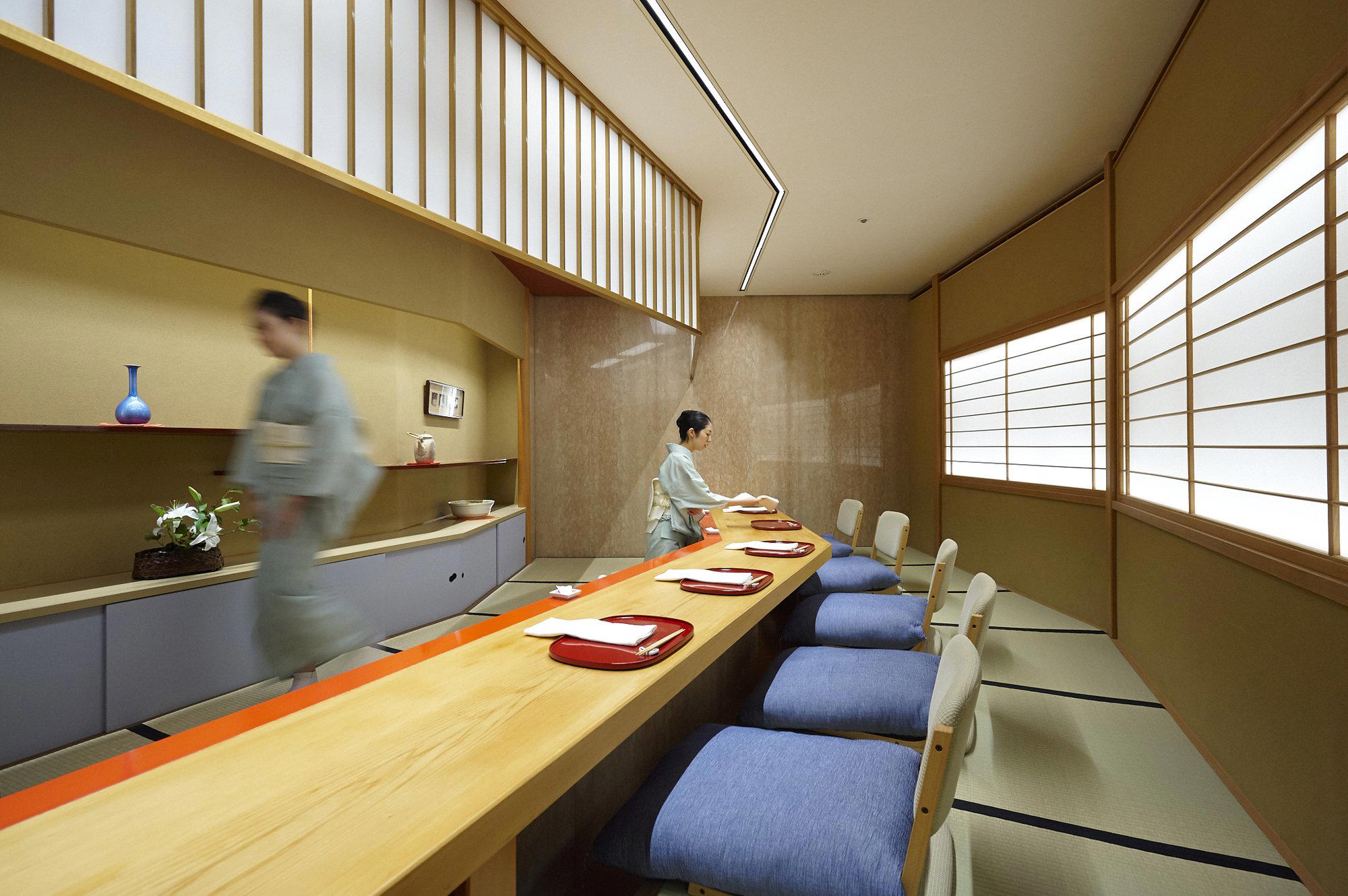
Where Okayama's Larder Meets the Table
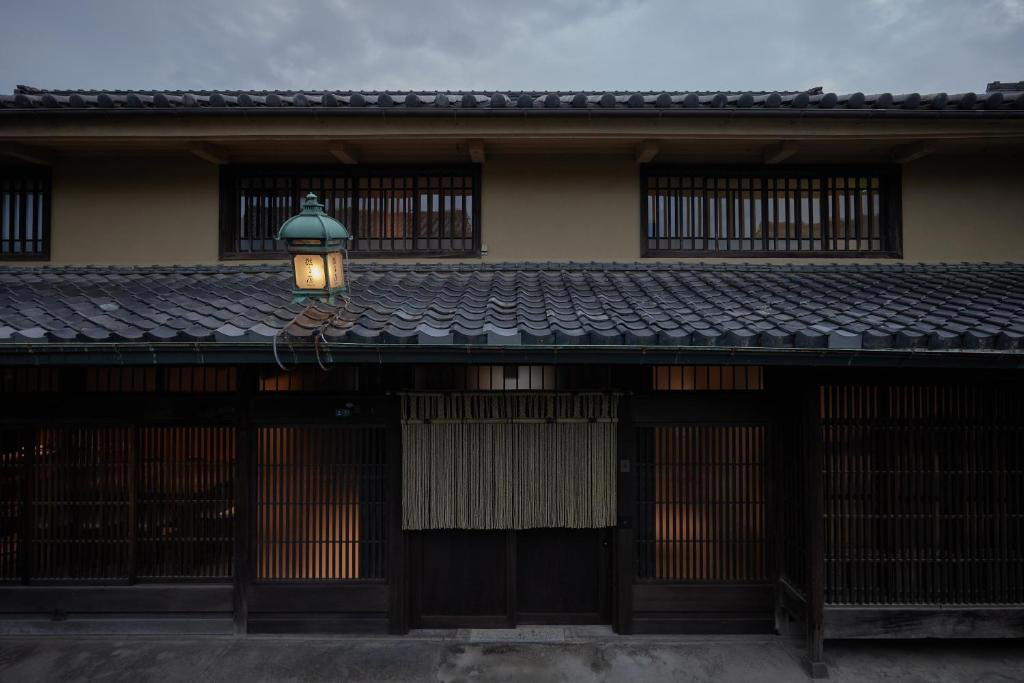
The neighbourhood of Banzancho, tucked into Okayama's Kita Ward, is not where visitors instinctively head first. The city's castle grounds and Korakuen garden pull most of the foot traffic, while this quieter residential quarter operates on a different register — one where restaurants tend to be smaller, more fixed in purpose, and more directly connected to the producers supplying them. 穿浪 sits inside that pattern, at the address 7-31 Banzancho, in a city whose raw material credentials are difficult to overstate.
Okayama's culinary identity rests on two geographic facts. The prefecture faces the Seto Inland Sea to the south, which moderates its climate into one of the sunniest in Japan and yields shellfish, flatfish, and sea bream with a regional distinctiveness that chefs from Osaka to Tokyo have sourced for decades. Simultaneously, the Kibi Plain to the west produces rice, peaches, muscat grapes, and a range of vegetables that have earned Okayama the informal designation of a producer's prefecture. A restaurant serious about ingredient sourcing in this city does not need to reach far — the surrounding land and water carry most of the work.
The Ingredient Logic of Western Honshu
Across western Honshu, the most attentive kitchens have moved toward a model that privileges traceability and seasonal compression: fewer ingredients on the plate, more accountability about where each one originated. This is a different approach from the technique-first cuisine that still dominates in Tokyo's higher tiers, venues like Harutaka in Tokyo or Gion Sasaki in Kyoto operate within traditions where craft and lineage carry as much weight as raw material provenance. In regional cities like Okayama, the balance shifts. The produce itself becomes the argument.
Venues in Okayama's quieter dining tier tend to function on this logic. The city's peer restaurants, among them Hasunomi, Waraku, and 祥鸞, collectively illustrate how a mid-sized Japanese city with strong agricultural and coastal networks can support dining rooms that would be unremarkable if relocated but feel sharply specific where they are. 松寿し and 魚正山本淳 extend that network into sushi and seafood-focused formats, completing a picture of a city that punches above its visitor profile on the strength of what surrounds it.
The broader context across Japan's regional cities matters here. Places like Goh in Fukuoka, akordu in Nara, and Abon in Ashiya have demonstrated that Michelin-level attention no longer gravitates exclusively toward the three main metropolitan hubs. Ingredient-led regional kitchens have built credible reputations precisely by refusing to mimic Tokyo's counter-culture aesthetic and instead leaning into what their particular geography offers. affetto akita in Akita, Aji Arai in Oita, and Ajidocoro in Yubari District follow the same pattern in their respective prefectures. Okayama's position within that national shift is underappreciated.
Atmosphere and Setting
Kita Ward in Okayama operates at a pace that differs from the city's commercial centre near the station. Arriving at 7-31 Banzancho, the residential character of the block signals the kind of dining that rewards deliberate seeking rather than accidental discovery. In Japan, this spatial grammar is familiar: the restaurants that matter most in any secondary city tend to occupy exactly this kind of address, not hidden by design, but simply not on the path that casual visitors walk. The absence of signage legible to outsiders is itself a form of communication about who the room is intended for.
Among Okayama's more considered dining addresses, 穿浪 occupies the lower-profile, neighbourhood-embedded tier. This positioning is consistent with how ingredient-driven Japanese restaurants in non-metropolitan cities typically operate: small rooms, fixed or semi-fixed formats, and a guest list built largely through local word of mouth rather than international reservation platforms. The atmosphere at such venues tends toward composed quietness, conversation at the table, attention directed toward what arrives from the kitchen, minimal theatrical gesture.
Planning Your Visit
Okayama is accessible from Osaka via the San'yo Shinkansen in approximately 45 minutes, and from Hiroshima in around 30, which places it within credible day-trip range of both cities for travellers with a specific dining purpose. The Banzancho address is walkable from central Okayama but sits outside the immediate tourist circuit, so arriving with the address confirmed and navigation ready is advisable. Given the sparse publicly available data on 穿浪's booking methods and hours, the practical approach is to cross-reference with our full Okayama restaurants guide for current operational details and to confirm reservations through Japanese-language channels where possible, a pattern that applies broadly to neighbourhood restaurants of this type across the country.
For visitors building a longer western Japan itinerary, combining Okayama with a meal at HAJIME in Osaka or examining the contrasting approach at Akakichi in Imabari, another Setouchi-adjacent city with its own distinct seafood identity, adds useful comparative texture. For those mapping ingredient-driven cooking further afield, Lazy Bear in San Francisco and Le Bernardin in New York City represent the international reference points against which the Japanese regional model reads very differently: more constrained in scale, more directly tied to a specific geography, less mediated by global hospitality infrastructure.
Frequently asked questions
Is 空浪 okay with children?
空浪 sits in a residential pocket of Banzancho, Kita Ward, which suggests an intimate setting oriented toward adult dining. The neighbourhood context and the kitchen's apparent focus on seasonal precision are more aligned with unhurried meals than family-casual formats. Contacting the venue directly before bringing young children is advisable, as no specific family policy is published.
What part of town is ç©æµª in?
ç©æµª is located at 7-31 Banzancho, Kita Ward, Okayama, 700-0818, Japan, Okayama.
What is the atmosphere like at 空浪?
The address at 7-31 Banzancho places 空浪 away from Okayama's commercial station district, in a quieter residential corridor of Kita Ward. That geography sets the tone: pace slows here relative to the city centre, and the setting reads as deliberately local rather than tourist-facing. Expect a room calibrated for conversation rather than spectacle.
What do people recommend at 空浪?
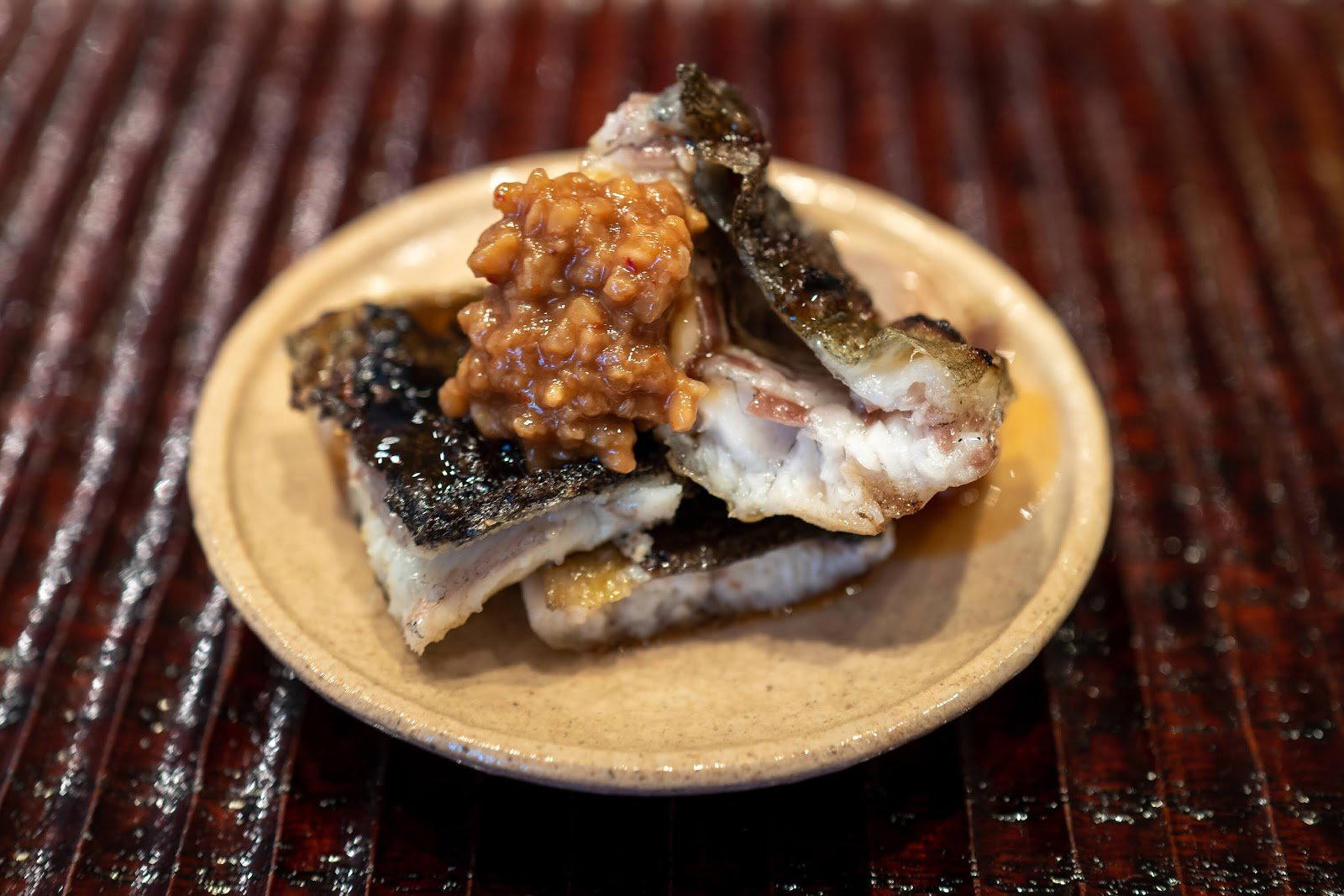
Regulars in this style of Okayama restaurant typically gravitate toward whatever reflects the week's market sourcing rather than fixed menu anchors. Asking staff on arrival for the session's focus is the most reliable approach.
How It Stacks Up
| Venue | Cuisine | Price | Awards |
|---|---|---|---|
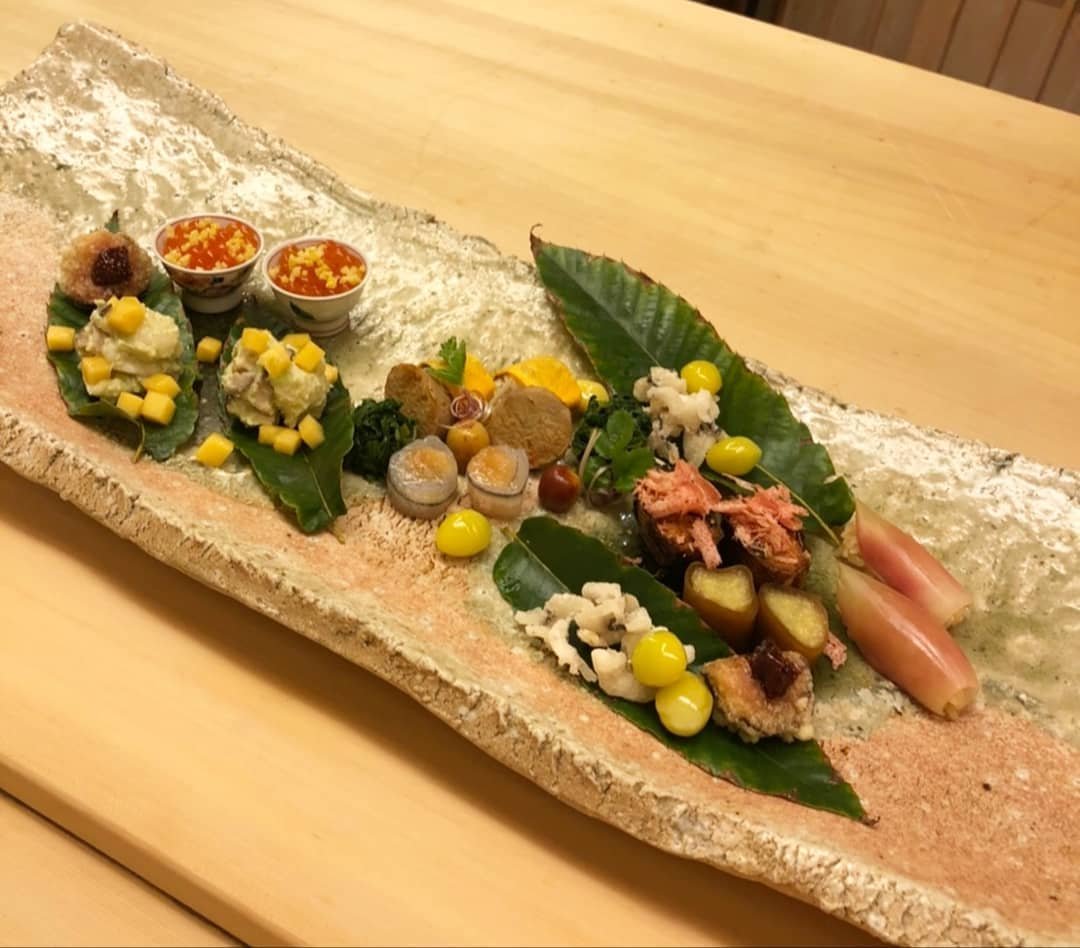
| ç©æµªThis venue (the venue you are viewing) | Traditional Japanese Kaiseki | Not listed | Not listed |
| Hasunomi | Modern Chinese | $100–150 | Tabelog Bronze #101 |
| ç¥¥é² | Traditional Japanese Crab Specialty | $50–100 | Not listed |
| 鮨 ç¸ | Traditional Okayama Kibi Dango | Not listed | Not listed |
| éæ£å±±æ¬æ·³ | Seasonal Kaiseki | $200–300 | Not listed |
| Waraku | Traditional Japanese Cuisine | Not listed | Not listed |
Continue exploring
More in Okayama
Restaurants in Okayama
All restaurants in Okayama →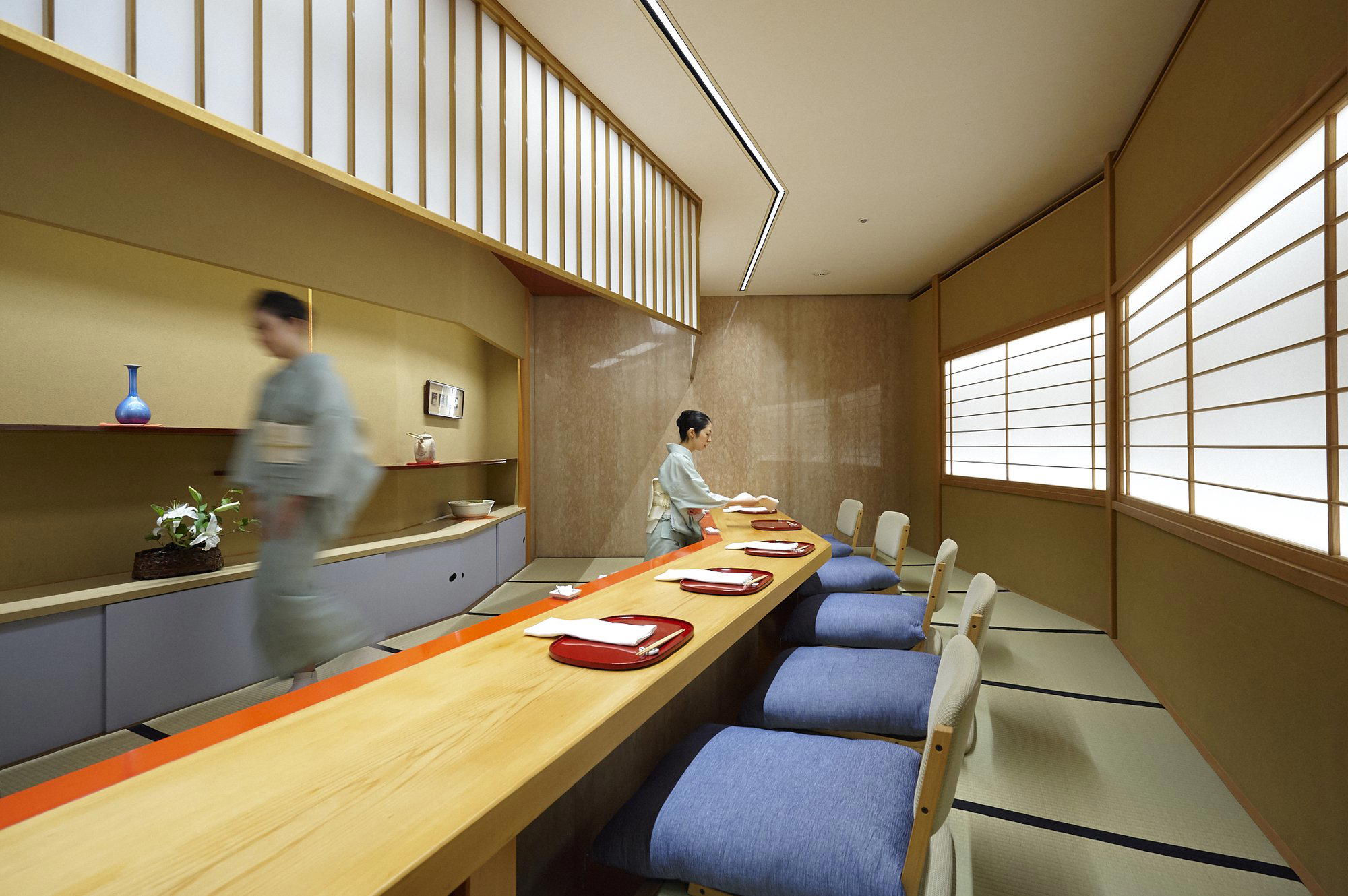
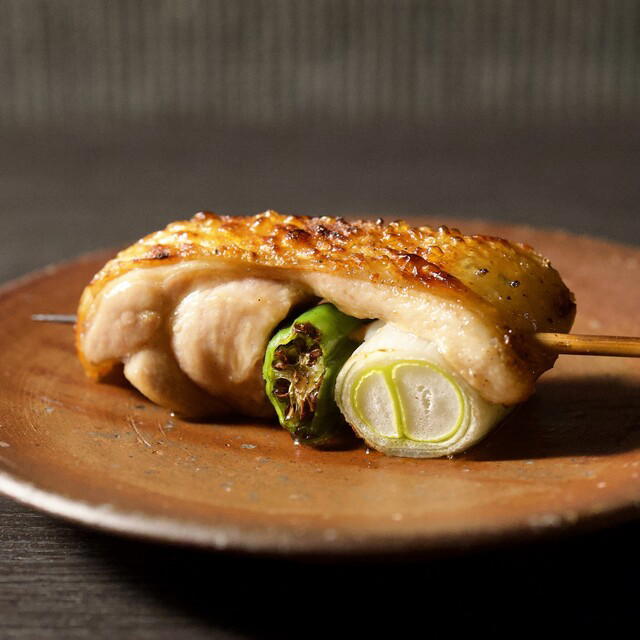
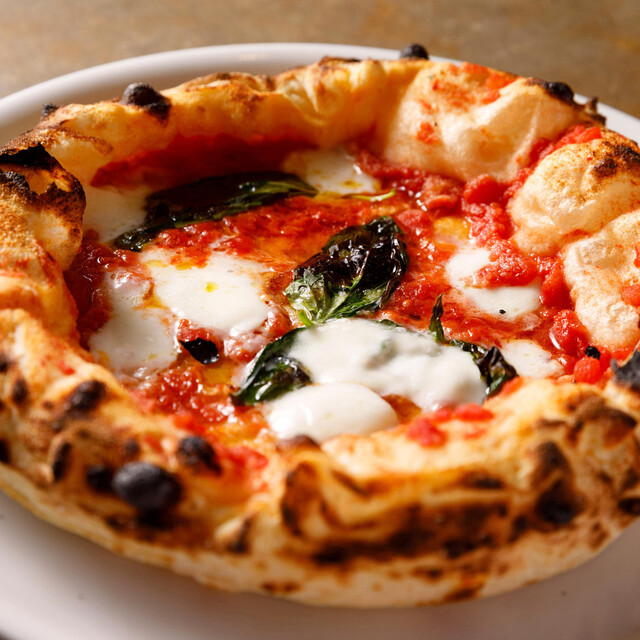
Bars in Okayama
Browse all →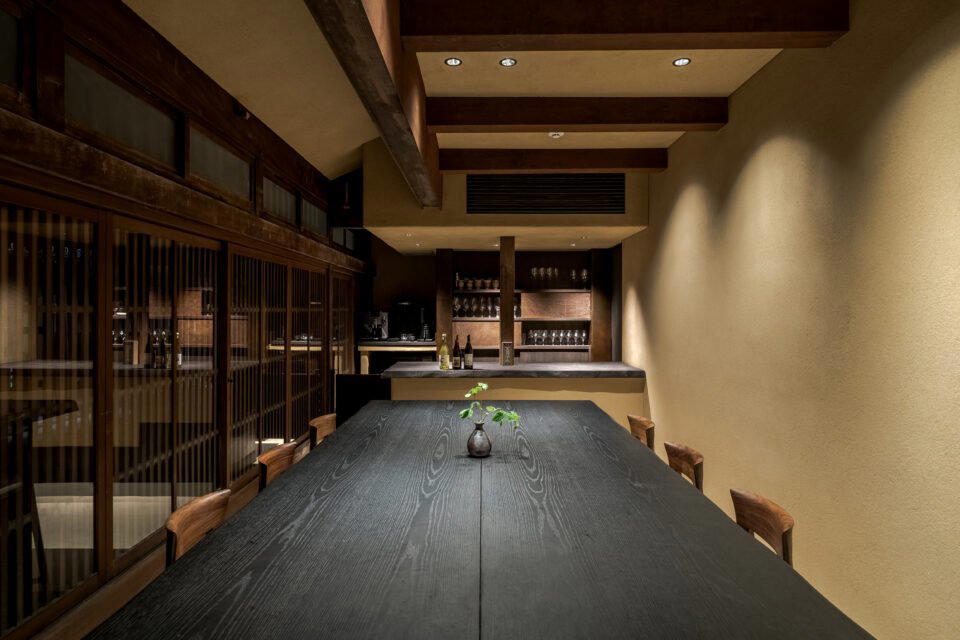
Details
- Special Occasion
- Sake Program
- Sake
Current opening hours
- Monday
- 5:30–10 PM
- Tuesday
- Closed
- Wednesday
- Closed
- Thursday
- 5:30–10 PM
- Friday
- 5:30–10 PM
- Saturday
- 5:30–10 PM
- Sunday
- 5:30–10 PM
Hours can change for holidays and private events. Last verified .
ç©æµª offers a classic Japanese dining atmosphere.