Our verdict
Waraku sits in Okayama's Omotecho district, a city whose Seto Inland Sea position gives its restaurants access to some of Japan's most distinctive seasonal produce and seafood. With sparse publicly available detail, the restaurant rewards direct enquiry and on-the-ground research, placing it among Okayama's less-publicised addresses worth tracking for serious diners passing through the San'yo corridor.

Pearl is the En Primeur Club membership app — saves, bookings, and concierge access live there. Same editors, same standards.
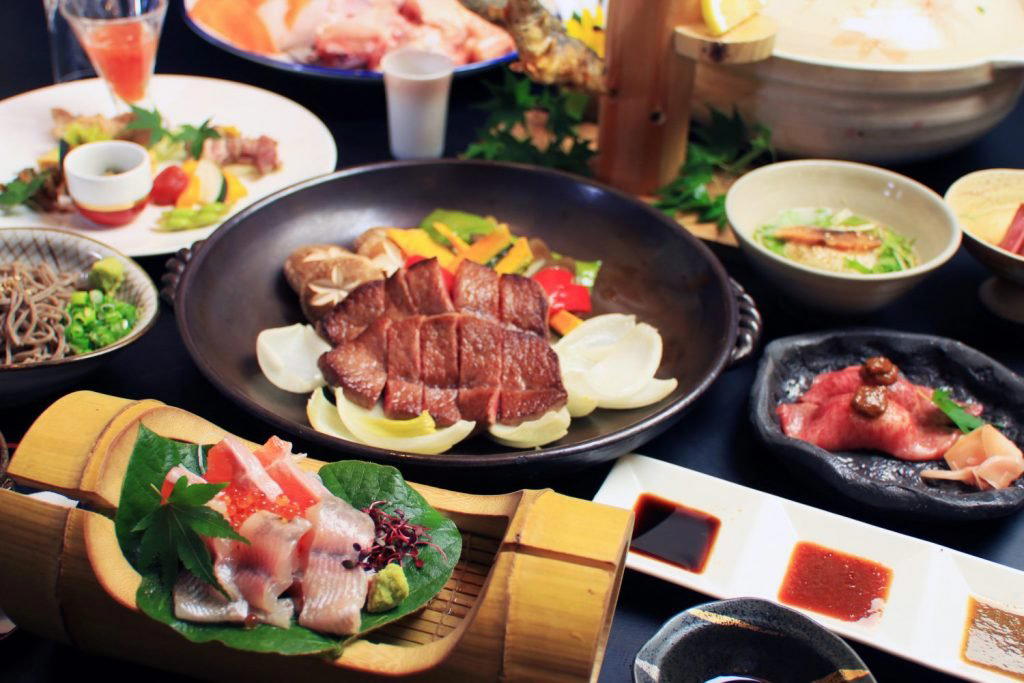
Okayama's Sourcing Advantage and What It Means at the Table
Few cities in Honshu sit at quite the same intersection of agricultural and coastal supply as Okayama. Flanked by the Seto Inland Sea to the south and the fertile plains of the Kibi Plateau inland, the prefecture produces Momotaro tomatoes that travel to high-end Tokyo kitchens, Pione grapes that anchor Okayama's reputation as Japan's premier fruit-growing region, and shallow-water seafood harvested from one of the country's most protected and biologically rich marine environments. Restaurants operating in this city do not need to reach far to build a seasonal menu with genuine provenance depth. That geographic circumstance shapes the character of Okayama dining in ways that distinguish it from the supply-chain pressures facing kitchens in Tokyo or Osaka.
Waraku occupies an address in the Omotecho area of Kita Ward, the commercial and cultural core of central Okayama, at 2 Chome-5-5 Omotecho. Omotecho has long functioned as the city's main covered shopping and dining corridor, dense with restaurants across a wide range of price points and formats. Within that context, addresses that draw a knowing local following rather than passing tourist trade tend to operate quietly, without significant English-language presence or broad online visibility. Waraku fits that pattern. The absence of a listed website, published phone number, or documented awards record in available databases places it in the category of restaurants that circulate through local recommendation rather than international press cycles.
The Seto Inland Sea as a Sourcing Framework
To understand what a serious Okayama restaurant is likely working with, it helps to map the supply geography. The Seto Inland Sea produces tai (sea bream) of particular note, along with octopus from the Akashi Strait, oysters cultivated in the calmer waters east of Hiroshima, and a rotating cast of small pelagic fish that shift with the season. Inland, the Asahi River system and surrounding agricultural plains generate vegetables and rice that differ meaningfully from the standardised produce arriving at larger urban wholesale markets. In prefectures like Okayama, the gap between a kitchen sourcing locally and one drawing from national distribution networks is not marginal — it shows in the plate.
This is the sourcing context that frames any serious dining decision in Okayama. The restaurants in the city that matter, whether known internationally or only to returning visitors and local professionals, tend to be the ones anchored in this supply geography rather than working against it. Among Okayama addresses worth cross-referencing for visitors assembling a serious dining itinerary, Hasunomi, 松寿し, 祥雲, 空浪, and 魚正山本淳 each represent different points on that spectrum, from sushi formats rooted in local catch to washoku expressions built around seasonal produce cycles.
Omotecho as a Dining District
Omotecho's covered arcade runs through the centre of Okayama city and connects to the broader Shiroshita and Ekimae zones, making it one of the most pedestrian-accessible dining corridors in the San'yo region. The district is not a refined dining enclave in the way Gion in Kyoto or Minami in Osaka functions; it is a working commercial street that happens to contain restaurants worth finding alongside everyday retail and casual food. That mix is part of what makes addresses like Waraku less visible to itinerary-focused visitors: they do not present themselves as destination restaurants in any obvious architectural or digital sense.
For visitors arriving from outside the region, Okayama sits on the Sanyo Shinkansen line between Hiroshima and Kobe, with Osaka approximately 45 minutes away by Nozomi service. The city is also the gateway to Naoshima and the Seto Inland Sea island art circuit, which brings a design-attentive international visitor to the area who may not yet be tracking Okayama's restaurant scene with the same attention. That gap between the quality of what is available and the international visibility of Okayama dining is likely to close as the island art infrastructure continues to generate press. Visiting now, before that shift consolidates, gives diners access to a scene that has not yet priced or positioned itself for external attention.
Situating Waraku in a National Context
Japan's regional restaurant culture has deepened considerably over the past decade. The concentration of serious dining in Tokyo and Kyoto that defined the early Michelin years has given way to a more distributed picture, with kitchens in Fukuoka, Kanazawa, Nara, and Sapporo drawing visitors who previously would not have included those cities on a food-focused itinerary. Goh in Fukuoka, akordu in Nara, and Gion Sasaki in Kyoto each sit in that wider regional ecosystem, as do destinations further north like 古仁山乃 in Sapporo and specialist addresses like 一本木石川製 in Nanao. Okayama belongs in that conversation and Waraku, for visitors willing to invest in the research required to engage with a restaurant that has no English-language digital footprint, may represent exactly the kind of address that makes regional Japan dining rewarding.
The comparison with celebrated urban counters is instructive. At Harutaka in Tokyo or HAJIME in Osaka, the sourcing networks are broad and the supply chains sophisticated, but the competitive pressure of those cities means the dining experience is framed in part by that context. Regional addresses in cities like Okayama operate outside that pressure and can anchor their menus in local supply without needing to signal cosmopolitan credentials. It is a different mode of cooking and a different mode of eating.
Planning a Visit
Restaurants in the Omotecho area that operate primarily for a local clientele often have limited English-language capacity at the front of house, and some degree of language preparation or assistance is advisable. Visiting Okayama as part of a broader San'yo or Setouchi itinerary makes the most logistical sense; the city pairs naturally with a day trip to Naoshima or an onward connection to Hiroshima. For a fuller picture of where Waraku sits within the wider dining options available in the city, see our full Okayama restaurants guide.
Frequently asked questions
What's the address for Waraku?
Waraku is located at 2 Chome-5-5 Omotecho, Kita Ward, Okayama, 700-0822, Japan, Okayama.
How does Waraku's location in Omotecho compare to other Okayama dining districts?
Waraku sits at 2 Chome-5-5 Omotecho in Kita Ward, inside the covered arcade that connects Okayama's central commercial and dining zones. Omotecho functions as one of the city's highest-footfall dining corridors, linking the Shiroshita and Ekimae areas, which means the surrounding competitive set is denser than in outer Okayama neighbourhoods. For visitors, the address is practical: walkable from the main station cluster and well-positioned for a broader evening in the city.
What's the signature dish at Waraku?
Given Okayama's position on the Seto Inland Sea, restaurants in this district frequently work with tai (sea bream) and locally cultivated produce from the surrounding Honshu farmland.
What's the best way to book Waraku?
The most practical route is to ask your Okayama hotel concierge to call ahead on your behalf, which is standard practice for smaller Japanese restaurants at this address in Kita Ward.
What's the defining dish or idea at Waraku?
What the Omotecho location does signal is proximity to Okayama's central supply network, where serious restaurants draw on both Seto Inland Sea seafood and the prefecture's agricultural output. The kitchen's actual focus would need to be confirmed directly.
Is Waraku good for vegetarians?
Traditional Japanese restaurants in Okayama often structure menus around seafood and dashi-based broths, which can limit strictly vegetarian options. It's worth asking specifically when booking through a concierge, as many Japanese kitchens will accommodate dietary requirements with advance notice.
Is Waraku worth it?
What the location does offer is a foothold in one of Okayama city's most accessible and established dining corridors, with Seto Inland Sea supply geography that has driven serious regional cooking across Honshu over the past decade.
Fast Comparison
Comparable venues nearby, for context on price, style, and recognition.
| Venue | Cuisine | Price | Awards | Notes |
|---|---|---|---|---|
| WarakuThis venue (the venue you are viewing) | Traditional Japanese Cuisine | Not listed | Not listed | Not listed |
| 松寿司 | Japanese Restaurant | Not listed | Not listed | Okayama |
| Sakaiya Honten | Traditional Japanese Izakaya & Robatayaki | $20–30 | Tabelog 100 #81 | Nishigawa Ryokudo Koen / Okayama Ekimae |
| Shikisai Teppan Kusano | Seasonal Japanese Teppanyaki | $50–100 | Tabelog 100 #28 | Kita-ku |
| Teppan Cuisine Nagao | Modern Teppanyaki & Wine in Okayama | $100–150 | Tabelog 100 #48 | Marunouchi |
| Ichome | Yakitori (Grilled Chicken Skewers) | $20–30 | Tabelog 100 #69 | Okayama |
Continue exploring
More in Okayama
Restaurants in Okayama
All restaurants in Okayama →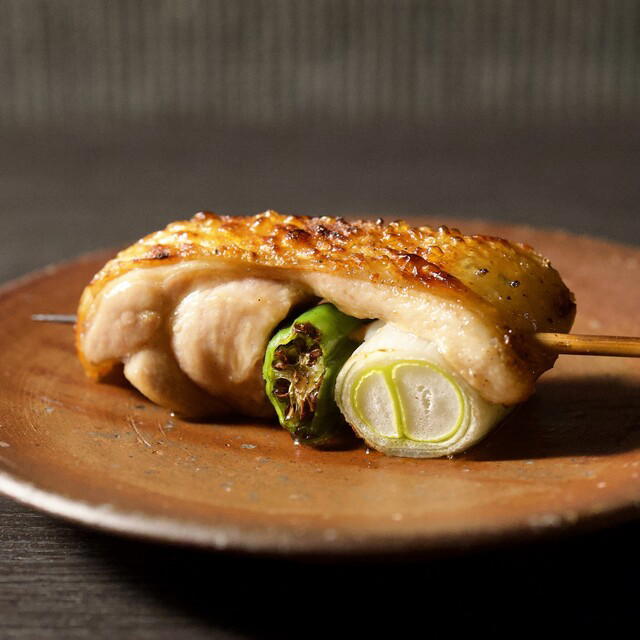
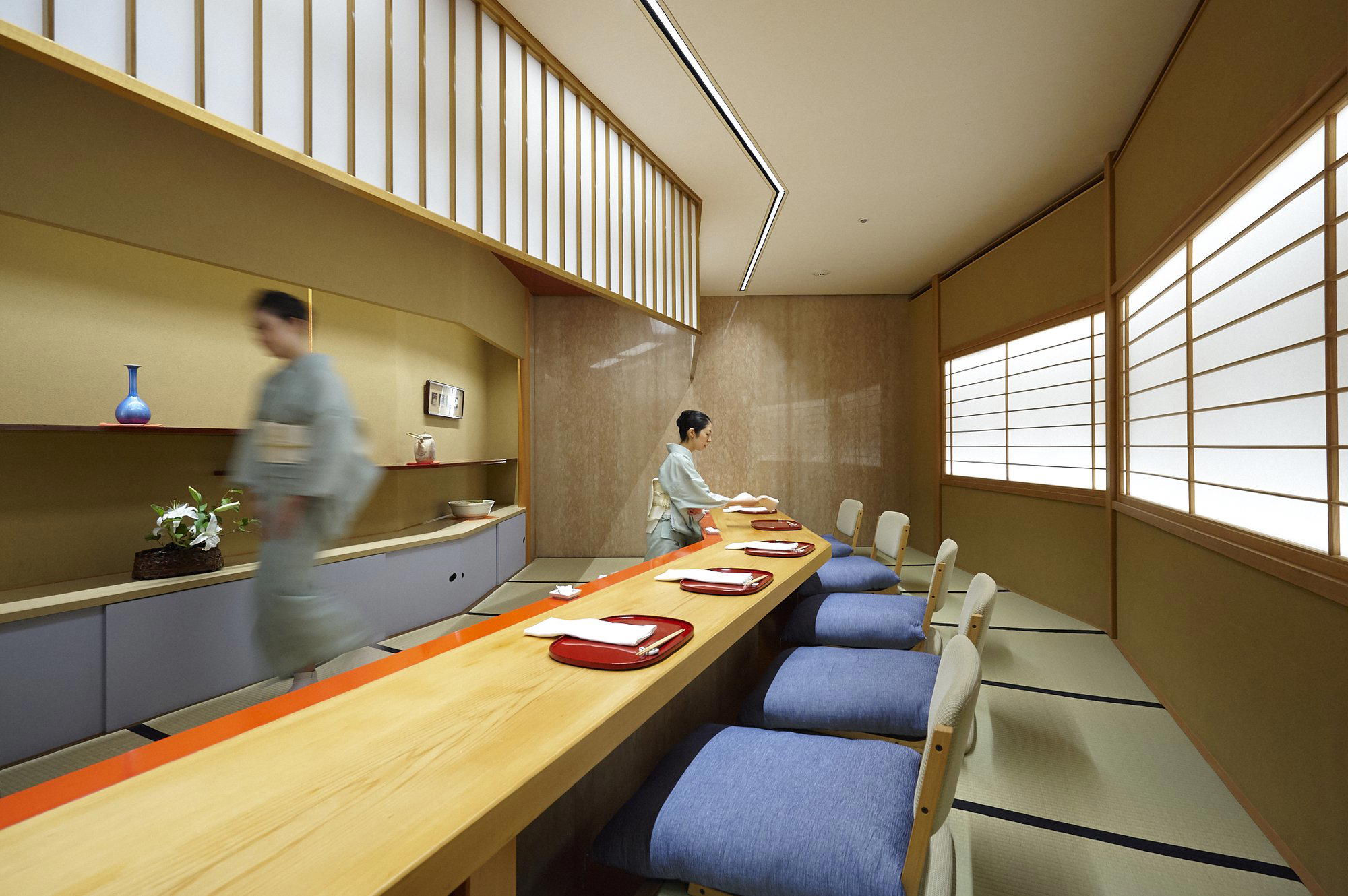
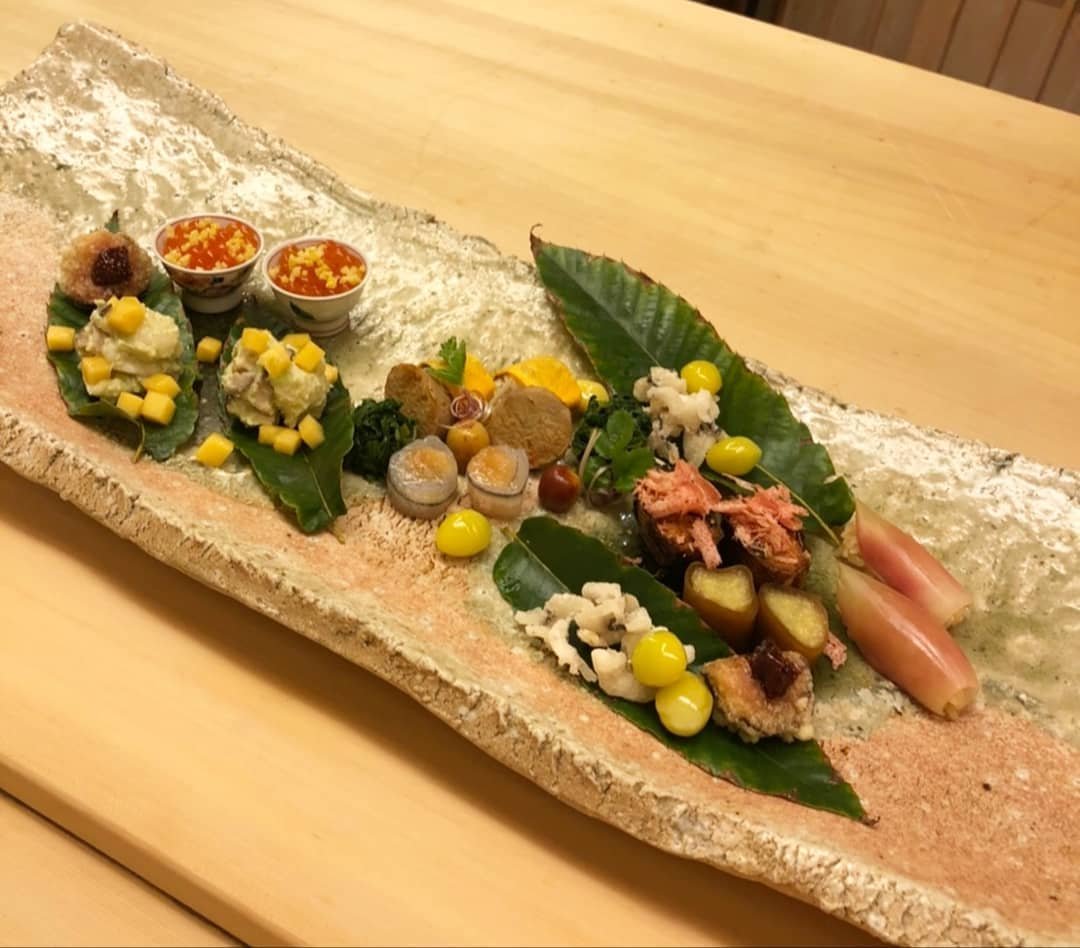

Bars in Okayama
Browse all →
Details
- Casual
- Classic
- Casual Hangout
- After Work
- Standalone
- Local Sourcing
- A La Carte
Current opening hours
- Monday
- 11:30 AM–2 PM, 5–10 PM
- Tuesday
- 11:30 AM–2 PM, 5–10 PM
- Wednesday
- 11:30 AM–2 PM, 5–10 PM
- Thursday
- 11:30 AM–2 PM, 5–10 PM
- Friday
- 11:30 AM–2 PM, 5–10 PM
- Saturday
- 11:30 AM–2 PM, 5–10 PM
- Sunday
- Closed
Hours can change for holidays and private events. Last verified .
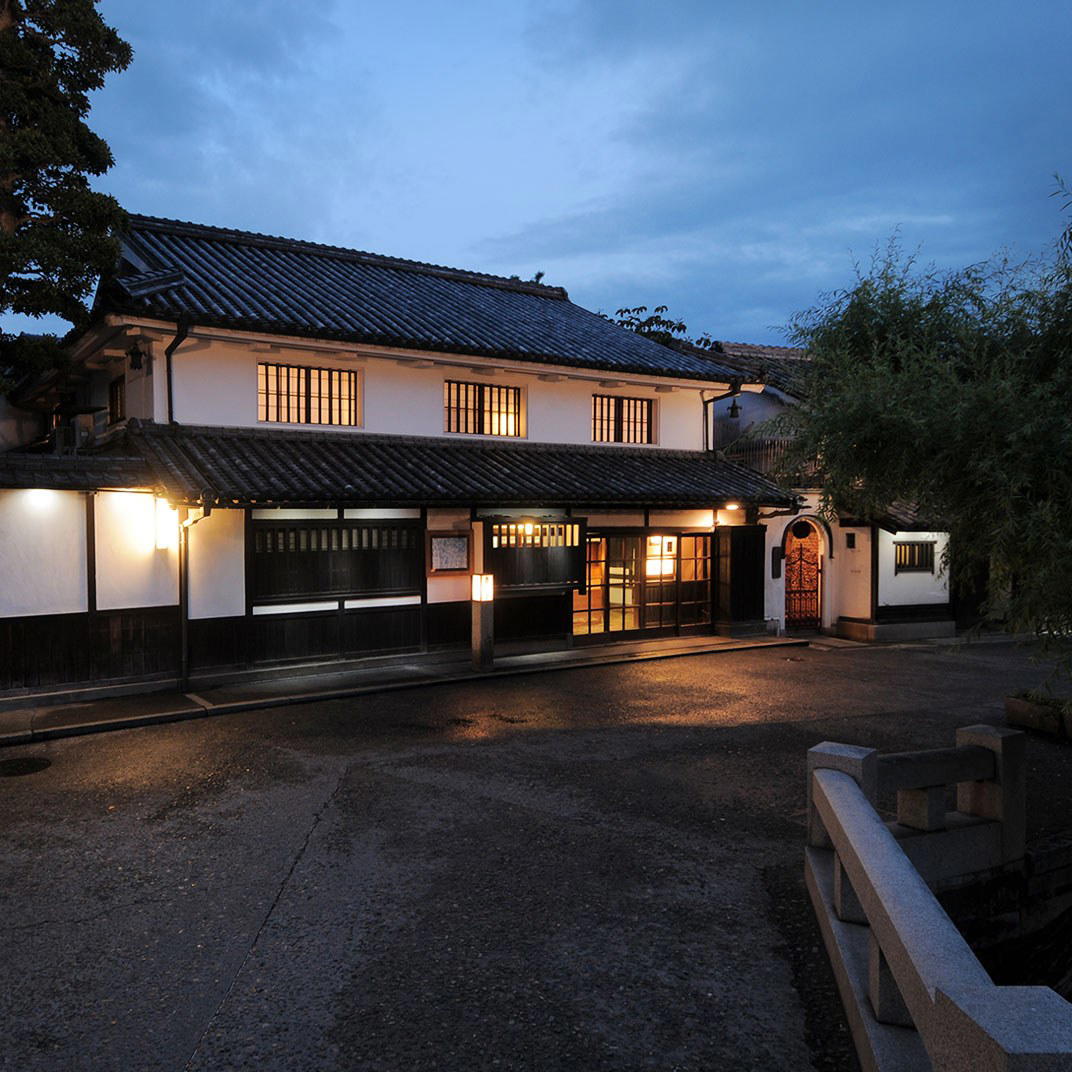
Casual, welcoming atmosphere typical of a neighborhood Japanese restaurant with traditional decor.