Our verdict
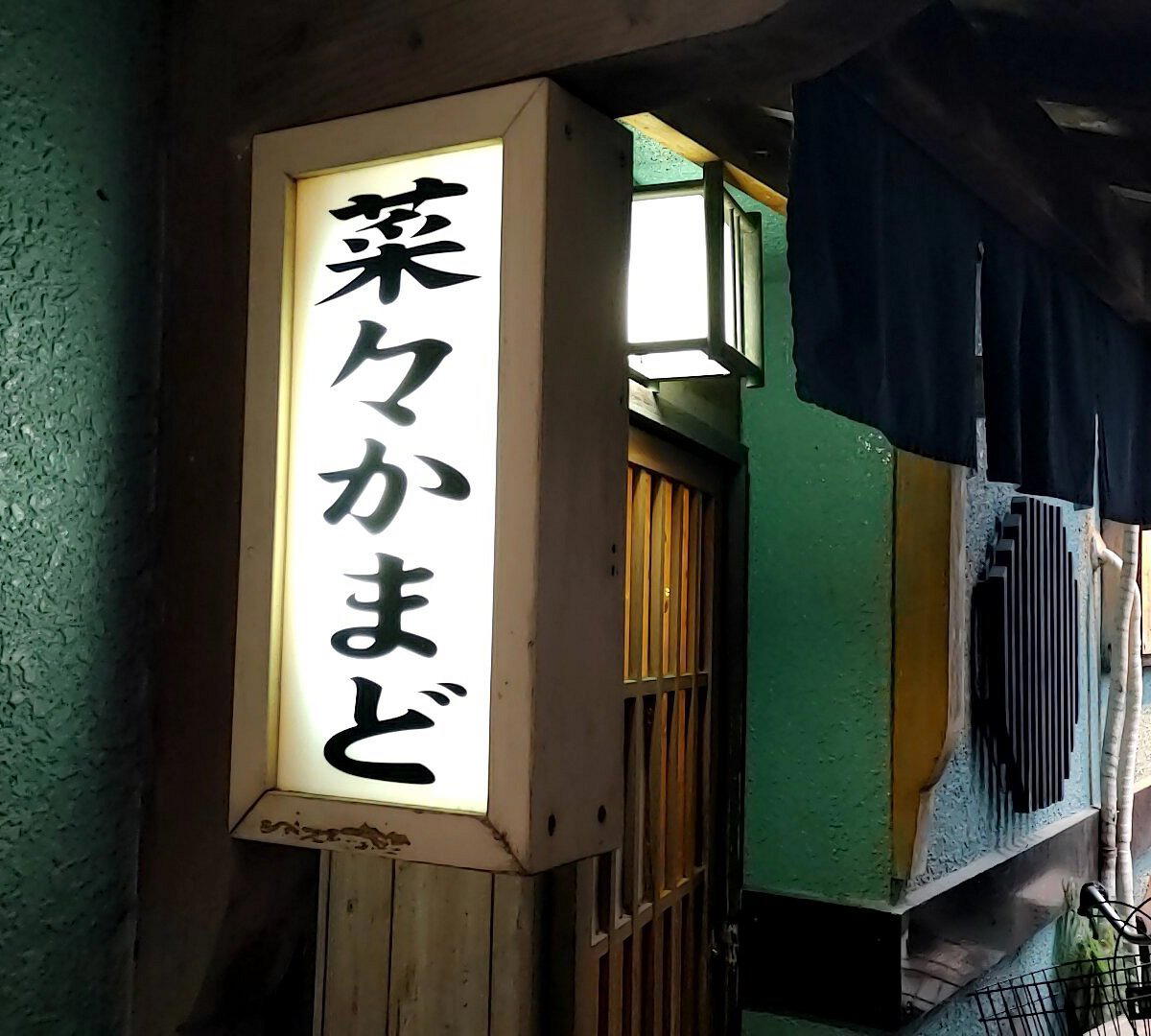
Nana Kamado sits within Kagoshima's compact but serious dining scene, drawing on the prefecture's deep food traditions — Berkshire-strain kurobuta pork, Satsuma-age fish cakes, and shochu culture that runs centuries deep. The restaurant's name references the kamado, the clay cooking hearth at the centre of southern Japanese culinary identity. A considered choice for travellers moving through Kyushu's southernmost city.

Pearl is the En Primeur Club membership app — saves, bookings, and concierge access live there. Same editors, same standards.
- Address
- Kagoshima, Japan
- Directions
- Get directions
The menu
What to order
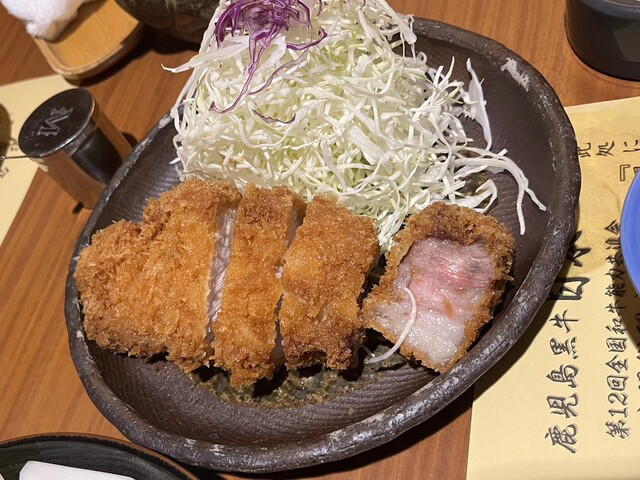
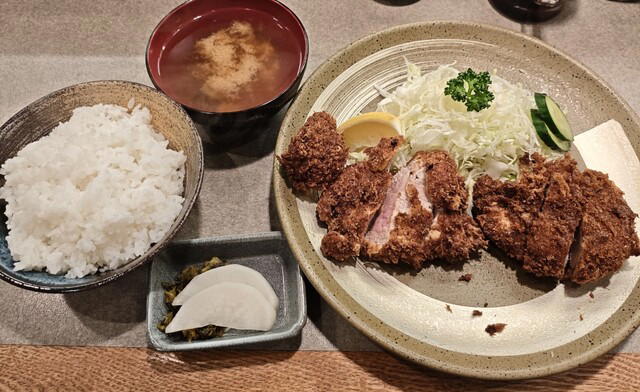
- Kagoshima Black Pork
- Sakura Shrimp Tempura
- Charcoal Grilled Fish
Where Southern Japanese Cooking Takes Its Deepest Roots
Kagoshima occupies a particular position in Japanese food culture that visitors from Tokyo or Osaka often underestimate. The city faces the East China Sea and sits closer to Shanghai than to Hokkaido, a geography that shaped centuries of trade, agricultural practice, and culinary habit. Its cooking traditions are distinct from the refined kaiseki of Kyoto or the seafood-driven counter culture of Tokyo's premium sushi districts. Kagoshima is the home of kurobuta, the Berkshire-strain pig that has become one of Japan's most referenced pork breeds; of Satsuma-age, the fried fish cake that appears on tables across the prefecture; and of a shochu tradition so embedded in daily life that the prefecture produces more of it than any other region in the country. Any serious restaurant operating here either positions itself within those traditions or argues credibly against them.
Nana Kamado takes its name from the kamado, the clay cooking hearth that defined domestic and professional kitchens across southern Japan for generations before gas and induction replaced it in most contexts. The kamado is not merely a cooking tool in this region's cultural imagination — it is a recurring symbol of patience, heat management, and the kind of slow, attentive cooking that cannot be rushed. Naming a restaurant after it is a statement of culinary positioning, one that places the kitchen in conversation with a tradition of fire-led cooking that predates industrialised food production in Kyushu by several centuries.
Kagoshima's Restaurant Scene and Where Nana Kamado Sits Within It
Kagoshima's dining scene is smaller in scale than Fukuoka or Osaka but punches at a level that consistently surprises visitors expecting a provincial experience. The city holds serious restaurants across several formats — the yakitori tradition represented by counters like KAI, the kaiseki-adjacent heritage dining of Kumasotei, the precision sushi work at Meizan Kimiya, and the ryokan-adjacent dining at Myoken Ishiharaso Shokusai Ishikura. SENTI.U represents the city's engagement with a more contemporary fine-dining idiom. This is a city where different culinary registers coexist without much overlap, and where a restaurant's conceptual identity tends to be clearly signalled from the outset.
Within that scene, Nana Kamado occupies the territory that references southern Japanese hearth cooking as its primary frame. That is a more specific position than simply serving regional cuisine. Hearth-cooking restaurants in Japan have gained considerable critical attention over the past decade, partly in response to the global conversation around live-fire and wood-fired cooking, and partly because they answer a nostalgia for pre-industrial technique that resonates with a Japanese dining public increasingly interested in roots. Restaurants working in this register, whether in Kyoto's kaiseki world, in Fukuoka's izakaya sphere at places like Goh, or in the more rarefied omakase tier represented by venues like Gion Sasaki in Kyoto and Harutaka in Tokyo, tend to share a vocabulary of restraint, seasonal alignment, and technique that is as much about temperature and timing as about flavour construction.
The Cultural Logic of Fire in Southern Japanese Cuisine
Understanding why the kamado remains a meaningful reference point in Kagoshima requires some sense of the prefecture's agricultural and culinary history. Satsuma Domain, the feudal territory that roughly corresponds to modern Kagoshima Prefecture, maintained a degree of cultural and culinary independence from the central Japanese government for much of its history. That independence produced distinct food customs: the heavy use of sweet potato (a crop the domain championed partly as famine insurance), a strong tradition of preserved and fermented foods, and a protein culture centred on pork rather than beef or fish in the way that coastal cities further north developed. Shochu, distilled from sweet potato in Kagoshima, is as fundamental to the prefecture's identity as sake is to Niigata or whisky is to Yamazaki.
Within this context, the kamado represents continuity. It is the form of heat that cooked the kurobuta, that rendered the fish pastes for Satsuma-age, that drove the fermentation processes underlying Kagoshima's preserved food tradition. A restaurant that frames itself around this symbol is making a claim about culinary inheritance, one that has real meaning in a city where food traditions have remained more continuous than in larger urban centres exposed to greater outside influence. Travellers who have experienced the refined abstraction of kaiseki at HAJIME in Osaka or the French-Japanese intersection at akordu in Nara will find Kagoshima's most traditional restaurants operating in a register that is less about conceptual novelty and more about depth within a specific regional lineage.
Planning a Visit
Kagoshima is accessible by Shinkansen from Fukuoka (approximately 1 hour 20 minutes) and from Osaka (approximately 3 hours 40 minutes on the Sakura or Mizuho services), making it a viable extension of a Kyushu itinerary rather than a standalone destination requiring significant travel investment. The city's dining scene is concentrated enough that a two to three night stay covers its serious restaurants comfortably. In Kagoshima's more considered dining tier, advance booking is generally advisable, particularly during spring cherry blossom periods (late March to early April) and the Ohara Matsuri festival in November, both of which increase visitor numbers significantly.
For a broader sense of where Nana Kamado sits among the city's options, our full Kagoshima restaurants guide maps the scene across price points and cuisine types. Travellers comparing regional Japanese dining at the premium end will also find useful reference points in our coverage of Nanao, Sapporo, Takashima, and Nishikawa Machi, cities where regional culinary identity shapes the dining offer in comparable ways. For those approaching Nana Kamado from a protein-focused cooking perspective, Birdland in Sakai offers a useful comparison point in the yakitori-adjacent fire-cooking tradition, while internationally, Le Bernardin in New York City and Atomix in New York City represent the kind of sustained critical recognition that defines the upper tier of the global fine-dining conversation Kagoshima's leading restaurants are increasingly part of.
Frequently asked questions
Is Nana Kamado a family-friendly restaurant?
Kagoshima's dining culture tends toward the convivial and unhurried, and venues referencing the kamado tradition typically reflect that communal spirit.
Is Nana Kamado better for a quiet night or a lively one?
The kamado reference in the name points toward a hearth-centred, grounded style of cooking rather than a high-energy bar-kitchen format. Kagoshima's restaurant scene generally favours depth over spectacle, which suggests an atmosphere suited to focused eating and conversation rather than a late-night crowd.
How does Nana Kamado's cooking connect to Kagoshima's agricultural identity?
The kamado, a traditional clay or cast-iron hearth, has been central to Kagoshima's rural cooking culture for centuries, shaping how the prefecture treats ingredients like kurobuta pork, kurobuta satsuma chicken, and locally harvested vegetables. A restaurant built around that reference in Kagoshima city is drawing on a culinary lineage that predates the region's modern restaurant scene. It positions the venue within a growing conversation about southern Japanese ingredient culture rather than metropolitan fine-dining conventions.
What's the best thing to order at Nana Kamado?
Given the venue's kamado framing and Kagoshima's well-documented strengths in kurobuta pork and locally grown sweet potato, dishes that centre on those regional ingredients would be the logical starting point for a first visit.
Is Nana Kamado reservation-only?
Smaller Kagoshima restaurants that draw on traditional cooking methods often have limited covers, making advance reservations a sensible precaution, especially on weekends or during the city's peak travel months.
What do critics highlight about Nana Kamado?
The venue's positioning within Kagoshima's food scene, a city whose cuisine is increasingly recognised across Kyushu for its regional specificity, is itself a meaningful context for the cooking.
Pricing, Compared
Comparable venues nearby, for context on price, style, and recognition.
| Venue | Cuisine | Price | Awards | Notes |
|---|---|---|---|---|
| Nana KamadoThis venue — the venue you are viewing | Authentic Japanese Cuisine | $30–50 | Not listed | Not listed |
| Toriya Yamaguchi | Japanese Yakitori & Chicken Cuisine | $100–150 | Tabelog 100 #46 | Kagoshima Chuo, Japanese Yakitori & Chicken Cuisine |
| Tonkatsu to, Shabushabu. Kurobuta Fukuya | Kagoshima Kurobuta Tonkatsu & Shabu-shabu | $30–50 | Tabelog 100 #45 | Tenmonkan, Kagoshima Kurobuta Tonkatsu & Shabu-shabu |
| Akadori Sumiyaki Daiyasu | Japanese Izakaya / Chicken Dishes | $30–50 | Tabelog 100 #27 | Takamibaba, Japanese Izakaya / Chicken Dishes |
| Sushisho Nomura | Kagoshima-Style Omakase Sushi | $30–50 | Tabelog Silver #132 | Matsubaracho, Kagoshima-Style Omakase Sushi |
| Maruman Ganso Yakitori | Traditional Kagoshima Yakitori (Satsuma Chicken) | $30–50 | Tabelog 100 #71 | Tenmonkan / Tenmonkandori, Traditional Kagoshima Yakitori (Satsuma Chicken) |
Continue exploring
More in Kagoshima
Restaurants in Kagoshima
Browse all →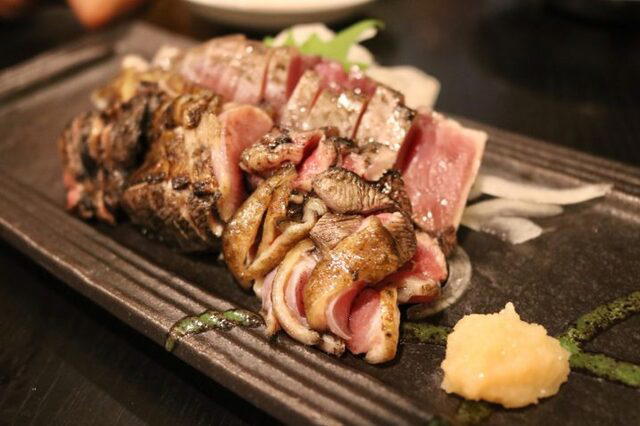
Hotels in Kagoshima
Browse all →
Wineries in Kagoshima
Browse all →
Details
- Classic
- Cozy
- Date Night
- Special Occasion
- Business Dinner
- Open Kitchen
- Sake Program
- Local Sourcing
- A La Carte
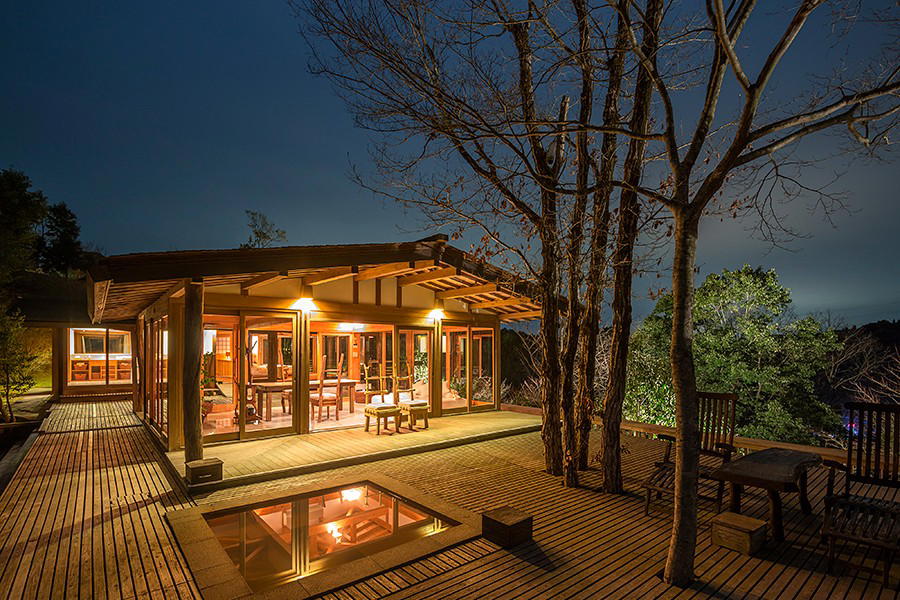
Inviting atmosphere highlighting authentic Japanese culinary traditions.