Our verdict
ル・レストラン シンジ コガ occupies a ground-floor address in Sakae, Nagoya's commercial and cultural centre, where French technique meets the precision expectations of Japan's regional fine-dining circuit. The restaurant sits within a competitive bracket of Nagoya venues that treat European culinary grammar as seriously as any Tokyo counterpart. For travellers cross-referencing Japan's broader fine-dining map, it warrants placement alongside the country's most considered French-inflected tables.

Pearl is the En Primeur Club membership app — saves, bookings, and concierge access live there. Same editors, same standards.
- Address
- Japan, 〒460-0008 Aichi, Nagoya, Naka Ward, Sakae, 2 Chome−4−18 岡谷鋼機ビルディング 1F
- Phone
- +81522657705
- Hours
- Mon ClosedTue–Sun 12–1:30 PM, 6–8:30 PM
- Website
- yoyaku.tabelog.com
- Directions
- Get directions
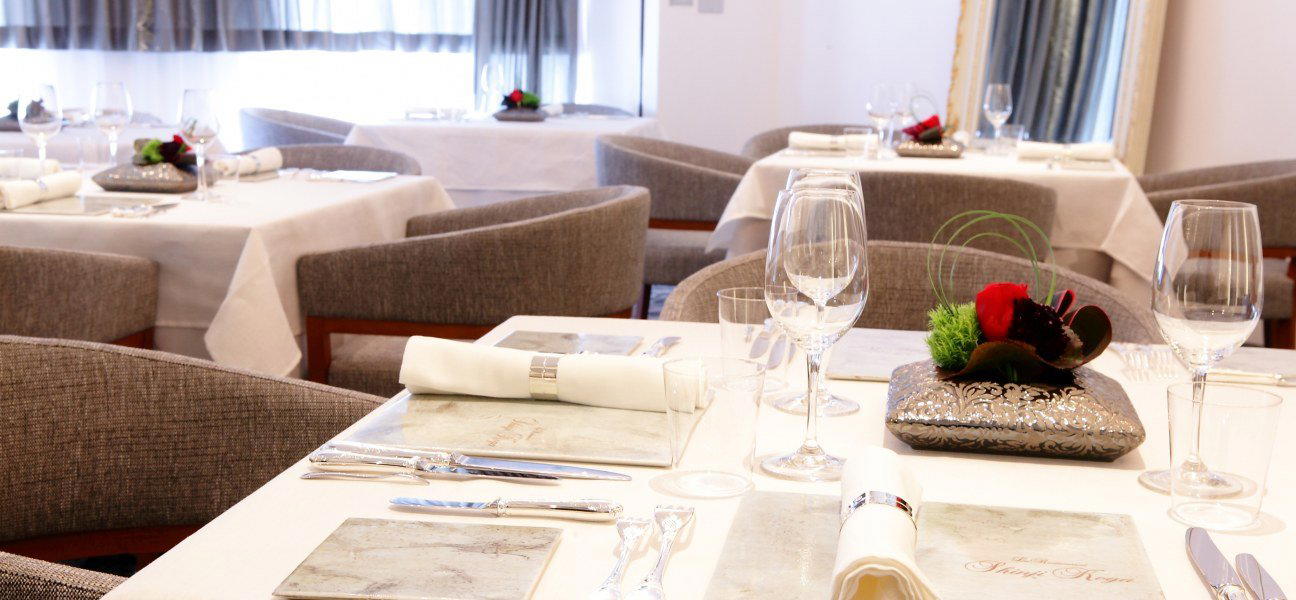
Sakae After Dark: The Room Before the Meal
Nagoya's Sakae district has a particular rhythm at the dinner hour. The commercial towers that define the neighbourhood by day recede behind lit storefronts and restaurant signage, and the pedestrian energy shifts from purposeful to anticipatory. It is in this context that ル・レストラン シンジ コガ occupies a ground-floor position within the Okaya Kouki Building on Sakae 2-chome, a low-key address that signals something worth seeking rather than something built to be found easily. In a city that has historically underplayed its fine-dining credentials relative to Osaka, Kyoto, or Tokyo, the restraint of the setting is almost a statement of intent.
The architecture of French restaurant dining in Japan follows a consistent logic: the entrance creates a threshold between the noise of the city and the controlled atmosphere within, and everything from the lighting temperature to the distance between tables communicates the seriousness of what follows. Nagoya's leading French tables work within this tradition, and ル・レストラン シンジ コガ positions itself within that tier of the city's restaurant culture, where the room itself is part of the editorial.
Nagoya in the Context of Japan's French Dining Circuit
To understand where ル・レストラン シンジ コガ sits, it helps to map the broader pattern. Japan's French fine-dining circuit is not merely a Tokyo phenomenon. Osaka has HAJIME, which operates at the outermost edge of contemporary French precision. Kyoto carries Gion Sasaki as a reference point for how Japanese seasonal philosophy can inflect European form. Nara has produced akordu, which draws on Spanish and European techniques in a smaller-city context. Fukuoka has Goh. These are not outliers; they represent a pattern of regional cities in Japan sustaining serious, technically disciplined European restaurants far from the capital's concentration of critical attention.
Nagoya fits this pattern imperfectly, which is part of what makes it interesting. The city's food identity is dominated by its own highly specific regional cuisine: miso katsu, hitsumabushi, kishimen. The presence of Atsuta Horaiken as a long-standing institutional anchor for hitsumabushi underscores how strongly the city's culinary identity is rooted in local tradition. Against that backdrop, a French restaurant operating at the level of ル・レストラン シンジ コガ is working in a different register entirely, appealing to a Nagoya diner who crosses between those worlds fluently.
The city's Italian contingent is also notable. Bacio, Cucina Italiana Gallura, and cucina Wada each occupy parts of the European fine-dining bracket in Nagoya, and the presence of Chez Kobe adds further texture. ル・レストラン シンジ コガ operates within this peer group, in a city that has more serious European dining than its reputation typically suggests.
The Sensory Logic of French Fine Dining in Japan
There is a specific sensory register that Japan's leading French restaurants have developed over decades: a quietness that European equivalents often lack, a precision in service timing that removes friction without creating distance, and a relationship with seasonal Japanese ingredients that enriches the French framework rather than diluting it. The leading kitchens in this tradition do not announce themselves through elaborate theatrics. The signals are subtler: the temperature at which a dish arrives, the weight of the cutlery, the moment a server moves toward a table before the diner has signalled a need.
This approach connects to a broader Japanese hospitality philosophy that operates across every service tier in the country, from the counter-seat sushi bars that Tokyo visitors obsess over, as at Harutaka, to the kind of formal French room that ル・レストラン シンジ コガ represents. The physical environment in a restaurant operating at this level in Japan is never incidental. The choice of glassware, the acoustics of the room, the transition between courses: these are understood as part of the meal itself, not backdrop to it.
This is also why the address matters. A ground-floor room in a mid-century commercial building in central Sakae is a deliberate kind of understatement. It asks diners to arrive with prior knowledge rather than walk in on impulse. In Japan's fine-dining ecosystem, that distinction between the informed and the uninitiated is woven into the dining experience from the first moment of approach.
Placing ル・レストラン シンジ コガ in a Wider Japan Map
For travellers building a serious Japan itinerary around the country's French and European tables, the regional picture extends well beyond the major cities. Unusual, serious restaurants appear in places that don't register on most itineraries. The kaiseki tradition at venues like restaurants in Nanao and the dining culture developing around properties in Takashima and Nishikawa Machi suggest that Japan's serious dining is distributed in ways that resist simple capital-city logic. Sapporo's own scene, anchored by venues including several notable addresses, and the yakitori tradition at places like Birdland in Sakai extend the map further. Nagoya's position in this network is underappreciated.
For international travellers whose reference points include French-technique restaurants at the level of Le Bernardin in New York City or the modern Korean fine dining of Atomix, the expectation brought to a restaurant like ル・レストラン シンジ コガ will be calibrated accordingly. What Japan's regional French circuit offers that differs from either of those references is a particular quietness of execution, a commitment to the meal as a self-contained atmosphere rather than a performance for the room.
Our full Nagoya restaurants guide maps the city's broader dining picture across all categories and price tiers.
What is the ideal way to book ル・レストラン シンジ コガ?
If phone and online booking details are not available through English-language channels, which is common for French fine-dining restaurants at this level in Nagoya, the most practical route is through a hotel concierge with established relationships in the city's restaurant scene. Restaurants in this tier and city tend to receive reservations primarily in Japanese, so a bilingual intermediary adds meaningful reliability. Given Nagoya's position as a serious dining city with a smaller international visitor base than Tokyo or Osaka, availability may be more accessible than comparable restaurants in the capital, though advance planning of two to four weeks remains sensible.
How does ル・レストラン シンジ コガ fit into Nagoya's broader French dining scene?
Nagoya has a smaller but considered French and European fine-dining tier, operating alongside the city's dominant local cuisine traditions. ル・レストラン シンジ コガ's Sakae address places it in the geographic centre of that scene, within reach of the district's other serious European tables. For visitors who approach Nagoya as a serious dining destination rather than a transit stop between Tokyo and Kyoto, the restaurant represents the city's French fine-dining register at close to its most formal expression.
Frequently asked questions
How do I find ル・レストラン シンジ コガ?
ル・レストラン シンジ コガ is located at Japan, 〒460-0008 Aichi, Nagoya, Naka Ward, Sakae, 2 Chome−4−18 岡谷鋼機ビルディング 1F, Nagoya.
How does ル・レストラン シンジ コガ compare to French fine-dining options elsewhere in Japan?
Nagoya occupies a distinct position in Japan's French dining circuit: smaller in volume than Tokyo or Osaka, but with a considered tier of European-influenced restaurants that operate largely outside the international press cycle. ル・レストラン シンジ コガ, situated in the commercial heart of Sakae in Naka Ward, represents the kind of serious regional table that rewards travellers building itineraries around Japan's French cuisine scene beyond the major metropolitan hubs. The city's tradition of high per-capita food spending makes it a credible base for this style of cooking.
What dish is ル・レストラン シンジ コガ famous for?
French fine-dining kitchens at this level in Japan typically anchor their menus around seasonal tasting courses where the composition shifts across the calendar, meaning no single dish defines the experience in the way a long-standing brasserie staple might. For confirmed current menu details, contacting the restaurant directly in Nagoya's Sakae district is the most reliable route.
What's the best way to book ル・レストラン シンジ コガ?
Phone and English-language online booking channels are not publicly listed for this address in Sakae, Nagoya, which is common among French fine-dining rooms in Japan's regional cities. Approaching through a concierge service at a Nagoya hotel or a Japan-specialist reservation platform that handles Japanese-language calls will cover most friction points. Alternatively, visiting the restaurant directly at 岡谷鋼機ビルディング 1F, 2 Chome-4-18 Sakae, Naka Ward, gives you direct access to the front-of-house team.
Cuisine and Recognition
Comparable venues nearby, for context on price, style, and recognition.
| Venue | Cuisine | Price | Awards | Notes |
|---|---|---|---|---|
| ル・レストラン シンジ コガThis venue — the venue you are viewing | Modern French Fine Dining | $150–200 | Not listed | Not listed |
| ラ・グランターブル ドゥ キタムラ | Modern French Fine Dining | $150–200 | Tabelog 100 #94 | Higashi |
| Chez Kobe | Classic French Fine Dining | $100–150 | Tabelog 100 #71 | Shōwa |
| Rose Room Nagoya | Teppanyaki & French Fine Dining | $150–200 | Tabelog 100 #77 | Naka |
| Bon Kichi | Seasonal French course restaurant | $50–100 | Tabelog 100 #34 | Higashi |
| CORK | Modern French restaurant | $50–100 | Tabelog 100 #24 | Chikusa |
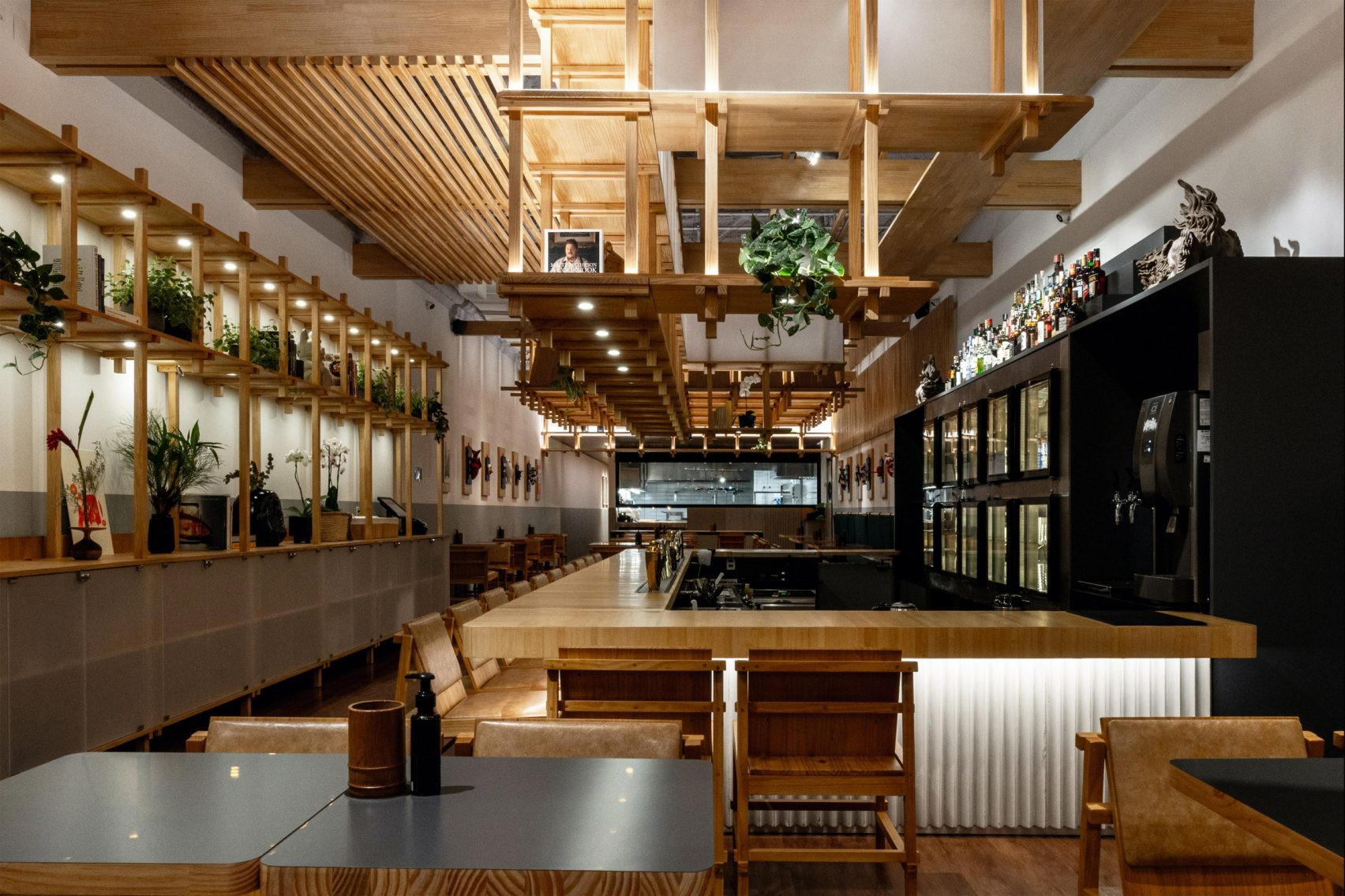
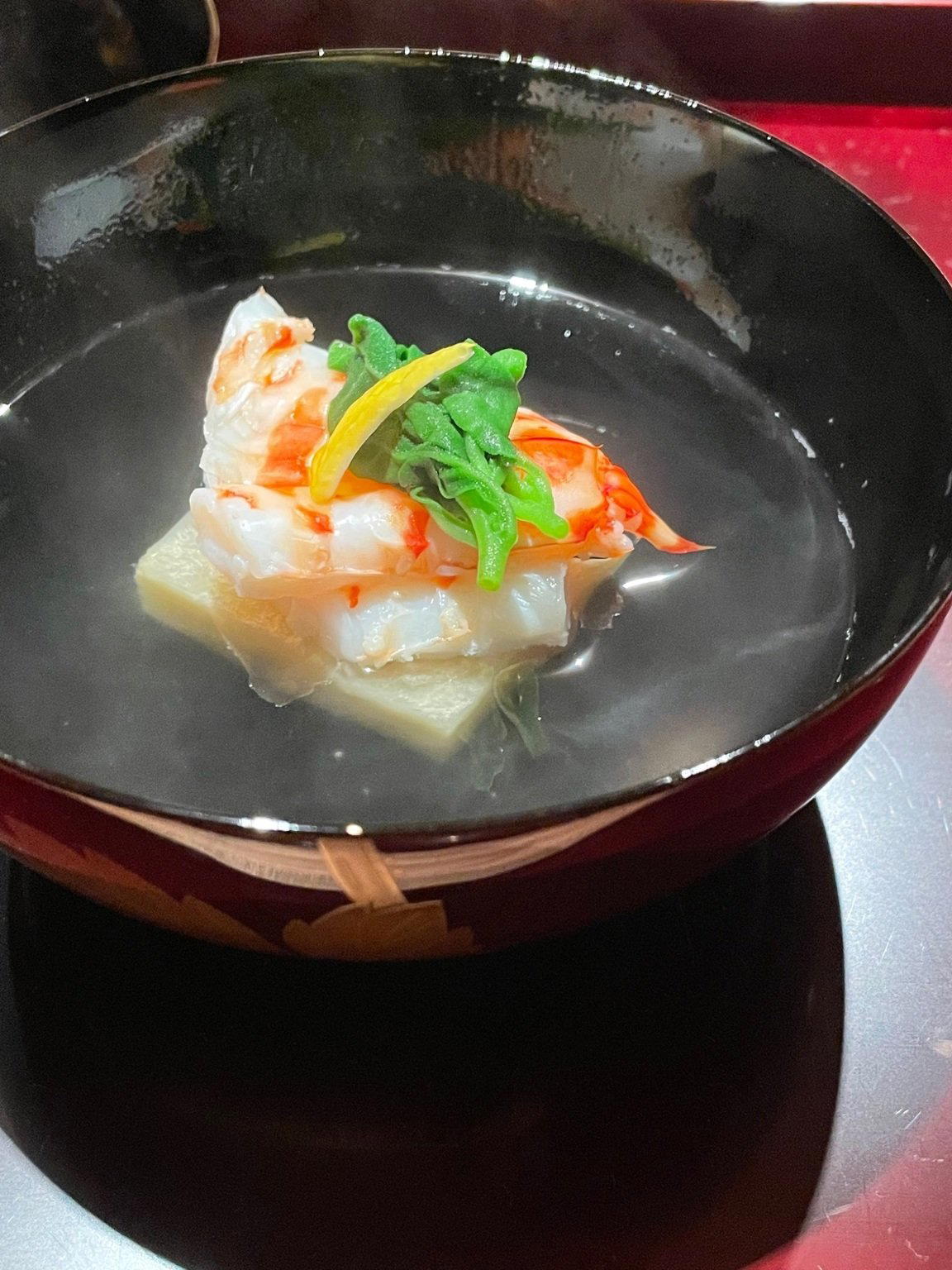
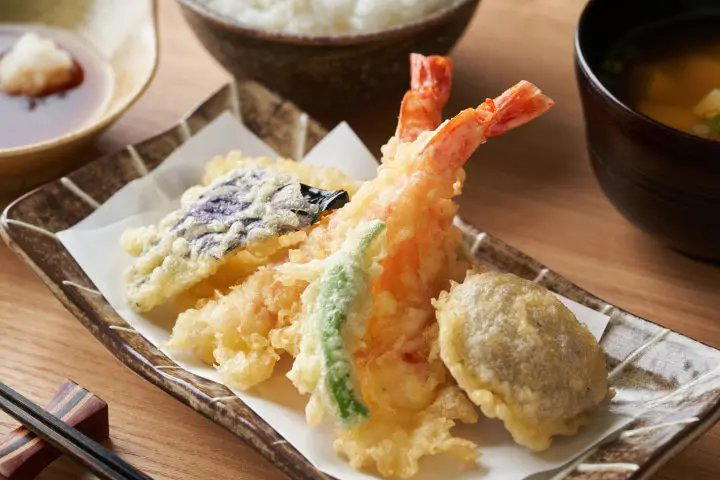
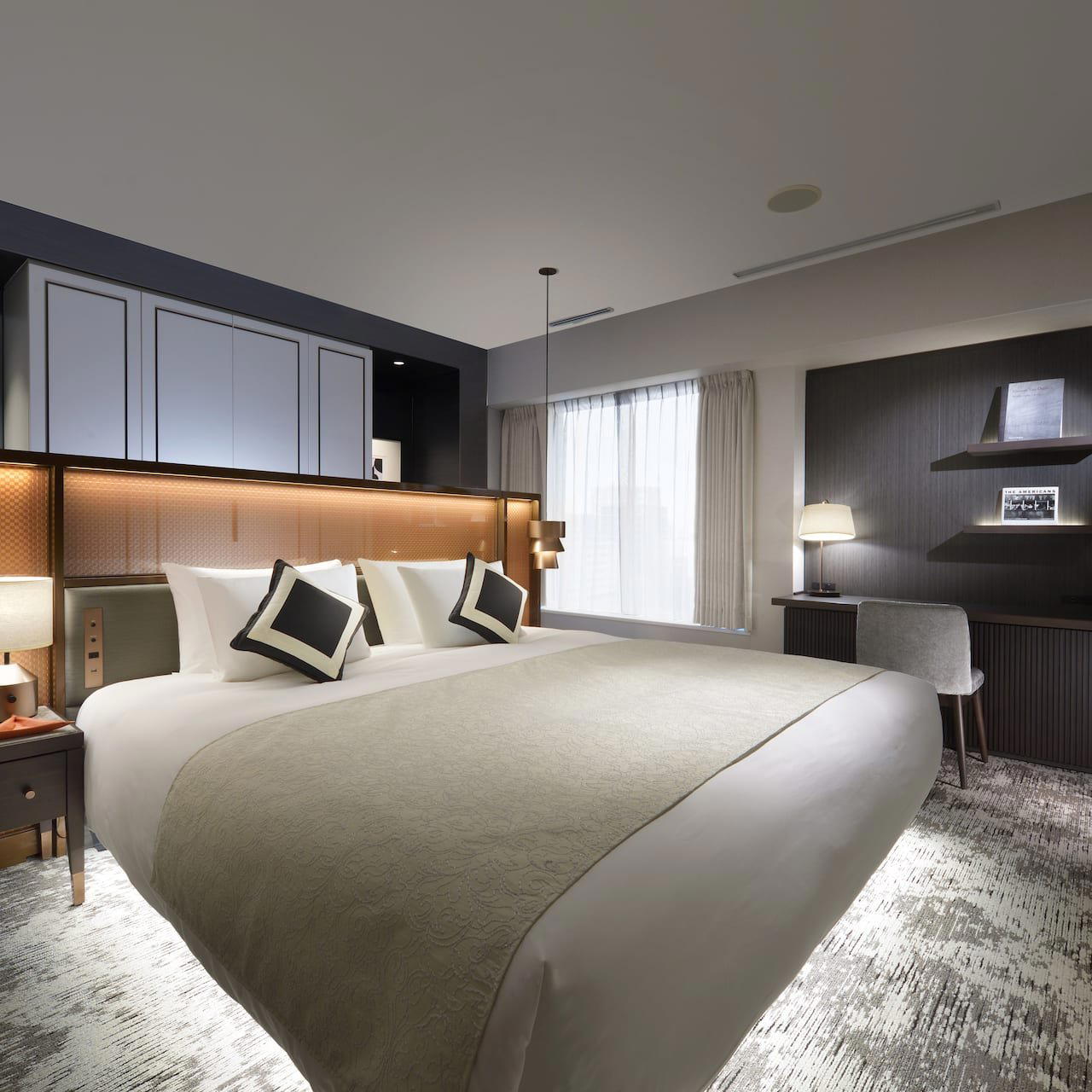
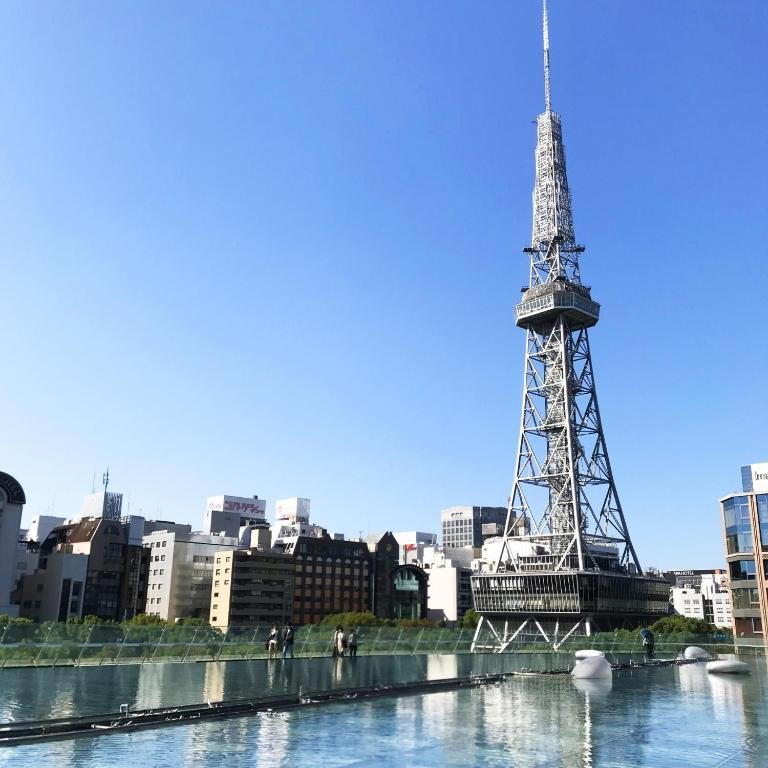
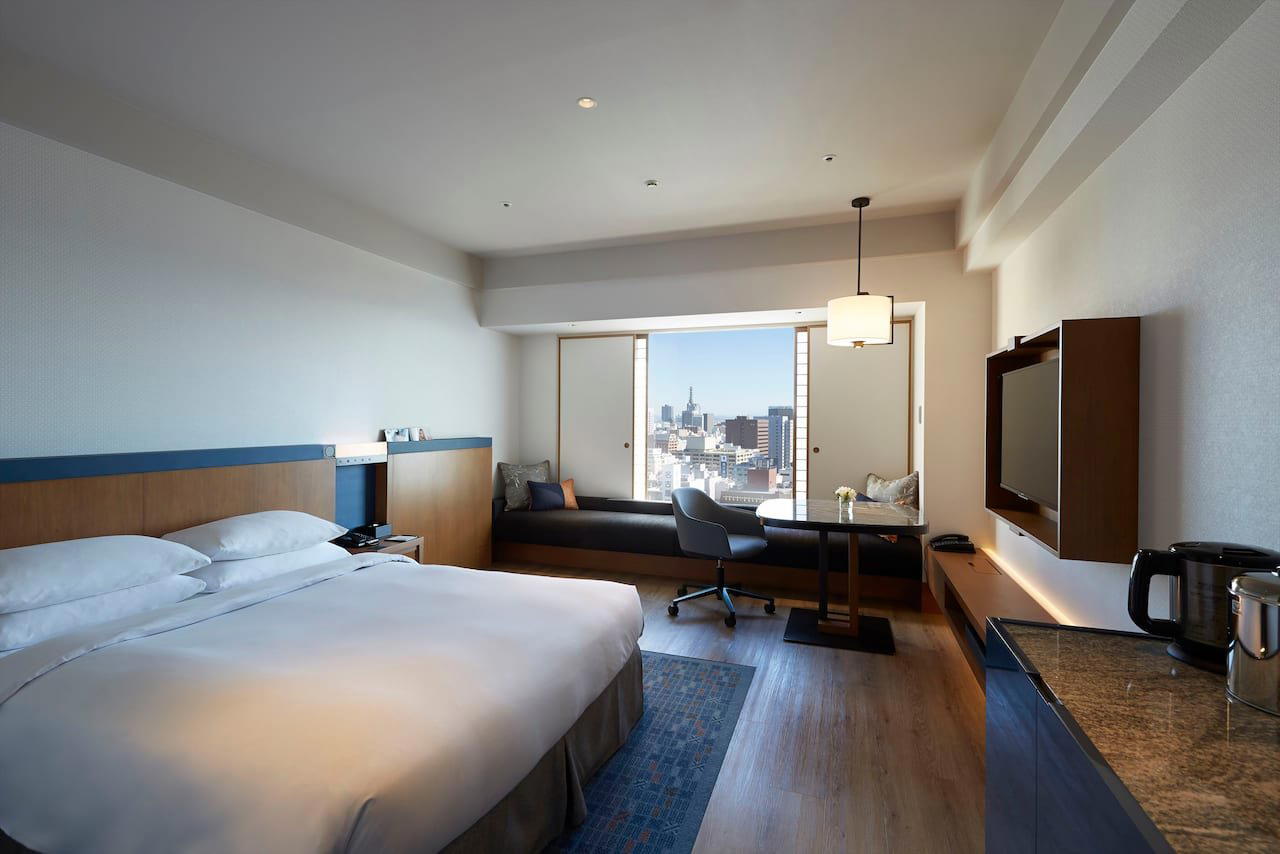
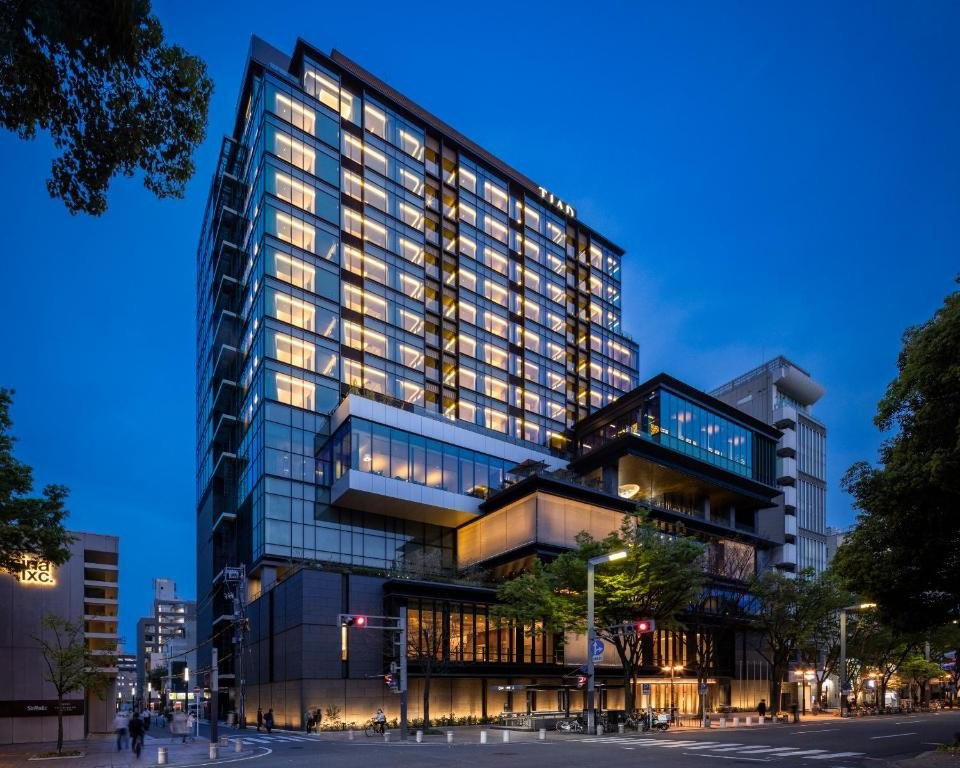
ル・レストラン シンジ コガ
The wine
- Wine program
- Exceptional wine program
- Extensive wine list
- Sake program
Details
- Elegant
- Sophisticated
- Intimate
- Classic
- Date Night
- Special Occasion
- Business Dinner
- Extensive Wine List
- Sake Program
- Tasting Menu
Current opening hours
- Monday
- Closed
- Tuesday
- 12–1:30 PM, 6–8:30 PM
- Wednesday
- 12–1:30 PM, 6–8:30 PM
- Thursday
- 12–1:30 PM, 6–8:30 PM
- Friday
- 12–1:30 PM, 6–8:30 PM
- Saturday
- 12–1:30 PM, 6–8:30 PM
- Sunday
- 12–1:30 PM, 6–8:30 PM
Hours can change for holidays and private events. Last verified .
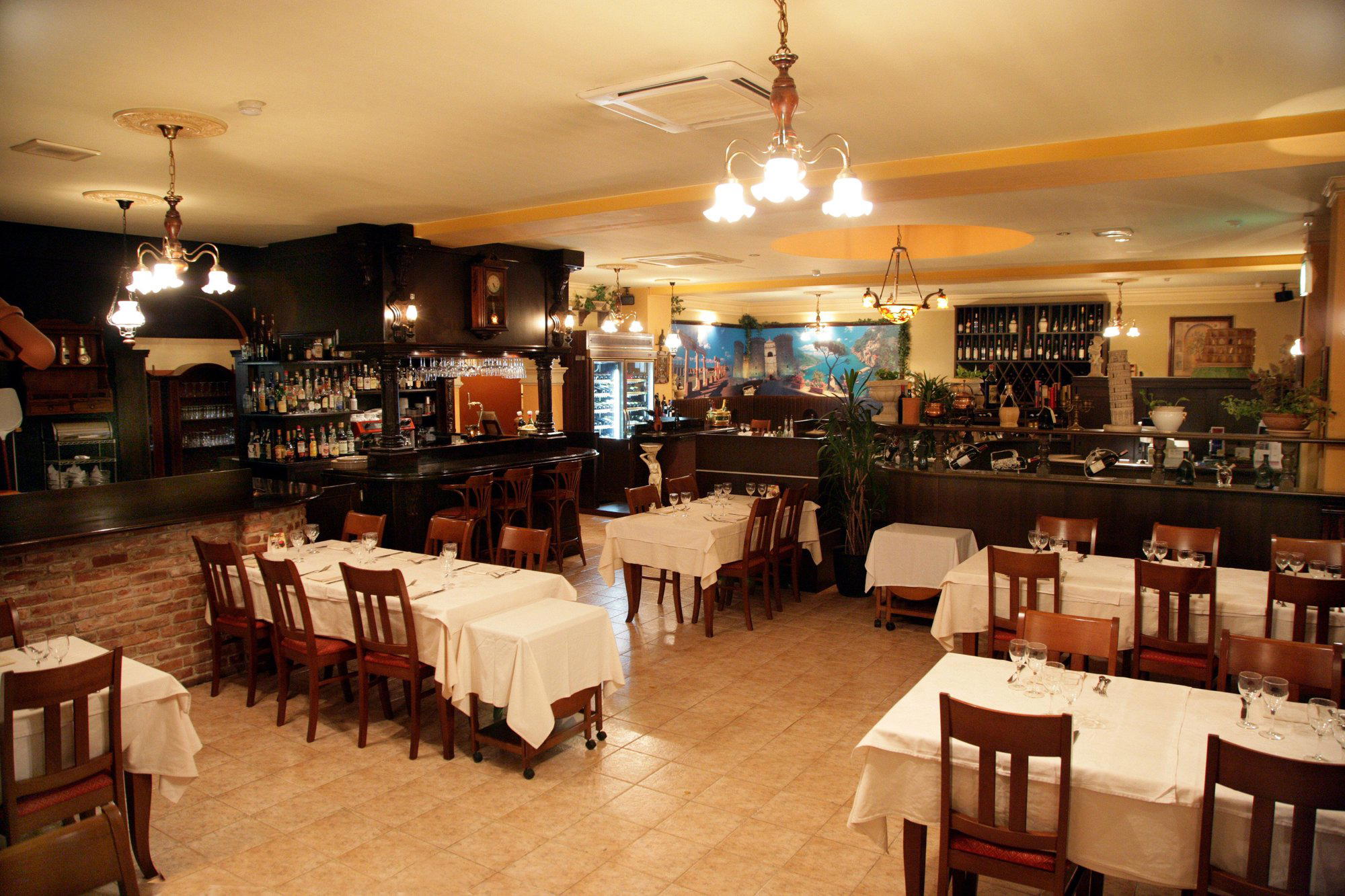
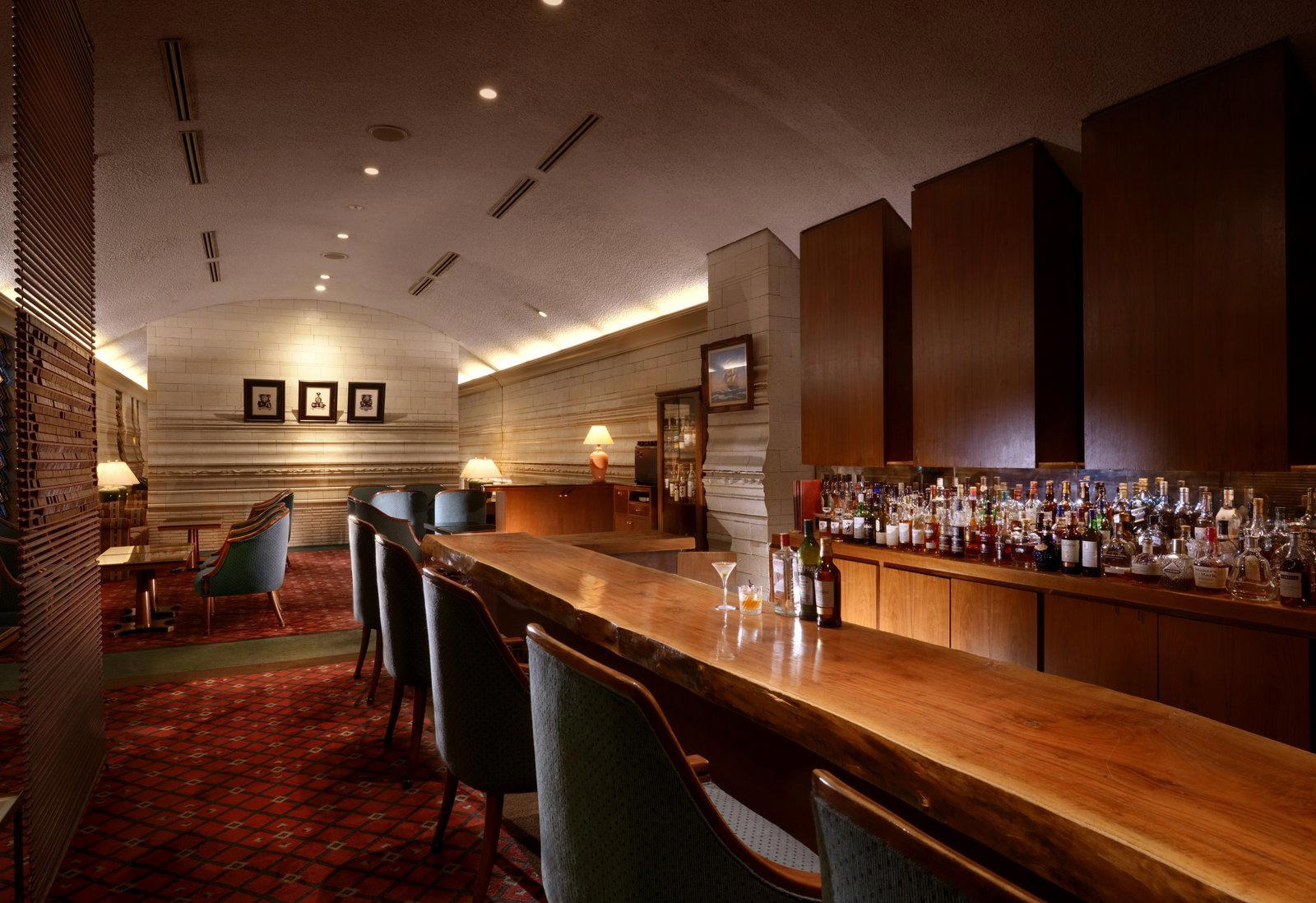
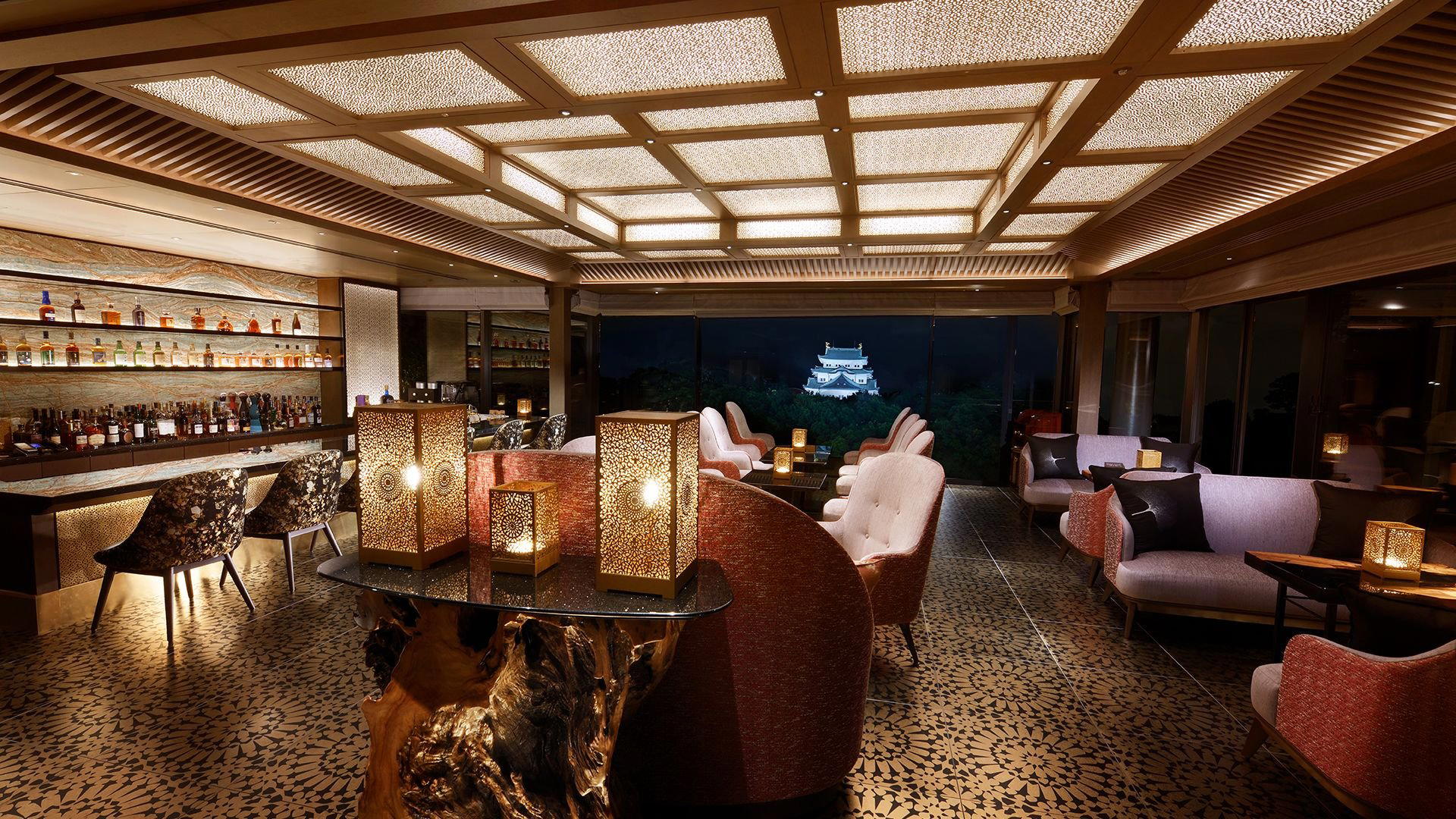
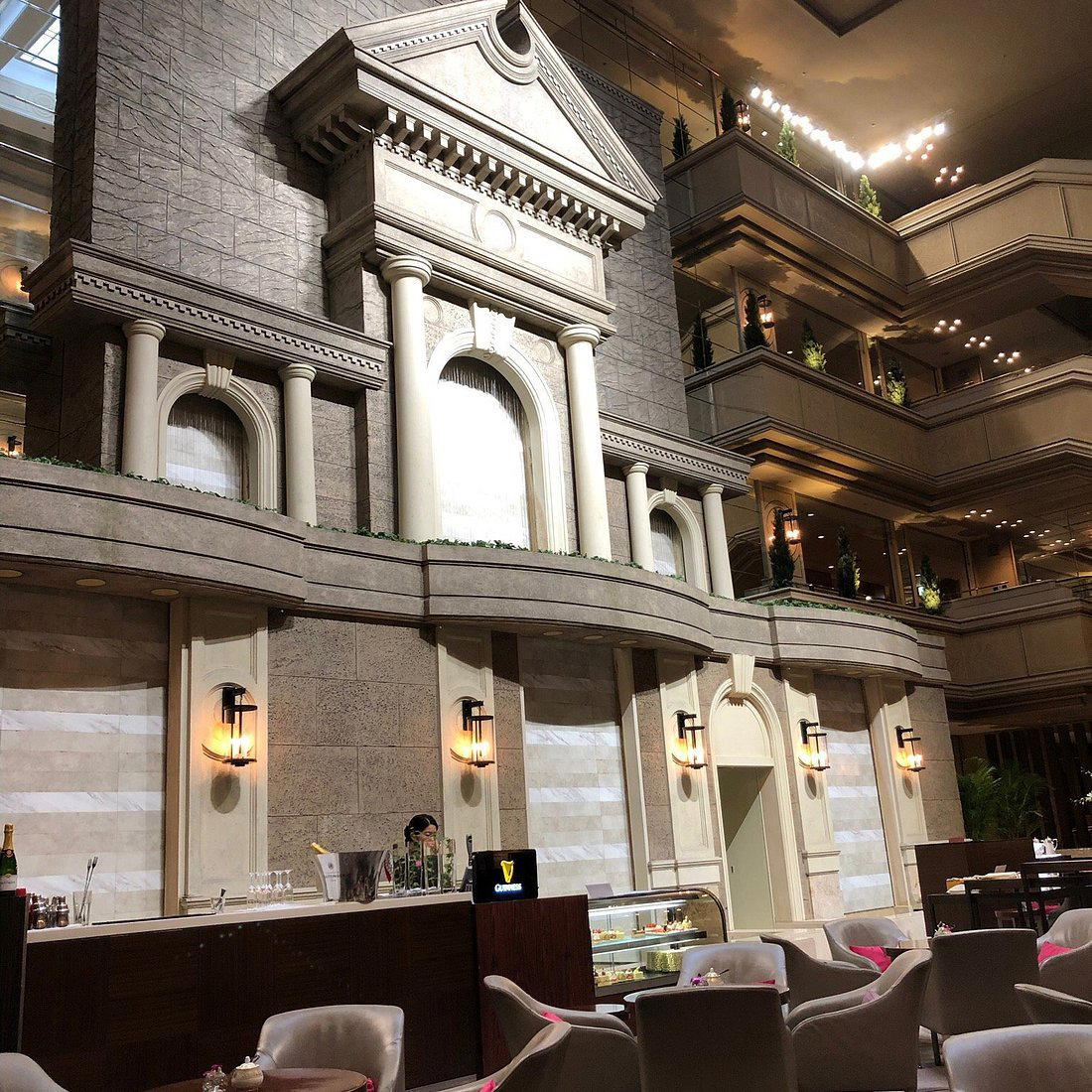
Sophisticated and elegant atmosphere with refined decor, table settings, and a sense of grandeur reminiscent of a grand maison.