
Tabelog 100 #94
Our verdict
In Higashi Ward, away from Nagoya's central dining cluster, ラ・グランターブル ドゥ キタムラ occupies a quieter register of the city's French dining tradition. The name signals a classical European frame, grande table, applied to a neighbourhood that rewards those willing to look beyond the obvious. For visitors mapping Nagoya's serious restaurant tier, this address belongs on the shortlist.

Pearl is the En Primeur Club membership app, where members save venues, book tables and use the concierge.
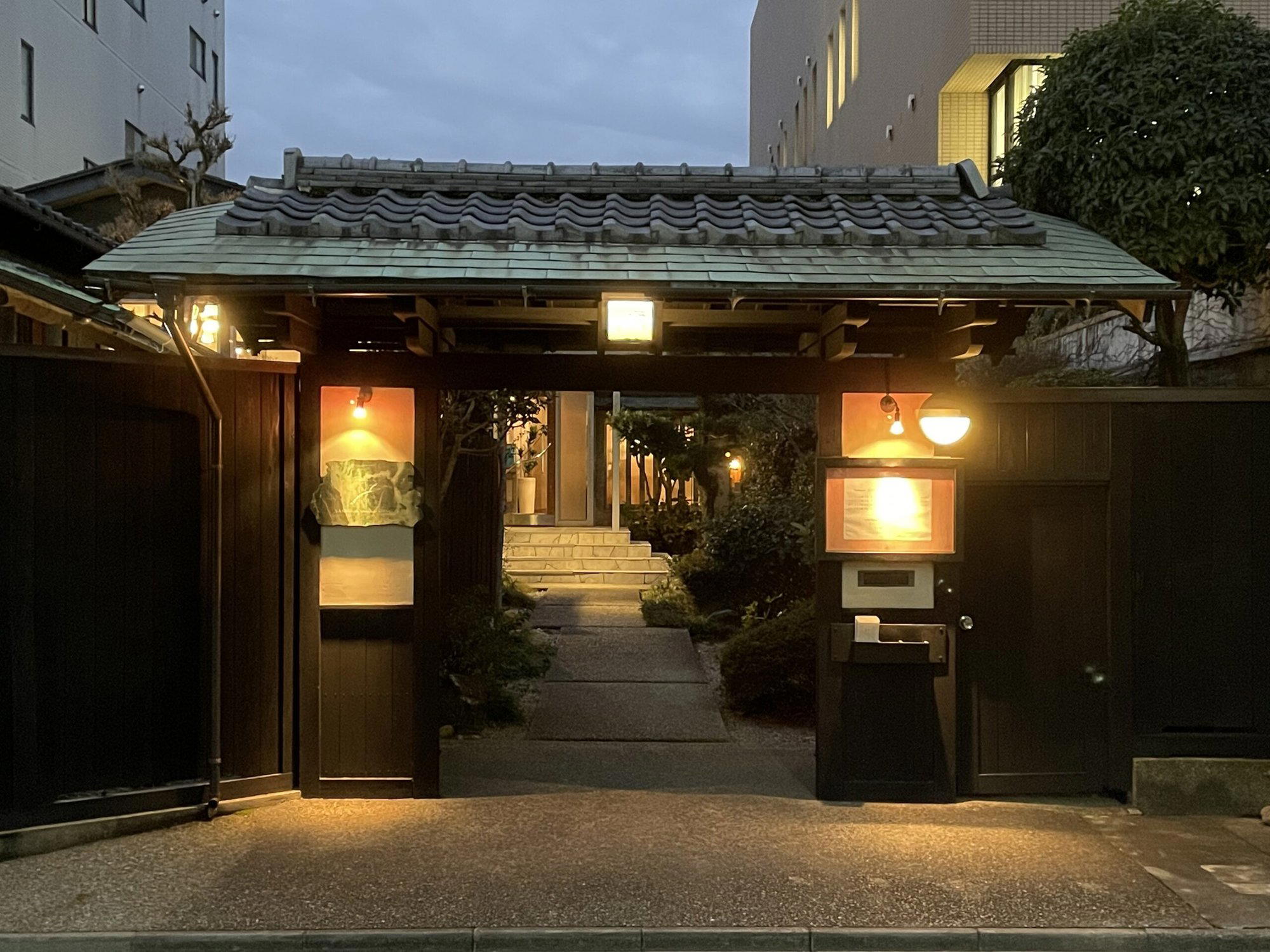
French Dining in Nagoya: The Case for Higashi Ward
Nagoya's restaurant identity is most loudly associated with its own regional traditions: miso-braised dishes, kishimen noodles, and the unagi preparations that have sustained venues like Atsuta Horaiken (あつた蓬莱軒 本店) for generations. Yet alongside that regional core, the city maintains a serious French dining tier that receives far less attention from outside visitors than equivalent scenes in Osaka or Kyoto. ラ・グランターブル ドゥ キタムラ sits inside that quieter category, in Higashi Ward's Chikaramachi district, a residential pocket that does not announce itself as a dining destination.
The French grande table format has a particular cultural logic when transplanted to Japan. In France, the term signals formality, a sense of occasion, and the expectation that a meal will extend across several hours and multiple courses. Japanese practitioners have historically absorbed that structure and then refined it through a local lens: greater precision in sourcing, deeper attention to seasonal rhythm, and a hospitality register that carries the weight of omotenashi. The result, at venues operating in this tradition across Osaka, Kyoto, and now Nagoya, is a hybrid that often reads as more disciplined than its European counterparts. HAJIME in Osaka operates near the apex of this tradition nationally; Nagoya's tier is smaller but no less committed to the same foundational principles.
Where Chikaramachi Sits in Nagoya's Dining Geography
Higashi Ward is not where most visitors orient themselves when they arrive in Nagoya. The central dining gravity pulls toward Sakae, Nishiki, and the areas immediately surrounding Nagoya Station. Chikaramachi, by contrast, is a quiet residential neighbourhood in the city's eastern quadrant, the kind of address that filters for intention. Diners who find themselves at this table have generally planned to be there. That self-selection shapes the atmosphere before the first course arrives.
This pattern of serious restaurants in non-obvious neighbourhoods is common across Japanese cities. Gion Sasaki in Kyoto operates in a district more associated with traditional architecture than fine dining. akordu in Nara draws a committed clientele to a city most tourists treat as a day trip. The logic is consistent: when the food is the reason, the neighbourhood is secondary. For ラ・グランターブル ドゥ キタムラ, the Chikaramachi address is a signal rather than a limitation.
The Cultural Frame: Grande Table in a Japanese Context
The name itself deserves attention. ラ・グランターブル ドゥ キタムラ translates directly as "the great table of Kitamura", a formulation that places the dining table at the centre, not the chef, not the concept, not the ambience. In classical French hospitality, the grande table is a promise: that the full resources of a kitchen and a dining room will be organised around the experience of sitting and eating well. That promise requires a level of commitment from both sides of the pass.
Japan's adoption of French technique over the past half-century has produced one of the most technically rigorous French dining traditions outside France itself. The country's Michelin coverage reflects this: Japan holds more Michelin-starred restaurants per capita than any other nation, and French cuisine accounts for a meaningful share of those stars, particularly in Osaka, Tokyo, and Kyoto. Nagoya's French tier is smaller, but it connects to the same national tradition. Harutaka in Tokyo and Goh in Fukuoka each demonstrate how seriously Japanese dining culture takes the integration of European format with local ingredient logic.
The Italian-influenced venues in Nagoya's serious dining tier, including cucina Wada, Bacio, and Cucina Italiana Gallura, show how the city has built its Western dining culture across multiple European reference points. French and Italian kitchens in Japan have evolved along parallel tracks, often with significant cross-pollination. The comparison is worth holding: both traditions prize technique, seasonal sensitivity, and a long meal format, but the French grande table carries a different register of formality that sets venues like ラ・グランターブル ドゥ キタムラ apart from the more relaxed trattoria model.
How This Venue Fits Nagoya's Broader Dining Pattern
Nagoya has historically been underrepresented in Japan's national fine dining conversation relative to its size. It is Japan's fourth-largest city, a major industrial and commercial centre, but it does not carry the culinary reputation of Osaka or Kyoto. This has consequences for pricing, competition, and ambition, and not always in the obvious direction. Some of the more interesting restaurants in mid-tier Japanese cities operate with less competitive pressure than their counterparts in Tokyo's hyper-dense dining market, which can translate into a more settled, less performative dining experience. Our full Nagoya restaurants guide maps this dynamic across the city's full range of serious dining.
Venues in other less-prominent Japanese cities have shown what this dynamic can produce. 一本木 ながた川制 in Nanao, 夕佳亭 in Sapporo, and 湖鱒荘 in Takashima each operate in markets where the dining scene rewards commitment over profile. ラ・グランターブル ドゥ キタムラ occupies a comparable position in Nagoya: a restaurant that has built its reputation through the dining room rather than through media visibility.
For visitors comparing European-influenced dining in Japan, international reference points are sometimes useful. Le Bernardin in New York City represents the rigour of classical French technique in a non-French context; Atomix in New York City shows how a Korean-rooted kitchen can carry the formal multi-course structure into a different cultural register. Both demonstrate that the grande table format is not geographically fixed. ラ・グランターブル ドゥ キタムラ belongs to the same global argument: that the French dining tradition, when adopted seriously and on its own terms, produces results that stand on merit rather than provenance.
Know Before You Go
- Address: 4 Chome-84 Chikaramachi, Higashi Ward, Nagoya, Aichi 461-0018, Japan
- Neighbourhood: Chikaramachi, Higashi Ward, a residential district east of the central city core
- Format: French grande table; expect a multi-course format and a formal dining register
- Getting There: Higashi Ward is accessible from Nagoya Station and central Sakae by subway; allow time for the neighbourhood walk from the nearest station
- Context: One of Nagoya's few French venues operating at the formal grande table level, plan accordingly for pace and duration
Frequently asked questions
What's ラ・グランターブル ドゥ キタムラ's location?
ラ・グランターブル ドゥ キタムラ is located at 4 Chome-84 Chikaramachi, Higashi Ward, Nagoya, Aichi 461-0018, Japan, Nagoya.
Is ラ・グランターブル ドゥ キタムラ a good choice for French dining outside central Nagoya?
The restaurant's address in Higashi Ward's Chikaramachi district places it outside the Sakae and Nishiki dining corridors where most visitors concentrate, which for serious dining often means fewer walk-ins and a more settled atmosphere. Nagoya has historically been underrepresented in Japan's national fine dining conversation despite being the country's fourth-largest city, making a classically named French grande table room in this ward a notable presence in the local scene.
What do regulars order at ラ・グランターブル ドゥ キタムラ?
Given the grande table format implied by the name, a classical French multi-course structure, regulars at this type of establishment typically orient around the full prix-fixe progression rather than à la carte selections. Contacting the restaurant directly at their Chikaramachi address in Higashi Ward is the most reliable route to understanding the current menu composition.
How far ahead should I plan for ラ・グランターブル ドゥ キタムラ?
No confirmed booking window is documented. Classical French fine dining restaurants operating under a grande table format in Japan, particularly in cities like Nagoya where serious French rooms are fewer than in Tokyo or Osaka, frequently fill several weeks in advance, especially on weekends. Planning at least three to four weeks ahead is a reasonable baseline, with more lead time advisable for Friday and Saturday evenings.
What's the defining dish or idea at ラ・グランターブル ドゥ キタムラ?
The name itself signals the central concept: ラ・グランターブル ドゥ キタムラ translates as 'the great table of Kitamura,' a formulation rooted in the classical French tradition where the dining table is positioned as a ceremonial space, not merely a setting for food. That framing suggests a full-sequence, course-driven experience rather than casual or à la carte eating.
Do they accommodate allergies at ラ・グランターブル ドゥ キタムラ?
At French fine dining establishments running multi-course formats in Japan, advance notice of dietary restrictions is standard practice and generally expected at the time of reservation. Given the restaurant's location at 4 Chome-84 Chikaramachi, Higashi Ward, reaching out directly before your visit is the only way to confirm their specific protocols.
Is ラ・グランターブル ドゥ キタムラ overpriced or worth every penny?
Classical French grande table restaurants in Japan's fourth-largest city, where overhead and competition differ from Tokyo's Ginza or Omotesando, often offer pricing that sits below equivalent-tier rooms in the capital. Whether the value proposition holds depends heavily on the menu length, produce sourcing, and service depth, none of which are publicly confirmed here. Direct enquiry is the clearest path to an informed decision.
Credentials Lens
Comparable venues nearby, for context on price, style, and recognition.
| Venue | Cuisine | Price | Awards | Notes |
|---|---|---|---|---|
| ラ・グランターブル ドゥ キタムラThis venue (the venue you are viewing) | Modern French Fine Dining | $150–200 | Tabelog 100 #94 | Not listed |
| restaurant.m | Modern French | Not listed | Tabelog 100 #85 | Naka |
| LA MODESTIE | French Wine Restaurant | $100–150 | Tabelog 100 #64 | Higashi |
| Sushi Isao | Seasonal Sushi Omakase | $150–200 | Tabelog 100 #23 | Higashi |
| kibi | Wood-fire Modern Italian & Fusion | $100–150 | Tabelog 100 #86 | Naka |
| Kikkou | Refined Sushi Omakase | $150–200 | Tabelog 100 #77 | Naka |
Recognition history
Dated appearances from independent guides and award organizations, with the underlying list record or original source where available.
Tabelog 100 #94 · No. 94
Tabelog · Tabelog 100 - French - EAST - 2025
Continue exploring
More in Nagoya
Restaurants in Nagoya
All restaurants in Nagoya →
Details
- Elegant
- Classic
- Intimate
- Sophisticated
- Date Night
- Special Occasion
- Business Dinner
- Historic Building
- Extensive Wine List
- Sake Program
- Prix Fixe
- Tasting Menu
Current opening hours
- Monday
- 11:30 AM–1 PM, 5:30–8 PM
- Tuesday
- 11:30 AM–1 PM, 5:30–8 PM
- Wednesday
- 11:30 AM–1 PM, 5:30–8 PM
- Thursday
- 11:30 AM–1 PM, 5:30–8 PM
- Friday
- 11:30 AM–1 PM, 5:30–8 PM
- Saturday
- 11:30 AM–1 PM, 5:30–8 PM
- Sunday
- 11:30 AM–1 PM, 5:30–8 PM
Hours can change for holidays and private events. Hours as of .
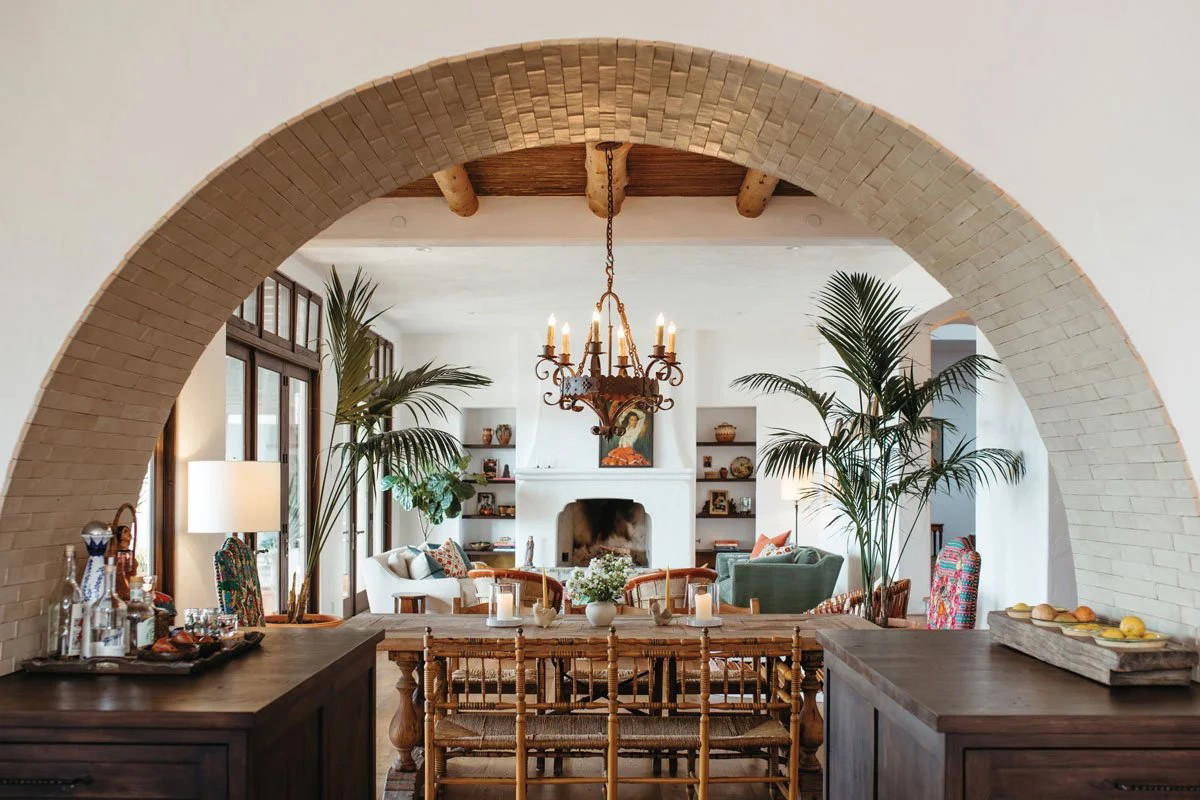
Calm, historical charm with elegant, spacious seating in a traditional Japanese yard-like space.