
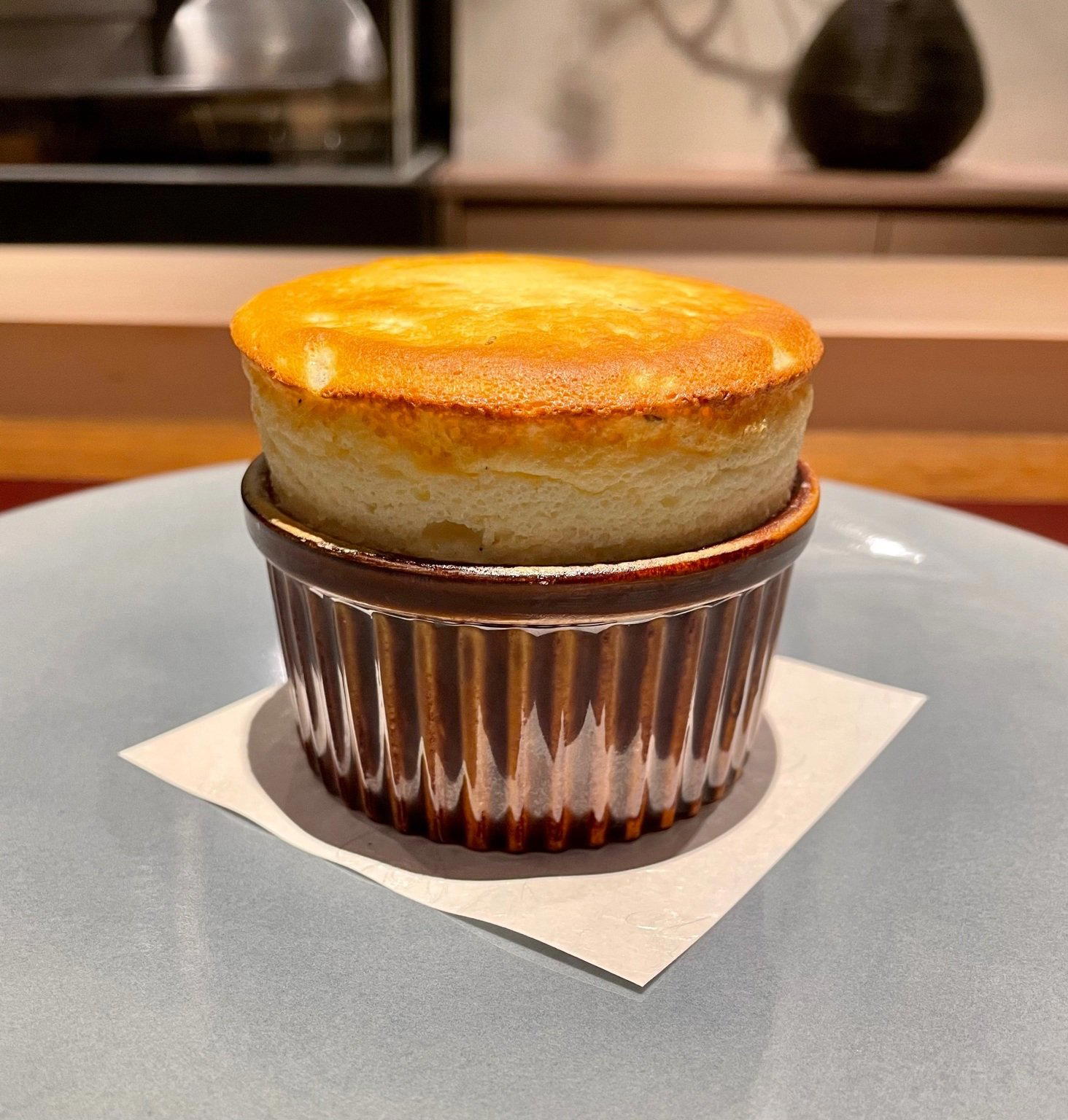
CORK is an eight-seat French counter in Nagoya’s Kakuozan area, selected for Tabelog French EAST 100 in 2025 and operating in the city’s smaller, reservation-led dining tier. The appeal is not scale but compression: French technique, wine attention, and a compact room that suits diners who want Nagoya beyond station-area convenience.
Pearl is the En Primeur Club membership app — saves, bookings, and concierge access live there. Same editors, same standards.
- Address
- Japan, 〒464-0064 Aichi, Nagoya, Chikusa Ward, Sanmoncho, 2 Chome−67 ナビオ覚王山 地下1階
- Phone
- +81 52-734-3640
- Website
- cork-fr.com
 Saves & bookings on Pearl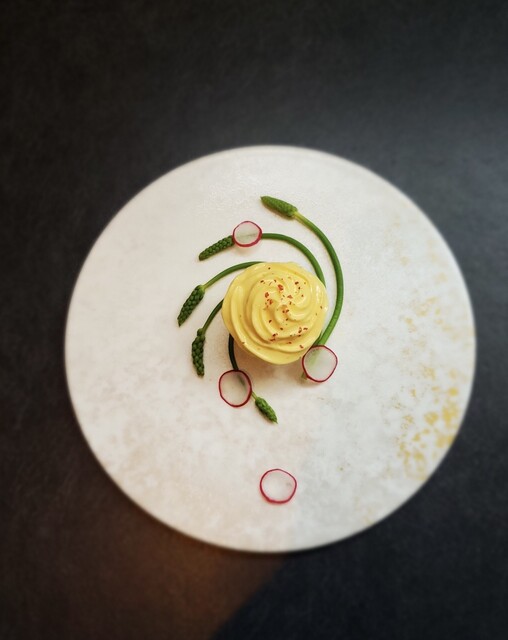
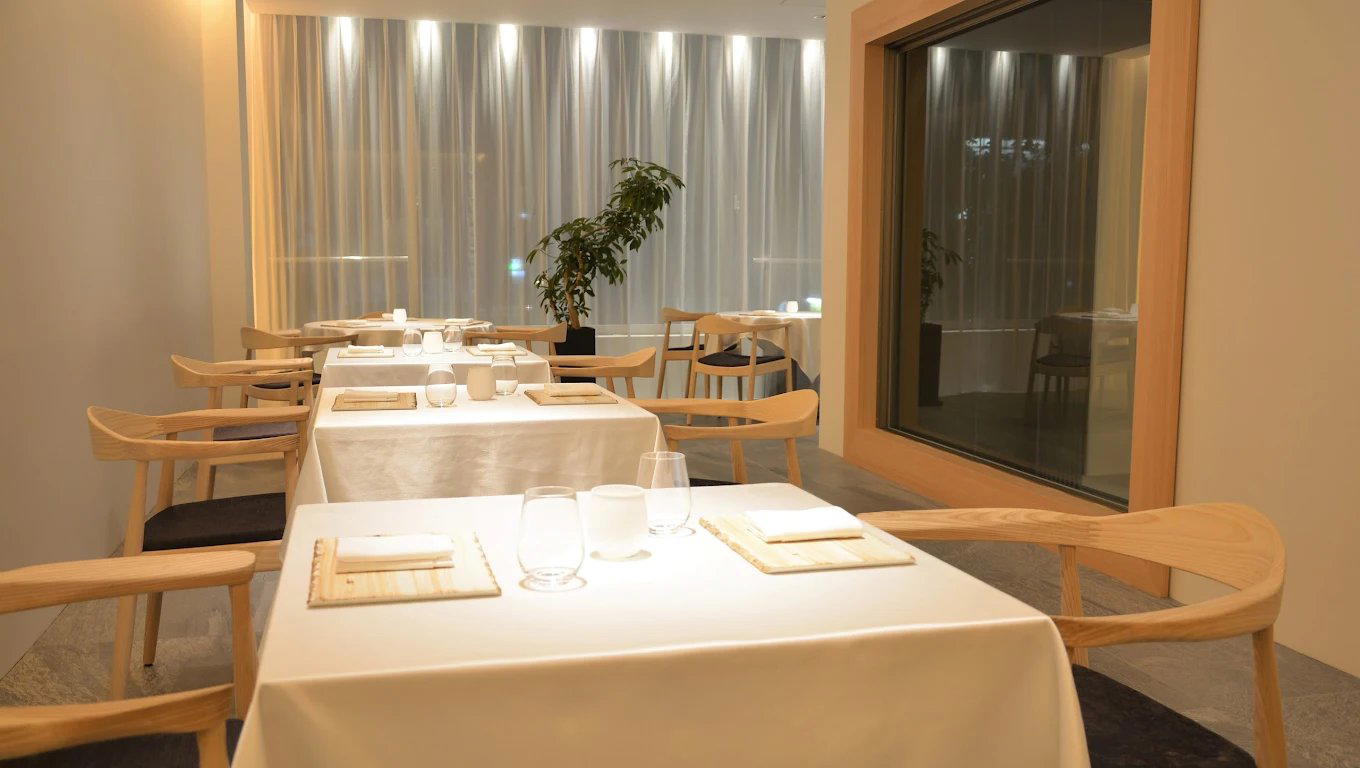
Approaching Kakuozan for dinner changes the register of Nagoya dining. The district has less of the station-front glare and more of the measured rhythm that suits small restaurants: low-rise streets, old temple-town associations, and a local audience that is willing to travel a few subway stops for a serious table. In that setting, French dining becomes less about grand-room ceremony and more about concentration. An eight-seat room forces the issue. Every reservation carries weight, every course has to justify its place, and wine is not an accessory but part of the evening’s architecture.
Nagoya’s reputation outside Japan is often reduced to miso katsu, hitsumabushi, kishimen, and Toyota-adjacent business travel. That shorthand misses the city’s quieter fine-dining layer, where French technique has long held prestige and where small restaurants can build loyal followings without the international noise of Tokyo or Kyoto. CORK belongs to that layer: selected for Tabelog French EAST 100 in 2025, with a Tabelog score of 3.62, it sits in a category where Japanese diners tend to read recognition as a sorting tool rather than a trophy cabinet.
A compact French counter in a city better known for local classics
The useful way to read this restaurant is through format. Eight seats place it closer to Japan’s counter culture than to the hotel-dining model that once defined formal French in regional cities. That distinction matters. In a compact room, French cuisine has to adapt to Japanese expectations of pacing, seasonality, and precision without losing its own grammar of sauce, course structure, and wine service. The result is a different kind of luxury from large dining rooms: not theatrical abundance, but controlled scarcity.
The French category in Japan is broad, running from brasserie-style comfort to tasting-menu dining with luxury ingredients. Nagoya’s stronger local identity makes that range more interesting. A French restaurant here cannot rely only on imported prestige; it has to compete with the city’s deeply established food habits and with diners who already know where value sits. Recognition in the Tabelog 100 French EAST list therefore carries practical weight. It signals that the restaurant has entered a regional conversation extending beyond Aichi, while remaining rooted in a neighbourhood dining pattern rather than a destination-dining machine.
Kakuozan adds another layer. The area is not a blank luxury zone; it has a neighbourhood character shaped by Nittaiji temple, residential streets, cafés, sweets shops, and small independent restaurants. Nearby comparison venues such as Baika Do, Kakuozan Kichi Imo Honten, Wagashi Karyo ocobo, tbz Kakuouzan honten, and アルフォルトゥーナ show how the district mixes everyday local stops with more deliberate dining. Against that backdrop, a small French counter reads as part of Kakuozan’s slow-burn appeal rather than an isolated prestige address.
Reputation here is built on selection, scale, and restraint
Tabelog’s Hyakumeiten lists are not Michelin stars, and they should not be read as the same kind of endorsement. Their influence is different: they reflect a Japan-specific ecosystem where user attention, category depth, and editorial selection shape how diners shortlist restaurants. For French outside Tokyo’s central orbit, inclusion in the 2025 EAST list places a restaurant inside a competitive field that covers a large regional map. That makes the selection meaningful for travellers who use Nagoya as more than a rail connection.
The restaurant’s small capacity also changes the reader’s decision. This is not the place for a loose group plan or a last-minute sweep through several options. It suits diners who want a focused French meal in Nagoya and are comfortable with a course-led format. The wine emphasis matters as well, because French dining at this scale depends on pairing intelligence and bottle selection to give the meal breadth that the room itself cannot supply through spectacle.
There is a tendency in travel writing to treat Nagoya as a practical stop between better-known culinary cities. That view is lazy. The city rewards more specific eating: breakfast culture in cafés, regional noodle shops, eel specialists, miso-driven comfort food, and a fine-dining tier that does not need to imitate Ginza to be serious. Within that spread, CORK gives the French category a Kakuozan address and a reputation signal that helps separate it from competent but less visible peers.
How to place it within a Nagoya itinerary
For a visitor, the smarter itinerary is not to make every meal chase prestige. Nagoya is strongest when the schedule alternates between local staples and more composed dining. A small French dinner in Kakuozan works well after a day built around the city’s food traditions, because it shows the other side of Nagoya’s appetite: quieter, wine-aware, and less dependent on regional shorthand. Travellers mapping the wider scene can start with Our full Nagoya restaurants guide, then widen the trip through Our full Nagoya hotels guide, Our full Nagoya bars guide, Our full Nagoya wineries guide, and Our full Nagoya experiences guide.
For adjacent restaurant reading inside the city, compare how different Nagoya tables frame occasion and format: 1022, 451, Aaron, Alan., and All Day Dining Montmartre. For broader Japan and Japanese-dining context beyond Nagoya, useful contrasts include -Grilled beef Sukiyaki- KAMAKURA TANUKIAN 鎌倉 たぬき庵 in Kamakura. 鮪と炭火焼き うお炭 秋葉原店 in Tokyo.cafe in Osaka.know in Kumamoto, (Shoku) Vietnam in Kawasaki, [Curry Senmon Ten] Maruyama Kyoju. in Sapporo, Jōdo Saké Bar in Los Angeles, and Onigiri Time in Pasadena.
The editorial read is clear: choose this for a compact, reputation-backed French meal in a neighbourhood that rewards slower dining. The draw is not celebrity theatre or hotel polish. It is the combination of small scale, wine attention, and a 2025 Tabelog French EAST 100 selection in a city whose dining depth is often underread by travellers passing through too quickly.
Cost and Credentials
Comparable venues to anchor price and recognition.
| Venue | Cuisine | Price |
|---|---|---|
| CORKThis venue — the venue you are viewing | Chikusa, Modern French restaurant | $$$ |
| ビストロ ダイア | Shinei, Neo French Bistro | $$$ |
| L'atelier K | Higashi, French Teppanyaki | $$$ |
| ラ・フロレゾン・ドゥ・タケウチ | Naka, Modern French Fine Dining | $$$ |
| With | Meitō, Seasonal French in Nagoya | $$$ |
| Chez Kobe | Shōwa, Classic French Fine Dining | $$$$ |
Recognition history
Dated appearances from independent guides and award organizations, with the underlying list record or original source where available.
Tabelog 100 #24 · No. 24
Tabelog · Tabelog 100 - French - EAST - 2025
Continue exploring
More in Nagoya
Restaurants in Nagoya
Browse all →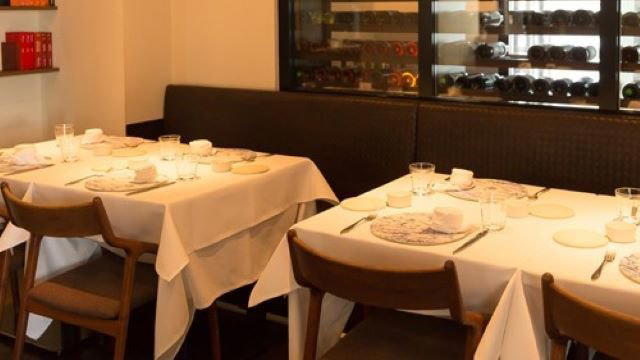
At a Glance
- Elegant
- Cozy
- Romantic
- Intimate
- Date Night
- Special Occasion
- Business Dinner
- Standalone
- Design Destination
- Extensive Wine List
Current opening hours
- Monday
- Closed
- Tuesday
- 11 AM–2 PM, 6–10 PM
- Wednesday
- 11 AM–2 PM, 6–8:30 PM
- Thursday
- 11 AM–2 PM, 6–10 PM
- Friday
- 11 AM–2 PM, 6–10 PM
- Saturday
- 11 AM–2 PM, 6–10 PM
- Sunday
- 11 AM–2 PM, 6–10 PM
Hours can change for holidays and private events. Last verified .
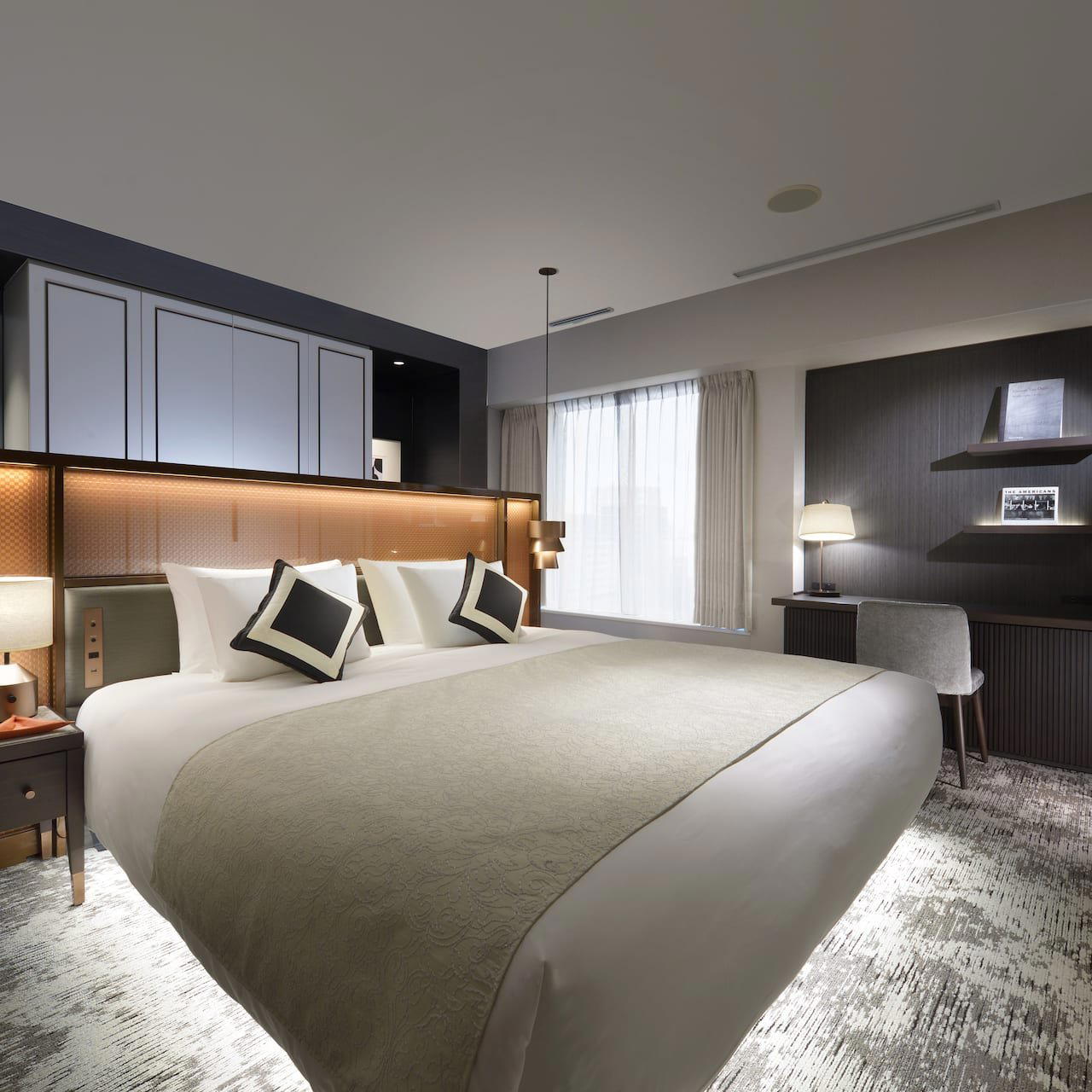
Chic and softly lit, with a calm, adult-oriented atmosphere that feels like a hidden French retreat below street level, suited to quiet meals and special occasions rather than noisy groups.