ラス occupies the ground floor of a low-key building in Minami-Aoyama, one of Tokyo's more considered dining neighbourhoods. The address places it among a comparable set of serious, format-conscious restaurants where the booking experience is itself part of the editorial story. Advance planning is advisable; the restaurant's footprint in Minato City reflects the district's shift toward intimate, appointment-only dining formats.
Pearl is the En Primeur Club membership app — saves, bookings, and concierge access live there. Same editors, same standards.
- Address
- Japan, 〒107-0062 Tokyo, Minato City, Minamiaoyama, 4 Chome−16−3 コトリビル 1F
- Phone
- +818033104058
- Website
- las-minamiaoyama.com
 Saves & bookings on Pearl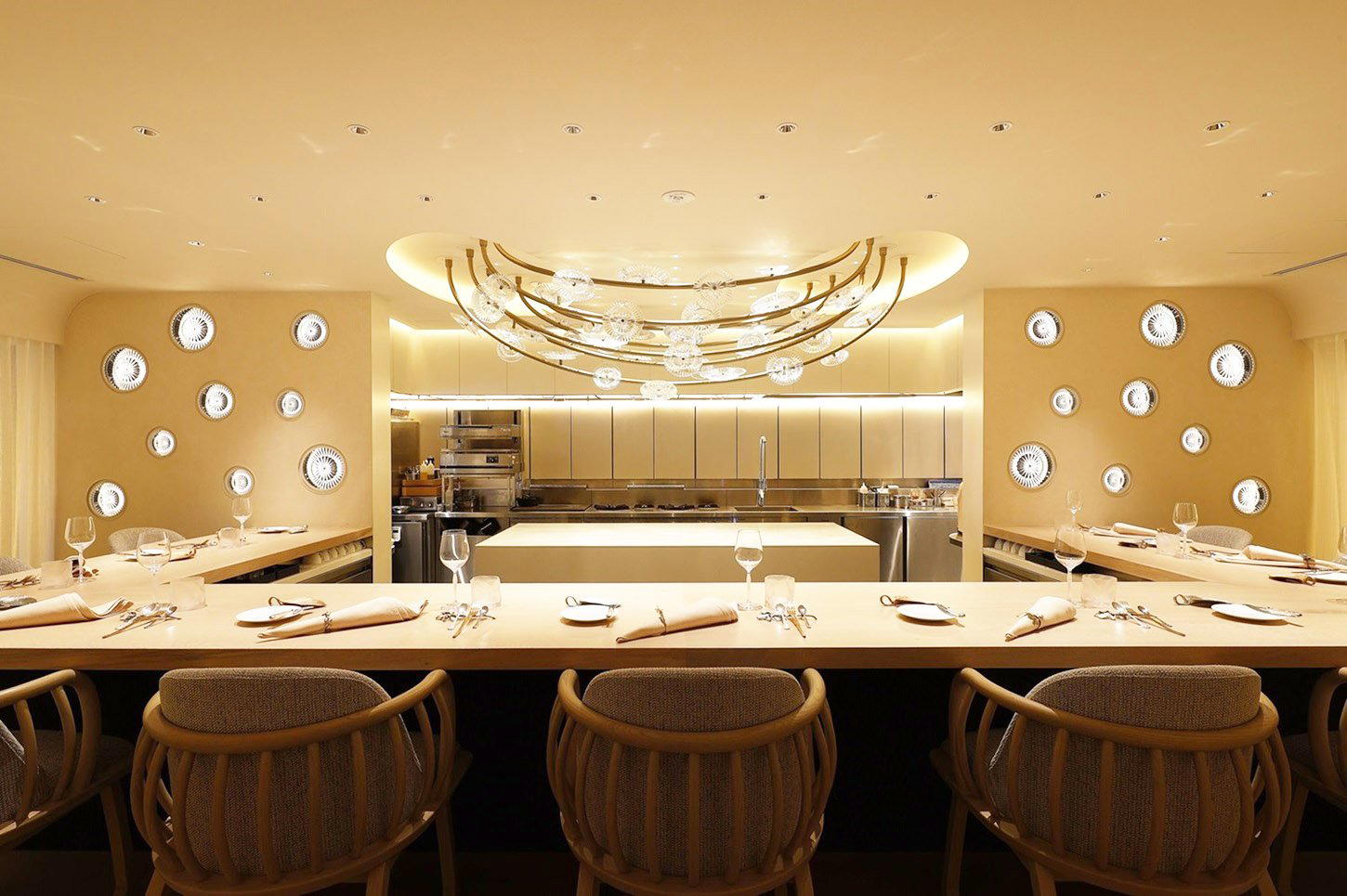
Minami-Aoyama and the Appointment Dining Pattern
ラス is a Modern French Omakase restaurant in Tokyo’s Minato City, with a price point around $50 per person. The Minami-Aoyama corridor, where ラス occupies the ground floor of the Kotori Building at 4-16-3, sits within that pattern. Unlike the concentrated Michelin cluster of Ginza or the louder, more tourist-visible dining of Shibuya, this neighbourhood filters its audience. Restaurants here tend to operate on referral, reservation-only, or limited-communication models that reward preparation.
The venue's address positions it within walking distance of Omotesando and the back streets that connect to Aoyama-Itchome, an area where the dining tone is quieter and more local than its proximity to major transport suggests. That setting is characteristic of Tokyo's specialist dining tier: venues that do not need high foot traffic because their audience already knows where they are going. Comparable establishments in this city tier, such as Crony or L'Effervescence, operate with the same implicit logic: the reservation is the act of discovery, not the walk-in.
What the Booking Experience Tells You
In Tokyo's upper-tier restaurant circuit, the booking process is often the clearest signal of where a restaurant places itself competitively. Venues with wide web presence, English-language reservation platforms, and same-week availability occupy a different tier than those that require Japanese-language contact, introduction through existing guests, or weeks of forward planning. ラス, at the time of writing, does not publish a website or phone number in widely indexed directories.
For comparison: Harutaka, operating at the ¥¥¥¥ tier in Ginza, is similarly restricted in availability and communicates primarily through established channels. RyuGin in Roppongi, a kaiseki counter with three Michelin stars, manages international bookings through a dedicated system but still requires advance planning measured in months. ラス appears to sit within this appointment-first cohort. Reservations are recommended, and advance planning is sensible.
If you are approaching this from outside Japan, one reliable path is through a hotel concierge with existing Tokyo restaurant relationships. Both Sézanne in the Four Seasons and the broader Tokyo restaurant network we cover demonstrate how concierge infrastructure shapes access at this level.
What Visitors Tend to Report
With publicly indexed data limited for ラス, the clearest reference points come from the neighbourhood's dining character and the format conventions shared by its comparable set. Minami-Aoyama restaurant-goers in the intimate, counter-format tier consistently report two things: that the room is smaller than expected, and that the pacing is slower than the larger Michelin-tracked venues in the city. Those are features, not flaws, in this category. The seat count matters; at venues of this type in Tokyo, counters of eight to twelve seats are common, and the service ratio is correspondingly high.
In terms of cuisine orientation, Minami-Aoyama's serious dining tier splits between Japanese-rooted formats (kaiseki adjacents, seasonal Japanese, and counter omakase) and French-influenced contemporary cooking. Both traditions have a strong presence in the wider Minato City area. Visitors who have engaged with L'Effervescence or Crony will recognise the aesthetic register: restrained rooms, ingredient-led menus, and a format that prioritises deliberate eating over theatre.
Allergy and Dietary Communication
Across Tokyo's reservation-led dining tier, the standard expectation is that dietary requirements and allergy information are communicated at the time of booking, not on arrival. In Japanese restaurant culture, especially at higher price points, this is not a casual afterthought; it shapes the menu that is prepared for you. At venues without a publicly listed phone or website, the implication is that this communication happens through whoever facilitates the booking, whether that is a hotel concierge, a third-party reservations service, or a Japanese-speaking contact. Arriving at a reservation-only counter in Minami-Aoyama without having disclosed significant allergies in advance is, in this dining culture, an error that may not be recoverable within the meal itself. Plan accordingly.
For reference on how Tokyo's peer-level venues handle this: RyuGin and Harutaka both collect dietary information during the reservation process, and the expectation at ラス's address tier is likely consistent with that practice.
The Broader Tokyo Context
No single restaurant in this city operates in isolation from the broader competitive pressure of Tokyo's dining map, which contains more three-Michelin-star addresses than any other city on earth. That density raises the floor on what counts as a serious dining proposition. Venues that hold their audience in this environment, without high-visibility marketing or open-access booking, do so on the strength of repeat custom and word-of-mouth within a closed circuit. That circuit extends nationally: HAJIME in Osaka, Gion Sasaki in Kyoto, and akordu in Nara each represent the regional variation of what Japan's appointment-dining tier looks like outside the capital. Understanding that national map gives Tokyo visits more context: what ラス represents locally connects to a dining culture that values discretion and craft across every prefecture.
For travellers whose Japan itinerary extends beyond Tokyo, venues like Goh in Fukuoka, 一本木 石川制 in Nanao, 夕佳亭山乃 in Sapporo, 湖畔荘 in Takashima, 庭羽屋 in Nishikawa Machi, Birdland in Sakai, and Bistro Ange in Toyohashi illustrate how the appointment-dining model disperses through Japan's regions. Internationally, the same planning discipline applies at Le Bernardin in New York and Atomix, both of which reward forward planning and informed preparation in ways that echo the Tokyo model.
Planning Your Visit
Reservations: Reservations are recommended, and contact via hotel concierge or a specialist reservations service with Tokyo connections is the advised route. Location: Kotori Building 1F, 4-16-3 Minami-Aoyama, Minato City, Tokyo; the nearest major station is Omotesando on the Tokyo Metro. Budget: Price: about $50 per person. Dietary requirements: Communicate at the time of booking, not on arrival, in line with standard Tokyo reservation-dining practice. Timing: Minami-Aoyama's dining scene draws a more local, weekday-leaning crowd than the tourist-heavy areas closer to Shinjuku or Shibuya; mid-week visits tend to encounter a quieter neighbourhood context.
Comparable Spots
Comparable venues nearby, for context on price, style, and recognition.
| Venue | Cuisine | Price | Notes |
|---|---|---|---|
| ラスThis venue — the venue you are viewing | Modern French Omakase | $$ | Not listed |
| L'Occitane Cafe Shibuya Tokyo | French-Provençal cafe | $$ | Shibuya |
| MATTERHORN | Japanese-Western Pâtisserie | $$ | Meguro |
| RUE DE PASSY | Modern French patisserie | $$ | Meguro |
| French Gashi Patissier Chocolatier Inamura Shozo | French patisserie & chocolatier | $$ | Taitō |
| Bon Bonheur | French dessert café and casual French | $$ | Chūō |














At a Glance
- Modern
- Elegant
- Intimate
- Date Night
- Special Occasion
- Open Kitchen
- Chefs Counter
- Sake Program
Current opening hours
- Monday
- 5:30–10:30 PM
- Tuesday
- 5:30–10:30 PM
- Wednesday
- 5:30–10:30 PM
- Thursday
- 5:30–10:30 PM
- Friday
- 5:30–10:30 PM
- Saturday
- 12–2:30 PM, 5–10:30 PM
- Sunday
- 12–2:30 PM, 5–10:30 PM
Hours can change for holidays and private events. Last verified .
Chic and stylish atmosphere with live open kitchen energy and a casual yet refined feel.