
RUE DE PASSY belongs to Tokyo’s serious sweets circuit rather than the casual café crawl. Its Tabelog 100 Sweets Tokyo selections across 2018, 2019, 2020, 2022 and 2023 place it among patisseries judged by repeat reputation, while the small eat-in format and take-out service keep the experience compact, local and dessert-focused.
Pearl is the En Primeur Club membership app — saves, bookings, and concierge access live there. Same editors, same standards.
- Address
- 東京都目黒区鷹番3-17-6
- Website
- r-passy.blogspot.jp
 Saves & bookings on Pearl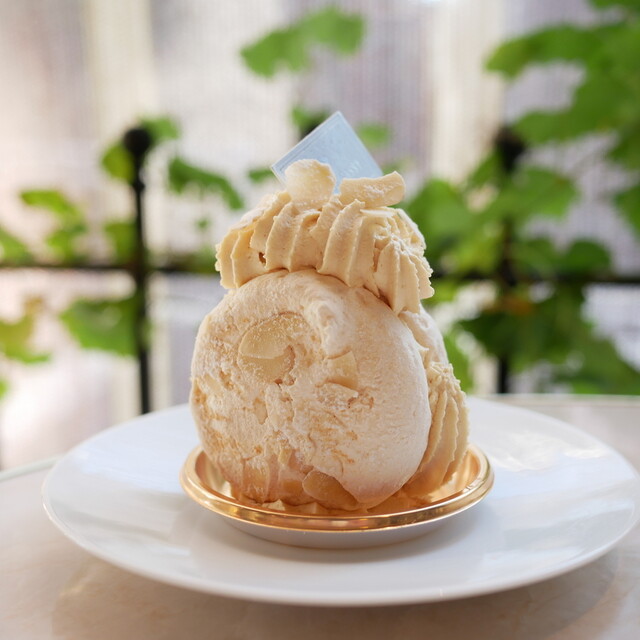
Gakugei Daigaku feels like Tokyo after the major department-store food halls fall away: narrower streets, local errands, and dessert culture that rewards repeat visits over spectacle. Here, French-style pastry in Tokyo is less grand dining-room ceremony than neighborhood-scale precision. RUE DE PASSY fits that pattern: cake, café and bread under one roof, a compact room, and a reputation built through sweets-focused recognition rather than luxury-restaurant theater.
Tokyo’s pastry scene is unusually competitive because it is judged on two fronts at once: disciplined French technique and Japanese daily-use expectations, from clean packaging and controlled sweetness to seasonal turnover and prices that keep a serious cake an ordinary afternoon decision. A patisserie in Meguro can matter without acting like a destination dining room; craft is assessed in the cabinet, at the counter, and in how reliably a shop enters local routines.
Tokyo sweets culture, measured by repeat recognition rather than ceremony
The signal is not one burst of attention. RUE DE PASSY was selected for Tabelog 100 Sweets Tokyo in 2018, 2019, 2020, 2022 and 2023, placing it inside the city’s durable pastry conversation. Tabelog’s sweets category matters because it separates patisserie and dessert counters from full-service restaurants; the comparison is with specialist addresses, not sushi counters, kappo rooms or hotel lounges.
That distinction matters in Tokyo. A cake shop with an average spend around JPY 1,000 to JPY 1,999 competes on frequency and trust; higher-priced dining rooms compete on occasion and reservation scarcity. Nearby venues show the neighborhood economy’s granularity: MATTERHORN and Meguro Hiiragi Himonya kouen doori ten sit in a lower everyday-price band, while Teuchi Soba Yakko and Spice Kurashi occupy a higher JPY 3,000 to JPY 3,999 bracket. RUE DE PASSY lands in the middle, where a purchase can be casual and expectations exacting.
The format reinforces that position. Take-out is central, the eat-in area is small, and the mix of cake, café and bread makes the shop part of a Tokyo habit: buying something carefully made without turning the exchange into a long meal. It is not the same decision as choosing a tasting menu or bar counter; it is closer to selecting a trusted specialist before visiting friends, after a train ride, or as a planned west-side Tokyo stop.
A small room in Gakugei Daigaku, not a grand dessert salon
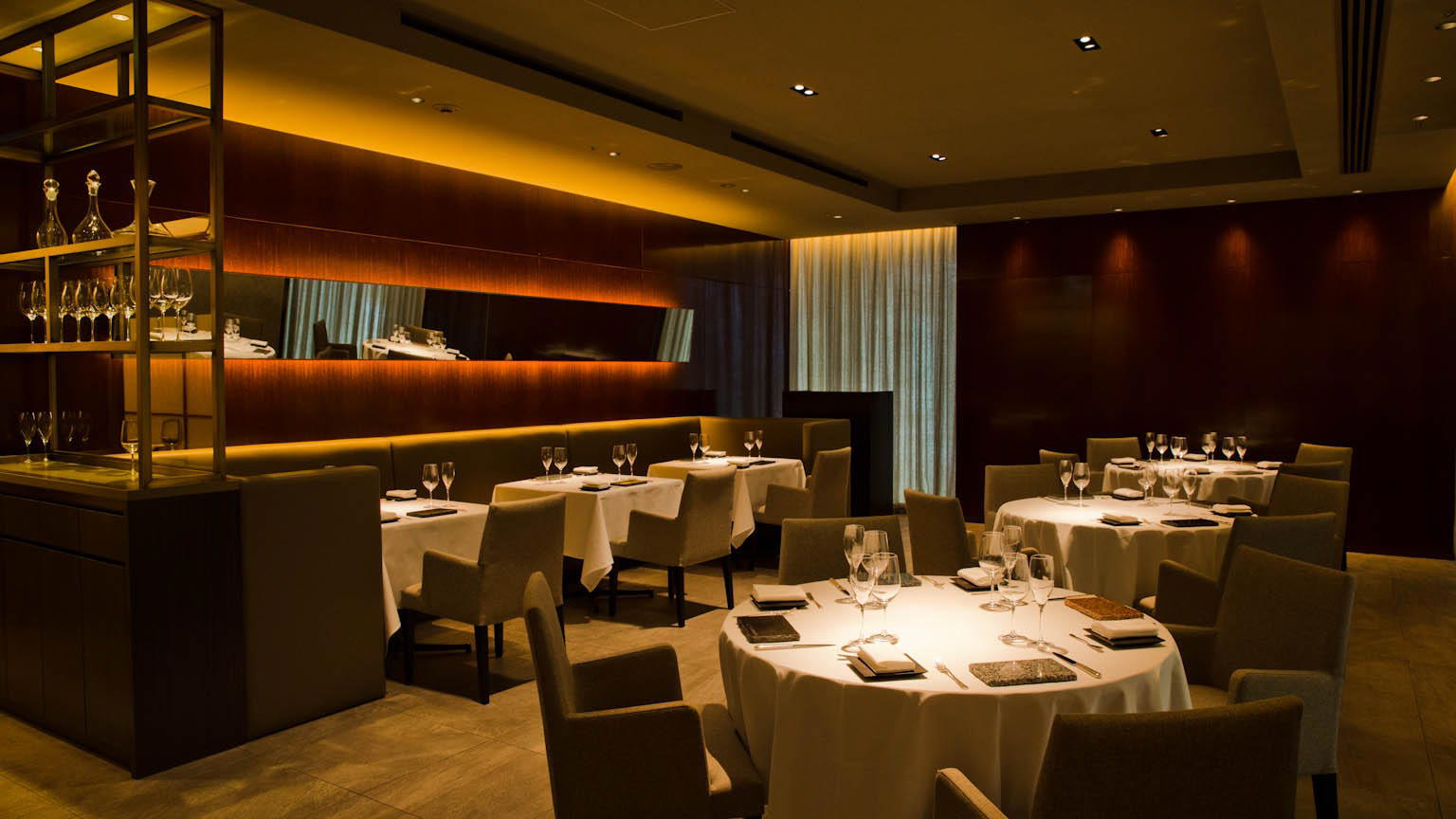
Gakugei Daigaku sits on the Tokyu Toyoko Line, a corridor with a different rhythm from Ginza, Roppongi or Shinjuku. The area rewards compact specialists: bakeries, curry shops, soba counters, patisseries and neighborhood restaurants that do not need a hotel lobby or flagship address to hold attention. The restaurant’s eight seats and six round tables place it firmly in that small-format Tokyo category, where eat-in space is secondary to production and turnover.
The shop opened on September 1, 2011, after relocating from Chuo-cho in Meguro, and later announced a relocation-related closure from the Gakugeidaigaku site on October 1, 2023 after 22 years in the area. For Tokyo sweets readers, that neighborhood tenure is a credential. Patisseries rarely last on novelty alone; they survive through habit, gifting culture and local confidence.
Small scale has practical consequences. Fresh sweets may sell out early, and the room is not built for lingering groups. Children under elementary school age cannot use the eat-in seats, and parties are limited to three people. The no-smoking policy and credit-card acceptance simplify the visit, but electronic money and QR code payments are not accepted. There is no parking, though a nearby paid lot may qualify for a discount depending on spend if a parking certificate is presented.
How to place it inside a Tokyo food day
Use a patisserie like this as a calibrated stop, not the anchor for an itinerary. It fits naturally into a west-side route with independent cafés, bakeries and low-key neighborhood meals. For broader planning, Our full Tokyo restaurants guide gives the wider dining frame, while Our full Tokyo hotels guide, Our full Tokyo bars guide, Our full Tokyo wineries guide and Our full Tokyo experiences guide help separate pastry stops from the rest of a Tokyo trip.
Within the city’s dining spread, the contrast is useful. A sweets stop in Meguro plays a different role from grilled fish or charcoal cooking at. 鮪と炭火焼き うお炭 秋葉原店, a Shinjuku meal at 12/10 Shinjuku ten, yakitori at 124. KAGURAZAKA (Yakitori), stylized café culture at 2D Cafe, or curry at 3 Chome no Curry Ya San. The point is category clarity: dessert specialists should be judged by cadence, consistency and local demand, not the grammar of a full restaurant review.
For travelers building a Japan-wide food map, this Tokyo sweets address also sits beside regional decisions: sukiyaki in Kanagawa at -Grilled beef Sukiyaki- KAMAKURA TANUKIAN 鎌倉 たぬき庵 in Kamakura, café culture at.cafe in Osaka, contemporary dining at.know in Kumamoto, Vietnamese cooking at (Shoku) Vietnam in Kawasaki, curry in Hokkaido at [Curry Senmon Ten] Maruyama Kyoju. in Sapporo, and Kyoto dining at [ki:] in Kyoto. Across the Pacific, Jōdo Saké Bar in Los Angeles and Onigiri Time in Pasadena show how Japanese formats translate abroad, but Tokyo patisserie culture remains rooted in daily precision rather than export branding.
Know Before You Go
- Area: Takaban, Meguro, Tokyo, near Gakugei Daigaku Station.
- Format: Cake, café and bread, with take-out service and limited eat-in seating.
- Recognition: Selected for Tabelog 100 Sweets Tokyo in 2018, 2019, 2020, 2022 and 2023.
- Price signal: Average spend is JPY 1,000 to JPY 1,999.
- Room: Eight seats across six round tables.
- Payment: Credit cards accepted; electronic money and QR code payments are not accepted.
- Timing: Fresh sweets may sell out before the posted close.
Reputation First
Nearby venues at a similar price tier for orientation.
| Venue | Cuisine | Price | Notes |
|---|---|---|---|
| RUE DE PASSYThis venue — the venue you are viewing | Modern French patisserie | $$ | Not listed |
| ル ボーズ | French-Japanese Fusion | Not listed | Chūō |
| Pan au Sourire | French-style artisan bakery & café | $$ | Shibuya |
| Au Gamin de Tokio | French Bistro | $$$ | Ebisu |
| IL PLEUT SUR LA SEINE | French Patisserie | $$ | Shibuya |
| YOSHIDA HOUSE | French Bistro | $$$ | Shibuya |
Recognition history
Dated appearances from independent guides and award organizations, with the underlying list record or original source where available.
Tabelog 100 #63 · No. 63
Tabelog · Tabelog 100 - Sweets - TOKYO - 2023












At a Glance
- Modern
- Classic
- Cozy
- Elegant
- Casual Hangout
- Solo
- After Work
- Family
- Standalone
- Design Destination
- Local Sourcing
Feels like a small Parisian patisserie transplanted into a quiet Meguro side street, with a refined yet relaxed atmosphere, limited counter-style eat‑in space, and a focus on beautifully presented French sweets rather than lingering cafe traffic.