Our verdict
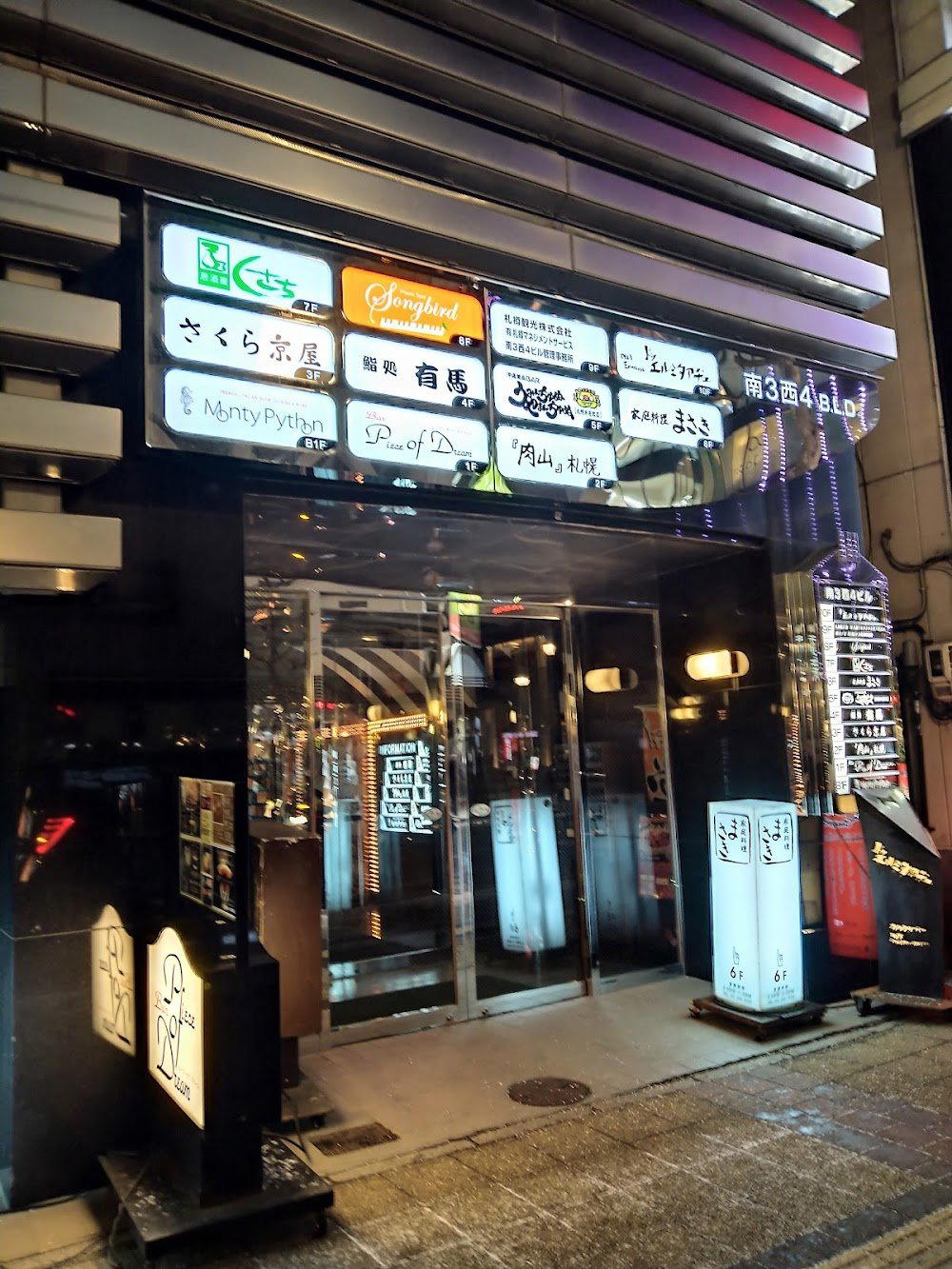
Located in Chuo Ward's Minami 3 Jonishi district, 田乃鮨 occupies a floor of the G&DINING SAPPORO building, placing it within the city's concentrated fine-dining corridor. Sapporo's sushi tradition draws on Hokkaido's extraordinary seafood resources, and venues at this address tend to operate in the upper tier of the local counter scene. Booking ahead is advisable for first-time visitors unfamiliar with the reservation rhythms of Sapporo's serious sushi houses.

Pearl is the En Primeur Club membership app — saves, bookings, and concierge access live there. Same editors, same standards.
- Address
- Japan, 〒060-0063 Hokkaido, Sapporo, Chuo Ward, Minami 3 Jonishi, 3 Chome 2GDINING SAPPORO 6F
- Phone
- +81112111206
- Website
- nfd-taku.com
- Directions
- Get directions
- Booking
- Book on the venue's website
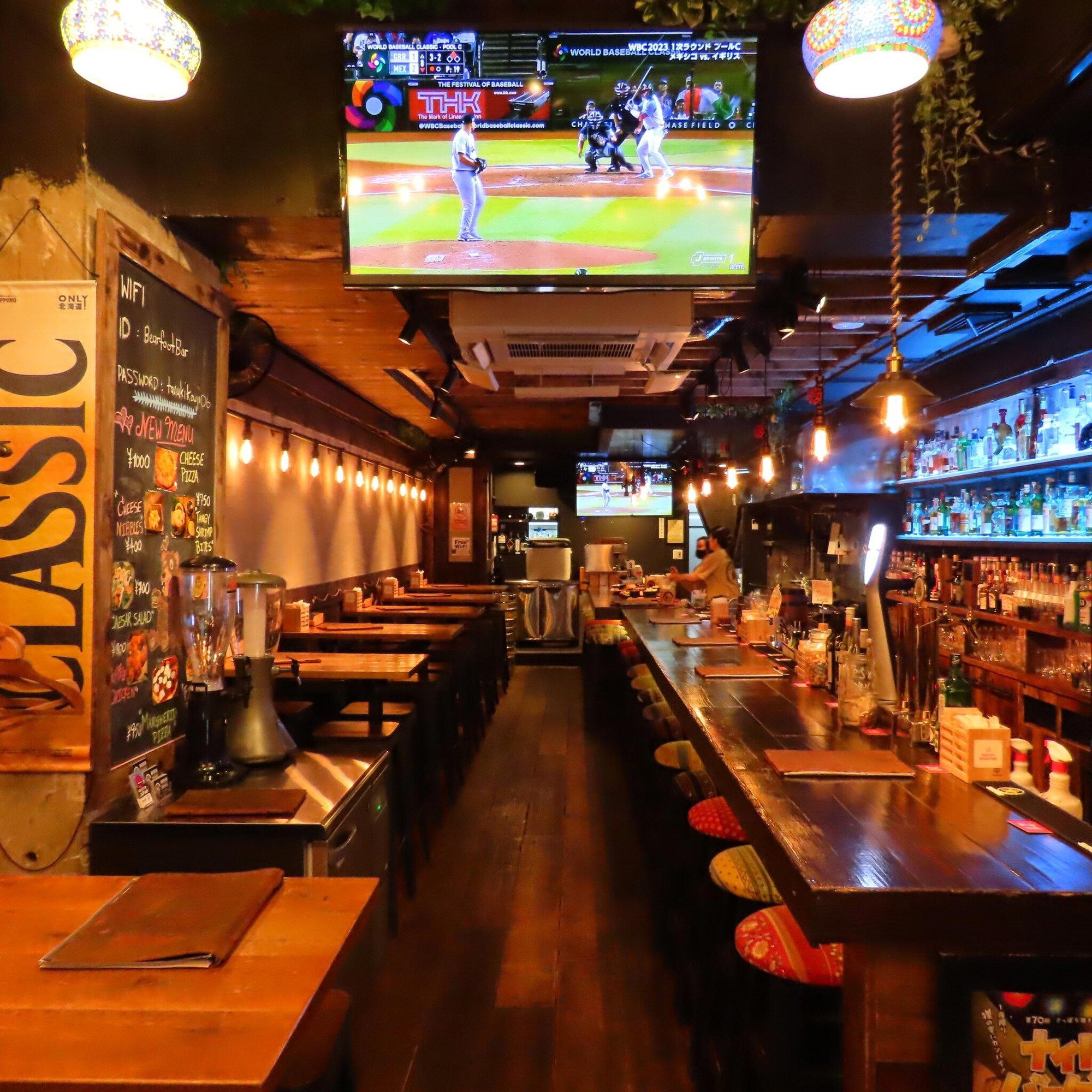
The Address and What It Signals
In Sapporo's Chuo Ward, the stretch around Minami 3 Jonishi has accumulated a recognisable density of serious dining rooms over the past decade. The G&DINING; SAPPORO building, where 田乃鮨 occupies a dedicated floor, sits in that corridor, which means it shares a postal code with venues operating at the sharper end of the city's restaurant market. Arriving from the Susukino or Odori areas, the building's position makes it a practical anchor for an evening that starts with a reservation rather than a walk-in decision. The setting itself, a purpose-built dining floor rather than a street-level shopfront, tends to signal a certain intent: counter seating, a structured progression, and an operator whose primary concern is what happens at the pass rather than foot traffic from below.
Sapporo's Sushi Counter Scene
Sapporo has a legitimate claim to being Japan's most ingredient-advantaged sushi city. Hokkaido's fisheries produce sea urchin from Rishiri and Rebun that chefs in Tokyo pay a premium to source, snow crab and hairy crab in volumes the southern prefectures cannot match, scallops from Sarufutsu that arrive at counters within hours of harvest, and salmon from rivers and sea farms that define a regional flavour profile unavailable elsewhere in Japan. Counters working at the upper end of the Sapporo market do not need to import prestige ingredients from Tsukiji in the way their Tokyo counterparts often must: the prestige is local, seasonal, and frequently available only to those who have secured a seat in advance.
That material advantage shapes how Sapporo's serious sushi counters structure their menus. Where Tokyo omakase rooms often build around aged fish and technically elaborate preparations that compensate for time elapsed since catch, Hokkaido-sourced menus can lean into immediacy. The cold waters around the island produce fish and shellfish with a fat content and firmness that reward minimal intervention, and the leading counters in the city reflect that. Comparisons with venues like Arima (Sushi) and aki nagao illustrate how different operators in the same city respond to the same raw material advantage with distinct menu philosophies.
Menu Architecture: How the Counter Tells Its Story
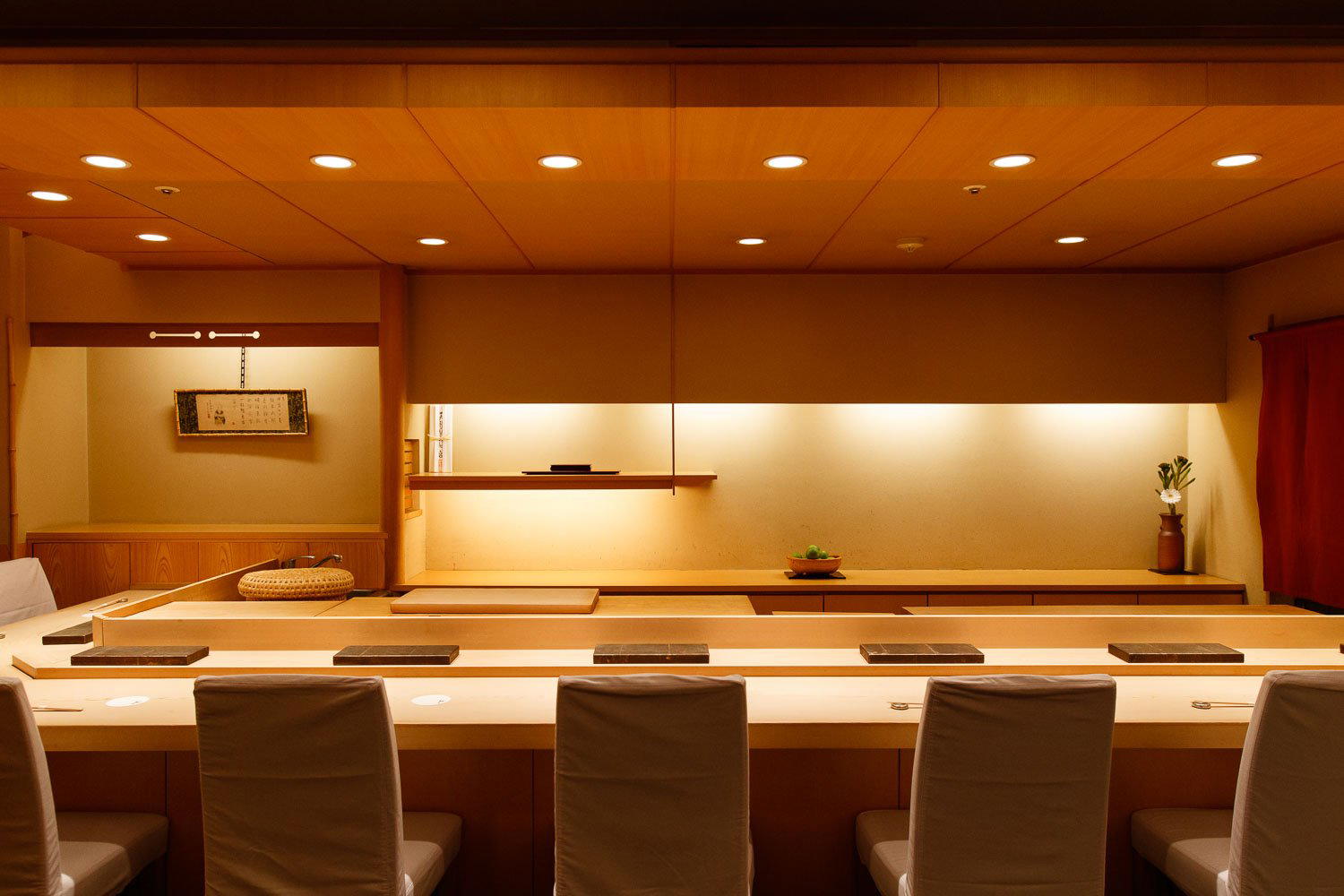
The editorial angle that matters most for a Sapporo sushi counter is not the chef's biography but the logic of the sequence. A well-constructed omakase does not simply present fish in descending order of boldness or price; it builds an argument about a season, a region, and a set of decisions made at the market that morning. The structure of a counter menu at this level in Sapporo typically moves through lighter white fish, then shellfish where Hokkaido's seasonal catch is given maximum exposure, before arriving at the fattier or more intensely flavoured pieces that anchor the middle of the meal. The sequence is a form of editing, and what a counter chooses to include, omit, or position as the centrepiece tells the informed diner more about the kitchen's priorities than any descriptor on a menu card.
The G&DINING; building format, with its dedicated dining floor removed from street-level noise, creates conditions that support this kind of deliberate pacing. Counter dining depends on a particular acoustic register, one that allows conversation between diner and chef without requiring either to raise their voice, and a purpose-built space on an upper floor tends to reduce the ambient interference that compromises that exchange in busier ground-floor rooms. For context on how this kind of format plays out at comparable counters across Japan, the experiences at Harutaka in Tokyo and Gion Sasaki in Kyoto offer useful reference points for what structured counter dining looks like when the room is designed around the progression rather than adapted to it.
Sapporo's Wider Fine-Dining Context
田乃鮨 operates in a city whose fine-dining tier has grown considerably in ambition and international recognition over the past several years. The Michelin Guide's presence in Hokkaido has formalized what local diners already knew: that Sapporo supports a serious restaurant culture across multiple formats, from kaiseki rooms like Hanakoji Sawada (Kaiseki) to the more informal but carefully considered approach at Higebozu and Hidetaka. Sushi sits at the centre of that ecosystem not because it dominates numerically, but because it is the format most directly tied to Hokkaido's defining seasonal ingredient cycles.
For visitors arriving from other Japanese cities, Sapporo's counter scene offers a contrast to the more export-oriented style of Tokyo sushi, where menus have in some cases shifted to accommodate international expectations around aged fish and elaborate presentations. The Hokkaido counter tends to be more conservative in technique and more aggressive in sourcing, operating on the assumption that the ingredient requires less transformation.
For readers tracking Japan's broader regional dining scene, the Ajidocoro in Yubari District and affetto akita in Akita illustrate how Hokkaido and Tohoku producers are increasingly supplying kitchens that operate well outside the traditional Tokyo-Osaka axis. Venues like akordu in Nara, Abon in Ashiya, and Aji Arai in Oita similarly demonstrate that Japan's most compelling dining is no longer concentrated in three cities. Akakichi in Imabari reinforces that pattern from a Shikoku perspective.
Planning Your Visit
The Chuo Ward address in Minami 3 Jonishi places 田乃鮨 within walking distance of Sapporo's main transit spine, making it accessible from the city's central hotels without requiring a taxi or car. The G&DINING; building format, with dining on a dedicated floor, means the entrance experience differs from a street-level noren: visitors should confirm the floor and room number when booking rather than assuming street-level access. Given the concentration of serious counters in this part of Sapporo, the neighbourhood works well as an anchor for a broader evening, with the dining room as the fixed point and the surrounding streets offering options before or after. Visitors planning around Hokkaido's seasonal peaks, sea urchin season from June through August, and snow crab from November through March, will find that counter availability tightens considerably during those windows, and advance planning is proportionally more important. Our full Sapporo restaurants guide covers the broader scheduling context for dining in the city across the year.
International points of reference for understanding what a counter at this level is attempting, even in a different culinary tradition, include Le Bernardin in New York City for its treatment of seafood as a primary rather than supporting ingredient, and Lazy Bear in San Francisco for its commitment to a structured, sequence-driven format where the menu's architecture is as deliberate as its sourcing.
Frequently asked questions
Is 田乃鮨 okay with children?
A counter-format omakase in Sapporo's Chuo Ward is, by its nature, a sequenced, quiet dining experience where each course follows a deliberate pace. Young children who are not comfortable sitting through a multi-course meal without interruption would likely find the format challenging, and fellow diners at the counter would notice the disruption. Older children with genuine interest in Japanese cuisine are a different consideration, though it is worth contacting the venue directly before booking.
Where do I go for ç°ä¹ é®?
ç°ä¹ é® is located at Japan, ã060-0063 Hokkaido, Sapporo, Chuo Ward, Minami 3 Jonishi, 3 Chome ï¼ï¼§DINING SAPPORO ï¼F, Sapporo.
Can I walk in to ç°ä¹ é®?
Reservations are recommended for ç°ä¹ é® in Sapporo. Confirm current policy via the venue's official channels.
What's the overall feel of 田乃鮨?
The restaurant sits inside G DINING SAPPORO on Minami 3 Jonishi, a building that concentrates serious dining rooms in one address, which sets the register before you arrive. Counter omakase in this Chuo Ward context tends toward focused and unhurried: conversation is direct between the chef and the guest, and the room's energy follows the rhythm of the meal rather than the noise of a full dining floor. It reads as precise and considered rather than celebratory.
A Credentials Check
Comparable venues nearby, for context on price, style, and recognition.
| Venue | Cuisine | Price | Awards | Notes |
|---|---|---|---|---|
| ç°ä¹ é®This venue — the venue you are viewing | Traditional Japanese Omakase | Not listed | Not listed | Not listed |
| Sanko Sha | Traditional sukiyaki, shabu-shabu and steak | $50–100 | Tabelog 100 #44 | Chūō |
| Kuriya | Sushi Omakase | $100–150 | Tabelog 100 #55 | Shiroishi |
| Shinohei | Reservation-only Wagyu Shabu-shabu | $50–100 | Tabelog 100 #63 | Chūō |
| Sushi Kin | Hokkaido Omakase Sushi | $150–200 | Not listed | Nishi |
| Sushi Saikou | Hokkaido Omakase | $50–100 | Not listed | Chūō |
Continue exploring
More in Sapporo
Restaurants in Sapporo
Browse all →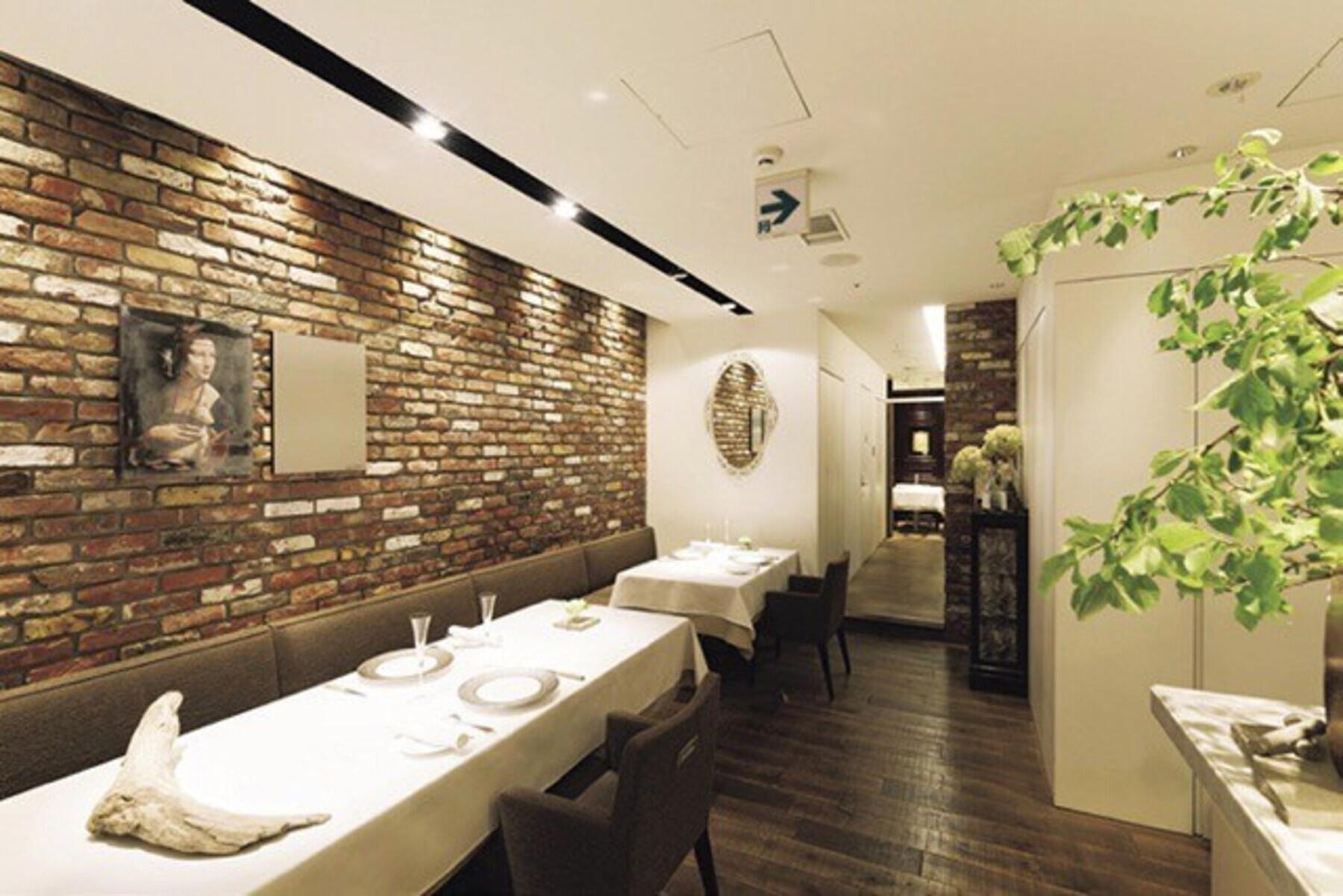
Details
- Elegant
- Intimate
- Sophisticated
- Date Night
- Special Occasion
- Chefs Counter
- Open Kitchen
- Sake Program
- Local Sourcing
- Omakase
- Counter Dining
- Sake
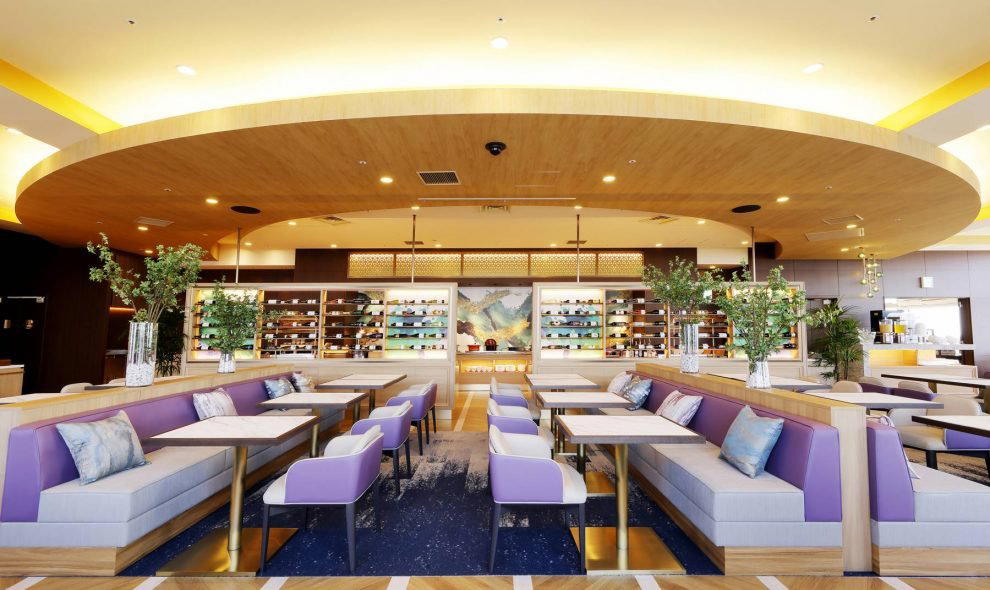
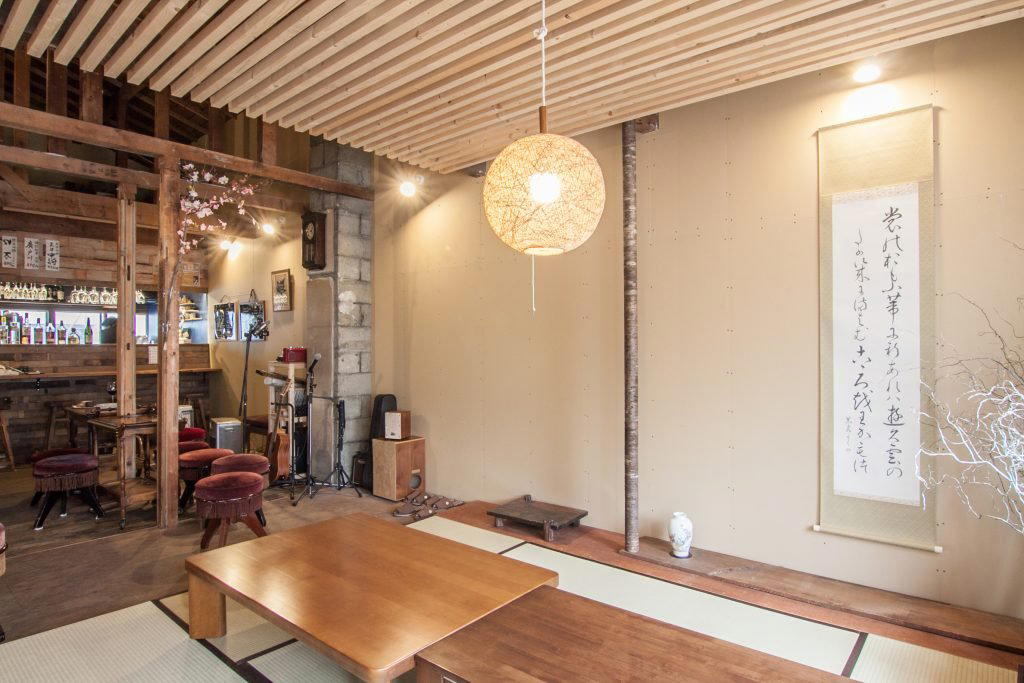
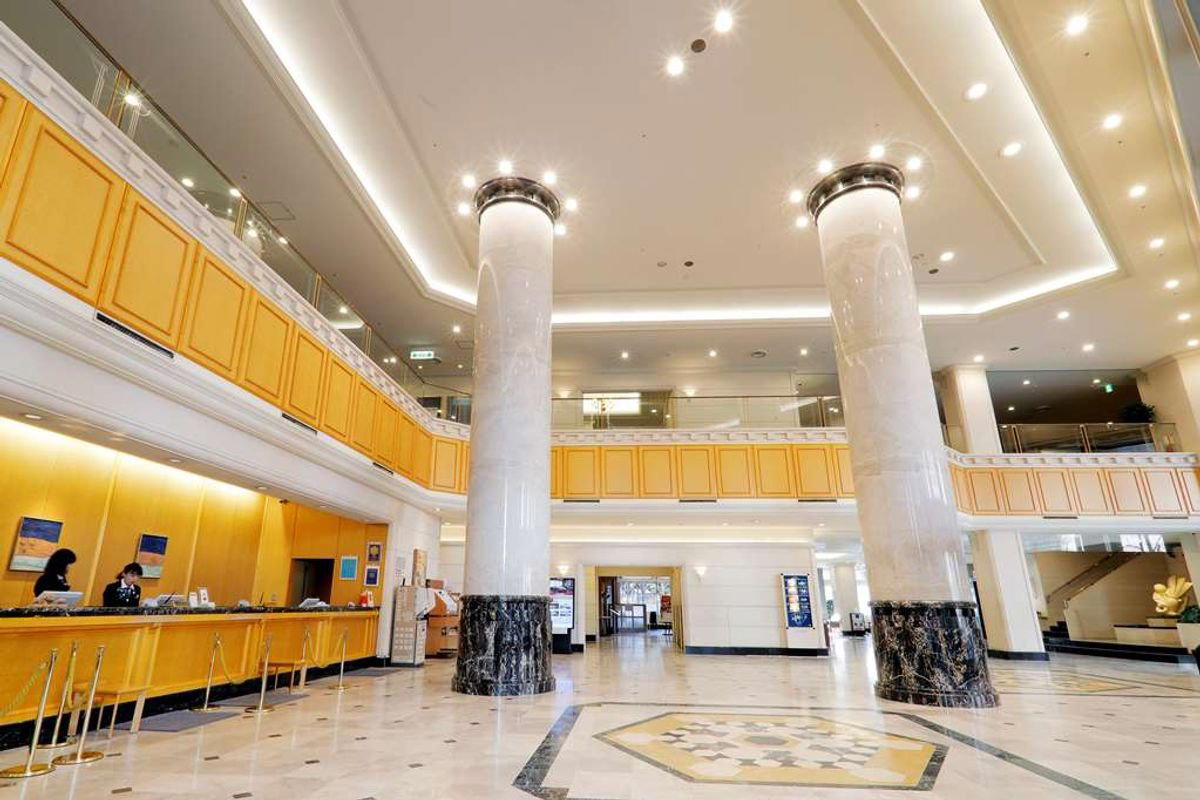
Warm, minimalist interior with soft lighting and traditional Japanese aesthetic