
Sapporo’s hot-pot dining runs deeper than winter comfort food, and Sanko Sha sits in the serious sukiyaki-shabu shabu tier with Tabelog 100 Hot Pot 2024 recognition. The draw is not novelty but format discipline: beef-led cooking, private-room flexibility, sommelier service, and a central Susukino setting that suits groups as much as destination diners.
Pearl is the En Primeur Club membership app — saves, bookings, and concierge access live there. Same editors, same standards.
- Address
- 北海道札幌市中央区南四条西2 ホテルメルキュール札幌 2F
- Phone
- +81115133548
- Website
- sukiyaki-sankousha.jp
 Saves & bookings on Pearl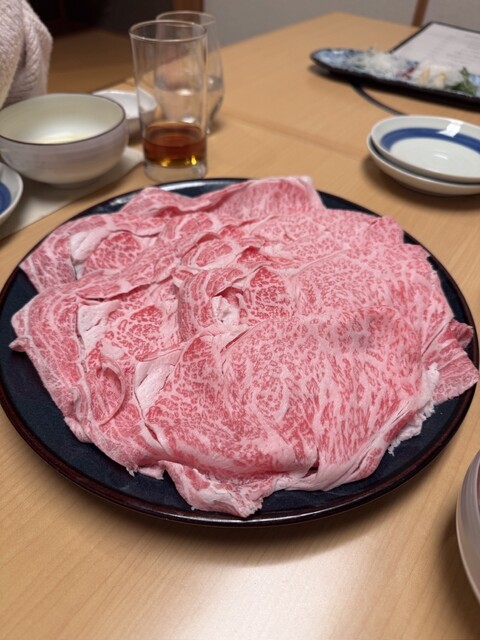
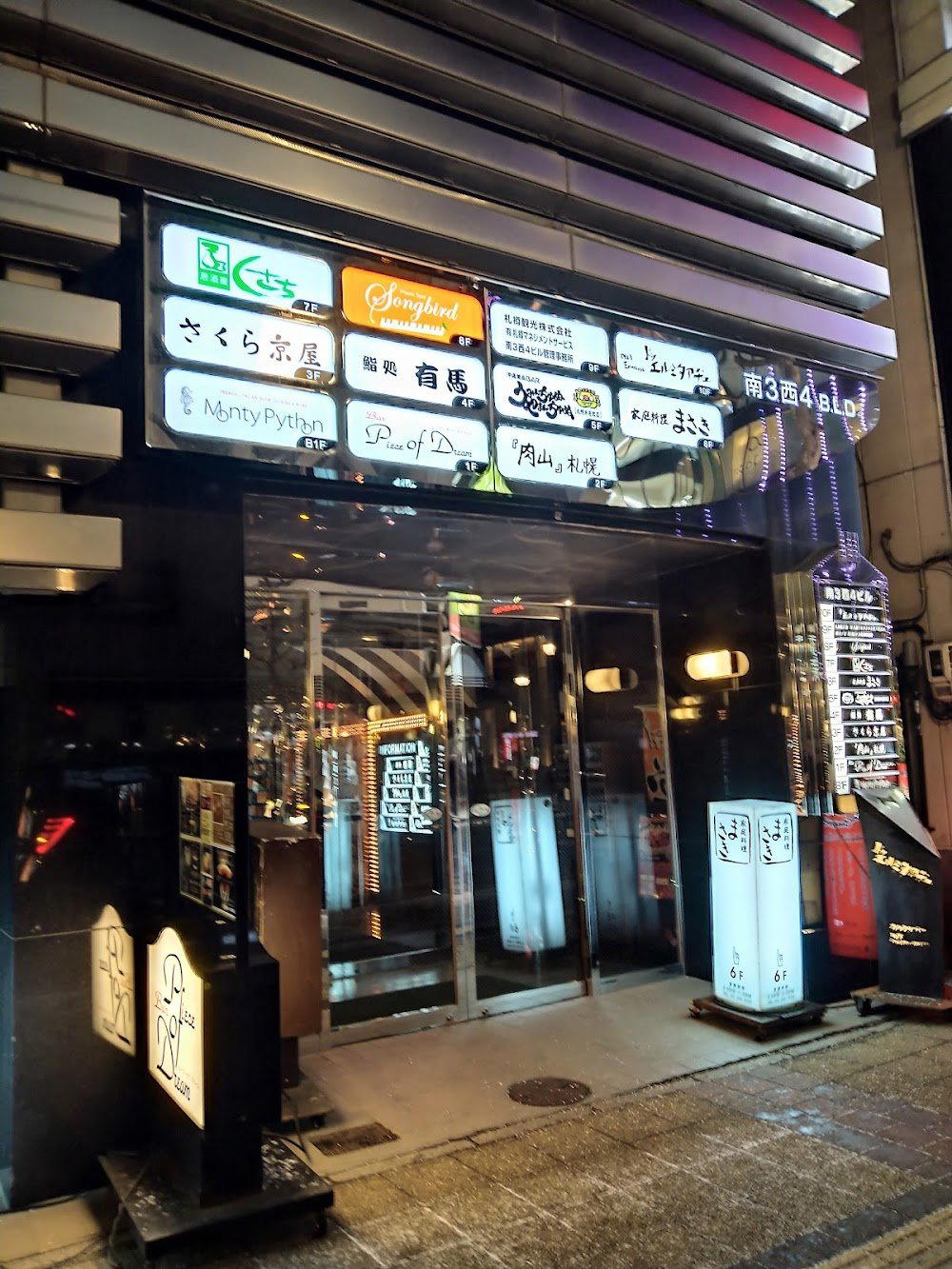
Hotel dining in Susukino can look transactional from the street: bright signs, lifts, corridors, then rooms built for longer meals. In Sapporo, that matters. The city’s serious eating is often framed by ramen counters, crab rooms, jingisukan smoke, and seafood markets, but hot pot occupies a quieter lane: social, seasonal, and dependent on pacing more than spectacle. Sanko Sha belongs there, using sukiyaki, shabu shabu, and steak as the grammar of a beef-focused meal, not as a casual add-on.
Read this address through planning. Sapporo visitors often build itineraries around seafood lunches, late-night ramen, and snow-season drinking in Susukino; hot pot changes the rhythm. It asks for a table, time, and company. That differs from Ganso Sapporo Ramen Mogura, Fujiya NOODLE, or Ramen Shingetsu, where the economic and emotional contract is shorter. Sanko Sha sits in a more deliberate bracket, with Tabelog 100 Hot Pot 2024 recognition and a Tabelog score of 3.58 placing it inside Japan’s data-heavy restaurant culture rather than the foreign-traveler folklore that often defines Hokkaido dining from outside.
Sukiyaki and shabu shabu as Sapporo planning, not just cold-weather comfort
Hot pot in Japan is not one category. Sukiyaki leans into sweet soy seasoning and controlled richness; shabu shabu is built around swishing thinly sliced meat through broth and managing texture at the table. Both reward diners who understand pace. The meal is participatory, not chaotic: sequence, dipping, cooking time, and shared space shape the experience as much as ingredients. In a city where winter temperatures make simmering pots feel inevitable, the question is whether a room gives the format enough structure to justify a dedicated evening.
That is where recognition matters. Tabelog’s Hyakumeiten lists are not casual popularity badges; they are category-specific signals in a market where locals compare restaurants with forensic attention. Selection for Hot Pot in 2024 puts Sanko Sha in a national conversation about sukiyaki and shabu shabu, a category that rarely receives the international shorthand given to sushi or kaiseki. For travelers, the award narrows a wide field. Sapporo has abundant casual eating, but a recognized hot-pot room gives a trip another register: slower, beef-focused, and suited to a table that wants conversation built into the meal.
The drink program shows a broader shift in Japanese hot-pot dining. Sake and shochu remain natural partners, yet wine service has become more common in beef-led rooms because fat, sweetness, and broth can handle more than expected pairings. A sommelier on site is not decoration; it signals a composed dinner rather than a pot placed in the middle of a table. The point is not to turn sukiyaki into Western fine dining, but to widen pairing decisions as the cooking moves between sweetness, heat, and leaner broth work.
The room favors groups, privacy, and a slower Susukino evening
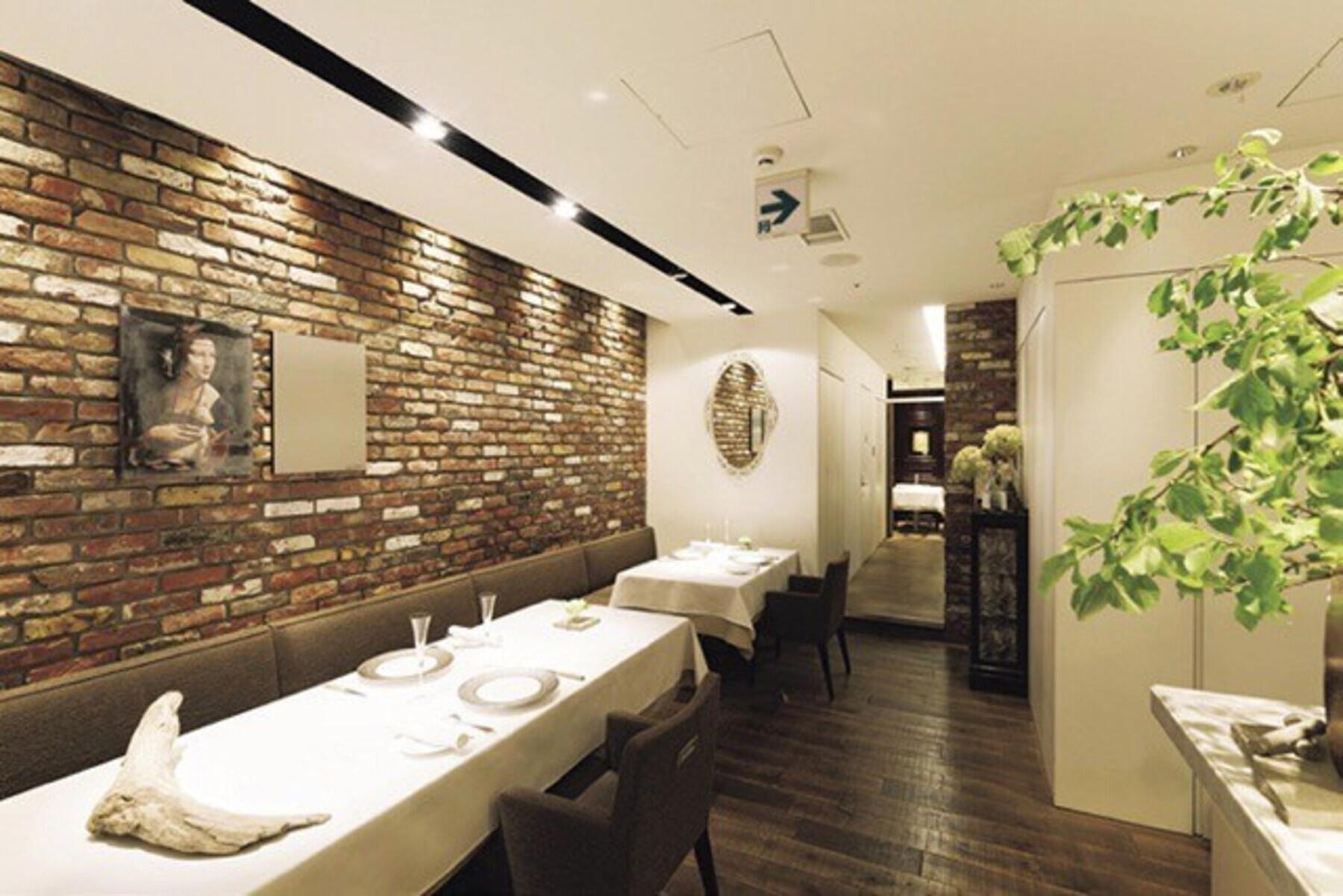
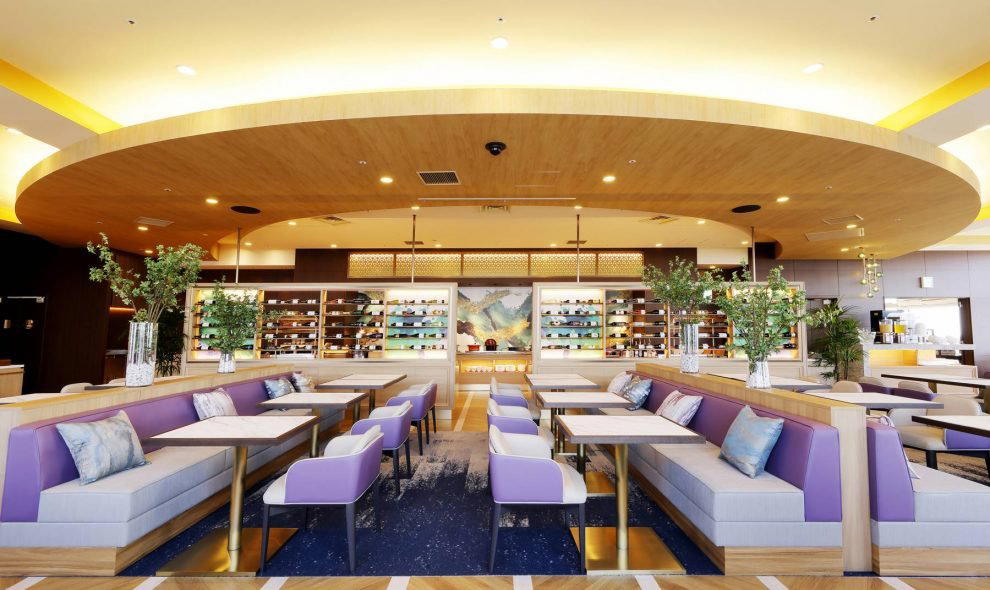
Sapporo’s central dining geography can push visitors toward quick decisions: station ramen, seafood near morning-market routes, bar-hopping after dark. This format resists that pace. A 65-seat room with private rooms for small and mid-sized parties gives hot pot the setting it needs, especially for families, business meals, and friends who want a contained dinner rather than a counter crawl. Tatami and sunken seating place the meal inside a recognizably Japanese social format, where the table becomes the night’s center and the cooking unfolds in shared view.
The venue’s 2009 move from another Chuo-ku address is a useful continuity marker. Sapporo restaurants can be shaped by real-estate cycles, tourism waves, and neighborhood traffic; relocation within the same central dining orbit suggests repeat local use as much as visitor discovery. That distinction matters in Susukino, where some restaurants exist mainly for passing demand. Hot pot with private rooms, children welcome, and a drink list spanning sake, shochu, and wine reads differently: it is built for occasions that need predictability.
There is also a practical editorial distinction between this meal and Sapporo’s faster traditions. Ramen is solitary or small-party by design; curry shops and bakeries usually suit daytime routing; sushi and kappo focus attention on a counter or chef-led sequence. Sukiyaki and shabu shabu put the group into the process. That makes the restaurant a stronger fit when the evening requires shared decision-making and an unhurried table, not a rapid hit before bars or a prestige counter where conversation competes with ceremony.
How to place it within a broader Sapporo itinerary
A coherent Sapporo dining plan should not treat every meal as a trophy hunt. The city works better when categories do different jobs. For ramen context, compare the quicker noodle economy through 175°DENO Tantanmen Sapporo kitaguchi ten. For curry, the spread runs from [Curry Senmon Ten] Maruyama Kyoju. to Ajanta Indo Curry Ten and Ajanta Sohonke. For a different Hokkaido grain-and-oven register, Aigues Vives shows how the region’s appetite extends beyond seafood and soup.
Readers mapping the city by category can use Our full Sapporo restaurants guide alongside Our full Sapporo hotels guide, Our full Sapporo bars guide, Our full Sapporo wineries guide, and Our full Sapporo experiences guide. For national comparison across Japanese dining formats, see -Grilled beef Sukiyaki- KAMAKURA TANUKIAN 鎌倉 たぬき庵 in Kamakura. 鮪と炭火焼き うお炭 秋葉原店 in Tokyo.cafe in Osaka.know in Kumamoto, (Shoku) Vietnam in Kawasaki, [ki:] in Kyoto, Jōdo Saké Bar in Los Angeles, and Onigiri Time in Pasadena.
The editorial case for the restaurant is clear: choose it when Sapporo needs a composed hot-pot dinner rather than another quick counter meal. The evidence is concrete: Tabelog 100 Hot Pot 2024 selection, 65 seats, private rooms across several party sizes, sommelier service, and a format centered on sukiyaki, shabu shabu, and steak. In a city where many visitors chase immediacy, this slower table makes sense when the night is meant to hold together.
What It’s Closest To
Comparable venues at similar price and category levels.
| Venue | Cuisine | Price | Notes |
|---|---|---|---|
| Sanko ShaThis venue — the venue you are viewing | Traditional sukiyaki, shabu-shabu and steak | $$$ | Not listed |
| Teppanyaki Urushi | Hokkaido Wagyu & Seafood Teppanyaki | $$$ | Chūō |
| はなれ味重 | Traditional Kaiseki | $$$ | Chūō |
| 日本料理 潤花 | Traditional Japanese Kaiseki | $$$ | Chūō |
| Shinohei | Reservation-only Wagyu Shabu-shabu | $$$ | Chūō |
| 霜止出苗 | Edomae Sushi Omakase | $$$ | Chūō |
Recognition history
Dated appearances from independent guides and award organizations, with the underlying list record or original source where available.
Tabelog 100 #44 · No. 44
Tabelog · Tabelog 100 - Hot Pot - 2024

At a Glance
- Classic
- Elegant
- Cozy
- Intimate
- Date Night
- Business Dinner
- Group Dining
- Family
- Celebration
- Special Occasion
- After Work
- Wine Cellar
- Private Dining
- Hotel Restaurant
- Extensive Wine List
- Sommelier Led
A calm, traditional Japanese steak and hotpot house inside a hotel building, with subdued, quietly elegant rooms and partitioned spaces that feel intimate despite accommodating larger groups.