Located in Sapporo's Chuo Ward, Sushi Saikou operates within a city that has quietly developed one of Japan's most compelling sushi scenes, built on Hokkaido's extraordinary seafood supply. The restaurant sits in the Minami 6 Jonishi neighbourhood, where a growing concentration of serious dining rooms has positioned Sapporo as a destination in its own right rather than a stopover between Tokyo and the north.
Pearl is the En Primeur Club membership app — saves, bookings, and concierge access live there. Same editors, same standards.
- Address
- Japan, 〒064-0806 Hokkaido, Sapporo, Chuo Ward, Minami 6 Jonishi, 3 Chome−6−6 NEXTビル 1階
- Phone
- +81115111544
- Website
- sushisaikou.com
- Directions
- Get directions
 Saves & bookings on Pearl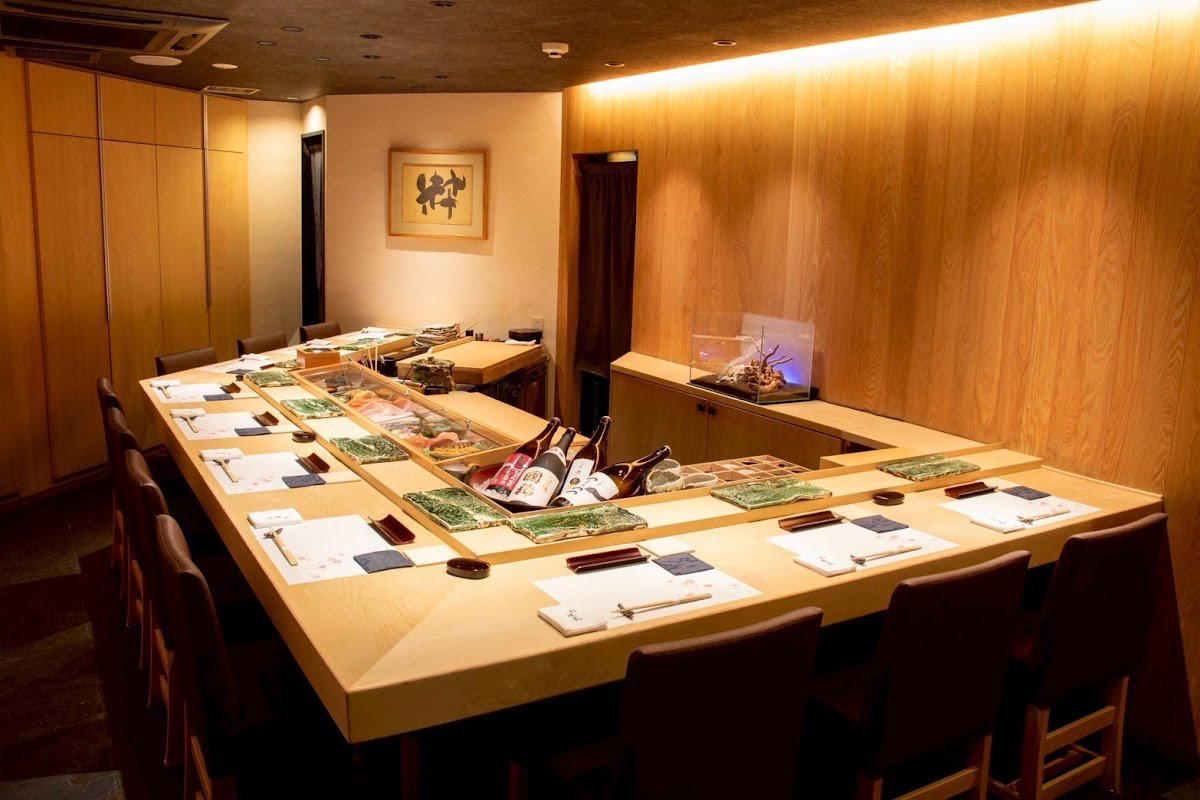
Where Hokkaido's Seafood Supply Meets the Counter Tradition
Sapporo's sushi scene operates at a structural advantage that few cities outside Tokyo can claim: it sits at the intersection of the Sea of Japan, the Pacific Ocean, and the Okhotsk Sea, each delivering a distinct seasonal catch to local markets. Uni from Rishiri and Rebun islands arrives in summer with a sweetness and ocean salinity that product flown to Ginza counters cannot fully replicate by the time it lands. Salmon roe season peaks in early autumn, crab dominates winter, and snow-melt spring brings the first hairy crabs and surf clams. This seasonal rotation is not a selling point constructed by a marketing team; it is the biological calendar that serious sushi counters in Hokkaido build their menus around.
Sushi Saikou operates within this framework, positioned in Chuo Ward's Minami 6 Jonishi district. This pocket of central Sapporo has consolidated a quiet density of destination-grade dining rooms: Arima (Sushi) holds recognised standing in the same category, while Hanakoji Sawada (Kaiseki) anchors the kaiseki tier a short distance away. Sushi Saikou draws from the same supply infrastructure as its neighbours while operating in the omakase format that defines serious counter dining in Japan's provincial cities.
The Logic of Local Ingredients at a Precision Counter
The editorial case for Sapporo's sushi scene rests not just on proximity to ingredient sources but on how that proximity shapes technique. At counters where the fish travels in hours rather than days, ageing decisions shift. A tuna that might be aged five or six days in a Tokyo counter's humidity-controlled locker can often be served at a shorter rest in Hokkaido because baseline freshness is higher and the flavour curve starts from a different point. This is not an argument that Sapporo omakase is categorically superior to Tokyo; it is an argument that the regional seafood calendar creates a genuinely different product sequence that rewards visits at specific times of year.
That logic applies across Japan's more serious regional dining rooms. Goh in Fukuoka builds around Kyushu's distinct fish culture; Harutaka in Tokyo sources nationally but operates at the level where provenance labelling per piece has become standard. In Sapporo, the argument is more compressed: what Hokkaido grows, catches, and dives for is simply the content of the menu.
The Sapporo Counter Tier and Where Sushi Saikou Sits
Japan's regional sushi counter market has stratified over the past decade in ways that mirror, at smaller scale, what happened to Tokyo's Ginza and Kyoto's Gion. A leading layer of omakase counters operates with fixed menus, advance booking requirements, and pricing that reflects ingredient cost and scarcity. A broader middle tier serves high-quality à la carte dining. And a working-city layer of kaiten and neighbourhood sushi shops serves the population that eats sushi weekly rather than seasonally as an occasion.
Sushi Saikou sits within the counter tier. Sapporo peers in the serious dining category include Hidetaka and aki nagao, both operating in overlapping neighbourhood and format territory. For visitors building a Sapporo dining itinerary, Higebozu rounds out a different dimension of the city's dining character. Our full Sapporo restaurants guide maps the broader spread across categories and price tiers.
For context outside Hokkaido, the regional-provenance model that defines Sapporo's leading counters has strong parallels at Gion Sasaki in Kyoto, where the kitchen draws heavily from the Kyoto vegetable and freshwater tradition, and at HAJIME in Osaka, which takes a different approach by applying global technique to a Japanese base. The regional-ingredient-with-imported-method framing also appears in places like akordu in Nara and further afield at Atomix in New York City, where Korean-trained chefs build progressive tasting menus from American produce. The pattern is consistent: serious dining rooms in secondary cities anchor their identity to local supply, using technique as a multiplier rather than the primary statement.
Planning a Visit: Seasonal Timing and Practical Considerations
Timing a Sapporo sushi visit around the ingredient calendar produces meaningfully different meals at different points in the year. Summer, roughly June through August, is the window for Rishiri uni in peak condition. Early autumn, September into October, is salmon roe season, when ikura appears at its most vivid. Hokkaido's winter crab season, centred on hairy crab and king crab, extends through February. Spring brings the first of the Okhotsk scallops and turban shells. Any of these windows represents a coherent reason to visit; choosing a shoulder period outside peak season means trading some ingredient highlights for easier booking and more competitive pricing across the city's dining tier.
Sapporo's Chuo Ward is accessible directly from New Chitose Airport via the JR Rapid Airport service, which reaches Sapporo Station in approximately 37 minutes. From the station, the Minami 6 Jonishi area is within the central grid, reachable by the city's Namboku or Tozai subway lines or by taxi from the station forecourt. The neighbourhood itself sits south of Susukino, Sapporo's established entertainment district, which means the post-dinner geography for drinks or continuation is direct.
Given the venue database does not contain confirmed booking method or contact details for Sushi Saikou, prospective visitors should approach reservation planning through Sapporo-specialist travel concierge services or platforms familiar with omakase counter protocols in Hokkaido. Counter formats at this tier in Japanese cities typically require advance reservations of several weeks to two months, particularly for visits timed to peak seasonal windows. For seasonal availability in summer or crab season, planning three months ahead is a conservative benchmark based on comparable counters in the city.
The wider regional dining category in Japan rewards this kind of advance planning. Counters at Le Bernardin in New York City and comparably structured tasting-menu operations internationally demonstrate that the premium seafood format, wherever it appears, operates on lead times that reflect ingredient scarcity as much as seat count. In Sapporo's case, that scarcity is seasonal rather than structural: the seats may open, but the ingredient window closes.
How Sushi Saikou Sapporo compares with similar nearby venues.
| Venue | Cuisine | Price |
|---|---|---|
| Ramen Shingetsu | Not listed | JPY 1,000 - JPY 1,999 - JPY 999 |
| Fujiya NOODLE | Not listed | JPY 1,000 - JPY 1,999 |
| Mieda | Japanese Cuisine, Fugu (Pufferfish) | JPY 30,000 - JPY 39,999 |
| Ganso Sapporo Ramen Mogura | Not listed | JPY 999 - JPY 999 |
| Bar ESTARICO | Not listed | JPY 5,000 - JPY 5,999 |
Continue exploring
More in Sapporo
Restaurants in Sapporo
Browse all →
At a Glance
- Elegant
- Intimate
- Classic
- Sophisticated
- Special Occasion
- Date Night
- Business Dinner
- Chefs Counter
- Open Kitchen
- Sake Program
- Local Sourcing
- Sustainable Seafood
Current opening hours
- Monday
- 5:30–11 PM
- Tuesday
- 5:30–11 PM
- Wednesday
- 5:30–11 PM
- Thursday
- 5:30–11 PM
- Friday
- 5:30–11 PM
- Saturday
- 11 AM–1 PM, 5:30–11 PM
- Sunday
- Closed
Hours can change for holidays and private events. Last verified .
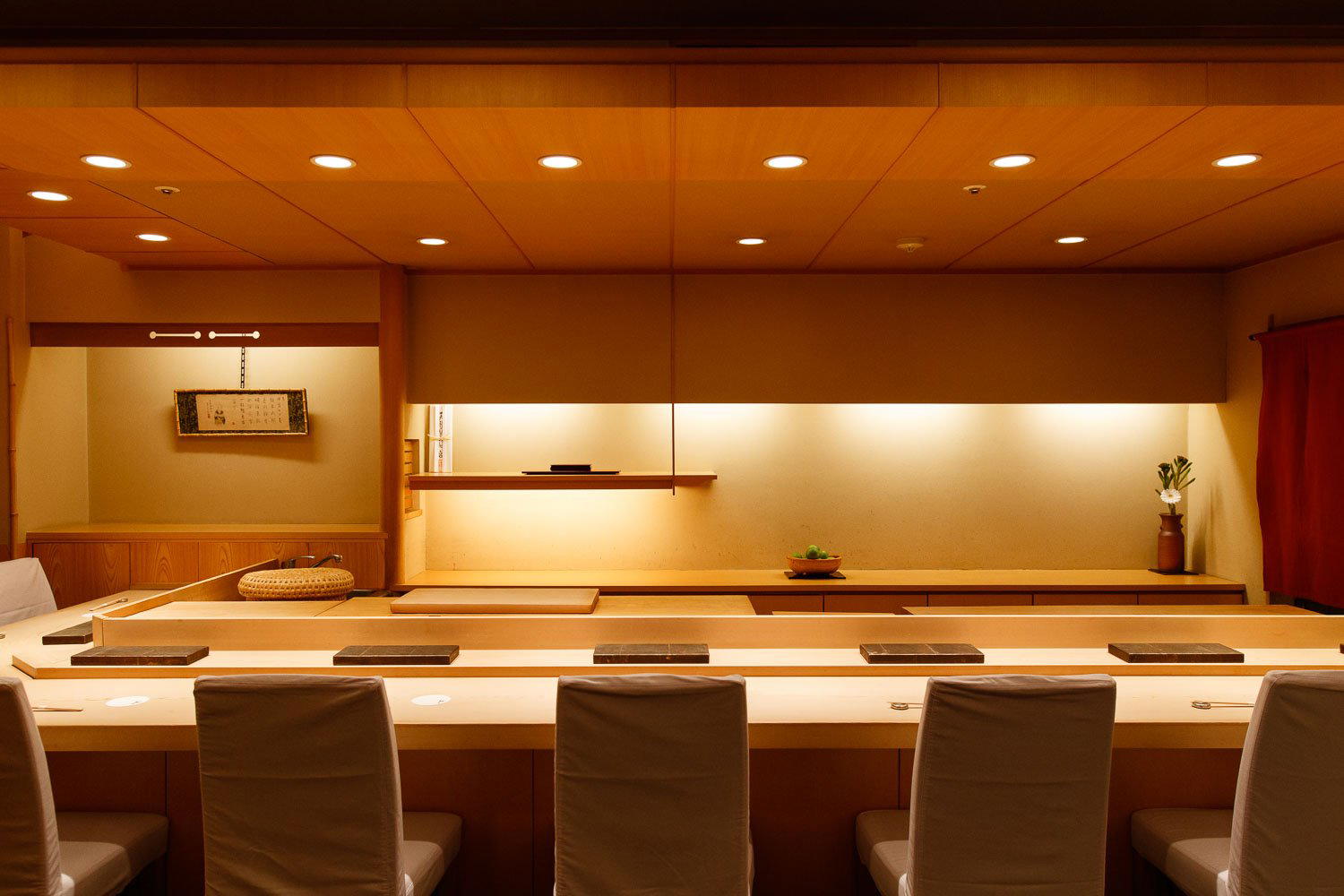
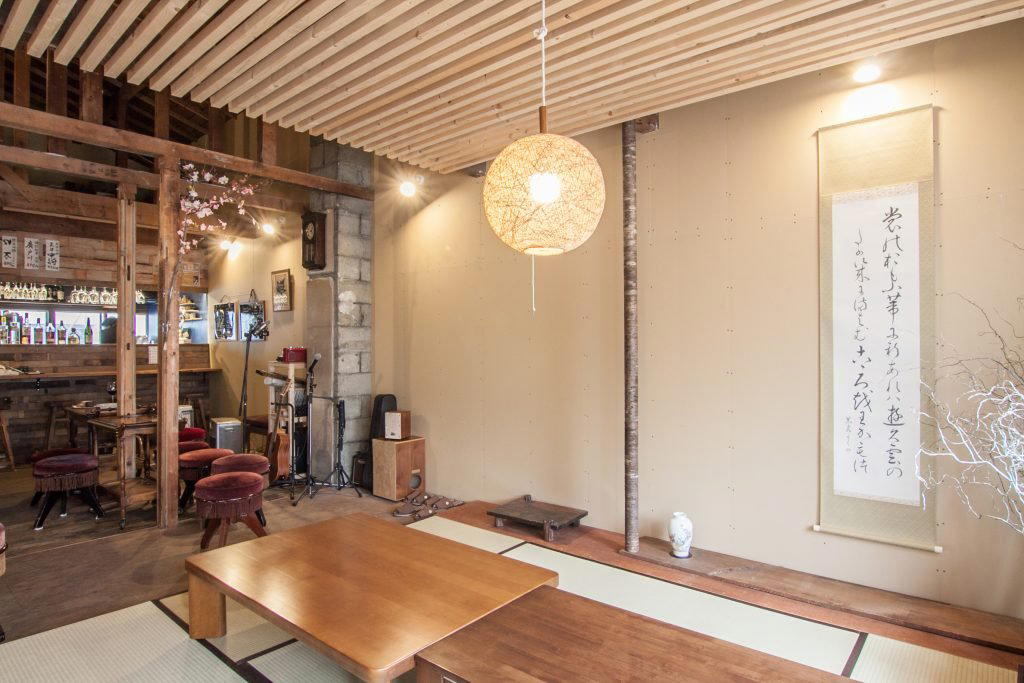
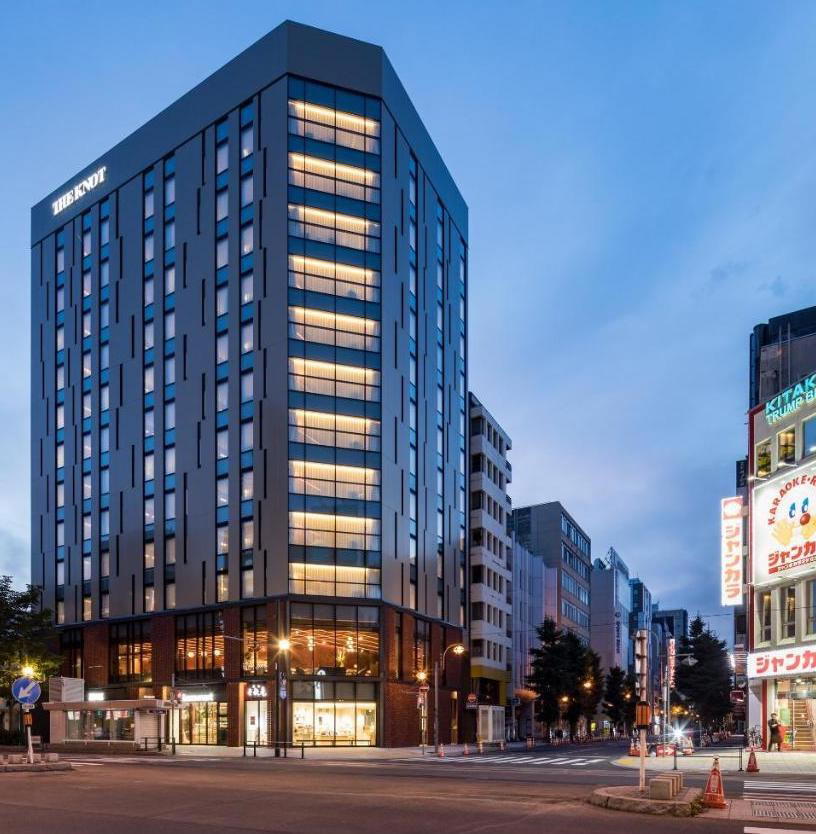
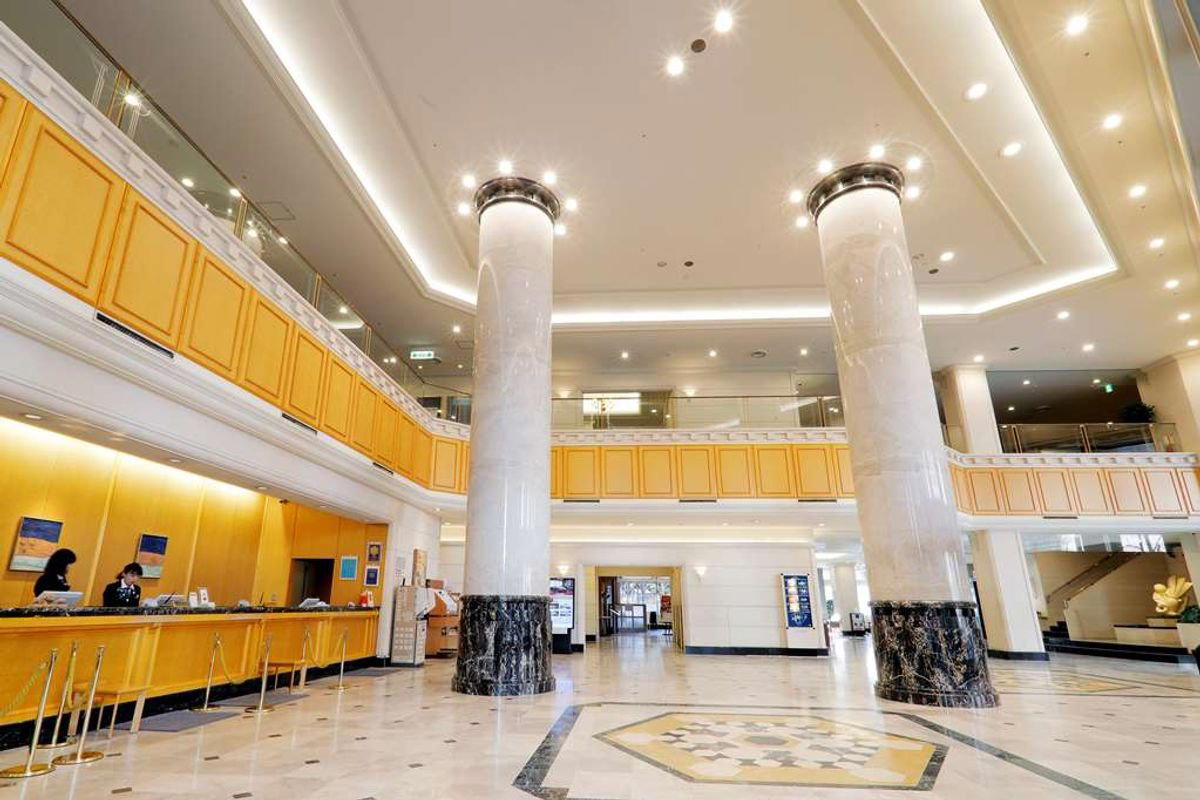
Calm and refined counter-focused setting with minimalist design, emphasizing direct interaction with the chef and meticulous sushi preparation.
Know Before You Go
- Getting there
- Japan, 〒064-0806 Hokkaido, Sapporo, Chuo Ward, Minami 6 Jonishi, 3 Chome−6−6 NEXTビル 1階