
In Sapporo's Nishi Ward, Sushi Kin operates as a French restaurant under chef Shinya Otsuchihashi, earning a 2023 Opinionated About Dining recommendation that places it firmly within Japan's most closely watched dining circuit. The format, dinner-only, six evenings a week, signals a kitchen built around precision and commitment rather than volume. For serious diners exploring Hokkaido's French cooking scene, this is a meaningful address.
Pearl is the En Primeur Club membership app — saves, bookings, and concierge access live there. Same editors, same standards.
- Address
- 6 Chome-2-4 Yamanote 1 Jo, Nishi Ward, Sapporo, Hokkaido 063-0001, Japan
- Phone
- +81 11-642-9696
- Directions
- Get directions
 Saves & bookings on Pearl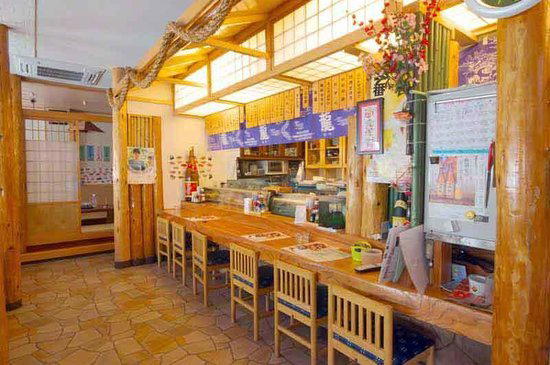
French Cooking at the Edge of Hokkaido
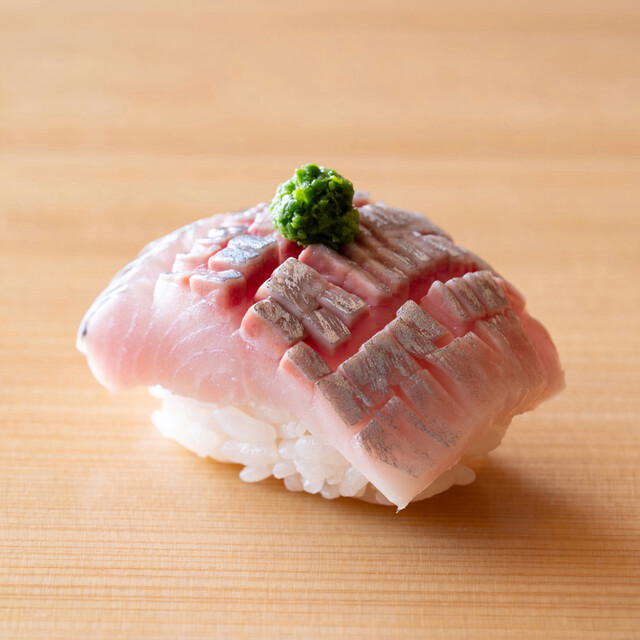
Sushi Kin is a restaurant in Sapporo's Nishi Ward serving Hokkaido Omakase Sushi under chef Shinya Otsuchihashi. Yamanote, the low-rise neighbourhood climbing the western slopes above the city grid, has the unhurried quality of somewhere that exists for residents rather than for tourists. Restaurants here are not positioned against Susukino's dense dining corridors or the smart hotel-adjacent addresses in Chuo Ward. They operate on a different logic: a committed local clientele, a tight format, and the assumption that the diner will seek them out rather than stumble across them.
That context matters for understanding Sushi Kin, which, despite its name suggesting a sushi counter, operates as a French restaurant under chef Shinya Otsuchihashi. The naming anomaly is itself a small editorial point about Sapporo's dining scene, where venue identities sometimes carry layers that confound category assumptions. It is open Monday, Tuesday, Thursday, Friday, Saturday, and Sunday from 11 am to 10 pm, closed on Wednesdays.
What the Menu Architecture Reveals
French restaurants in provincial Japanese cities have followed a specific arc over the past three decades. Early iterations tended toward faithful reproduction of classical French structures: multi-course menus with visible European reference points, wine lists anchored to Bordeaux and Burgundy, formal service drawn from brigade-era conventions. A second wave, visible from the late 2000s onward, began integrating local Japanese produce more assertively, treating French technique as a frame rather than a destination. Interesting work being done in cities like Sapporo now sits at that intersection, where the menu's architecture tells you where the kitchen's thinking actually sits.
Hokkaido provides an unusual production base for this kind of cooking. The island's dairy output, cold-water seafood, root vegetables, and game create a larder that differs substantially from what a French kitchen in Tokyo or Osaka has access to. A restaurant in Nishi Ward working in this tradition can draw on proximity to ingredients that chefs in more cosmopolitan cities pay premiums to import. The structure of a serious French menu in this setting, how it sequences protein, how it handles the dairy-based sauce tradition, how it treats locally foraged or farmed elements, reveals a great deal about whether the kitchen is genuinely engaged with its geography or simply executing a received format.
Sushi Kin's Opinionated About Dining recognition in 2023 situates it within a peer group that the guide selects with some rigour. OAD recommendations in Japan function as a signal that a restaurant has been evaluated by a community of serious diners with high reference points. Appearing on that list is not equivalent to a Michelin star, but it carries weight in a different register: the guide's community skews toward frequent, well-travelled diners who compare across national borders. For a dinner-only address in a residential Sapporo neighbourhood, that placement is a meaningful signal about the kitchen's ambition and execution.
Comparable French work is being done across Japan's secondary cities, and the range is instructive. HAJIME in Osaka operates at one conceptually demanding end of the Japanese French spectrum, with three Michelin stars and a kitchen that has moved well beyond classical structure. Gion Sasaki in Kyoto sits in a different tradition entirely, working kaiseki rather than French forms. For French cooking specifically rooted in a regional Japanese context, addresses like akordu in Nara and Goh in Fukuoka offer useful reference points. The common thread in this tier is a kitchen that takes the local production environment seriously rather than treating French cuisine as a style applied uniformly regardless of geography.
In Tokyo, Sézanne represents the internationally visible end of the Japanese French dining conversation. What makes the Sapporo addresses interesting is that they're operating without that metropolitan infrastructure of press attention and foreign visitor traffic, building their reputations through a more localised network of committed diners. The European reference point, for the standards against which this kind of work is ultimately measured, might be somewhere like Hotel de Ville Crissier in Switzerland, a restaurant deeply embedded in a specific local context while holding high technical ambitions.
Sapporo's French Cooking in Context
Within Sapporo itself, the serious dining scene has several distinct registers. Sushi counters like Arima and kaiseki addresses like Hanakoji Sawada represent the deep Japanese-format end of the premium dining map. French restaurants occupy a different position, drawing on Western culinary logic while being shaped by the same Hokkaido ingredient base. Le Musee IDEA, aki nagao, and Hidetaka all sit within this broader French or European-influenced category in the city, each with its own angle on how to work with local produce inside a Western structural framework.
The restaurant's positioning in Nishi Ward rather than the city centre places it at some distance from that cluster, which is itself a decision. The residential address filters the audience: diners who make the trip to Yamanote are doing so with intention. That self-selection shapes the room's dynamic in ways that a more centrally located address would not produce.
Planning Your Visit
The kitchen operates Monday, Tuesday, Thursday, Friday, Saturday, and Sunday from 11 am to 10 pm, and closes on Wednesdays. The dinner-only format and residential address in Sapporo's Nishi Ward make advance planning sensible, both for reservations and for logistics. Sapporo is accessible by direct flights from Tokyo (around 90 minutes), and the Nishi Ward address is reachable from the central Odori area in roughly 20 minutes by car. For Tokyo-based diners with a reference point on format: Harutaka and 1000 in Yokohama represent the kind of focused, dinner-only precision cooking that sits in a comparable register of seriousness, even in different cuisines.
Just the Basics
Comparable venues nearby, for context on price, style, and recognition.
| Venue | Cuisine | Price | Notes |
|---|---|---|---|
| Sushi KinThis venue — the venue you are viewing | Nishi, Hokkaido Omakase Sushi | $$$ | Not listed |
| 鮨菜 和喜智 | Chūō, Traditional Japanese Kaiseki | $$$ | Not listed |
| Matsukura | Not listed | $$$ | Chūō, Japanese Kaiseki / Washoku |
| Sapporo Kanihonke (札幌かに本家 すすきの店) | Susukino, Hokkaido Crab Specialty | $$$ | Not listed |
| susukinodepato | Not listed | $$$ | Chūō, Hokkaido Seafood & Crab Buffet Dining |
| Sumika | Chūō, Japanese Yakiniku | $$$ | Not listed |
Recognition history
Dated appearances from independent guides and award organizations, with the underlying list record or original source where available.
Opinionated About Dining Top Restaurants in Japan Recommended
Opinionated About Dining
Continue exploring
More in Sapporo
Restaurants in Sapporo
Browse all →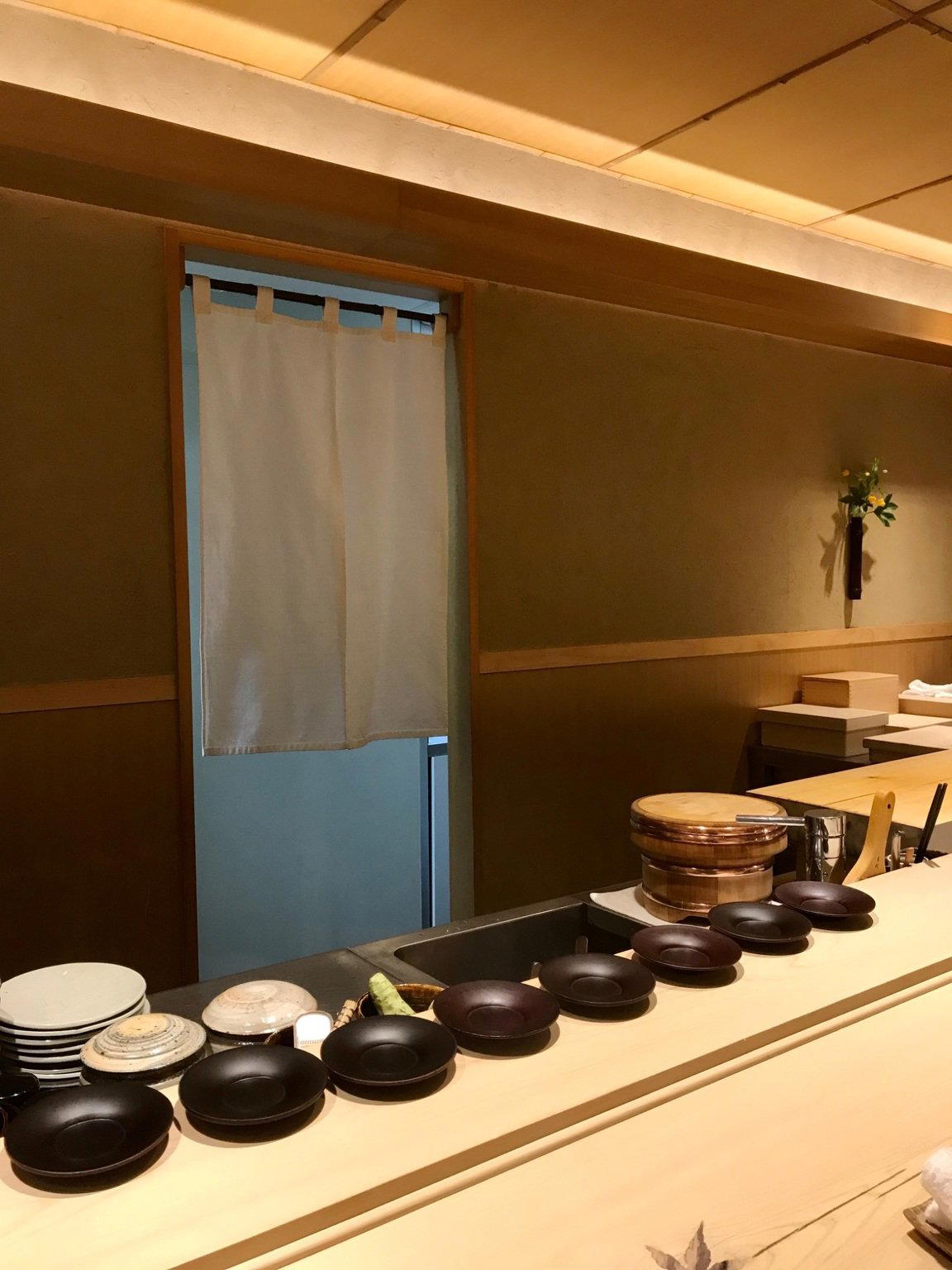



At a Glance
- Intimate
- Elegant
- Sophisticated
- Date Night
- Special Occasion
- Chefs Counter
- Sake Program
- Sustainable Seafood
Current opening hours
- Monday
- 11 AM–10 PM
- Tuesday
- 11 AM–10 PM
- Wednesday
- Closed
- Thursday
- 11 AM–10 PM
- Friday
- 11 AM–10 PM
- Saturday
- 11 AM–10 PM
- Sunday
- 11 AM–10 PM
Hours can change for holidays and private events. Last verified .
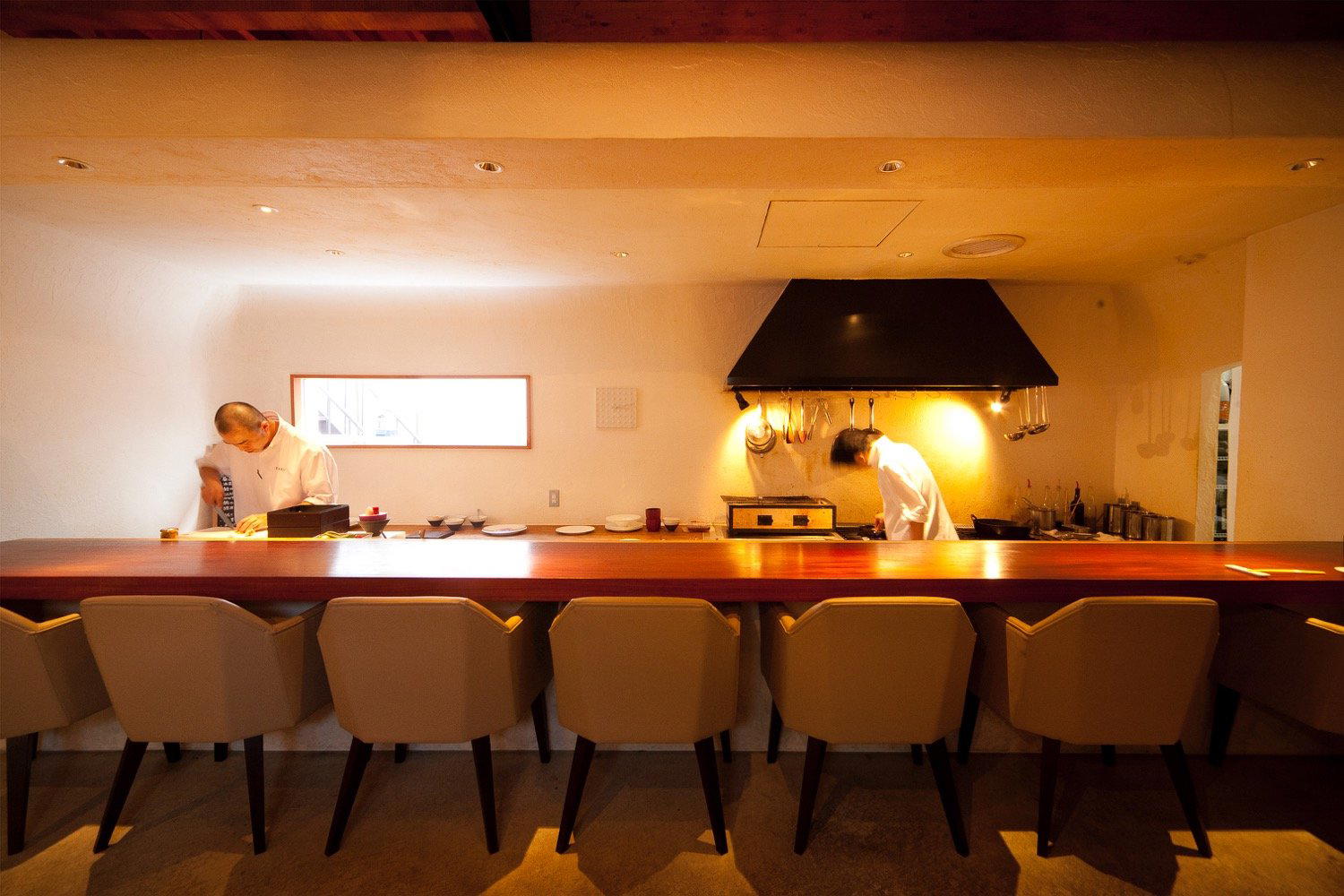
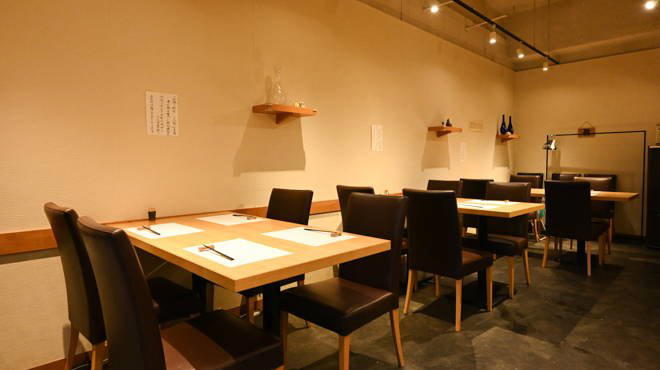
Intimate counter seating with a quiet, elegant atmosphere focused on the chef's craft.