Our verdict
御菓子寺沢 sits at 4 Chome-4-3 Odori in Kitakami, Iwate, representing the kind of neighbourhood institution that regional Japanese cities quietly sustain outside the metropolitan spotlight.

Pearl is the En Primeur Club membership app — saves, bookings, and concierge access live there. Same editors, same standards.
- Address
- 4 Chome-4-3 Odori, Kitakami, Iwate 024-0061, Japan
- Phone
- +81197727708
- Website
- tabelog.com
- Directions
- Get directions
The menu
What to order
- Seasonal sashimi
- Grilled wagyu
- Iwate vegetable moriawase
Kitakami's Quiet Claim on Regional Craft
Iwate Prefecture occupies a particular position in Japan's food geography. Removed from the Shinkansen corridors that funnel attention toward Tokyo, Kyoto, and Osaka, the Kitakami River basin has developed a provisioning culture shaped by agricultural self-sufficiency, cold-climate seasonality, and a regional palate that predates the country's postwar dining homogenisation. In that context, the presence of a specialist establishment like 御菓子寺沢 at 4 Chome-4-3 Odori tells you something about the neighbourhood before you step inside. Kitakami is a working regional city, not a destination engineered for visitors, and the businesses that endure here do so by meeting local expectations rather than performing for outside audiences.
This matters when thinking about ingredient sourcing in Iwate. The prefecture is one of Japan's significant agricultural producers, with cold-water rivers feeding rice paddies, apple orchards running through the lowland districts, and a livestock tradition that includes Iwate shorthorn cattle. Establishments rooted in this environment draw on supply chains that are short by necessity and seasonal by default, the kind of sourcing logic that metropolitan restaurants now pay consultants to simulate. For travellers arriving from cities like Tokyo or Osaka, where a counter like Harutaka in Tokyo or a destination like Gion Sasaki in Kyoto commands months of forward planning and four-digit price points, the regional Tohoku equivalent often operates at a quieter register, embedded in local life rather than curated for travel media.
What the Address Signals
The Odori district of Kitakami functions as the city's commercial spine, the kind of main-avenue address that in Japanese regional cities tends to concentrate the establishments with enough standing to have been there for more than one generation. An address in this corridor is not incidental. It places 御菓子寺沢 among businesses serving an established local clientele, which in practice means the offer is calibrated to repeat visitors who know what they want, rather than to newcomers working through a menu for the first time.
Japan's regional craft food and confectionery tradition is worth understanding as its own category. Where metropolitan dining culture tends toward spectacle, tasting-menu architecture, and chef-forward narratives of the kind that define operations like HAJIME in Osaka or Goh in Fukuoka, regional specialists typically favour economy of expression. The ingredient is allowed to carry more of the argument. Seasonal wagashi, rice-based preparations, and preserved items made from local fruit or grain represent a craft tradition that links directly to Iwate's agricultural output, and that tradition has survived in regional cities precisely because it is not performing for outside approval.
Sourcing Logic in the Tohoku Context
Tohoku's food culture was shaped partly by necessity. The region's winters are long and the growing season compressed, which historically drove investment in preservation techniques, fermentation, and the careful use of what the short summer produced. That logic has not disappeared from regional establishments even as refrigeration and national distribution have made out-of-season ingredients technically available. The sourcing discipline built into the regional craft tradition is structural, not fashionable, and that distinction matters when comparing it to the ingredient-sourcing narratives that now circulate around destination restaurants at venues like akordu in Nara or 湖隣庵 in Takashima.
Iwate's specific contributions to this sourcing picture include Nanbu wheat, used in regional noodle traditions; walnuts, incorporated into confectionery preparations; and the prefecture's stone fruit harvest, which runs from midsummer through early autumn. An establishment named 御菓子寺沢 (the characters suggesting a confectionery or sweet-goods specialist in the temple and valley tradition) would historically draw on exactly this kind of local agricultural calendar. Whether the current offer reflects that lineage directly is something a visit, rather than a listing, would confirm.
Planning a Visit to Kitakami
Kitakami sits on the Tohoku Main Line between Morioka and Ichinoseki, making it accessible from both directions on services that run regularly through the day. From Morioka, the journey takes roughly 35 to 40 minutes on local services. Visitors combining Kitakami with the wider Iwate itinerary often pair it with Hiraizumi, the UNESCO-listed temple complex to the south, or with Morioka's own established dining scene. The Kitakami Tenshochi park area, known for its cherry blossom concentration in April, draws seasonal visitors who tend to arrive in mid-to-late April when the Kitakami River banks are at their most active.
For practical planning, direct contact with 御菓子寺沢 ahead of arrival is worth attempting, as regional Japanese establishments at the specialist craft level frequently operate on hours shaped by local custom and seasonal availability rather than the standardised schedules that metropolitan venues publish. The absence of publicly listed phone or web details suggests engagement through local tourism infrastructure or direct in-person inquiry may be the most reliable approach. This is consistent with how many Iwate regional specialists operate, particularly those serving a primarily local rather than visitor-facing audience.
Travellers who prioritise regional depth over metropolitan credentials, and who have already covered the high-recognition tier represented by listings like Le Bernardin in New York City or Atomix in New York City, often find that Tohoku's regional specialists offer a different kind of return. The craft is specific to place in a way that no amount of imported sourcing narrative can replicate. For a broader map of what Kitakami's dining scene offers, see our full Kitakami restaurants guide. Additional regional comparisons are available through profiles of 一本木川魚製 in Nanao, 夕付山乃 in Sapporo, 鶴羽屋 in Nishikawa Machi, Birdland in Sakai, Bistro Ange in Toyohashi, Blue Ocean Steak in Nakagami District, bodai in 那智勝浦町, Cafe Naoshima Konichiwa in Naoshima, and Denko Sekka in Hiroshima.
Frequently asked questions
What is 御菓子寺沢 known for?
御菓子寺沢 operates from a main-avenue address on Odori in Kitakami, Iwate Prefecture, placing it within a regional confectionery tradition shaped by Tohoku's distinct seasons and compressed growing calendar. Iwate's craft sweets culture draws on locally sourced ingredients and techniques that prioritise preserving seasonal character. The Odori location signals a degree of civic establishment that tends to mark long-standing neighbourhood institutions in Japanese regional cities.
Where exactly is 御æç 寺沢?
御æç 寺沢 is located at 4 Chome-4-3 Odori, Kitakami, Iwate 024-0061, Japan, Kitakami.
Do I need a reservation for 御æç 寺沢?
Reservations are recommended for 御æç 寺沢 in Kitakami. Confirm current policy via the venue's official channels.
What is 御æç 寺沢 known for?
御æç 寺沢 is best approached by focusing on the core concept and signature offerings.
A Quick Peer Check
| Venue | Cuisine | Price | Awards | Notes |
|---|---|---|---|---|
| 御æç 寺沢This venue — the venue you are viewing | Kappo Kaiseki | $200–300 | Not listed | Not listed |
| HAJIME | Avant-Garde Japanese Fine Dining | $300–500 | 3 Michelin Stars · World's 50 Best #83 | French, Innovative |
| Harutaka | Edo-Style Omakase Sushi | $200–300 | 3 Michelin Stars · World's 50 Best #76 | Sushi |
| L'Effervescence | Modern French with Japanese Influences | $200–300 | 3 Michelin Stars · World's 50 Best #69 | French |
| RyuGin | Modern Kaiseki | $500+ | 3 Michelin Stars · World's 50 Best #41 | Kaiseki, Japanese |
| Crony | Modern French with Japanese Influences | $150–200 | 2 Michelin Stars · World's 50 Best #34 | Innovative, French |
Details
- Elegant
- Intimate
- Sophisticated
- Special Occasion
- Date Night
- Chefs Counter
- Sake Program
- Local Sourcing
- Counter Dining
- Set Menu
- Sake
- Vegetarian Friendly
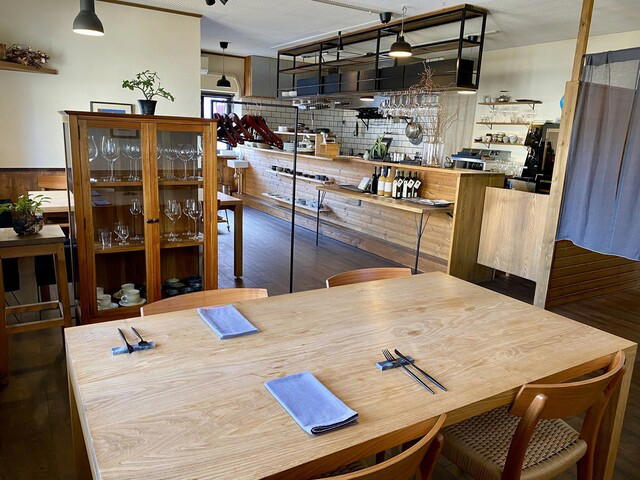
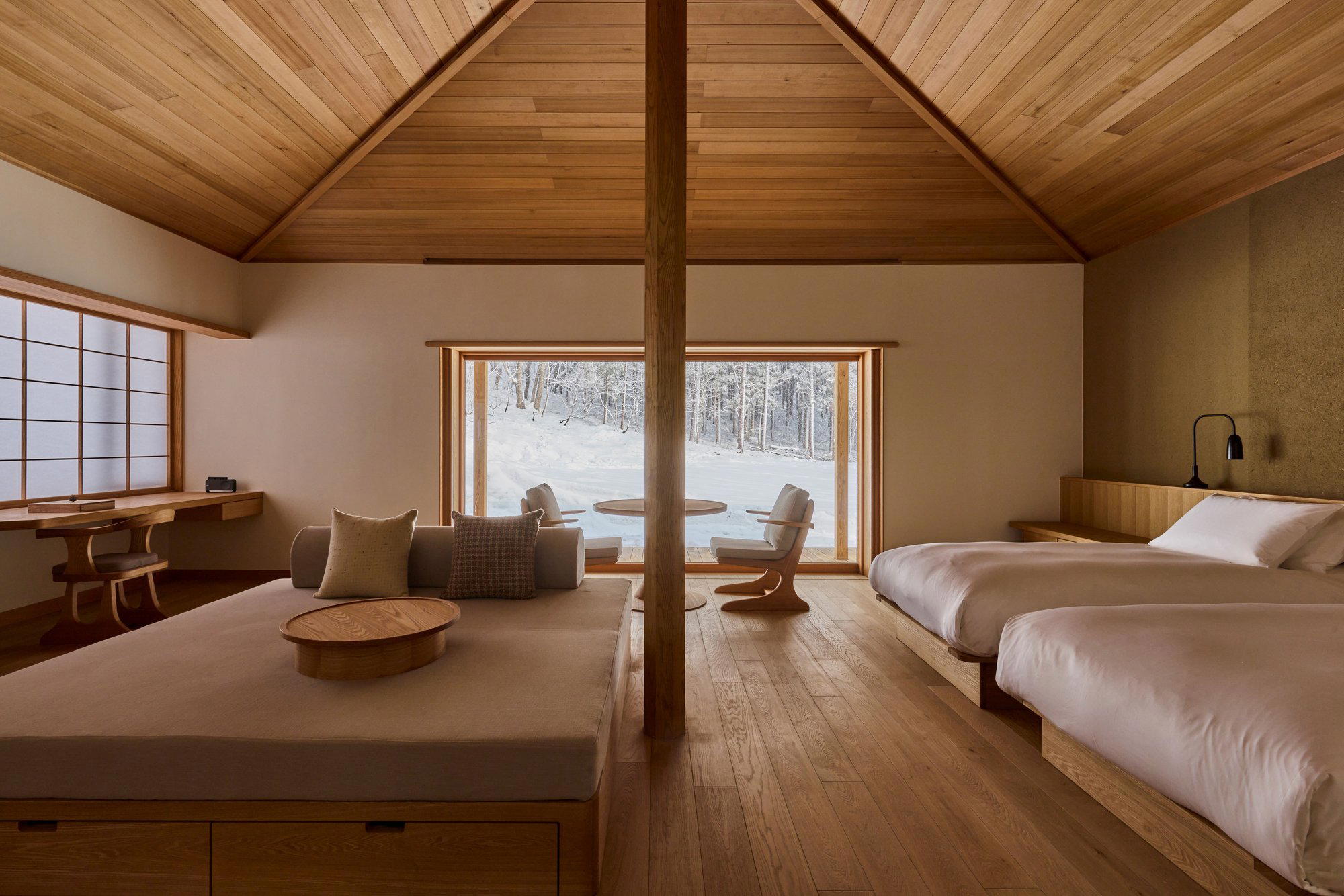
Calm and refined with soft lighting, minimalist decor, and a hushed atmosphere focused on the chef's precise preparations.