
Tabelog 100 #1
Our verdict
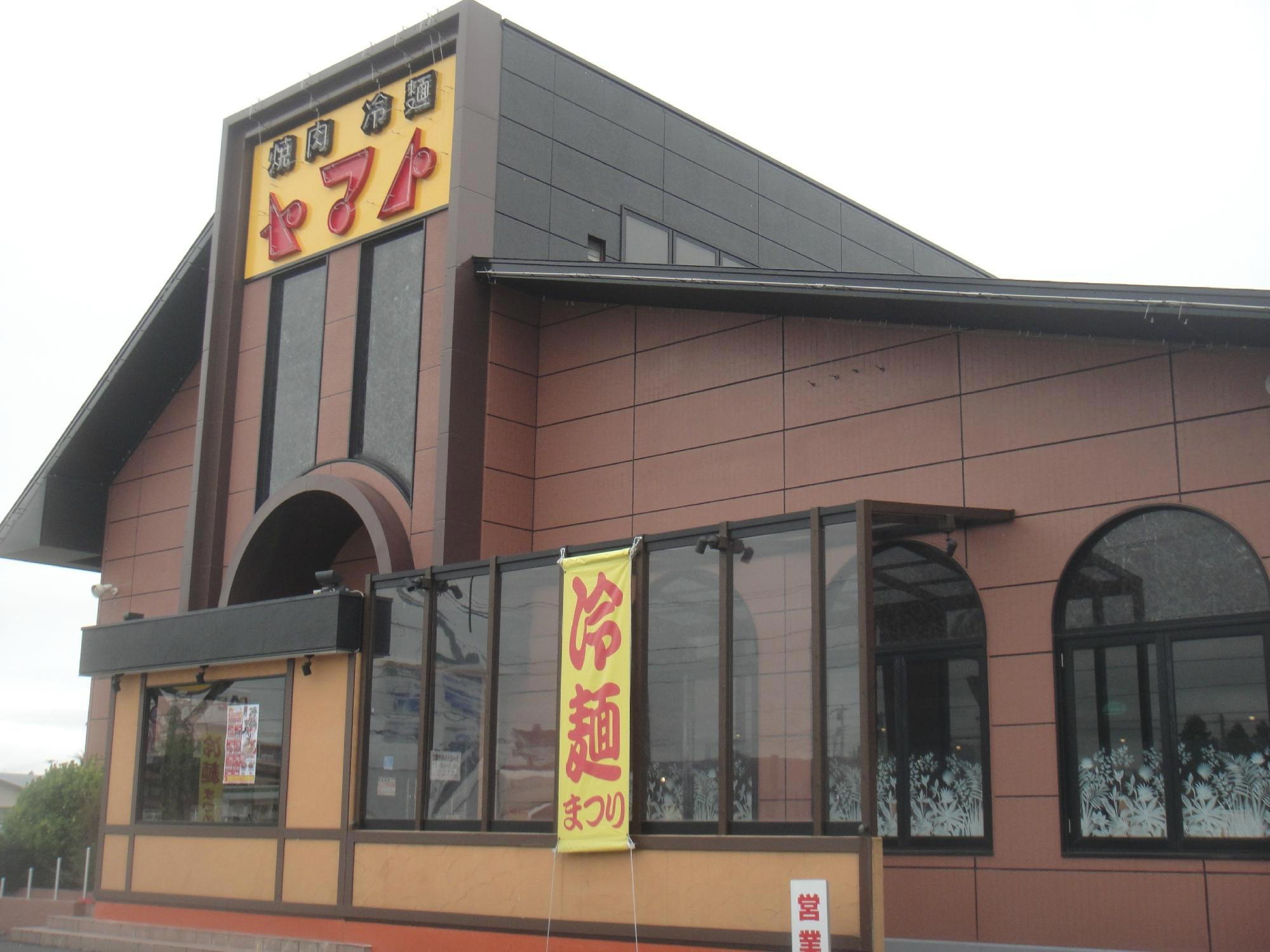
Ryuen places Oshu’s yakiniku culture in a rural northern register: beef, tripe and Korean cold noodles rather than city tasting-menu theatre. Its repeated Tabelog 100 Yakiniku EAST selections from 2018 through 2025 give it a concrete national signal, while the format remains grounded in a family-friendly, smoke-free room with counter, table and tatami seating.

Pearl is the En Primeur Club membership app — saves, bookings, and concierge access live there. Same editors, same standards.
- Address
- 2-11 Mizusawaku Fukuromachi, Oshu, Iwate 023-0814, Japan
- Phone
- +81 197-24-4838
- Hours
- Mon–Sat 5:30–9:30 PMSun 5–9 PM
- Website
- tabelog.com
- Directions
- Get directions
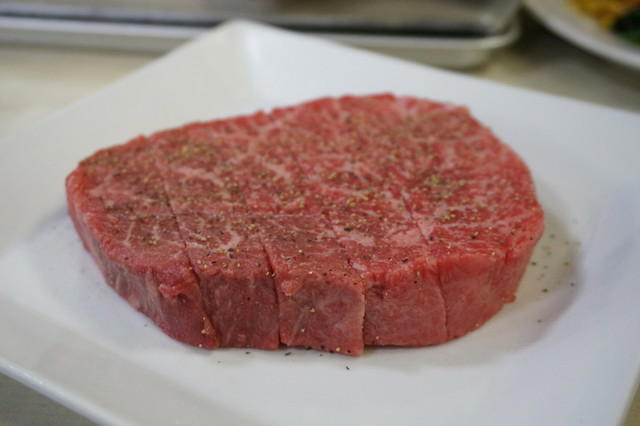
The menu
What to order
- Maesawa beef upper ribs
- Maesawa beef tongue
- Assorted Maesawa wagyu yakiniku
Approach Ryuen in Iwate at dinner and the rhythm is different from Tokyo’s grill rooms. The room is not framed here as spectacle or chef-counter choreography; it belongs to the practical Japanese yakiniku tradition, where the point is heat, timing and the quality of cuts arriving at the table. Ryuen fits that register: a restaurant built around Japanese barbecue, tripe and Korean cold noodles.
Yakiniku outside Japan’s major dining capitals often gives a clearer reading of local appetite than formal cuisine does. In Iwate, the stronger restaurants tend to be judged less by narrative and more by procurement discipline, grill management and whether the room can serve regulars without losing precision. Ryuen’s place on the Tabelog Hyakumeiten list in 2025 matters because that recognition places the restaurant in a broader yakiniku conversation while keeping the experience closer to a local table than a destination tasting format.
Iwate dining culture seen through the yakiniku grill
The ingredient story here is not a chef biography. It is the way meat-focused dining meets a format built for direct comparison: cut against cut, texture against texture, grill time against grill time. Yakiniku is unforgiving in that sense. A restaurant can hide little once barbecue, tripe and noodles become the core categories. The presence of tripe on the category list is a useful signal, because serious yakiniku rooms are rarely only about headline cuts; they also need confidence with chew, fat, smoke and sauce.
That distinction separates the genre from broader Japanese dining in Iwate. Other dining rooms across the prefecture each express the region differently, but yakiniku makes sourcing and handling unusually visible. For a broader read on the prefecture, Our full Iwate restaurants guide maps the wider field. Within that field, Kakkou Ya and Ren offer useful points of contrast. Ryuen’s listed dinner budget of JPY 5,000 - JPY 5,999, together with its 2025 Tabelog Hyakumeiten recognition, changes how to read the value proposition.
The comparison also explains why the restaurant should not be assessed as a luxury import into the countryside. Its competitive set is not only high-price grill counters in metropolitan Japan. It is the smaller group of regional yakiniku rooms that have built enough consistency to appear in national dining discussions. In that context, the 2025 Tabelog Hyakumeiten recognition is more useful than a vague claim of local popularity. Public recognition is the claim.
A room built for regular dining, not ceremony
The dining format keeps the meal accessible without needing to turn dinner into ceremony. Rather than leaning on a named chef story or a formal tasting-menu structure, Ryuen is best understood through the categories attached to it: yakiniku, tripe and Korean cold noodles. That makes it a different proposition from the tiny counters and scripted luxury rooms that dominate reservation anxiety in larger cities.
The appeal stays within the familiar Japanese grill grammar. Yakiniku often straddles two modes, casual grill dining on one side and more serious attention to meat and pacing on the other. Ryuen does not need elaborate framing to make sense. It is a place where the core format supports grilled dishes, tripe and noodles without pushing the restaurant into a more ceremonial register.
That positions the restaurant within local routine rather than purely special-occasion dining. For travellers using Iwate as part of a wider route, that distinction is useful. The prefecture rewards slow movement: restaurants, onsen hotels, bars, wineries and cultural stops are scattered rather than stacked in a single nightlife district. For planning beyond dinner, see Our full Iwate hotels guide, Our full Iwate bars guide, Our full Iwate wineries guide and Our full Iwate experiences guide.
How Ryuen fits an Iwate table crawl
Iwate does not ask diners to choose between only rural tradition and polished urban dining. The stronger way to plan is by contrast. A yakiniku dinner here can sit beside lighter local meals, casual counters and regional specialisms across the prefecture. Other Iwate dining rooms show how varied the local restaurant map becomes once it is not reduced to one cuisine category.
Against wider Japanese dining, the appeal is precision without metropolitan gloss. Other restaurants may frame grilling or regional cooking through different formats and different city contexts. The contrast clarifies Ryuen’s lane: tabletop grilling, tripe, cold noodles and public recognition rather than multi-genre showmanship.
For readers building a Japan itinerary around food rather than sightseeing alone, the lesson is to let category lead the route. Across Japan and beyond, tightly focused dining formats often reveal local demand more clearly than a catch-all restaurant search. Ryuen belongs in that kind of thinking: a place where the format itself, rather than a broad menu narrative, explains why diners pay attention.
Ryuen is strongest for diners who want Iwate’s yakiniku culture without converting dinner into ceremony. The evidence is practical and public: 2025 Tabelog Hyakumeiten recognition, a dinner spend listed at JPY 5,000 - JPY 5,999, and a menu identity centered on grill, tripe and noodles. In a prefecture where the rewarding meals are often outside the obvious urban circuit, that combination is the reason to pay attention.
Frequently asked questions
Where do I go for Ryuen?
Ryuen is in Iwate.
Is Ryuen open every day?
Current opening days and hours for Ryuen should be confirmed directly with the restaurant.
What's the pricing like at Ryuen?
Pricing at Ryuen is listed as JPY 5,000 - JPY 5,999.
What is Ryuen known for?
Ryuen is known for yakiniku, tripe and Korean cold noodles in Iwate, with 2025 Tabelog Hyakumeiten recognition.
A Quick Peer Check
Nearby venues at a similar price tier for orientation.
| Venue | Cuisine | Price | Awards | Notes |
|---|---|---|---|---|
| RyuenThis venue — the venue you are viewing | Yakiniku with Maesawa Beef | $30–50 | Tabelog 100 #1 | Not listed |
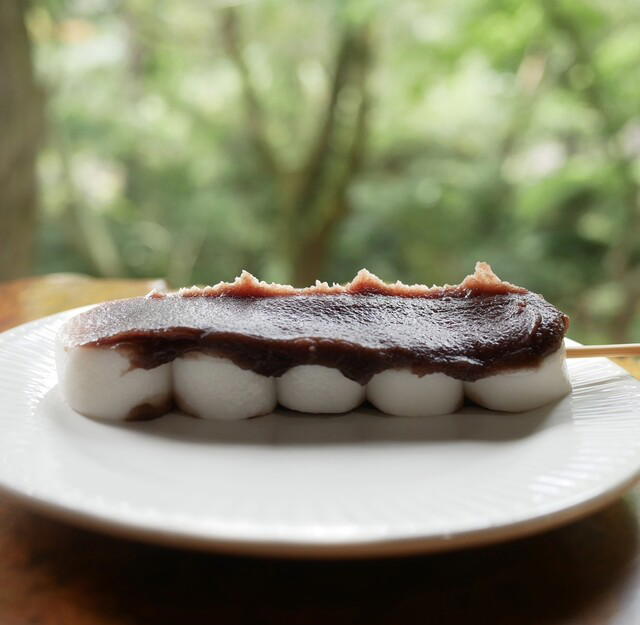
| Kakkou Ya | Traditional Japanese Dango Teahouse | $1–10 | Tabelog 100 #35 | Genbikei Gorge, Ichinoseki |
| Ren | Modern Chinese with French-influenced seasonal courses | $50–100 | Tabelog 100 #35 | Hanamaki |
| Steak Teppan Ryori Wakana Morioka honten | Teppanyaki Steakhouse | $50–100 | Tabelog 100 #19 | Morioka |
| Shinchaya | Traditional Japanese Kaiseki | $100–150 | Tabelog Bronze #402 | Esashinaka-machi, Oshu |
| Chinese jiu | Chinese Fine Dining | $50–100 | Tabelog 100 #57 | Hizume |
Recognition history
Dated appearances from independent guides and award organizations, with the underlying list record or original source where available.
Tabelog 100 #1 · No. 1
Tabelog · Tabelog 100 - Yakiniku - EAST - 2025
Continue exploring
More in Iwate
Details
- Cozy
- Classic
- Lively
- Group Dining
- Family
- Casual Hangout
- Date Night
- After Work
- Standalone
- Beer Program
- Local Sourcing
- A La Carte
- Family Style
- Beer
- Sake
- Soft Drinks
Current opening hours
- Monday
- 5:30–9:30 PM
- Tuesday
- 5:30–9:30 PM
- Wednesday
- 5:30–9:30 PM
- Thursday
- 5:30–9:30 PM
- Friday
- 5:30–9:30 PM
- Saturday
- 5:30–9:30 PM
- Sunday
- 5–9 PM
Hours can change for holidays and private events. Last verified .
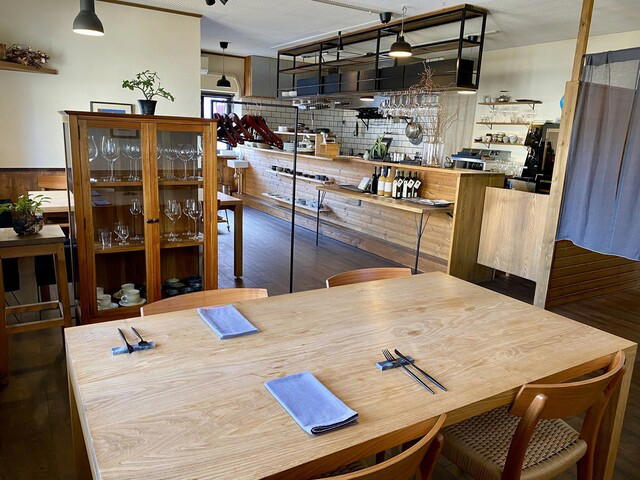
Traditional, unflashy yakiniku dining room with table grills and a relaxed, local feel; reviews highlight a warm, lively atmosphere focused on the quality of Maesawa beef rather than decor.