
Tabelog 100 #35
Our verdict
Ren gives Hanamaki a serious modern Chinese address built around Iwate produce rather than metropolitan gloss. Its Tabelog Chinese EAST “Tabelog 100” selections in 2023 and 2026 place it in a regional conversation where ingredient sourcing, compact scale, and course-led dining matter more than spectacle.

Pearl is the En Primeur Club membership app — saves, bookings, and concierge access live there. Same editors, same standards.
- Address
- Japan, 〒025-0079 Iwate, Hanamaki, Suehirocho, 2−13 1階
- Phone
- +81 90-2635-3897
- Hours
- Mon–Sat 11:30 AM–2 PM, 5–9 PMSun Closed
- Website
- tabelog.com
- Directions
- Get directions
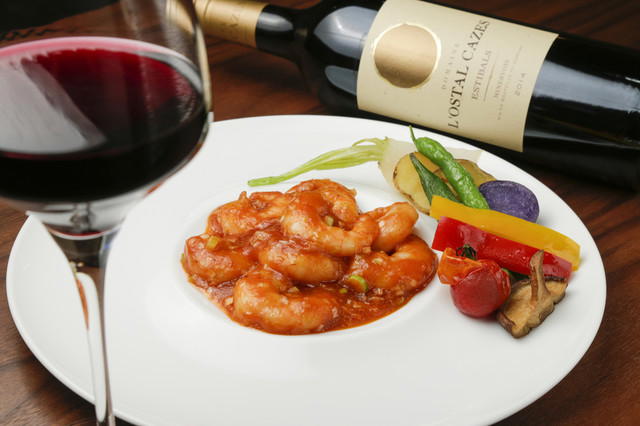
The menu
What to order
- Shrimp in chili sauce
- Black vinegar sweet-and-sour pork
- Mapo tofu
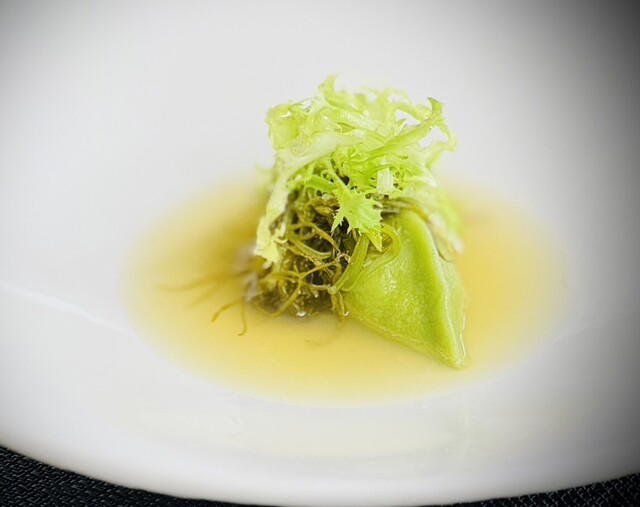
- Seasonal Iwate seafood and vegetable course dishes
- Shark fin soup (seasonal course)
Iwate does not announce itself with Tokyo-dining voltage, and that is the point. Its restaurants often feel removed from capital-city theatre, with a dining culture read through prefectural context rather than spectacle. Ren fits that quieter register: a Chinese and dim sum restaurant whose interest is best understood through its category recognition and its place within Iwate’s dining field.
That context matters in northern Japan. Iwate’s restaurant scene is not defined by one metropolitan template, and a Chinese address here reads differently from a city dining room built primarily around market prestige or hotel formality. The point is not to overstate what is known about the kitchen, but to place Ren within a regional restaurant landscape where category, price, and national recognition help explain why it draws attention.
Iwate produce through a modern Chinese lens
Chinese cooking in Japan ranges from luxury hotel dining rooms to small independents working across familiar Chinese formats. In Iwate, Ren’s Chinese and dim sum listing signals a restaurant associated with shared dishes, smaller-form preparations, and a cuisine category that is broad rather than tied here to one asserted regional orthodoxy.
Recognition by Tabelog Hyakumeiten in 2026 gives the room a credential beyond local affection. Tabelog’s Hyakumeiten lists are not Michelin stars, but in Japan they act as a serious consumer-facing filter, rewarding sustained diner attention and category relevance. For an Iwate address to appear in that selection, the story is not only that one dining room has been noticed; it is that Iwate’s Chinese cooking can register in a field often weighted toward larger cities.
The dining side also places the meal in Japan rather than a generic Chinese-restaurant frame. A regional table here makes sense when food is read through local habits as much as through cuisine labels. Chinese food in Japan has long lived between casual chuka comfort and high-form banquet cooking; here, the useful reading is a middle ground, where dim sum, Chinese technique, and Iwate context share a table without forcing the meal into ramen-shop informality or hotel-dining stiffness.
Within Iwate, Ren is a useful counterpoint to the prefecture’s broader spread. Other Iwate dining rooms give different local reference points, from casual regional cooking to specialist addresses in separate registers. PIZZERIA 5 shows how non-Japanese formats can still read as regional when execution is grounded, and other dining in Iwate gives another side of the same question: what happens when a global culinary language is read through a local restaurant scene.
A small room changes the meal's tempo
A focused restaurant creates a different expectation from a high-volume Chinese dining room, especially when diners arrive for a category-recognized address rather than a casual stop. The appeal is less about breadth for its own sake and more about how the meal fits its Chinese and dim sum identity.
The practical appeal is that the restaurant does not need to behave like a sealed-off luxury box. It reads as an Iwate dining room where serious food and local use can overlap as a matter of context, not as a claim about unverified sourcing. Visitors expecting ceremony for its own sake may miss the point. Read the meal as Chinese and dim sum in Iwate, with the prefectural setting shaping how the restaurant is understood.
The comparison set shows that price and format are not the whole story. Out-of-metro Chinese and modern dining can run from everyday rooms such as Yelaixiang to higher-budget restaurants such as Badalone, while Iwate’s field includes casual and specialist addresses at varied spending levels. Ren sits where recognition, regional context, and category identity carry the value proposition. For a broader prefectural map, Our full Iwate restaurants guide is the useful next read, with parallel planning context in Our full Iwate hotels guide, Our full Iwate bars guide, Our full Iwate wineries guide, and Our full Iwate experiences guide.
How to read this stop in a Japan itinerary
For travelers building a northern Japan route, Iwate rewards a slower itinerary. The dining logic is not to chase metropolitan replication, but to notice how restaurants outside the largest cities can make familiar formats feel different. That is why a Chinese and dim sum restaurant here can be more instructive than another famous-room reservation in a larger city: the category has to be read through place.
Ren also fits a wider national pattern. Across Japan, regional restaurants use non-Japanese formats in ways that differ from city to city and prefecture to prefecture. For readers comparing category styles across the country, the contrast is useful in general terms: Japanese formats, charcoal cooking, lighter urban cafes, regional dining, imported cuisines localized in Japan, and northern comfort-food rooms all show how place changes a category. Outside Japan, Japanese drinking and casual formats travel in the other direction.
The editorial case for Ren is not that Iwate imitates a capital-city dining scene. It is stronger and simpler: an Iwate restaurant, selected for a national category list, gives Chinese and dim sum cooking a clear place in the prefecture’s dining map. That is the reason to pay attention.
Frequently asked questions
Is Ren child-friendly?
Ren is best approached as an Iwate restaurant rather than a large banquet-style dining room. Travelers dining with children should confirm current policies directly with the restaurant before booking.
What should I expect atmosphere-wise at Ren?
Expect an Iwate dining room centered on Chinese and dim sum cooking. The appeal is regional rather than theatrical: a meal that reads through local context instead of big-city spectacle.
Is Ren expensive?
Pricing at Ren is listed as Dinner: JPY 8,000 - JPY 9,999; Lunch: JPY 2,000 - JPY 2,999.
What time does Ren open and close?
Opening hours can change, so check directly with Ren before visiting.
What's Ren's location?
Iwate.
What do critics highlight about Ren?
Tabelog Hyakumeiten recognized Ren in 2026. The listing places it in the Chinese and dim sum category, with a Tabelog score of 3.65 and budgets listed as Dinner: JPY 8,000 - JPY 9,999; Lunch: JPY 2,000 - JPY 2,999.
How It Stacks Up
Comparable venues by cuisine and price in the same metro.
| Venue | Cuisine | Price | Awards | Notes |
|---|---|---|---|---|
| RenThis venue — the venue you are viewing | Modern Chinese with French-influenced seasonal courses | $50–100 | Tabelog 100 #35 | Not listed |
| Chinese jiu | Chinese Fine Dining | $50–100 | Tabelog 100 #57 | Hizume |
| Ryuen | Yakiniku with Maesawa Beef | $30–50 | Tabelog 100 #1 | Mizusawa |
| Kakkou Ya | Traditional Japanese Dango Teahouse | $1–10 | Tabelog 100 #35 | Genbikei Gorge, Ichinoseki |
| THE BURGER HEARTS | Gourmet hamburger & cafe | $10–20 | Tabelog 100 #9 | Sakari |
| PIZZERIA 5 | Traditional Italian Pizzeria & Cafe | $20–30 | Tabelog 100 #28 | Hanamaki |
Recognition history
Dated appearances from independent guides and award organizations, with the underlying list record or original source where available.
Tabelog 100 #35 · No. 35
Tabelog · Tabelog 100 - Chinese cuisine - EAST - 2026
Details
- Modern
- Cozy
- Elegant
- Intimate
- Date Night
- Business Dinner
- Group Dining
- Special Occasion
- Celebration
- Standalone
- Local Sourcing
- Farm To Table
- Tasting Menu
- Set Menu
- A La Carte
- Shaoxing Wine
- Sake
- Beer
- Spirits
Current opening hours
- Monday
- 11:30 AM–2 PM, 5–9 PM
- Tuesday
- 11:30 AM–2 PM, 5–9 PM
- Wednesday
- 11:30 AM–2 PM, 5–9 PM
- Thursday
- 11:30 AM–2 PM, 5–9 PM
- Friday
- 11:30 AM–2 PM, 5–9 PM
- Saturday
- 11:30 AM–2 PM, 5–9 PM
- Sunday
- Closed
Hours can change for holidays and private events. Last verified .
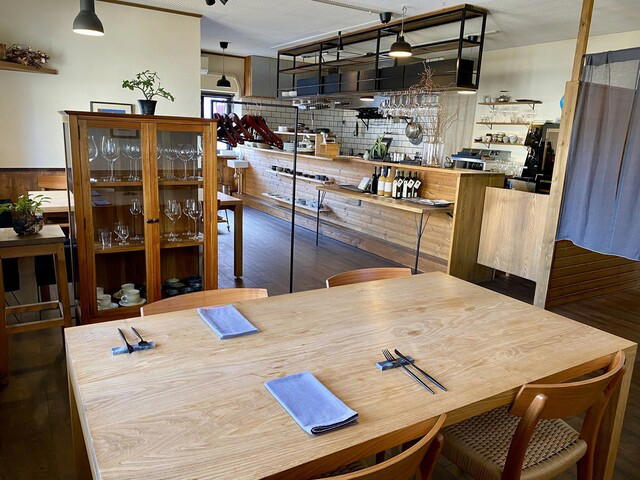
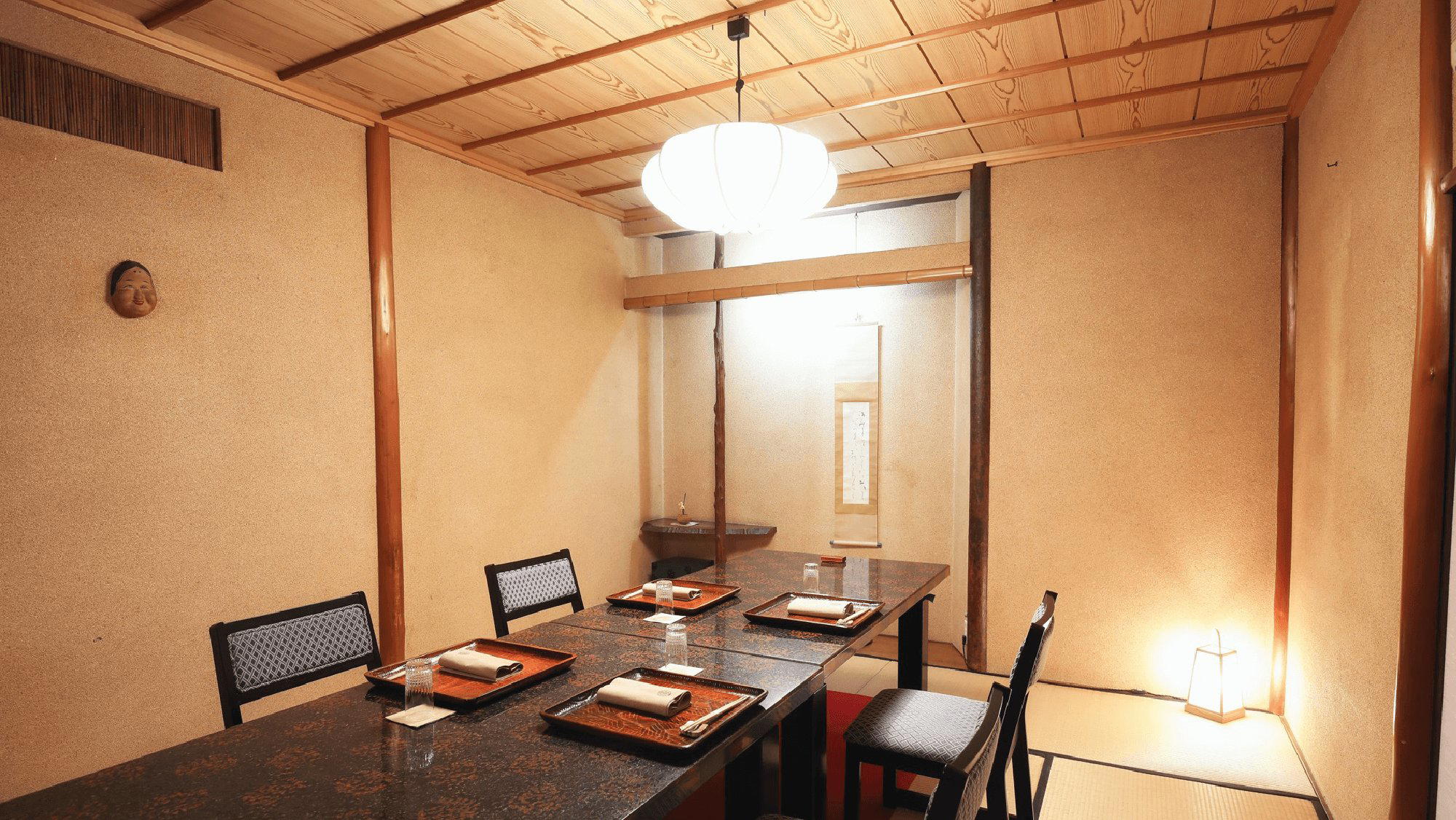
A warm, wood-accented modern Chinese dining room with calm, refined lighting and a relaxed atmosphere suited to lingering over seasonal course menus and small group celebrations.