
Tabelog 100 #70
Our verdict
Badalone puts Hanamaki into a rarer conversation: regional Italian cooking in Japan where sourcing and scale matter as much as technique. The room is small, the price tier is serious for the city, and its 2025 Tabelog 100 Italian EAST selection gives the address a credential beyond local reputation.

Pearl is the En Primeur Club membership app — saves, bookings, and concierge access live there. Same editors, same standards.
- Address
- 1-chome-5-12 Odori, Hanamaki, Iwate 025-0092, Japan
- Hours
- Daily 11 AM–3 PM, 5–10 PM
- Website
- badalone.jp
- Directions
- Get directions
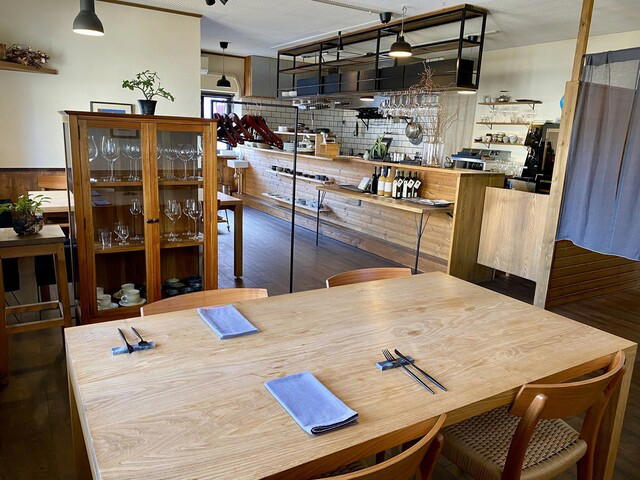
Hanamaki is not the first place many diners associate with Japan’s Italian cooking, which is why it is interesting here. Away from Tokyo’s dense reservation economy, a small restaurant must justify itself through ingredients, pacing and place rather than metropolitan noise. Badalone works in that register: intimate, adult and built around regional sourcing that makes Italian cooking in northern Japan feel less imported than translated.
Iwate gives chefs a different pantry from coastal and urban Italian restaurants farther south. Its agriculture, dairy culture, mountain produce and cold-water seafood support cooking where Italian form carries local substance without novelty. The point is not Italian food as cosplay, but Italian technique organizing what the region supplies.
Iwate ingredients, Italian structure, and a small-room economy
Japan’s serious Italian restaurants often split between urban luxury rooms competing on wine depth, service polish and imported ingredients, and regional houses making a tighter argument for locality. Badalone sits in the second camp, with the added pressure of a small format. In a city where casual meals can sit far below this bracket, its JPY 15,000 to JPY 19,999 lunch and dinner range makes it a deliberate occasion rather than everyday dining.
At that price, sourcing must be more than a talking point. Diners should expect the kitchen to treat the local market as foundation, not decoration, and use Italian grammar with restraint: pasta, meat, fish, vegetables and dairy sequenced for balance rather than excess. Wine and sake service matters in Iwate, where a meal can move between European pairings and Japanese drinking culture without forcing either into support.
The Tabelog 100 Italian EAST 2025 selection is the public trust signal beyond a local recommendation. Tabelog’s Italian EAST list covers a wide geography outside the capital’s central gravity, so inclusion means Badalone is read against a broader eastern Japan Italian field, not only Hanamaki’s compact dining scene. Its Tabelog score of 3.95 reinforces that higher-attention bracket.
Comparison inside Hanamaki clarifies the point. Yelaixiang sits in a far more casual price band, while Badalone belongs to planned-meal dining where room size, ingredients and service format carry the value. The Japanese listing name バダローネ helps travelers cross-check local maps, but the editorial question is simpler: this is Hanamaki Italian as a destination meal, not a convenient stop between trains.
The format rewards diners who accept limits
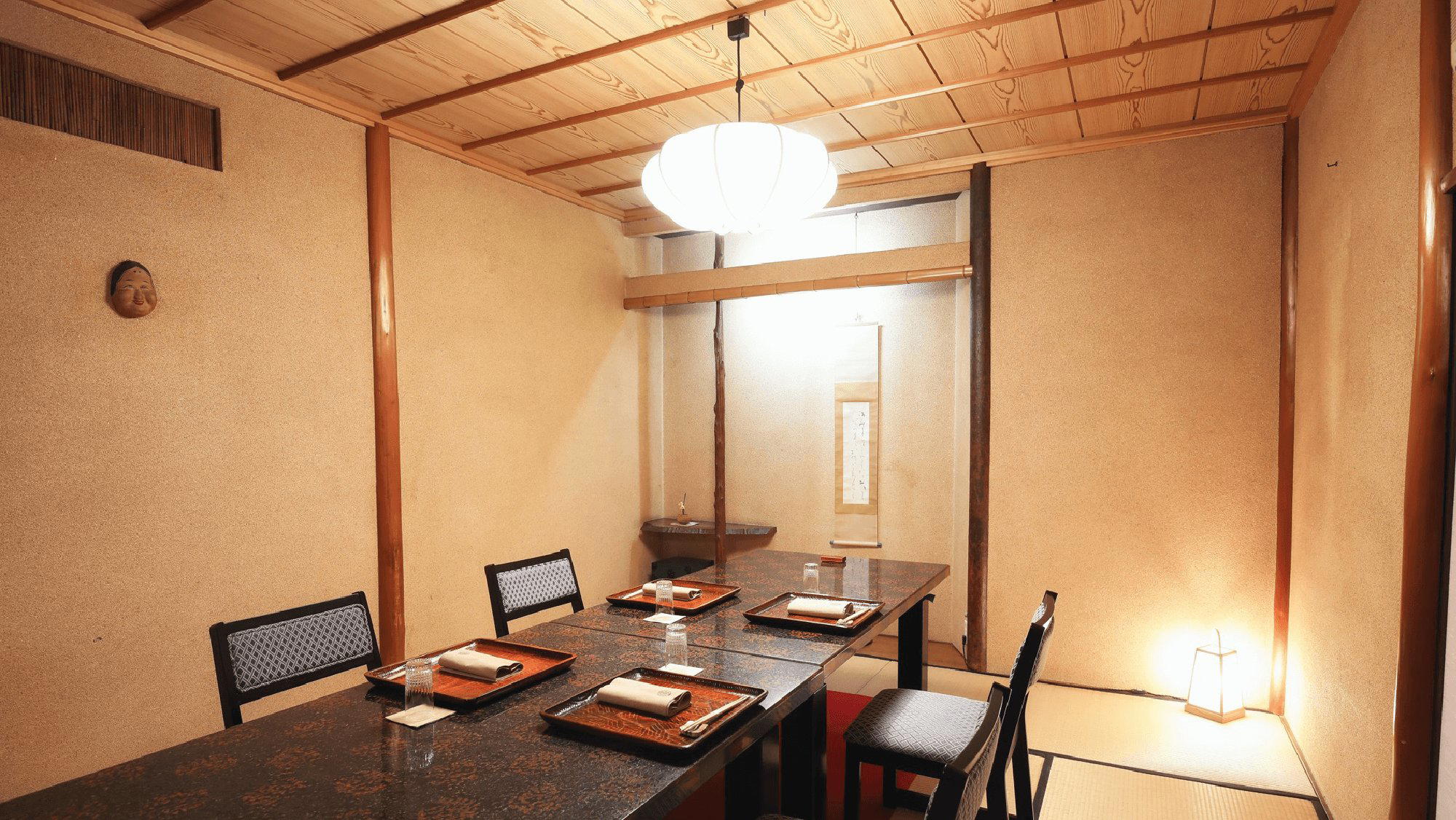
Eight seats changes the psychology of dinner. Small restaurants in Japan can feel ceremonial or personal; the difference is whether the format serves the food or dramatizes scarcity. Here, limited capacity supports a sourcing-led kitchen because procurement, preparation and service stay narrow. It is poorly suited to diners wanting flexibility, speed or a broad à la carte sweep.
The reservation-only structure, with reservations through the official website by 9 PM the day before, confirms this is not a spontaneous walk-in address. Solo dining is not accepted, a practical detail that also shows how the restaurant manages ingredients and pacing. Groups of five or more can effectively take the room privately, and the maximum seated party size is eight, so the experience leans toward couples, friends and small celebrations rather than casual family traffic.
Service details point to a polished but contained dining room: non-smoking, sommelier available, card and cashless payments accepted, and no service charge or additional fee listed. In regional Japan, those facts separate a serious destination restaurant from a pleasant local room, especially for travelers building a meal around train times, a ryokan stay or a longer Tohoku itinerary.
The comfort level carries a useful caution. Children are welcome only if they can sit through and eat the same course as adults, with amounts adjustable. That suits older children accustomed to course dining more than young families seeking a relaxed fallback. Hanamaki has broader casual options for that purpose; this table asks for attention.
How to place it in a Hanamaki itinerary
Hanamaki’s appeal is not density. The city works through spacing: onsen routes, literary associations, rural edges and station-area meals that require planning rather than grazing. A high-priced Italian meal near Hanamaki Station can anchor the evening rather than compete with five other reservations, as it might in Tokyo or Osaka.
For travelers mapping the city, Our full Hanamaki restaurants guide gives the broader dining frame, while Our full Hanamaki hotels guide helps pair dinner with the right overnight base. Surrounding category guides, including Our full Hanamaki bars guide, Our full Hanamaki wineries guide and Our full Hanamaki experiences guide, are useful because the city rewards planned sequencing rather than last-minute improvisation.
Japan’s regional dining spectrum is wide, and Badalone makes more sense beside other specialized formats: beef-focused dining such as -Grilled beef Sukiyaki- KAMAKURA TANUKIAN 鎌倉 たぬき庵 in Kamakura, charcoal and tuna rooms like . 鮪と炭火焼き うお炭 秋葉原店 in Tokyo, compact urban cafes such as.cafe in Osaka, contemporary small-format cooking at.know in Kumamoto, and focused international kitchens like (Shoku) Vietnam in Kawasaki. The common thread is not cuisine, but a narrow format asking diners to choose intention over convenience.
Other reference points include [Curry Senmon Ten] Maruyama Kyoju. in Sapporo, [ki:] in Kyoto, #肉といえば松田 奈良本店 in Kashihara, 1/3 HAMBURGER FACTORY in Kanazawa, Jōdo Saké Bar in Los Angeles and Onigiri Time in Pasadena. They underline how Japanese dining, at home and abroad, is increasingly defined by specificity: fewer seats, clearer formats and stronger expectations around why a meal belongs where it is served.
The editorial case for Badalone is strongest for travelers wanting a regional meal with structure and evidence behind it. The 2025 Tabelog 100 Italian EAST recognition, eight-seat scale, sommelier presence and serious local price bracket all point in the same direction. This is a Hanamaki dinner for diners who care where ingredients come from and accept the room’s limits as part of the experience.
Frequently asked questions
Would Badalone be comfortable with kids?
Yes, if they can sit through the same course as adults. The venue notes that amounts can be adjusted, and Badalone seats just 8 guests in Hanamaki.
What's the vibe at Badalone?
It is a small-room operation with 8 seats, running lunch and dinner daily at 1-chome-5-12 Odori, Hanamaki. The Tabelog 100 East 2025 selection points to a serious dining room rather than a casual drop-in spot.
Is Badalone more mid-range or high-end?
Pricing at Badalone is listed as JPY 15,000 - JPY 19,999 JPY 15,000 - JPY 19,999.
What are the operating hours at Badalone?
Hours at Badalone: Mon: 11 AM–3 PM, 5–10 PM; Tue: 11 AM–3 PM, 5–10 PM; Wed: 11 AM–3 PM, 5–10 PM; Thu: 11 AM–3 PM, 5–10 PM; Fri: 11 AM–3 PM, 5–10 PM; Sat: 11 AM–3 PM, 5–10 PM; Sun: 11 AM–3 PM, 5–10 PM.
Where is Badalone in Hanamaki?
Badalone is located in Hanamaki.
Comparison Snapshot
Comparable venues by cuisine and price in the same metro.
| Venue | Cuisine | Price | Awards | Notes |
|---|---|---|---|---|
| BadaloneThis venue — the venue you are viewing | Seasonal Italian fine dining with Iwate ingredients | $50–100 | Tabelog 100 #70 | Not listed |
| バダローネ | Seasonal Italian fine dining with Iwate ingredients | $50–100 | Tabelog 100 #70 | 大通り |
| Yelaixiang | Gyoza & yakitori izakaya | $10–20 | Tabelog 100 #9 | Hanamaki |
| Partenope Ebisu | Authentic Neapolitan Pizza | Not listed | Tabelog 100 #62 | Ebisu |
| ふらっと - Flatt's by the sea | Noto Italian with Fermentation | Not listed | Not listed | Noto |
| Ristorante Da Nino | Authentic Sicilian | $100–150 | Gambero Rosso 2 Forchette | Minami-Aoyama / Nogizaka |
Recognition history
Dated appearances from independent guides and award organizations, with the underlying list record or original source where available.
Tabelog 100 #70 · No. 70
Tabelog · Tabelog 100 - Italian - EAST - 2025
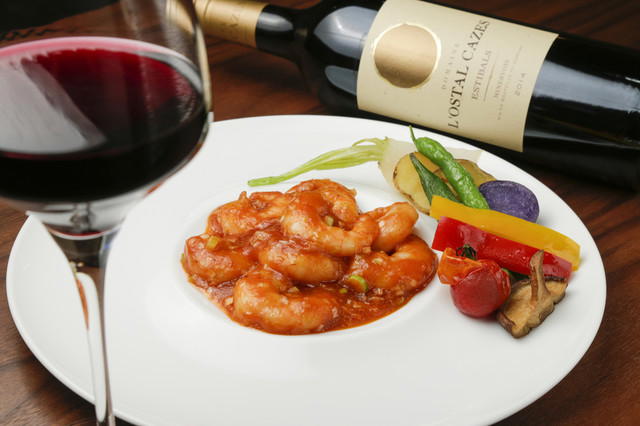
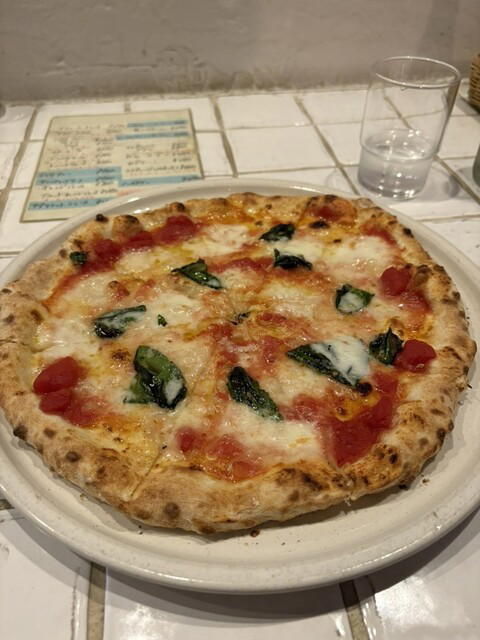
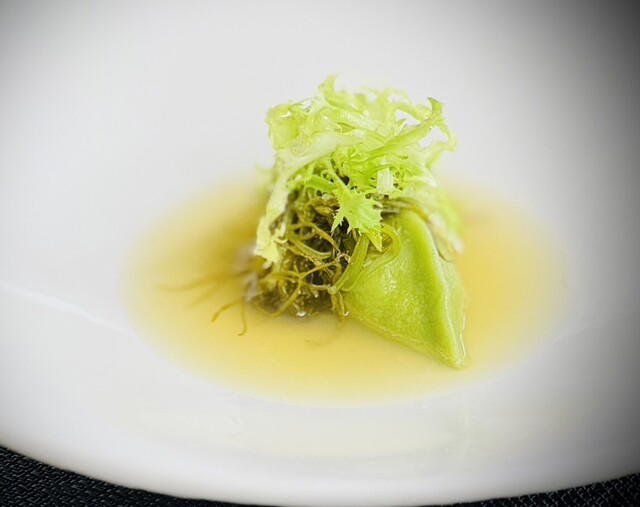
Details
- Intimate
- Cozy
- Romantic
- Elegant
- Date Night
- Special Occasion
- Celebration
- Business Dinner
- Solo
- Chefs Counter
- Design Destination
- Standalone
- Extensive Wine List
- Local Sourcing
- Tasting Menu
- Counter Dining
- Set Menu
- Wine
Current opening hours
- Monday
- 11 AM–3 PM, 5–10 PM
- Tuesday
- 11 AM–3 PM, 5–10 PM
- Wednesday
- 11 AM–3 PM, 5–10 PM
- Thursday
- 11 AM–3 PM, 5–10 PM
- Friday
- 11 AM–3 PM, 5–10 PM
- Saturday
- 11 AM–3 PM, 5–10 PM
- Sunday
- 11 AM–3 PM, 5–10 PM
Hours can change for holidays and private events. Last verified .
Warm, quiet counter-style dining with an intimate, elegant atmosphere suited to relaxed courses and wine pairings rather than casual, noisy gatherings.