
Tabelog 100 #28
Our verdict
PIZZERIA 5 gives Iwate a small-format pizza address with national recognition: a 2025 Tabelog 100 Pizza selection, 17 seats, and a house-restaurant setting in Hanamaki. The appeal is less urban spectacle than regional discipline, where pizza, Italian cooking, cafe ease, and wine sit at a price tier that keeps the experience grounded.

Pearl is the En Primeur Club membership app — saves, bookings, and concierge access live there. Same editors, same standards.
- Address
- 岩手県花巻市台5-9-3
- Website
- tabelog.com
- Directions
- Get directions
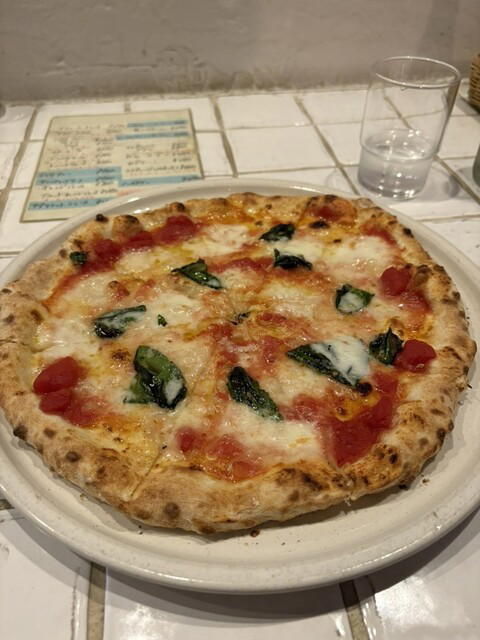
Approaching PIZZERIA 5 in Iwate is best understood through the facts that are publicly supported: it is listed in the Pizza, Italian, and Cafe categories, and it has enough recognition to sit beyond a purely local footnote. Rather than presenting it as a grand destination, the useful read is simpler: a category-led restaurant in Iwate where pizza is the central frame and the meal can be planned without the expectations attached to formal fine dining.
That matters in Iwate, where a dining itinerary can move between regional Japanese cooking, international formats, and other unnamed local dining rooms. Italian cooking in this context does not need to be described as metropolitan or ceremonial to make sense. PIZZERIA 5’s listed categories, Pizza, Italian, and Cafe, suggest a flexible restaurant identity: not a tasting-menu temple or chain slice, but a place where pizza anchors the visit and the cafe category broadens how diners may read the experience.
Regional pizza, not big-city performance
Japan’s serious pizza culture has become highly technical over the past two decades, with dough, heat, and balance often discussed with unusual precision by diners. In regional dining, the better examples are not always measured by spectacle. The useful comparison is not luxury Italian dining, but focused category restaurants that make a narrow format feel worth planning around.
PIZZERIA 5’s selection for Tabelog 100 Pizza in 2025 places it in a national conversation, not just a local one. Tabelog’s Hyakumeiten lists reward category depth, and pizza is demanding in Japan because the audience is often attentive to dough structure, heat management, topping balance, and whether Italian form is technique rather than decoration. A 3.52 Tabelog score and inclusion on the 2025 pizza list give the restaurant a clear external credential without pushing it into fine-dining theatre.
Pricing reinforces that position. Lunch sits in the JPY 1,000 to JPY 1,999 band, dinner in the JPY 2,000 to JPY 2,999 band, closer to everyday regional dining than special-occasion Italian. That contrasts with Iwate venues such as Chinese jiu and Ren, where the meal may occupy a different planning slot. For travellers mapping the prefecture through meals, the pizzeria fills a different role: category-specific, approachable in budget, and easy to fold into an Iwate day.
Ingredient and technique are the right editorial lenses because pizza exposes imbalance quickly. Dough, cheese, tomato, oil, salt, and heat leave little room for disguise, so the format rewards precision even when the meal is informal. The public facts do not require an elaborate sourcing story. PIZZERIA 5 can be read more cleanly as an Iwate restaurant whose category, price band, score, and 2025 recognition give diners enough reason to pay attention.
A compact room changes the stakes
Scale should be discussed carefully. The public record supports the restaurant’s Iwate location, its Pizza, Italian, and Cafe categories, its Tabelog score, price bands, and 2025 recognition. Those facts point to a focused dining choice rather than a broad hospitality complex, but current practical details should be checked directly before a visit.
Practical planning matters. With national category recognition and approachable listed pricing, flexibility is sensible, particularly for travellers building an Iwate day rather than passing through on a tight schedule. The public record points most clearly to the restaurant’s category, price band, and 2025 recognition, so diners should check current official channels before relying on operational details.
The social read is refreshingly broad. The format can work for a straightforward pizza meal without demanding the posture of formal dining. The format remains grounded in Pizza, Italian cooking, and Cafe categories rather than a cellar-led or tasting-menu identity.
For a wider Iwate itinerary, the restaurant pairs with a mixed approach to the prefecture rather than a single luxury arc. A traveller might compare its Italian and pizza register with other Iwate dining rooms, or use it as a lighter counterpoint to more formal local meals. For broader planning, Our full Iwate restaurants guide is the starting point, with Our full Iwate hotels guide, Our full Iwate bars guide, Our full Iwate wineries guide, and Our full Iwate experiences guide filling in the trip.
How to place it in a Japan dining itinerary
Japan’s regional dining strength often appears in exactly this kind of listing: category-specific, modestly priced, and recognised by a national list without becoming a trophy restaurant. PIZZERIA 5 should not be framed against urban tasting counters or hotel dining rooms as if they served the same purpose. Its value is sharper: Iwate has a pizza specialist with a clear external signal and a budget range that keeps the decision grounded.
That distinction helps when comparing restaurant choices across Japan. A traveller looking at dining in Kamakura, Tokyo, Osaka, Kumamoto, Kawasaki, or Sapporo is not choosing a single hierarchy; the better question is what each place reveals about its city’s appetite. Category specialists can carry serious editorial weight when the supported facts show focus, recognition, and a price point that matches the intended occasion.
The critical case for PIZZERIA 5 is simple: it belongs on an Iwate dining plan when the goal is to understand how regional Japan can absorb international forms without flattening them into generic dining. The Tabelog 100 Pizza 2025 selection supplies the trust signal; the approachable lunch and dinner bands supply the reality check. Treat it as a category-led meal rather than a grand occasion, and it makes clear sense.
Frequently asked questions
Can I bring kids to PIZZERIA 5?
Check the venue's official channels for the latest details. The public record most clearly supports PIZZERIA 5’s Iwate location, Pizza, Italian, and Cafe categories, and Tabelog recognition.
What's the vibe at PIZZERIA 5?
The supported public details point to a category-focused pizzeria rather than a formal fine-dining listing. Tabelog selected it for the Pizza category in 2025, which suits the focused format.
What should I budget for a meal at PIZZERIA 5?
Pricing at PIZZERIA 5 is listed as dinner JPY 2,000 - JPY 2,999 and lunch JPY 1,000 - JPY 1,999.
How do I find PIZZERIA 5?
PIZZERIA 5 is located in Iwate.
Should I book PIZZERIA 5 in advance?
Plan ahead and check the venue's official channels for current operating details, especially because nationally recognised category specialists can draw attention from travelling diners.
What do critics highlight about PIZZERIA 5?
The clearest critical signal is its inclusion in Tabelog 100 for Pizza in 2025. The venue also sits in the lower-to-mid price band, with lunch at JPY 1,000–JPY 1,999 and dinner at JPY 2,000–JPY 2,999.
Fast Comparison
Comparable venues by cuisine and price in the same metro.
| Venue | Cuisine | Price | Awards | Notes |
|---|---|---|---|---|
| PIZZERIA 5This venue — the venue you are viewing | Traditional Italian Pizzeria & Cafe | $20–30 | Tabelog 100 #28 | Not listed |
| Ristorante SHIKAZAWA | Modern Italian with Iwate Influences | $150–200 | Tabelog Bronze #372 | Morioka |
| Steak Teppan Ryori Wakana Morioka honten | Teppanyaki Steakhouse | $50–100 | Tabelog 100 #19 | Morioka |
| Ryuen | Yakiniku with Maesawa Beef | $30–50 | Tabelog 100 #1 | Mizusawa |
| Chinese jiu | Chinese Fine Dining | $50–100 | Tabelog 100 #57 | Hizume |
| Matsubokkuri | Farm-made Gelato & Ice Cream Shop | $1–10 | Tabelog 100 #99 | Shizukuishi |
Recognition history
Dated appearances from independent guides and award organizations, with the underlying list record or original source where available.
Tabelog 100 #28 · No. 28
Tabelog · Tabelog 100 - Pizza - 2025
Details
- Cozy
- Quiet
- Intimate
- Rustic
- Casual Hangout
- Family
- Solo
- Group Dining
- Standalone
- A La Carte
- Counter Dining
- Wine
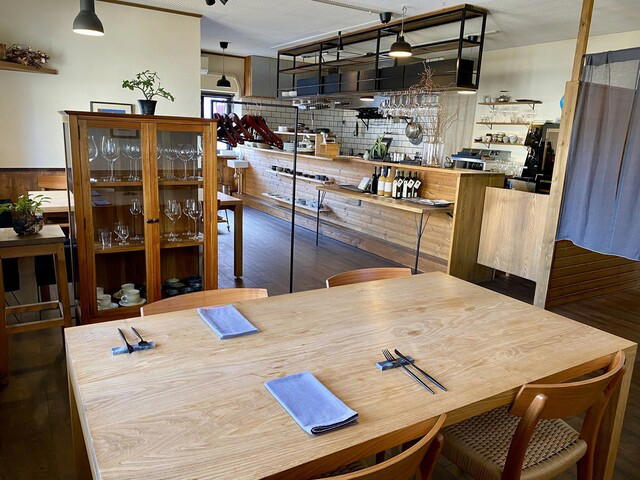
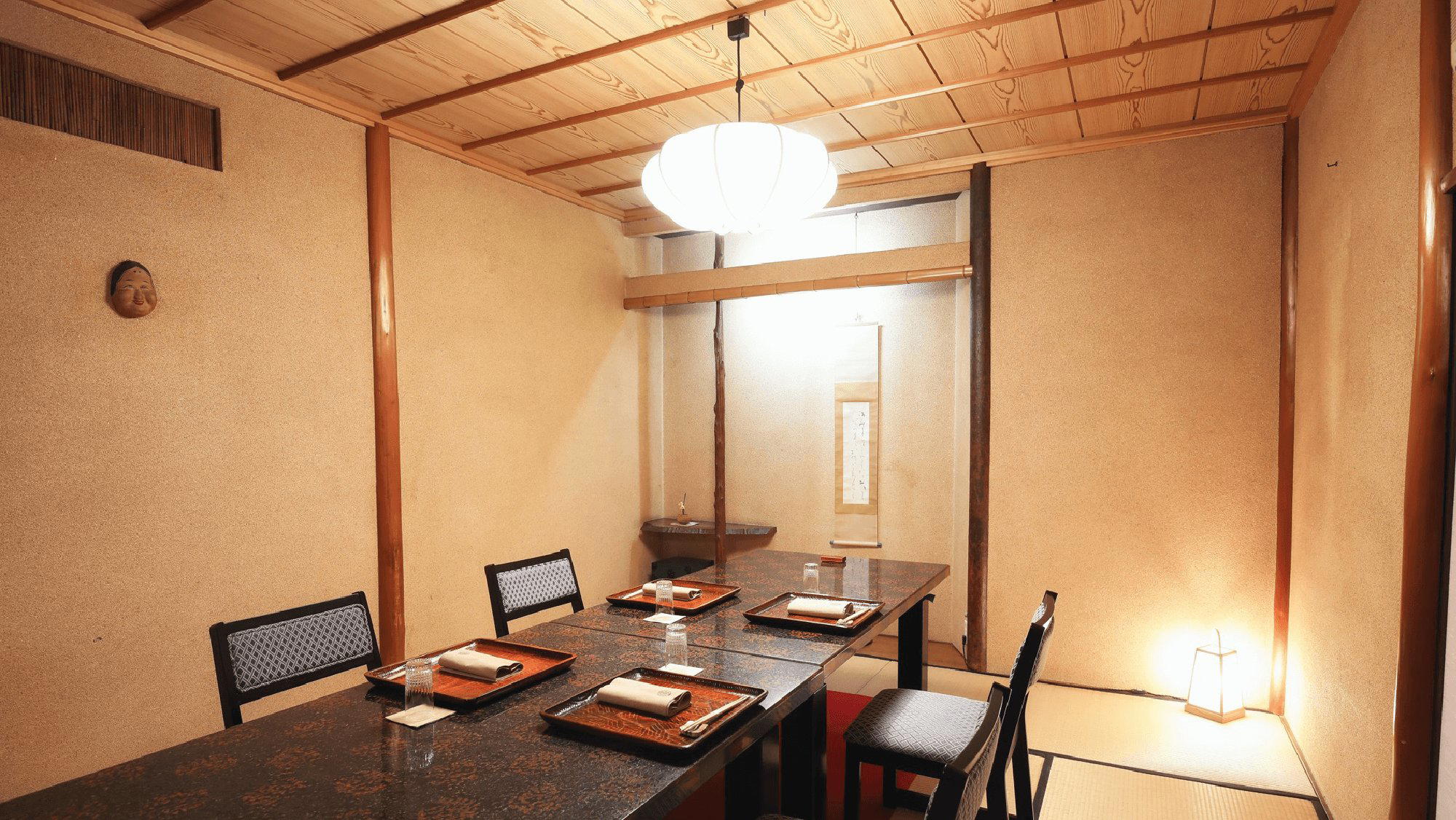
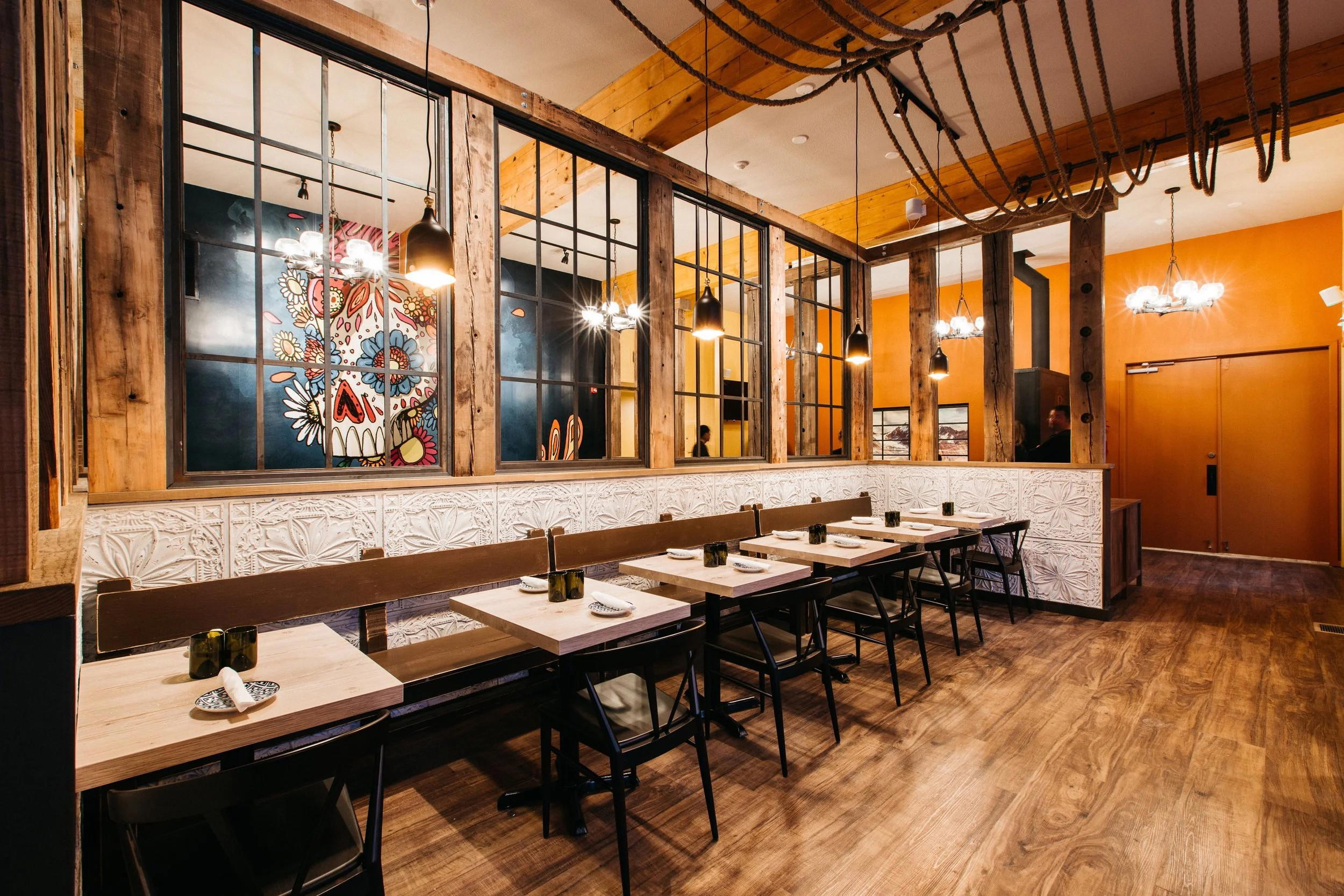
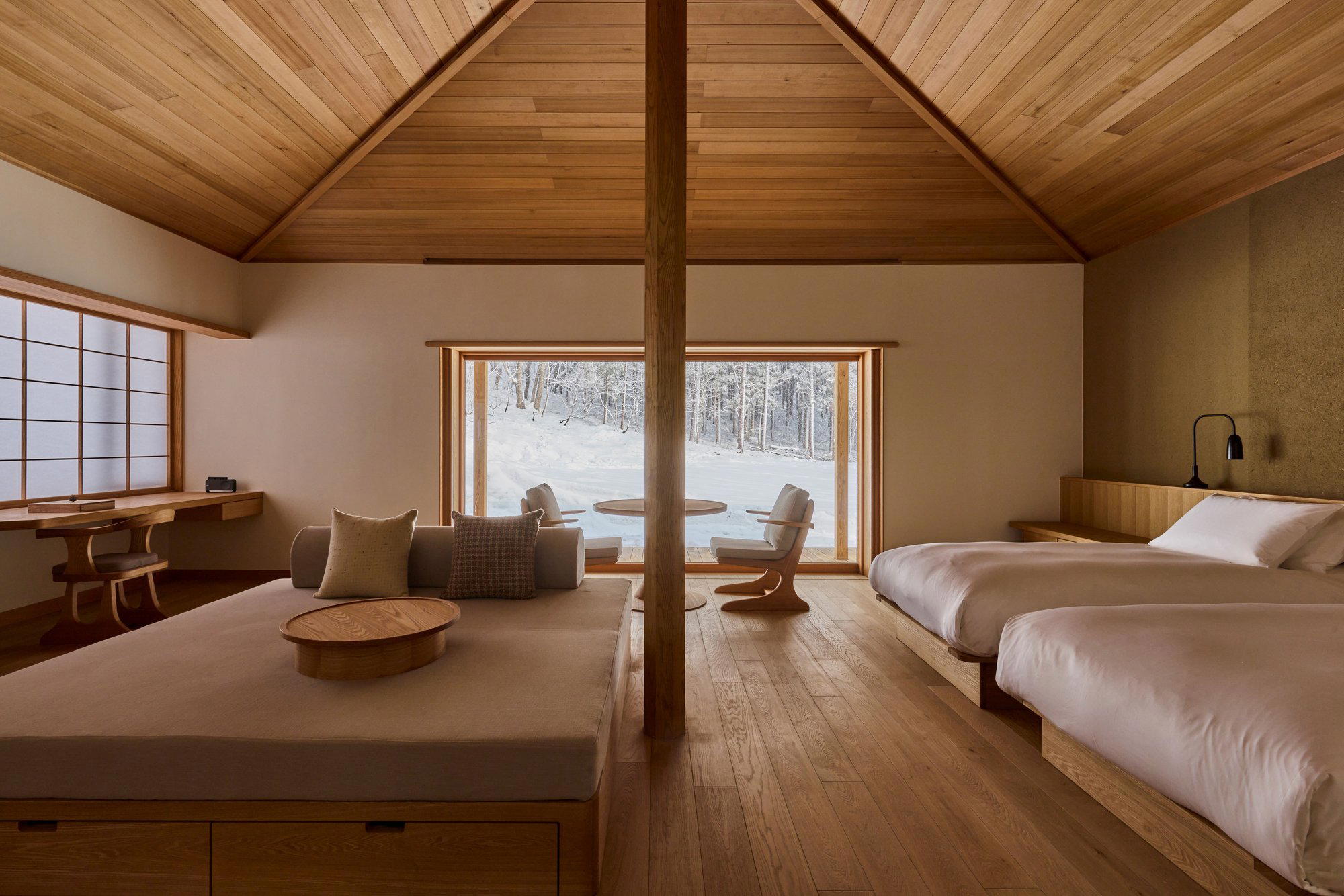
A small, relaxing hideout-style space in a residential-style house with just 17 seats, counter and table seating, and a calm, quietly welcoming atmosphere suited to solo diners, friends, and families.