
Tabelog 100 #9
Our verdict
Yelaixiang places Hanamaki’s dumpling culture in a compact, counter-led setting rather than the tasting-menu economy that dominates much of premium travel dining. Its 2024 Tabelog 100 Dumplings selection, modest dinner spend, take-out option, and yakitori alongside gyoza make it a useful read on how regional Japanese cities reward direct cooking over ceremony.

Pearl is the En Primeur Club membership app — saves, bookings, and concierge access live there. Same editors, same standards.
- Address
- 3-3 Futabacho, Hanamaki, Iwate 025-0085, Japan
- Phone
- +81 198-23-3857
- Hours
- Mon–Tue 4–8 PMWed ClosedThu–Sat 4–8 PMSun Closed
- Website
- tabelog.com
- Directions
- Get directions
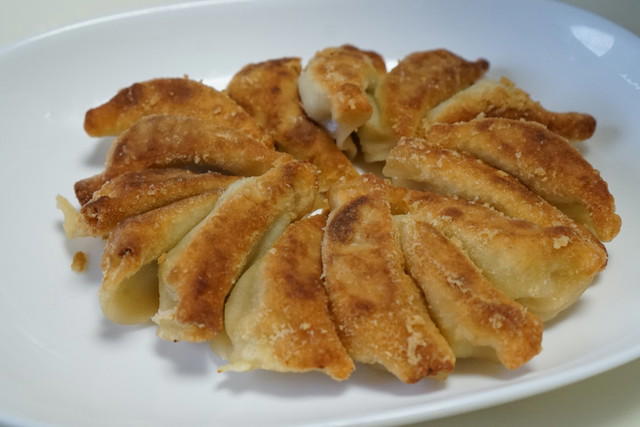
Approach Yelaixiang in Hanamaki and the dining proposition is plain before the first order: this is not the polished theatre of urban counter dining, but the smaller, tighter grammar of a local dumpling-and-grill room. Hanamaki’s restaurant culture rewards places that can serve regular diners, not only travellers chasing reservations, and Yelaixiang belongs to that category. The listing identifies it with dumplings and yakitori, keeping the focus compact and direct rather than stretching the meal into a grand regional statement.
That everyday register is exactly why the place matters. Japan’s gyoza tradition is built on repetition, dough handling, heat control, and filling balance rather than luxury sourcing language. In a city such as Hanamaki, the value of the category is not abstraction; it is whether a straightforward evening meal can make dumplings feel worth crossing town for. A 2024 Tabelog 100 Dumplings selection gives the restaurant a national signal in a category usually dominated in traveller imagination by larger cities. The point is not grandeur. The point is that a low-spend dumpling address in Iwate can enter the same conversation as specialist shops elsewhere in Japan.
Regional dumplings without tasting-menu theatre
Gyoza in Japan carries a different kind of prestige from sushi, kaiseki, or wagyu dining. It is democratic by design, often judged by repeatability and the speed at which a kitchen can move from pan to table. Yelaixiang’s listed dinner budget sits at JPY 1,000 to JPY 1,999, a bracket that changes the reader’s expectations. This is not a place to measure by linen, stemware, or long-course pacing. It is a test of whether a focused, inexpensive meal can earn attention in a guide culture that often favours spectacle.
The ingredient angle here is pragmatic rather than ornamental. Dumpling shops depend on the relationship between wrapper, filling, aromatics, and the heat applied through cooking. Yakitori adds another heat-based discipline, giving the menu a second axis of grilling rather than pushing the meal into breadth for its own sake. The format places the restaurant inside a familiar evening pattern: salty, hot food that does not need ceremony to make sense.
For travellers mapping Hanamaki through food, the contrast with Badalone is useful. That Hanamaki comparison sits in a more destination-led lane, which means the two addresses answer different questions. バダローネ occupies the city’s more planned dining conversation; Yelaixiang belongs to the lower-cost specialist lane, where frequency, speed, and appetite matter more than occasion planning. Readers building a wider itinerary should start with Our full Hanamaki restaurants guide, then use Our full Hanamaki hotels guide to keep logistics close rather than treating dinner as a detached excursion.
What the award signal actually means
Tabelog’s 2024 Dumplings 100 selection is the page’s main trust signal, and it should be read in category terms. This is not a Michelin-style claim about luxury or service choreography. It is recognition inside a defined food category, where regional specialists can sit beside better-known urban names because the product is narrow enough to compare. The listed Tabelog score is 3.55, useful as a signal of sustained approval rather than a guarantee of traveller comfort.
The same caution applies to the format. Yelaixiang should be understood as a casual small-restaurant experience, not as a neutral international dining room built around formality or ceremony. For many visitors, the most meaningful planning detail is the restaurant’s modest dinner budget and its focused category: dumplings and yakitori. Those facts tell the reader more than inflated adjectives would.
Hanamaki itself gives the meal context. The city is better known to many travellers for onsen access, rural Iwate pacing, and literary associations than for a dense restaurant circuit. That makes a category-specific dumpling selection more interesting. It points to a dining ecosystem where small evening rooms can carry serious local weight without becoming formal destinations. A traveller moving between lodging, bars, wineries, and cultural programming can use Our full Hanamaki bars guide, Our full Hanamaki wineries guide, and Our full Hanamaki experiences guide to decide whether this should be a quick dinner anchor or part of a broader evening.
How to place it in a Japan food itinerary
Yelaixiang makes the strongest case for travellers who care about specialist everyday cooking, especially those tired of building Japan trips only around reservation hierarchies. In national context, it belongs with the addresses that make a single category legible rather than those that try to summarize a city. That is a different editorial function from broader dining references in other cities, each of which sits in a different city rhythm and price conversation.
For a route built around casual specificity, the comparison widens further in generic terms: other urban dining rooms may show how varied cooking enters local restaurant culture; single-dish specialists can point toward the power of repetition; and casual meat or snack formats vary sharply by city. Even outside Japan, simple categories become meaningful when handled with discipline. Yelaixiang belongs in that conversation because the claim is narrow, practical, and grounded in a recognized dumpling category.
The editorial verdict is clear. Yelaixiang is not for travellers seeking a high-budget dinner narrative. It is for the diner who understands that dumplings, when taken seriously, reveal as much about a city’s habits as a longer menu can. In Hanamaki, that makes it a sharp, low-cost counterpoint to the region’s more planned dining experiences.
Frequently asked questions
Is Yelaixiang suitable for children?
Yelaixiang is a casual Hanamaki restaurant listed for dumplings and yakitori. Families should treat it as a straightforward local dining option and check current conditions directly before visiting.
Is Yelaixiang formal or casual?
Casual. The listed dinner budget is JPY 1,000–JPY 1,999, and the restaurant is best understood as a focused dumpling and yakitori address rather than a formal dining room.
How much does it cost to eat at Yelaixiang?
Pricing at Yelaixiang is listed as JPY 1,000 - JPY 1,999 JPY 1,000 - JPY 1,999 View spending breakdown.
What is Yelaixiang known for?
Yelaixiang is known in Hanamaki for dumplings and yakitori, with recognition in the 2024 Tabelog 100 Dumplings selection.
Side-by-Side Snapshot
Comparable venues by cuisine and price in the same metro.
| Venue | Cuisine | Price | Awards | Notes |
|---|---|---|---|---|
| YelaixiangThis venue — the venue you are viewing | Gyoza & yakitori izakaya | $10–20 | Tabelog 100 #9 | Not listed |
| Badalone | Seasonal Italian fine dining with Iwate ingredients | $50–100 | Tabelog 100 #70 | Not listed |
| バダローネ | Seasonal Italian fine dining with Iwate ingredients | $50–100 | Tabelog 100 #70 | 大通り |
| 三たてそば 長畑庵 | Traditional Soba Noodles | $10–20 | Not listed | 長畑 |
| Gyoza Hohei (ぎょうざ 歩兵) | Gyoza specialty shop | $10–20 | Tabelog 100 #38 | Gion |
| Koja Sobaya (古謝そば屋) | Authentic Miyako Soba | $1–10 | Not listed | Hirara, Miyakojima City |
Recognition history
Dated appearances from independent guides and award organizations, with the underlying list record or original source where available.
Tabelog 100 #9 · No. 9
Tabelog · Tabelog 100 - Dumplings - 2024
Details
- Cozy
- Classic
- Solo
- Casual Hangout
- After Work
- Group Dining
- Standalone
- Sake Program
- Beer Program
- A La Carte
- Small Plates
- Counter Dining
- Beer
- Sake
- Shochu
Current opening hours
- Monday
- 4–8 PM
- Tuesday
- 4–8 PM
- Wednesday
- Closed
- Thursday
- 4–8 PM
- Friday
- 4–8 PM
- Saturday
- 4–8 PM
- Sunday
- Closed
Hours can change for holidays and private events. Last verified .
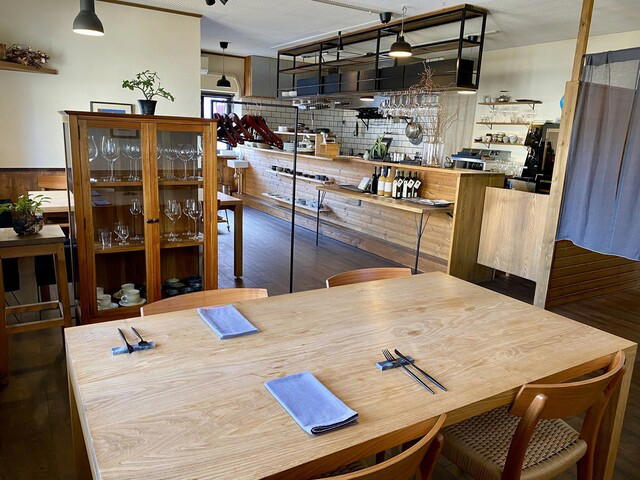
A small, house-like neighborhood spot with counter seating and a relaxed, classic izakaya-style feel, geared to solo diners and friends enjoying gyoza and drinks in the evening.