ル・ディアマンローズ occupies a quiet address in Kamogawara, one of Fukui's less-trafficked dining corridors, where the French name and the prefecture's produce-rich hinterland suggest an interesting tension between imported form and local material. The restaurant sits in a city that has been attracting serious culinary attention as Hokuriku consolidates its reputation for ingredient quality, placing it alongside a small comparable set of destination-worthy tables in the region.
Pearl is the En Primeur Club membership app — saves, bookings, and concierge access live there. Same editors, same standards.
- Address
- 1 Chome-2-8 Kamogawara, Fukui, 918-8057, Japan
- Phone
- +81776336751
- Website
- diamantrose.jp
- Directions
- Get directions
 Saves & bookings on Pearl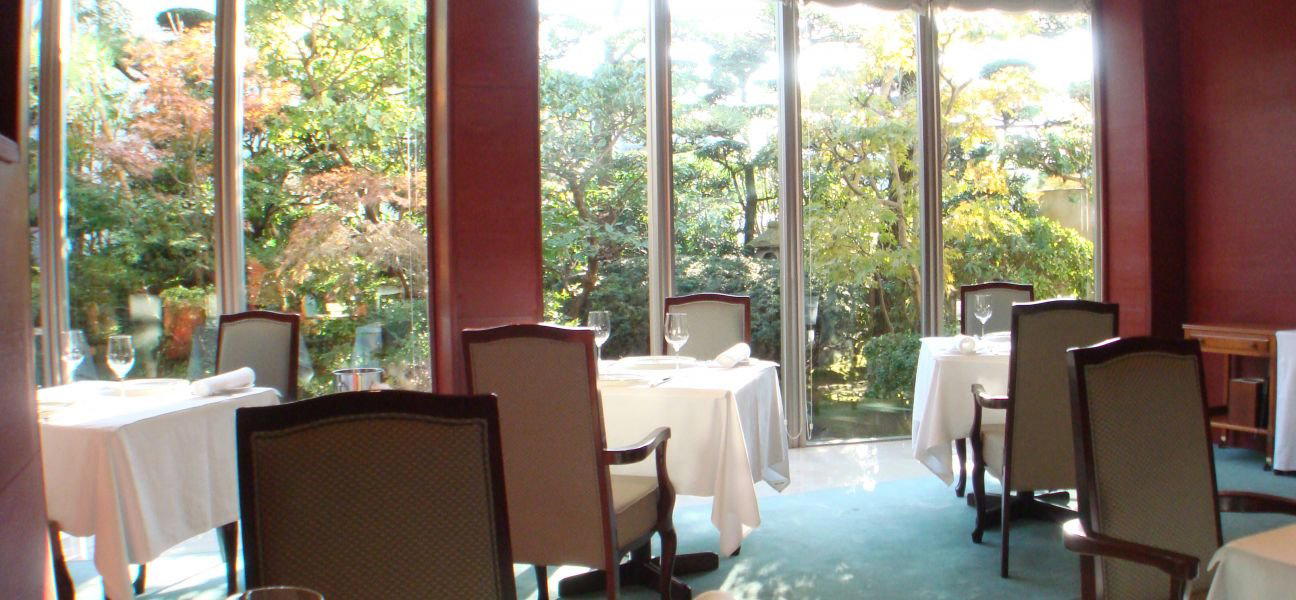
A French Name in Fukui's Dining Corridor
ル・ディアマンローズ is a restaurant in Fukui, Japan, serving refined seasonal French cuisine. The address, 1 Chome-2-8 Kamogawara, a residential stretch south of central Fukui, signals something immediately. ル・ディアマンローズ, with its French-inflected name translating loosely as "pink diamond," reads as the latter type: deliberate, slightly apart from the main drag, and therefore worth examining in the context of what Fukui's dining scene has been doing over the past decade.
Fukui Prefecture has been quietly accumulating credibility as a serious food destination. The prefecture sits at the intersection of Hokuriku's fishing culture, Echizen crab is one of Japan's most protected and price-controlled premium ingredients, and an agricultural interior that produces rice, soba, and specialty vegetables at a quality that metropolitan chefs have been sourcing for years. That raw material wealth creates conditions where a French or French-adjacent restaurant can operate with genuine local identity rather than imported ingredients and borrowed prestige. Across the region, comparable moves are visible: akordu in Nara built a European framework around Yamato vegetables; HAJIME in Osaka uses French technique as a structural language for Japanese ingredient expression. ル・ディアマンローズ appears to occupy a similar conceptual space within its prefecture.
The Hokuriku Ingredient Context
Understanding what a restaurant like this can put on the table requires understanding Fukui's supply chain. Echizen crab (越前ガニ), harvested from November through March and tagged individually at landing, commands prices in Fukui fish markets that rival anything sold at Tokyo's premium counters. The Sea of Japan coastline also yields nodoguro (blackthroat seaperch), a fish that has achieved near-cult status among Japanese chefs and now appears on menus from Kanazawa to Kyoto at significant premiums. Inland, Fukui's Echizen soba tradition produces some of Japan's most respected buckwheat, and Mikatago Five Lakes region supplies vegetables to kitchens across the Kansai-Hokuriku belt.
A restaurant positioning itself with a French identity in this environment faces an interesting editorial question: how much of that local material does it use, and through what lens does it present it? The answer to that question is part of the restaurant's appeal. For comparison, see how Gion Sasaki in Kyoto and Goh in Fukuoka each negotiate between Western technique and hyper-local ingredient identity in their respective cities.
The Wine Angle: Provincial French Tables and Cellar Logic
French-named restaurants in Japanese provincial cities occupy a distinct position in the country's wine culture. Unlike Tokyo's upper-tier French tables, where sommelier programs, by-the-glass variety, and cellar depth are expected to match Michelin-level peers globally, regional French restaurants in cities like Fukui, Kanazawa, or Nara tend to curate their lists around a tighter, more considered selection. The economics are different: a smaller diner count, lower turnover, and a customer base that may include both serious collectors and casual diners means the cellar has to work harder in fewer bottles.
The leading provincial French wine programs in Japan tend to prioritise depth over breadth: fewer producers, better vintages, more confidence in the recommendation rather than the menu-length list. Burgundy and Loire feature disproportionately at this level, Burgundy because of its alignment with umami-driven Japanese palates and the cultural prestige it carries, Loire because of its acid structure and food-pairing flexibility with seafood-heavy menus. A restaurant drawing on Echizen crab and nodoguro has obvious reasons to keep white Burgundy and quality Chablis on hand through the November-to-March crab season. The structural conditions for a focused list are present. For a sense of what thoughtful wine programming looks like at a world-reference level, Le Bernardin in New York City and Atomix in New York City both demonstrate how cellar curation at a seafood-centred French or Korean-French table can define the overall dining proposition.
Fukui's Table: Where ル・ディアマンローズ Sits
Fukui city's restaurant scene is smaller and less internationally documented than Kanazawa's, a city 75 kilometres north that has benefited from Shinkansen access and heavier food media coverage since 2015. That relative low profile creates space for restaurants to operate with less performance pressure and more culinary consistency, but it also means less third-party documentation of quality. Within Fukui's current documented dining tier, the comparable set includes Kaikatei, Miyazaki, Sushi Jubei, 寿し㘡, and 御料理 一乃. Against that comparable set, a French-format restaurant with a distinct name identity occupies a different niche: it isn't competing for the same sushi or Chinese-dining occasion, but rather for the tasting-menu dinner slot where a traveller or local splurge-diner allocates more time, more money, and higher expectations for the full arc of an evening.
For broader regional context across the Hokuriku belt, the comparison tables worth noting include 一本杉 川嶋 in Nanao, 湖邸別荘 in Takashima, and 古久羽屋 in Nishikawa Machi, each of which operates in a similar zone of provincial Japanese fine dining where the gap between local obscurity and genuine quality can be significant. See our full Fukui restaurants guide for a mapped overview of the city's current dining tiers.
Planning a Visit
The Kamogawara address is south of the central Fukui Station area and is most practically reached by taxi from the station, a short ride given central Fukui's compact scale. Fukui itself is accessible by limited express from Osaka (approximately two hours on the Thunderbird service) or from Kanazawa (under one hour), and the opening of the Hokuriku Shinkansen extension to Tsuruga in 2024 improved connectivity from the Kansai side. Advance reservation is recommended before any dedicated trip. For comparable planning intelligence across Japan's provincial fine-dining circuit, Harutaka in Tokyo, 大人の隠れ家 in Sapporo, and Birdland in Sakai all illustrate how lead times and booking logistics vary by city tier and format type.
Quick Comparison
Comparable venues nearby, for context on price, style, and recognition.
| Venue | Cuisine | Price | Notes |
|---|---|---|---|
| ル・ディアマンローズThis venue — the venue you are viewing | Refined Seasonal French | $$$ | Not listed |
| ル・ジャルダン | Authentic French with Fukui local ingredients | $$$$ | Bunkyo |
| 滝の川 | Echizen Crab Seafood | $$$ | Echizen Town |
| グラン・シェフ クーゼー | Fukui French Fine Dining | $$$ | Harmony Hall area |
| 鮨処海月 | Kappo-Style Seasonal Kaiseki | $$$$ | central Fukui |
| 紋や | Local Fukui Japanese Kaiseki | $$$ | Chuo |
Continue exploring
More in Fukui
Restaurants in Fukui
Browse all →
At a Glance
- Elegant
- Romantic
- Cozy
- Sophisticated
- Date Night
- Special Occasion
- Garden
- Sake Program
- Local Sourcing
- Garden
Current opening hours
- Monday
- Closed
- Tuesday
- 11:30 AM–2:30 PM, 6–10 PM
- Wednesday
- 11:30 AM–2:30 PM, 6–10 PM
- Thursday
- 11:30 AM–2:30 PM, 6–10 PM
- Friday
- 11:30 AM–2:30 PM, 6–10 PM
- Saturday
- 11:30 AM–2:30 PM, 6–10 PM
- Sunday
- 11:30 AM–2:30 PM, 6–10 PM
Hours can change for holidays and private events. Last verified .
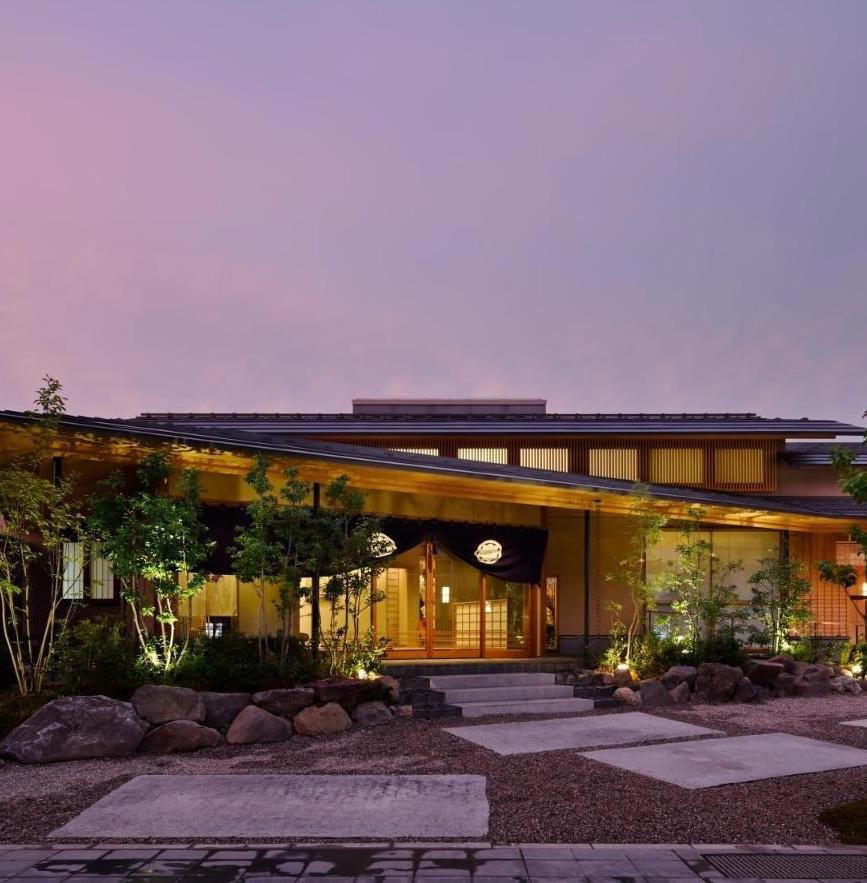
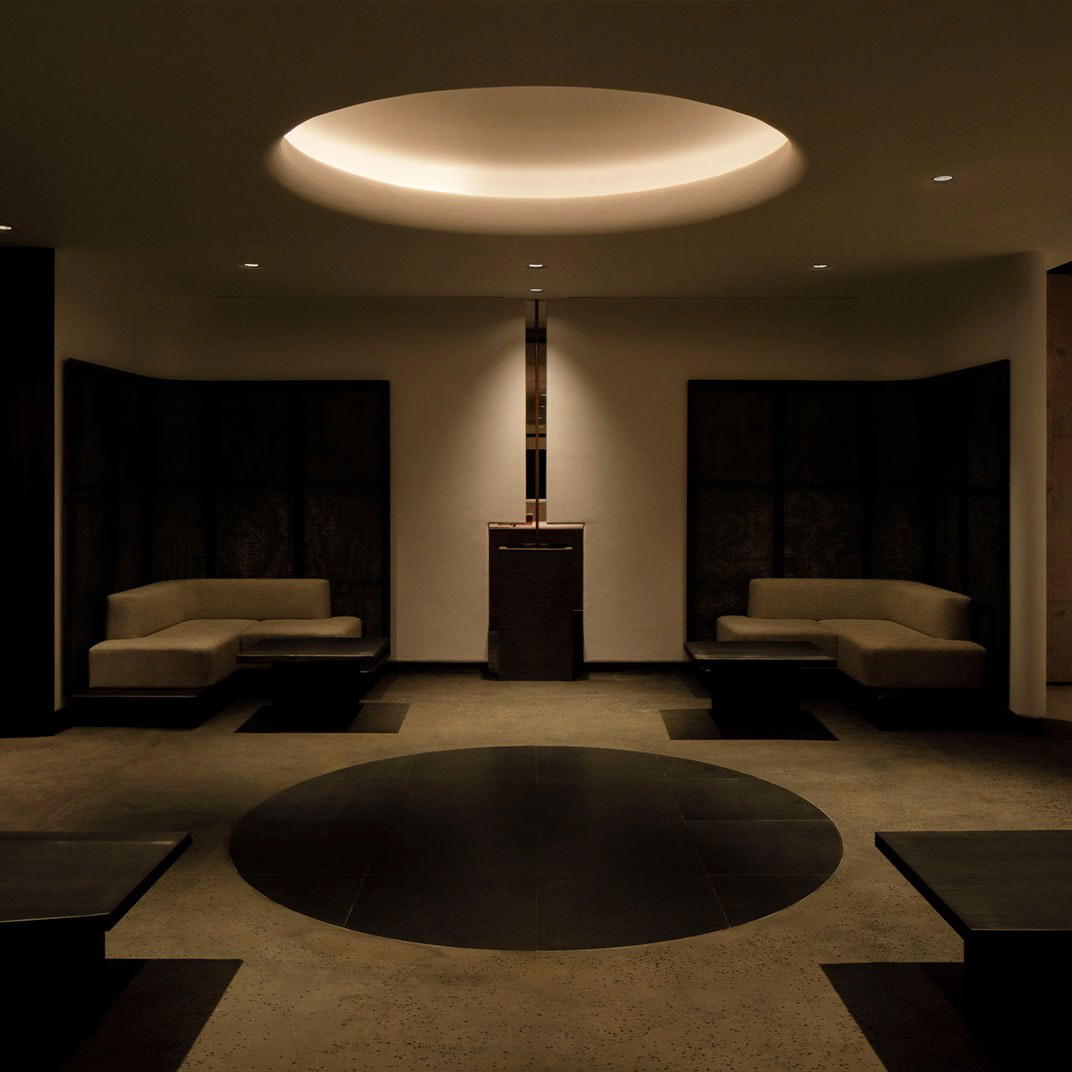
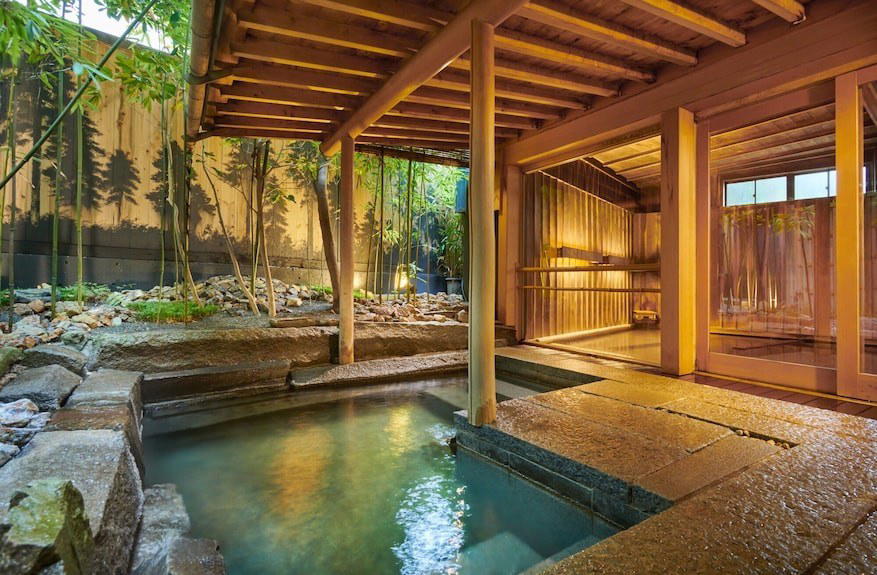
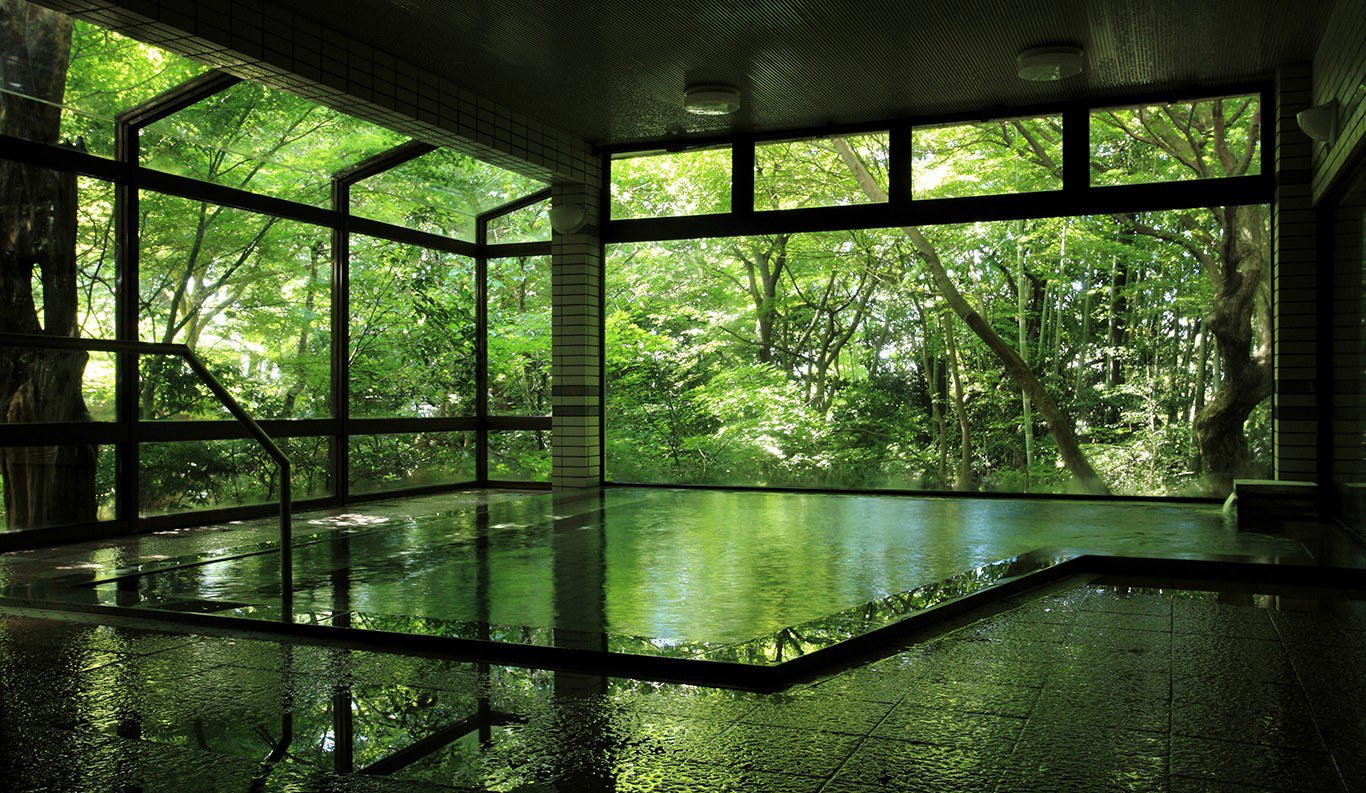
ゆったりとした雰囲気の中で、心の中までほんのり温まる優美な空間 with garden views.