鮨処海月 serves kappo-style seasonal kaiseki at a chef's counter with an open kitchen, pairing a sake program with quiet, leisurely dinner service and daily sashimi selection plus charcoal-grilled Echizen crab.
Pearl is the En Primeur Club membership app — saves, bookings, and concierge access live there. Same editors, same standards.
- Address
- 1 Chome-10-2 Junka, Fukui, 910-0023, Japan
- Phone
- +815058713498
- Website
- hitosara.com
- Directions
- Get directions
 Saves & bookings on Pearl
Fukui's Quiet Dining Register
Fukui prefecture sits at an angle to Japan's main culinary circuits. The shinkansen connection to Tokyo and Osaka, which arrived only in 2024, has brought the city into closer conversation with the country's broader dining culture, but the local restaurant scene has long operated on its own terms: deliberate, ingredient-focused, and largely indifferent to the pressures of visibility that reshape menus in larger cities. It is in this context that 鯨如海家 (Kujira no Umi-ya) occupies its address at 1 Chome-10-2 Junka, a residential-commercial pocket in central Fukui that draws little foot traffic from tourists.
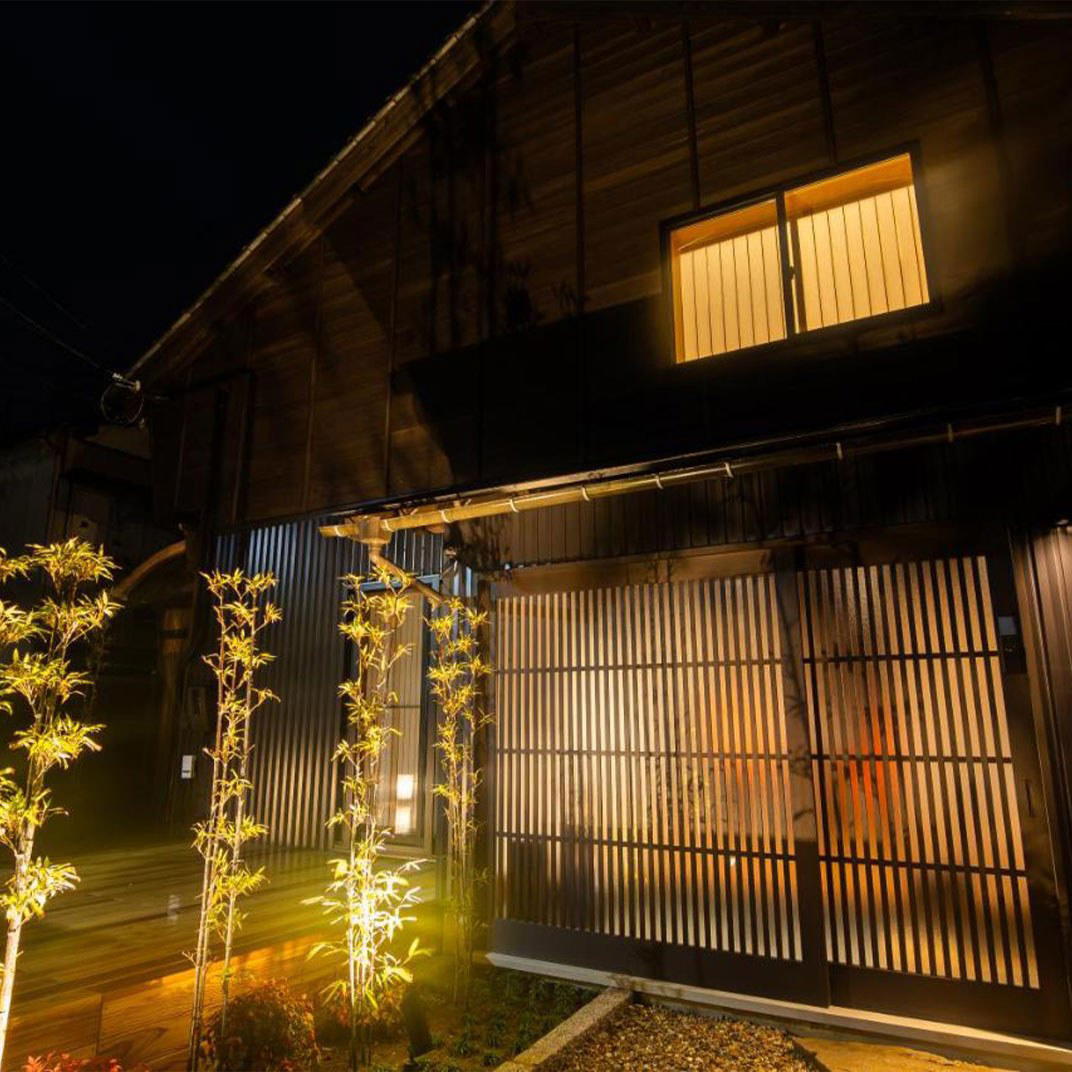
The approach to the venue itself tells you something about the dining philosophy inside. Fukui's central neighbourhoods are low-rise and unhurried, with little of the competitive signage that marks restaurant districts in Osaka or Tokyo. A restaurant that chooses this address is not optimising for walk-in discovery. That decision, in a city of this size, is itself a form of positioning.
What the Menu Structure Reveals
Across Japan's regional restaurant scene, menu architecture has become one of the clearest signals of a kitchen's identity. Restaurants at the more considered end of the market have moved away from à la carte into fixed formats that allow produce to arrive in sequence and be contextualised by what precedes and follows it. Fukui supports this approach through its geography: the prefecture borders the Sea of Japan, giving kitchens direct access to snow crab (zuwaigani), yellowtail, and a range of cold-water seafood that changes with the season. The inland areas contribute Echizen soba and locally grown rice. A kitchen in Junka that draws on these sources has the raw material to build a coherent, place-specific progression of courses.
The editorial interest in menu architecture is not merely structural. The order in which ingredients appear, the weight given to land versus sea, and the transitions between flavour registers all reflect decisions about what the kitchen believes dining should accomplish. Venues operating at the more deliberate end of Fukui's dining spectrum tend to let these decisions show, rather than hiding them behind variety. That transparency is a form of confidence.
For comparison, consider how Fukui's dining scene positions itself against other regional cities. Goh in Fukuoka and Gion Sasaki in Kyoto represent the high-scrutiny end of Japanese regional dining, where Michelin recognition and press attention create a feedback loop between kitchen ambition and reservation demand. Fukui operates at a different frequency. That changes the relationship between kitchen and guest in ways that are often audible in the pace and informality of service.
Fukui in the Regional Context
Understanding 鯨如海家 requires some sense of where Fukui sits within Japan's regional dining hierarchy. The city is not Kyoto, with its density of high-end kaiseki; nor is it Osaka, where volume and range define the scene. Fukui is a prefecture capital with a strong local food identity built around specific products: Echizen crab, Obama (小浜) seafood from the Wakasa Bay coast, Echizen soba, and Fukui Koshihikari rice, which is considered among the country's best-regarded strains. Kitchens that anchor menus to these ingredients signal alignment with local provenance rather than cosmopolitan variety.
This matters when reading any Fukui restaurant. A menu that foregrounds zuwaigani in winter, shifts to lighter sea fish in spring, and builds around soba and rice in the warmer months is not simply being seasonal. It is making an argument about what this prefecture tastes like, and that argument has more persuasive force when the ingredients are genuinely local rather than sourced through Tokyo's Tsukiji or Toyosu markets.
Across Fukui's dining options, there is a tier of restaurants that operate in a similar register to 鯨如海家. Sushi Jubei and Miyazaki represent the city's more visible dining addresses, while 寿司葉 and 御料理 壬申 occupy the quieter, more specialist end. Kaikatei shows that the city also supports a Chinese dining tradition that sits comfortably alongside Japanese formats. Across these addresses, the common thread is an orientation toward produce quality over format spectacle.
Placing This Against National Peers
Japan's regional restaurant scene has matured significantly over the past decade. Venues in secondary and tertiary cities increasingly compete on the same terms as Tokyo and Osaka counterparts when it comes to ingredient sourcing and kitchen technique, even when they operate at a fraction of the price and profile. HAJIME in Osaka and Harutaka in Tokyo represent the top tier of that national conversation, while restaurants like akordu in Nara, Abon in Ashiya, and affetto akita in Akita illustrate how the format has distributed across the country's regions. Aji Arai in Oita, Ajidocoro in Yubari District, and Akakichi in Imabari further confirm that Japan's most interesting eating increasingly happens outside the capital's most-photographed streets.
Fukui is not yet on most international visitors' itineraries in the way that Kyoto or Osaka are, and the 2024 shinkansen extension is still working through its effect on visitor numbers. For readers willing to go beyond the standard Kansai circuit, the city offers a dining scene that is geographically coherent and ingredient-honest in ways that larger cities sometimes sacrifice in the pursuit of scale. For broader context on where 鯨如海家 sits within Fukui's full restaurant offering, see our full Fukui restaurants guide.
For those planning a Japan trip that crosses multiple cities, the contrast with somewhere like Lazy Bear in San Francisco or Le Bernardin in New York City is instructive. Both of those addresses operate under conditions of intense media scrutiny and international reservation demand that shape everything from menu pricing to pacing. Fukui's leading restaurants operate under different pressures, and the experience reflects that difference.
Planning a Visit
The Junka address in central Fukui is accessible from Fukui Station, which is now connected directly to the Hokuriku Shinkansen line. The neighbourhood is walkable from the station and requires no additional transport. Given the limited availability of English-language information about this venue and the absence of a published website or phone number in current records, approaching the booking through a hotel concierge in Fukui or through a Japan-based reservation service is the most reliable path. Reservations are advisable for any Fukui restaurant operating at this level of deliberateness, particularly during crab season between November and March, when demand for the leading local seafood restaurants increases sharply across the prefecture.
How 鮨処海月 Fukui compares with similar nearby venues.
| Venue | Price |
|---|---|
| Tengiku Ten | JPY 6,000 - JPY 7,999 JPY 1,000 - JPY 1,999 |
| Europe Ken Souhonten | JPY 1,000 - JPY 1,999 JPY 1,000 - JPY 1,999 |
At a Glance
- Elegant
- Intimate
- Sophisticated
- Special Occasion
- Date Night
- Chefs Counter
- Open Kitchen
- Sake Program
- Local Sourcing
- Sustainable Seafood
Current opening hours
- Monday
- Closed
- Tuesday
- Closed
- Wednesday
- 11 AM–7:50 PM
- Thursday
- 11 AM–7:50 PM
- Friday
- 11 AM–7:50 PM
- Saturday
- 11 AM–7:50 PM
- Sunday
- 11 AM–7:50 PM
Hours can change for holidays and private events. Last verified .
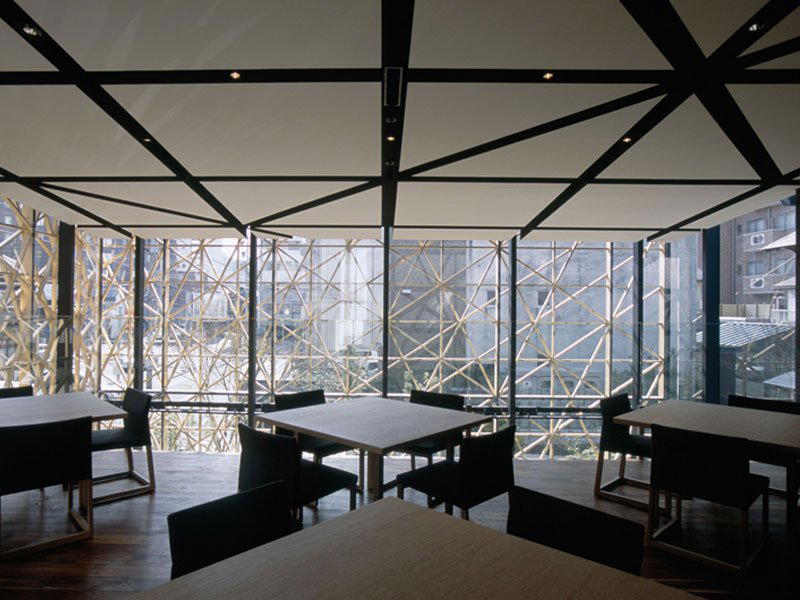
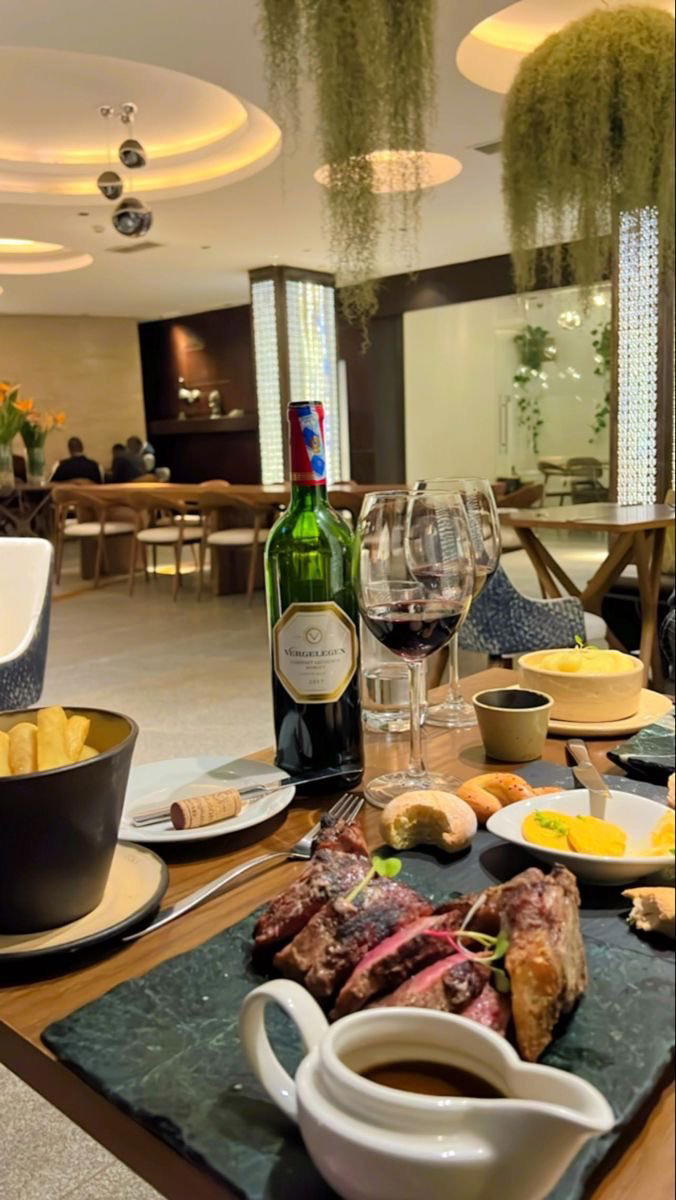
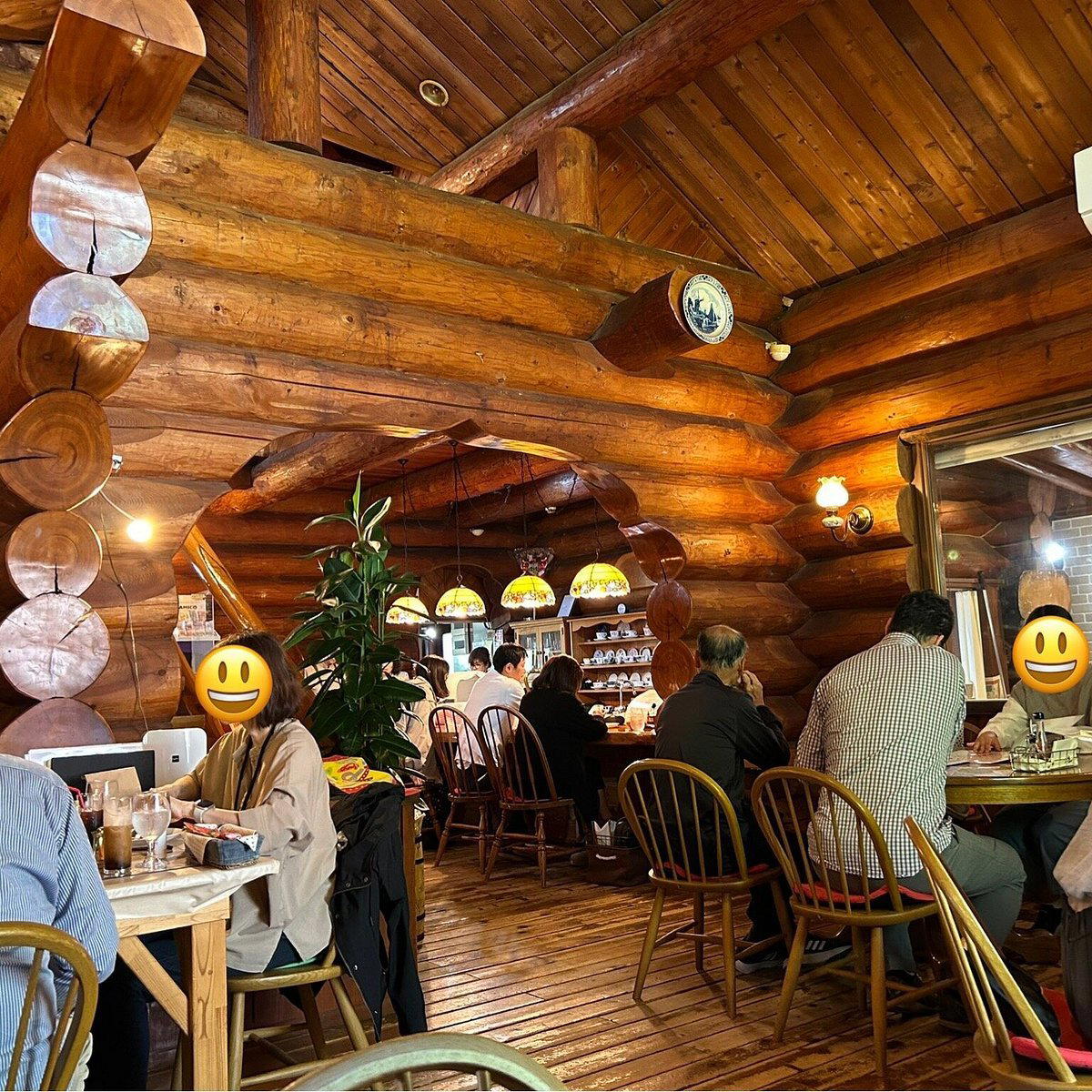
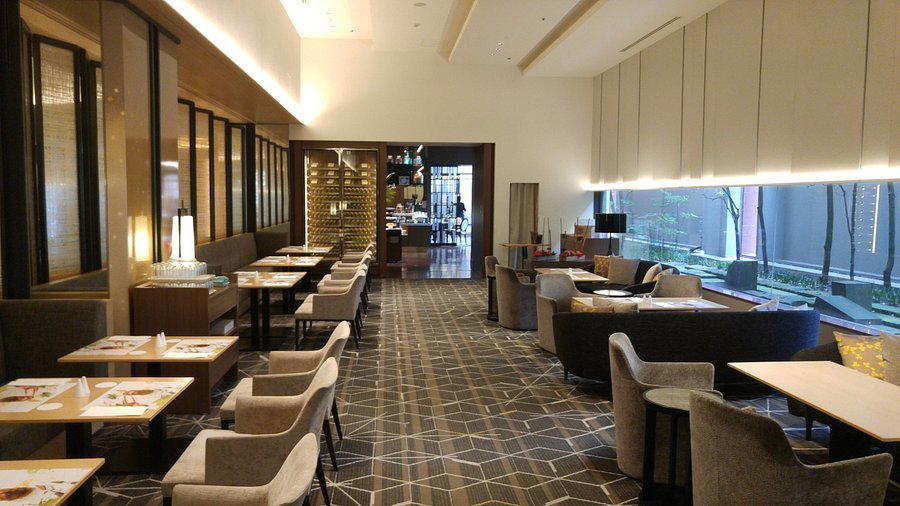
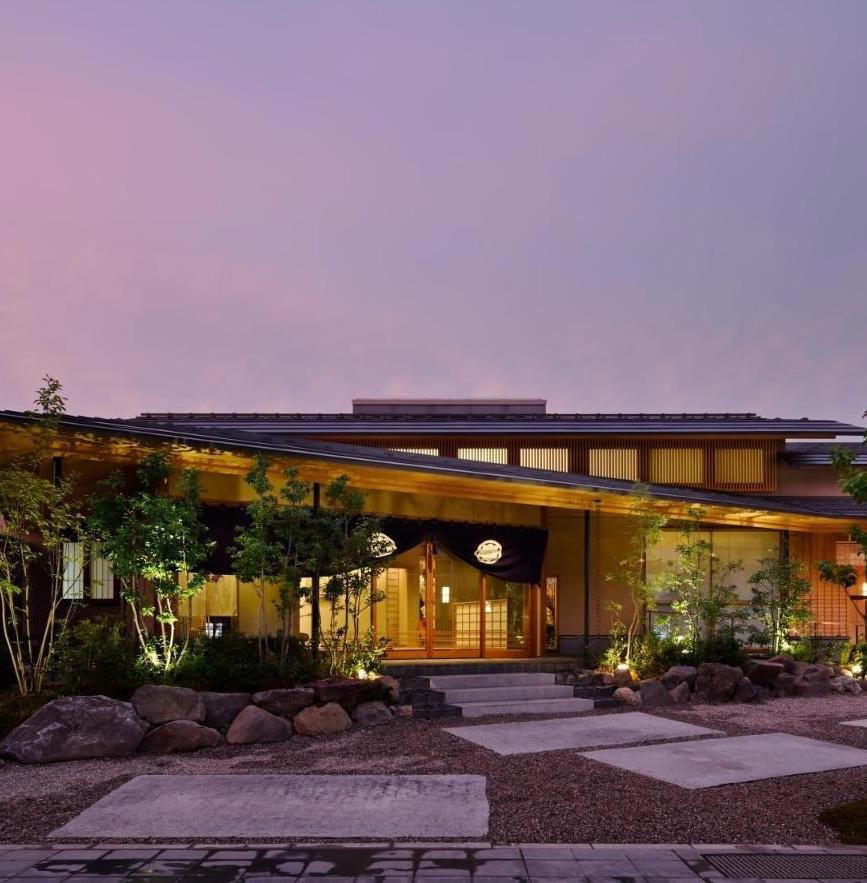
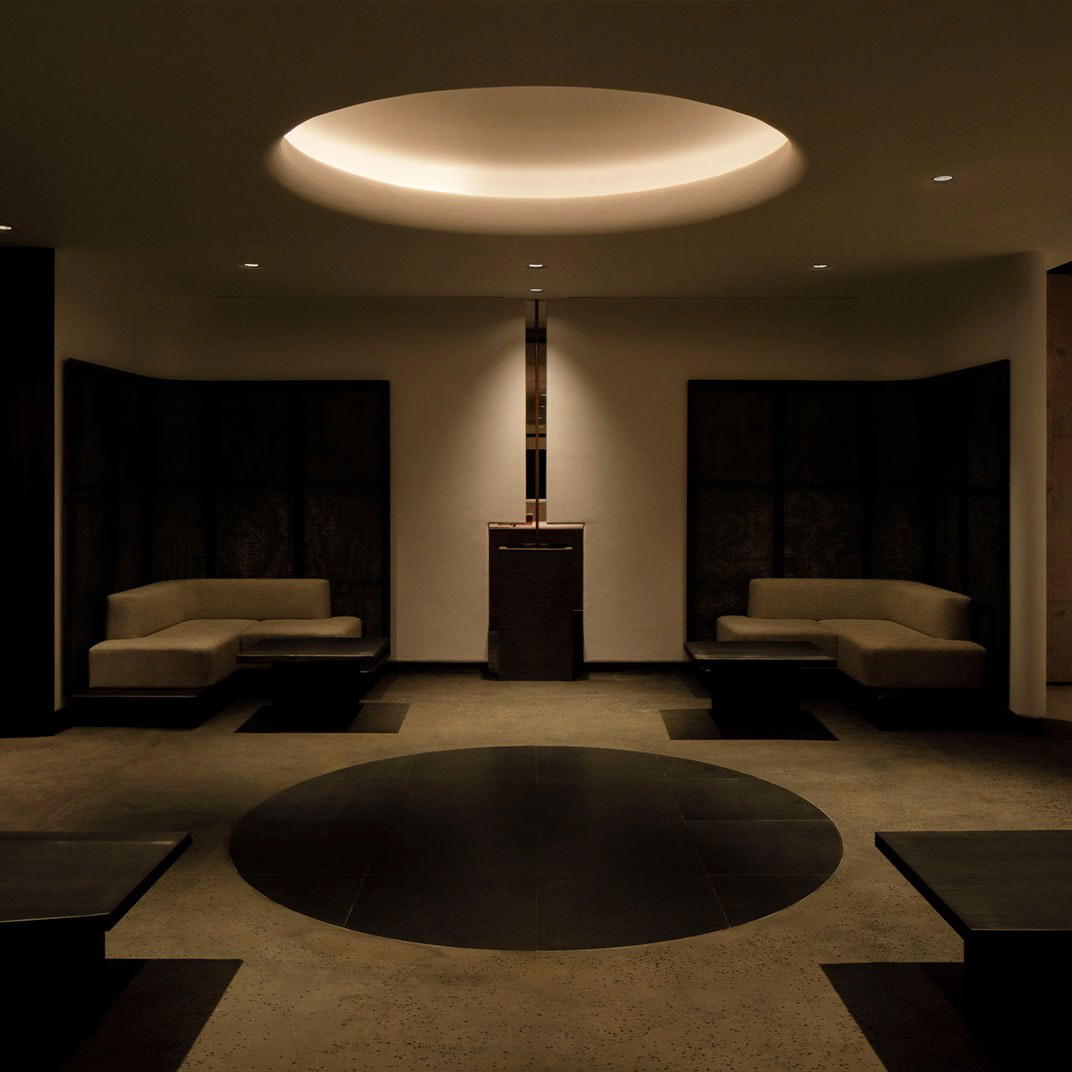
Intimate and refined with soft lighting, minimalist decor, and a serene counter overlooking the chef's precise preparations.
Know Before You Go
- Getting there
- 1 Chome-10-2 Junka, Fukui, 910-0023, Japan