In Fukui's Miyuki district, 滝の川 occupies a tier of regional Japanese dining that rewards patience and local knowledge over tourist-trail visibility. The address alone — a residential pocket of a city that few international itineraries include — signals a kitchen oriented toward neighbourhood regulars rather than passing trade. For travellers who have exhausted the obvious Kansai circuit, Fukui's dining scene offers a different register entirely.
Pearl is the En Primeur Club membership app — saves, bookings, and concierge access live there. Same editors, same standards.
- Address
- 4 Chome-12-1 Miyuki, Fukui, 910-0854, Japan
- Phone
- +81776430930
- Website
- echizenkani.com
- Directions
- Get directions
 Saves & bookings on Pearl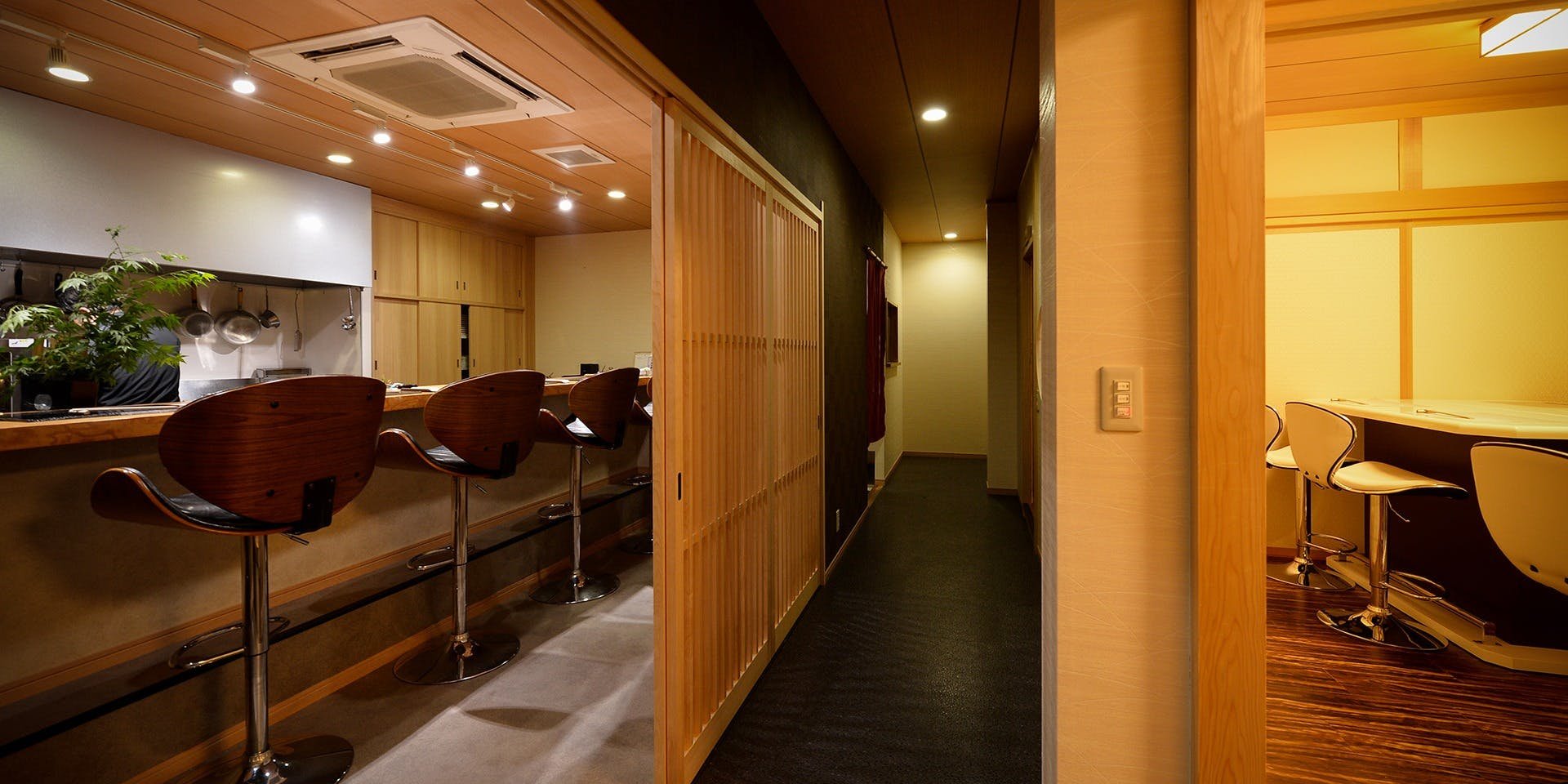
A City That Hasn't Optimised Itself for Visitors
Fukui Prefecture sits between the Japan Sea coast and the Echizen highlands in a geography that has shaped its food culture more consistently than any marketing campaign. Snow crab from Echizen, soft wheat cultivated across the inland plains, fermented condiments with centuries of local history: these ingredients define what a kitchen in Miyuki district is working with before a single decision about menu format is made. The prefecture's relative distance from the Kansai and Chubu transit hubs has kept its dining scene oriented inward, which means restaurants here answer to local palates and seasonal supply chains rather than to the expectations of a passing audience.
That geographic insularity has a culinary consequence worth understanding. Fukui's better kitchens have not converged toward the Tokyo-legible omakase format that now dominates fine dining coverage in international food media. Instead, they operate closer to the rhythm of their ingredients: what the Japan Sea yields in a given week, what the mountain valleys produce in each season. For a reader who has worked through the standard Michelin-tracked circuit in Osaka, Kyoto, or Tokyo — venues like HAJIME in Osaka, Harutaka in Tokyo, or Gion Sasaki in Kyoto — Fukui represents a different proposition: regional depth over institutional recognition.
The Miyuki District and What It Signals
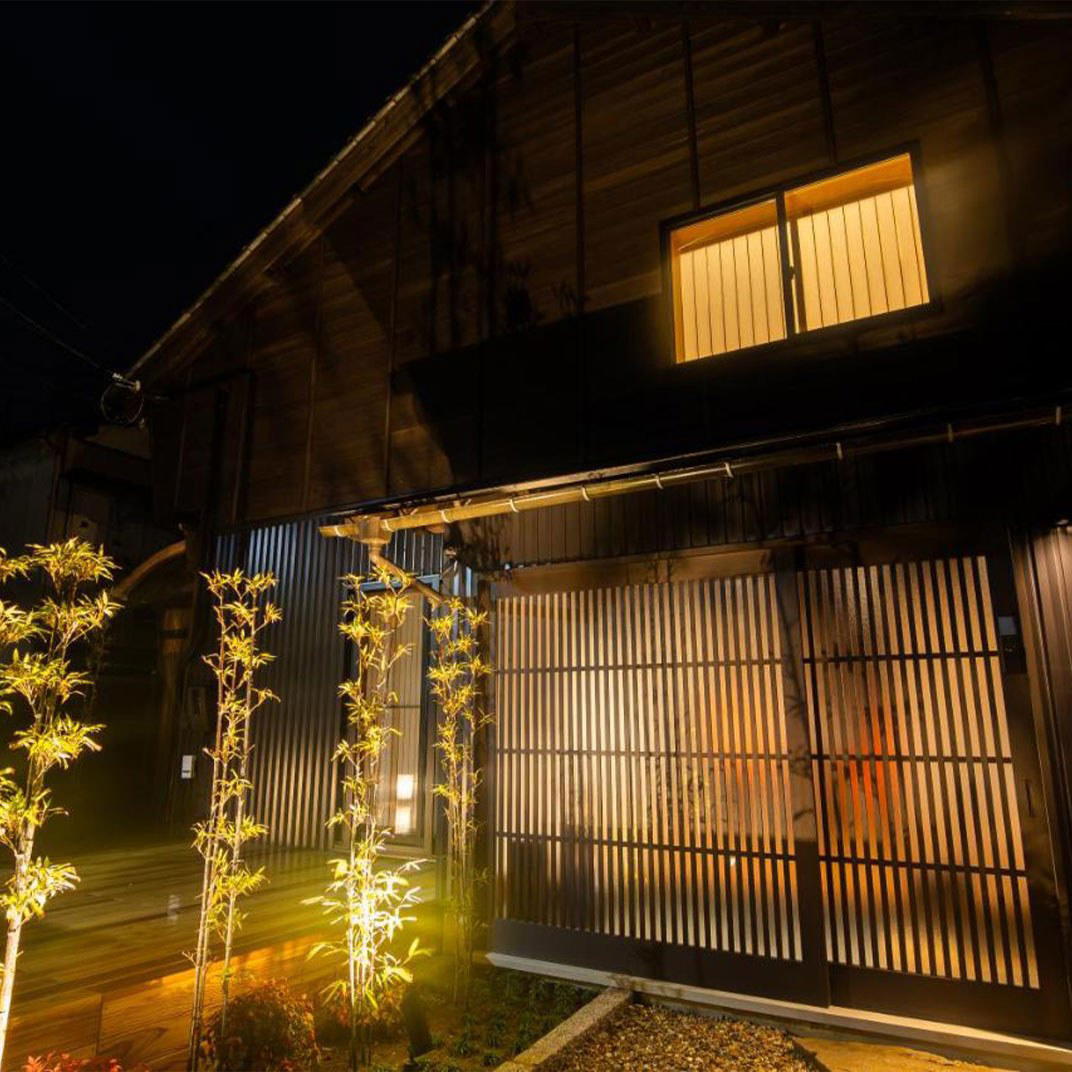
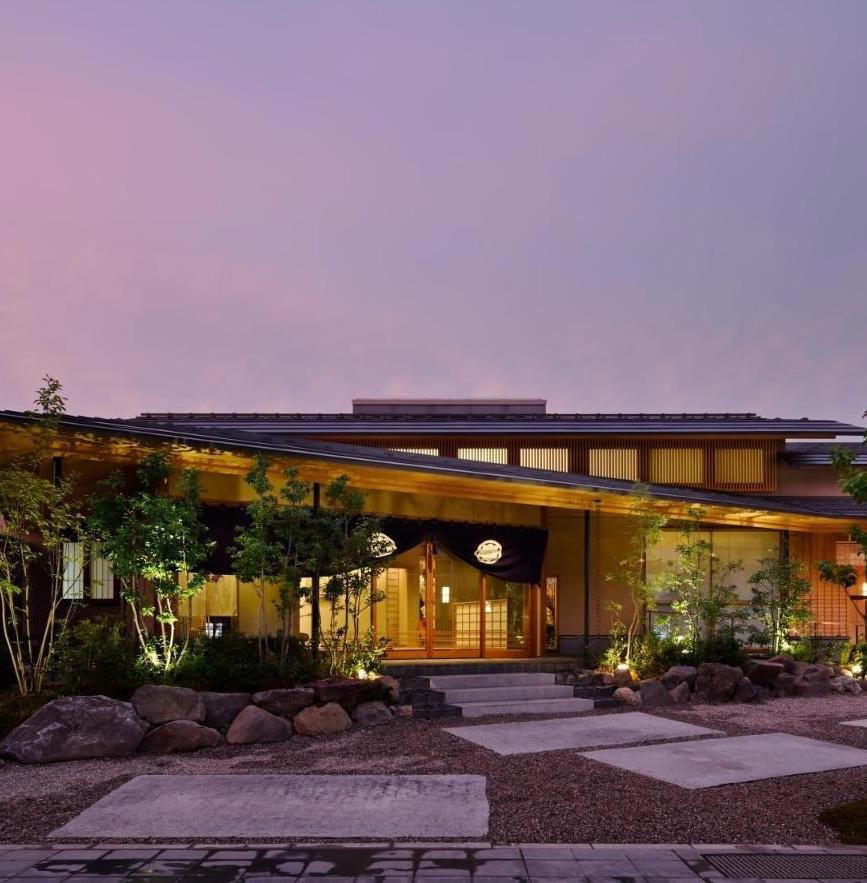
The address at 4 Chome-12-1 Miyuki places 滝の川 in a residential stretch that does not announce itself as a dining destination. This is not staging. Neighbourhoods like Miyuki persist in Japanese provincial cities as the actual tissue of daily life, and restaurants that operate within them tend to have built their clientele through consistency and proximity rather than through the kind of press attention that generates reservation queues from out-of-prefecture. That positioning is itself an editorial statement about what kind of establishment this is: one that has earned its place in local life rather than one that has imported a format from elsewhere.
Within Fukui's restaurant scene, this address puts 滝の川 in a different register from venues clustered around the central station or aligned with the tourist accommodation belt. Readers planning time in the city can find Kaikatei, Miyazaki, and Sushi Jubei across a range of formats and cuisines; the full picture is in our Fukui restaurants guide. 滝の川 earns attention on different terms: not because it fits an easy category, but because its location in a working residential pocket signals a kitchen accountable to regulars, not to first-time visitors.
Sustainability as a Structural Feature, Not a Menu Note
In regional Japan, sustainability has rarely needed branding. The supply chain is simply shorter. A restaurant in Miyuki district that sources from Echizen's coastal fisheries and the prefecture's inland agricultural producers is, by structural default, operating with a lower-impact procurement model than any urban kitchen managing multi-tier distribution. What Japan Sea access means in practice: catch arrives closer to point-of-use, cold-chain distance compresses, and the pressure to substitute imported product during seasonal gaps is reduced. This is not environmental consciousness as a marketing layer; it is the operating reality of a kitchen embedded in its regional food system.
Across Japan's Sea of Japan coastal prefectures, this structural advantage applies broadly. Compare the situation to kitchens in similarly positioned regional cities: 一本木 なかた制 in Nanao, which draws from Noto Peninsula fisheries, or 琵琶湖畔 in Takashima, which works with Lake Biwa's freshwater ecology. These kitchens share a common feature: the ingredient procurement cycle is compressed by geography in ways that urban venues cannot replicate. 滝の川's Miyuki address places it in that same structural position relative to Fukui's coastal and inland supply.
The broader context here matters for readers who care about how a kitchen sources. Regional Japanese dining of this kind operates at a scale and with a supply proximity that most international fine dining cannot match. The question is not whether a kitchen has adopted a sustainability framework, but whether its sourcing geography makes such a framework necessary to name. In Fukui, it generally does not, because the alternative, importing product past multiple intermediaries, would require active effort to achieve.
How 滝の川 Sits in a Wider Regional Comparison
Across the Hokuriku and Kansai extended region, a tier of kitchen exists between the Michelin-tracked venues with national profiles and the purely neighbourhood-casual category. This middle register includes places like akordu in Nara, Goh in Fukuoka, or 夕之仙乃 in Sapporo, venues that have earned local authority without necessarily pursuing the international recognition signals that reshape a kitchen's operation. The format at such establishments tends to remain stable because the clientele is stable: a restaurant accountable to local regulars does not redesign its offer seasonally for press cycles.
For internationally mobile readers, this peer group is worth understanding. Venues like Le Bernardin in New York City or Atomix in New York City operate with award infrastructure and booking systems calibrated for a global audience. What regional Japan offers instead is the opposite architecture: smaller reach, stronger local embeddedness, and an ingredient relationship that award-chasing urban kitchens consistently struggle to replicate. 滝の川's position in a residential district of a provincial city is not a limitation; it is the condition that makes a certain kind of sourcing and consistency possible. Also worth noting in the Fukui context: 寿司濱 and 御料理 一心 occupy their own points on the city's dining spectrum, as does 百羽屋 in Nishikawa Machi for readers extending their itinerary into the surrounding region.
Planning a Visit
Fukui is accessible by Shinkansen from Osaka and Nagoya following the March 2024 extension of the Hokuriku Shinkansen to Tsuruga, with onward limited express services completing the connection; journey times from Osaka run under ninety minutes to Fukui station. The Miyuki address requires a short taxi or local bus connection from the central station. As a general rule for residential-pocket restaurants of this type in Japanese provincial cities, advance contact, whether by phone or through a Japanese-language reservation platform, produces considerably better outcomes than walk-in attempts, particularly for dinner service on weekends. Readers planning a broader Fukui itinerary will find the full venue picture in our Fukui guide, including Birdland in Sakai for those extending into the wider Kansai corridor.
How 滝の川 Fukui compares with similar nearby venues.
| Venue | Price |
|---|---|
| Kyouya | JPY 1,000 - JPY 1,999 JPY 2,000 - JPY 2,999 View spending breakdown |
| Amida Soba Fuku no I | JPY 1,000 - JPY 1,999 - JPY 999 |
Continue exploring
More in Fukui
Restaurants in Fukui
Browse all →
At a Glance
- Classic
- Elegant
- Special Occasion
- Family
- Business Dinner
- Sake Program
- Local Sourcing
Current opening hours
- Monday
- 11 AM–2 PM, 6–9:30 PM
- Tuesday
- 11 AM–2 PM, 6–9:30 PM
- Wednesday
- 11 AM–2 PM, 6–9:30 PM
- Thursday
- 11 AM–2 PM, 6–9:30 PM
- Friday
- 11 AM–2 PM, 6–9:30 PM
- Saturday
- 11 AM–2 PM, 6–9:30 PM
- Sunday
- 11 AM–2 PM, 6–9:30 PM
Hours can change for holidays and private events. Last verified .
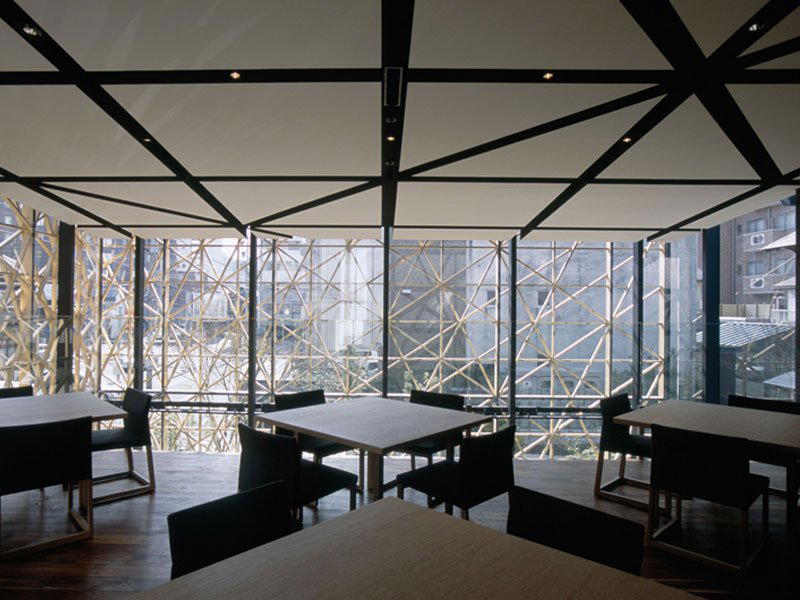
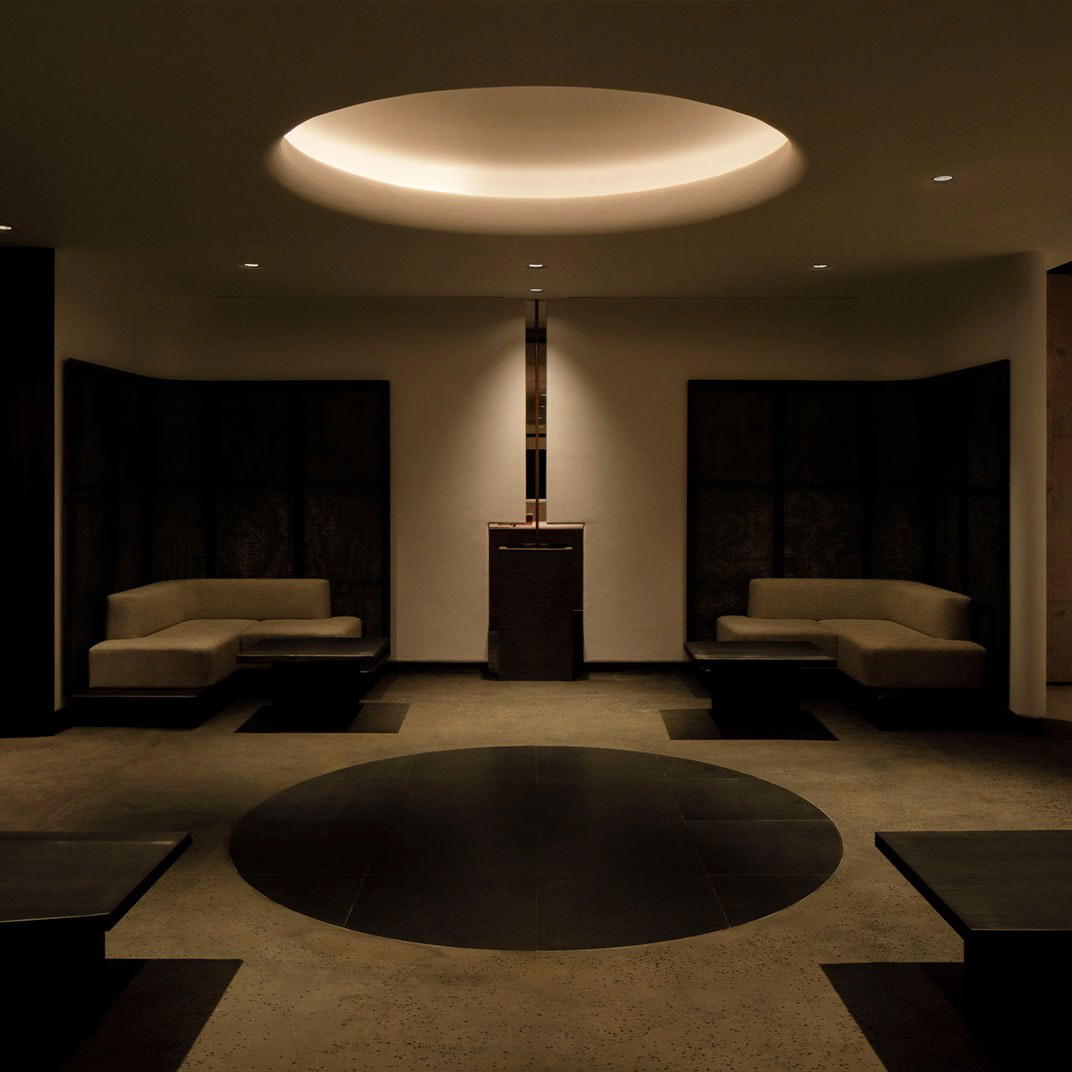
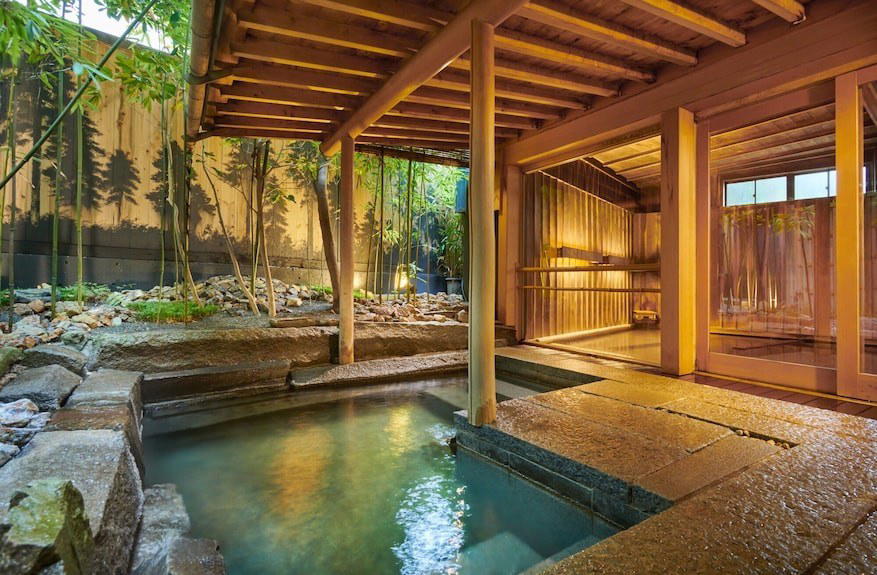
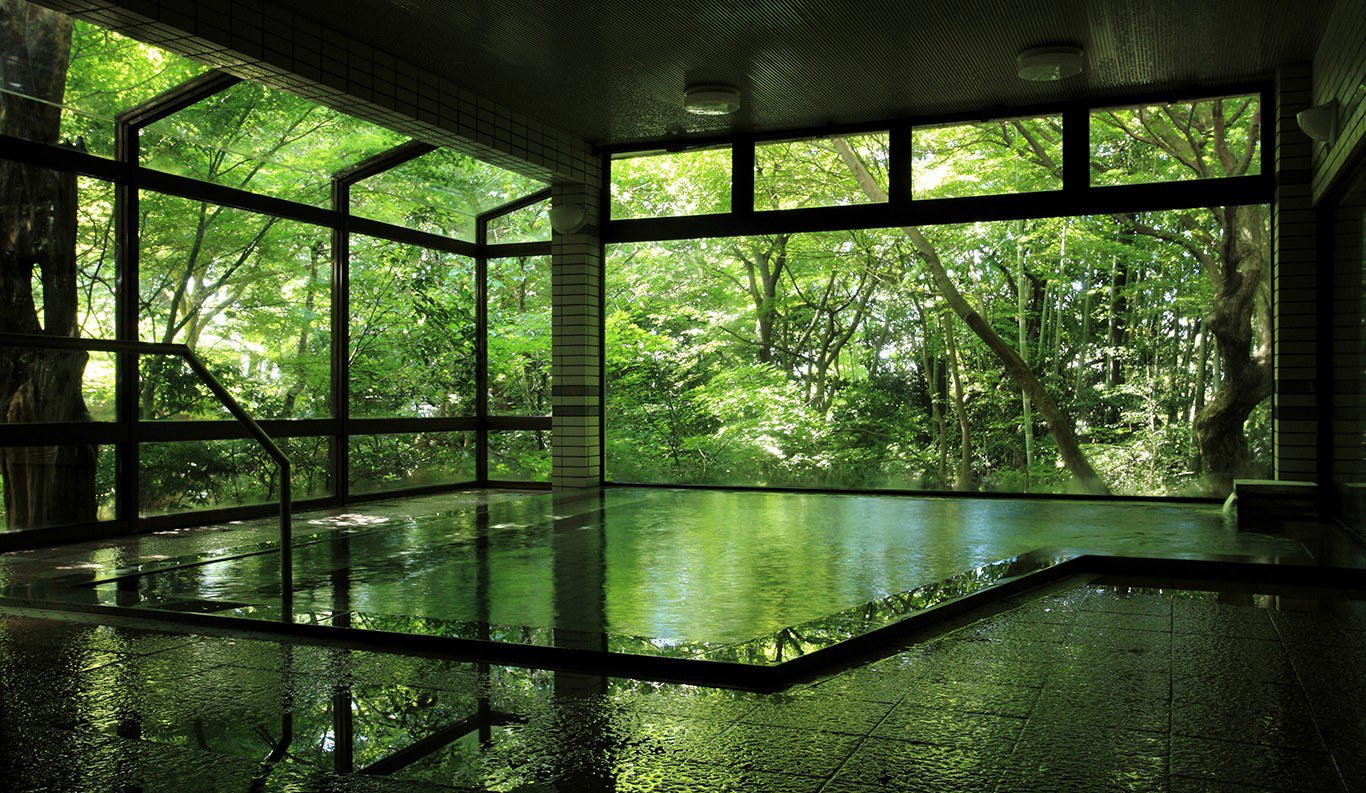
Cozy and elegant atmosphere focused on seasonal seafood dining.
Know Before You Go
- Getting there
- 4 Chome-12-1 Miyuki, Fukui, 910-0854, Japan