紋や occupies a central Fukui address at 3 Chome-4-6, positioned within a city that has become an increasingly serious dining destination along the Japan Sea coast. The restaurant sits in a dining scene shaped by exceptional local produce — Echizen crab, aged soba, and premium seafood from Wakasa Bay — where small, specialist formats have historically outperformed high-volume operations. Visitors travelling from Osaka or Kyoto via the Hokuriku Shinkansen find Fukui more accessible than it was even five years ago.
Pearl is the En Primeur Club membership app — saves, bookings, and concierge access live there. Same editors, same standards.
- Address
- 3 Chome-4-6 Central, Fukui, 910-0006, Japan
- Phone
- +81776230040
- Directions
- Get directions
 Saves & bookings on Pearl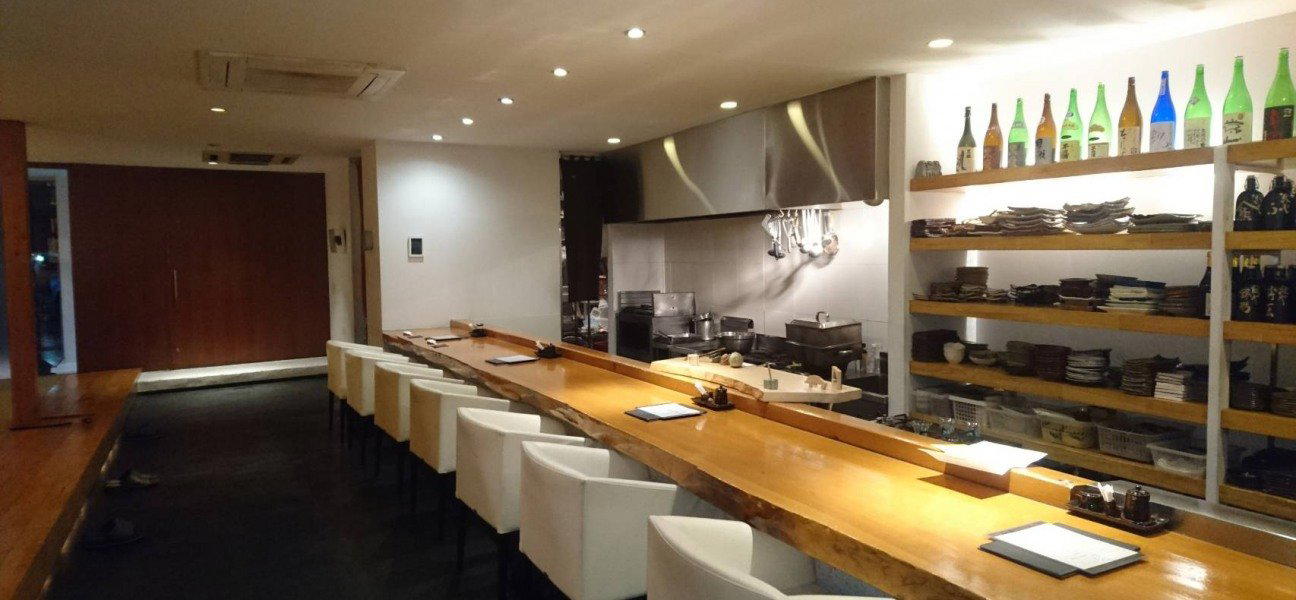
Fukui's Dining Shift and Where 紋や Sits Within It
Fukui Prefecture spent most of the late twentieth century as a well-kept secret among Japanese food professionals — a city whose proximity to Wakasa Bay, its Echizen crab harvest, and the Eiheiji soba tradition gave it serious culinary credentials that rarely translated into international travel itineraries. That position has changed materially since the Hokuriku Shinkansen extension brought Fukui within roughly two hours of Kanazawa and considerably closer to the broader Kansai rail network. The city's central dining district, where 紋や is located at 3 Chome-4-6 Central, now draws visitors who previously routed their Japan Sea coast itineraries exclusively through Kanazawa or Kyoto.
The shift is not merely logistical. Fukui's restaurant tier has matured alongside its new accessibility. Small, format-driven rooms — the kind that depend on product sourcing and kitchen discipline rather than ambiance investment, have proliferated in the central ward. 紋や occupies this part of the city, in a neighbourhood where the competition is increasingly specialist rather than generalist. That context matters for understanding what the address represents: not a destination that markets itself to passing trade, but one that reads as part of a denser, more considered local dining circuit.
The Evolution of a Regional Dining Address
In cities like Fukui, the trajectory of an established restaurant often mirrors the city's own reinvention. The period before the Shinkansen extension created a particular kind of dining culture: venues oriented toward local regulars, seasonal product, and a format calibrated to the rhythms of a mid-sized provincial city rather than to tourist throughput. The post-2024 Hokuriku Shinkansen environment, when Fukui joined the extended network, created pressure on that model, as outside diners arrived with different reference points and higher comparative expectations drawn from Kanazawa, Kyoto, and Tokyo.
Restaurants in Fukui's central zone that have adapted to this shift have generally done so not by expanding or redesigning, but by sharpening: tightening their sourcing credentials, reinforcing their connection to local product, and leaning into formats that reward the kind of attentive guest the Shinkansen now reliably delivers. 紋や's address in the central ward places it within that evolving tier, where the question for any well-travelled diner is not whether Fukui's produce is serious, it demonstrably is, but how a given kitchen has chosen to work with it.
Comparable dynamics have played out in other regional Japanese cities. In Fukuoka, restaurants like Goh built reputations grounded in local product rather than metropolitan proximity. In Nara, akordu demonstrated that a regional address could sustain international-calibre ambition. Fukui is operating within that same broader pattern: a provincial city whose dining identity is no longer defined by what it lacks relative to Osaka or Tokyo, but by what it specifically produces.
Reading Fukui's Produce Through Its Kitchens
Understanding 紋や requires understanding the ingredient context that shapes any serious kitchen in this prefecture. Echizen crab, the branded zuwaigani pulled from the Japan Sea between November and March, sets the seasonal calendar for Fukui's leading tables. The crab season creates a defined window when reservation pressure concentrates, when premium kitchens operate at full tilt, and when the gap between a well-sourced and a poorly-sourced kitchen becomes visible to any informed guest. Outside crab season, the prefecture's offer shifts to Wakasa Bay seafood, mountain vegetables from the interior, and the soba tradition centred on Eiheiji, a full-year sourcing rotation that a kitchen with genuine local relationships can work to sustained effect.
The central ward of Fukui contains a cluster of restaurants that operate within this production cycle. Sushi Jubei works in the sushi format; Kaikatei brings a Chinese kitchen lens to regional product; Miyazaki occupies a different position within the local dining circuit. The range of formats across these addresses reflects Fukui's maturation as a dining city, no longer a single-cuisine proposition, but a multi-format scene capable of holding a visitor's attention across several meals. See the full Fukui restaurants guide for a broader mapping of the city's dining circuit. Additional Fukui addresses worth cross-referencing include 寿司濱 and 御料理 丹世.
Regional Context: Japan Sea Coast Dining in Perspective
Fukui does not exist in isolation along the Japan Sea dining circuit. Kanazawa, two Shinkansen stops to the north, has carried the region's international dining reputation for a decade and supports addresses with national and international recognition. Further along the coast, 一本木 加川制 in Nanao and 湖畔荘 in Takashima anchor the regional tier at different points along the coast. In Sapporo, 古今山乃 represents the northern end of Japan's serious regional dining circuit. Taken together, these addresses describe a Japan Sea corridor that functions as a genuine alternative to the Kyoto-Osaka-Tokyo axis for food-focused travel.
Fukui's position within this corridor is increasingly credible. The combination of Echizen crab season (November to March), accessible logistics via Shinkansen, and a central ward dining cluster that rewards multi-day stays makes it a viable anchor for a focused regional itinerary. Visitors approaching from Kyoto might also hold Gion Sasaki as a reference point for the broader standard of kaiseki-influenced regional cooking, and those arriving via Osaka can cross-reference with HAJIME. The comparison set for Fukui's upper dining tier is no longer exclusively local.
For visitors with Tokyo as a base, the comparative reference expands further. Addresses like Harutaka in Tokyo set the benchmark for omakase-format precision. The question Fukui now prompts, and that 紋や's central address sits within, is whether regional product handled with genuine care can produce something the metropolitan tier cannot replicate. On the evidence of Fukui's ingredient calendar, the answer is yes, particularly during crab season. Internationally, formats built around singular product sourcing find parallels at addresses like Le Bernardin in New York and technique-forward rooms like Atomix, where product integrity is treated as the non-negotiable foundation of the experience. 庄羽屋 in Nishikawa Machi and Birdland in Sakai round out the regional specialist tier worth considering alongside any Fukui itinerary.
Planning a Visit
紋や is located at 3 Chome-4-6 Central, Fukui 910-0006, a walkable position from Fukui Station, which sits on the Hokuriku Shinkansen line and serves direct connections toward Kanazawa and indirect services toward Osaka and Kyoto. Fukui Station is also served by the Etsumi-Hoku and Etsumi-Nan lines for access to interior mountain areas. Given the absence of a published website or confirmed booking channel in the current record, arriving guests are advised to confirm arrangements through hotel concierge services or via direct contact closer to travel dates. The Echizen crab season (November through March) represents the period of highest reservation demand for Fukui's serious dining rooms; planning around that window requires lead time that scales with proximity to peak months.
How 紋や Fukui compares with similar nearby venues.
| Venue | Cuisine | Price |
|---|---|---|
| Europe Ken Souhonten | Not listed | JPY 1,000 - JPY 1,999 JPY 1,000 - JPY 1,999 |
| Kaikatei | Chinese | Not listed |
| Tengiku Ten | Not listed | JPY 6,000 - JPY 7,999 JPY 1,000 - JPY 1,999 |
At a Glance
- Cozy
- Elegant
- Intimate
- Sophisticated
- Date Night
- Business Dinner
- Special Occasion
- Sake Program
- Local Sourcing
Current opening hours
- Monday
- 6 PM–12 AM
- Tuesday
- 6 PM–12 AM
- Wednesday
- 6 PM–12 AM
- Thursday
- 6 PM–12 AM
- Friday
- 6 PM–12 AM
- Saturday
- 6 PM–12 AM
- Sunday
- Closed
Hours can change for holidays and private events. Last verified .
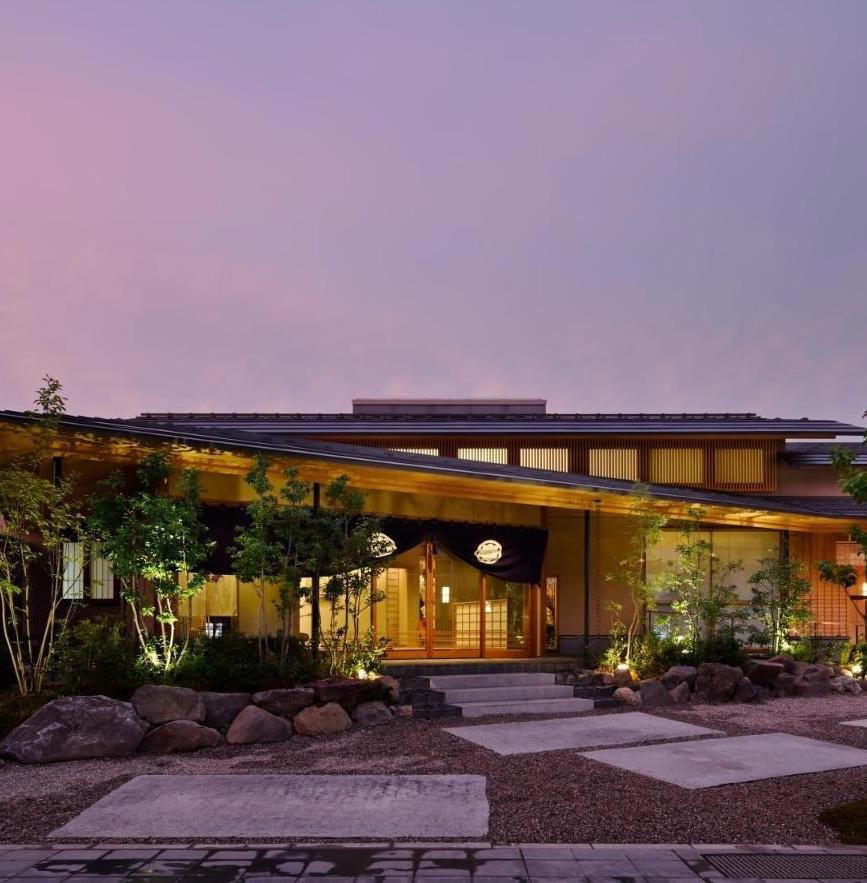
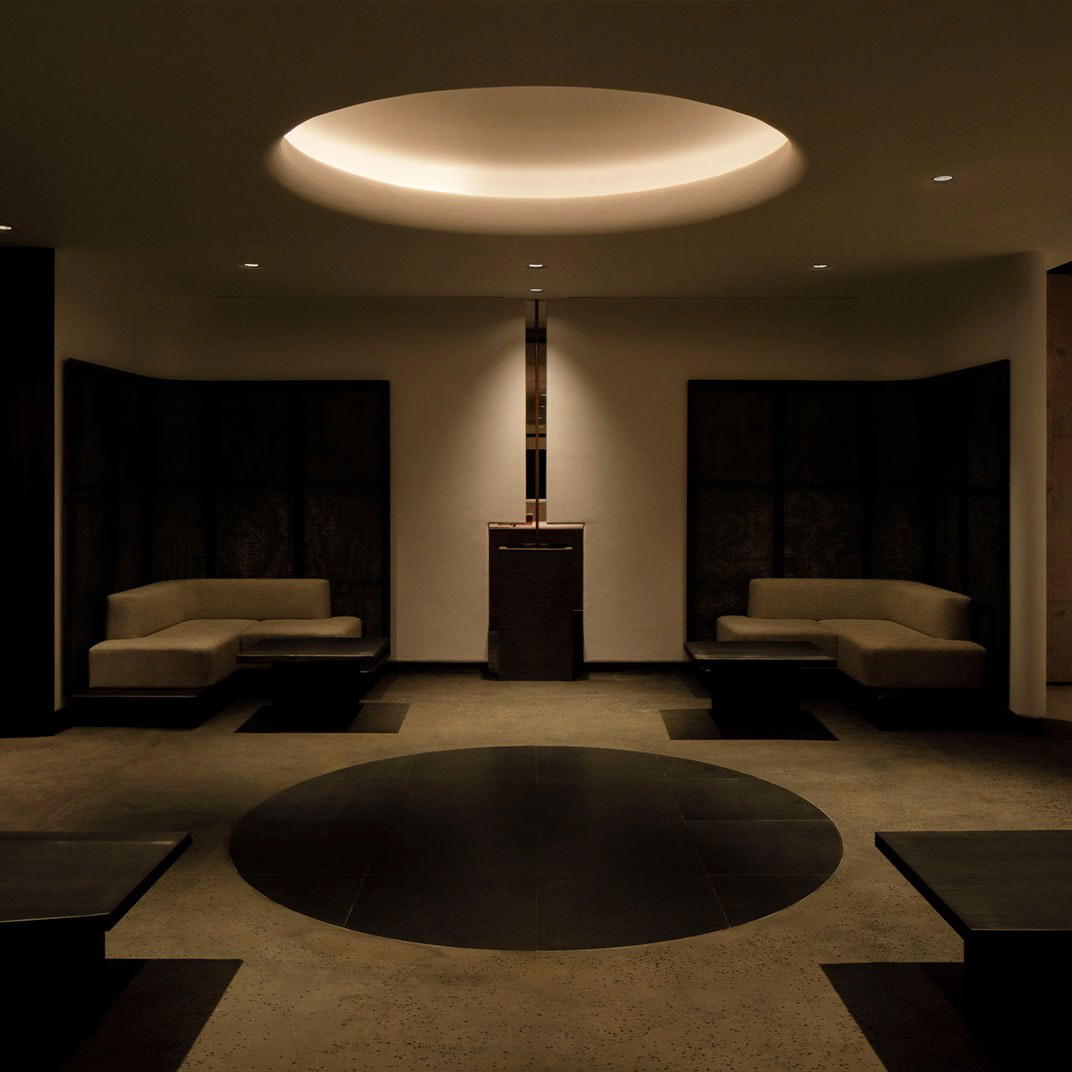
And modern interior with solid wood counter, cedar tables, and comfortable atmosphere.
Know Before You Go
- Getting there
- 3 Chome-4-6 Central, Fukui, 910-0006, Japan