グラン・シェフ クーゼー occupies a distinctive position within Fukui's dining scene, operating from within the Harmony Hall Fukui complex in the Imaichi district. As one of the city's more formally styled restaurants, it sits within a broader regional pattern of cultural-venue dining that rewards planning ahead. Visitors exploring Fukui's restaurants will find it a meaningful reference point alongside the city's sushi and Chinese dining traditions.
Pearl is the En Primeur Club membership app — saves, bookings, and concierge access live there. Same editors, same standards.
- Address
- Japan, 〒918-8152 Fukui, Imaichicho, 40-1-1 ハーモニーホールふくい敷地 内
- Phone
- +81776388833
- Website
- grandchef-kuze.com
- Directions
- Get directions
 Saves & bookings on Pearl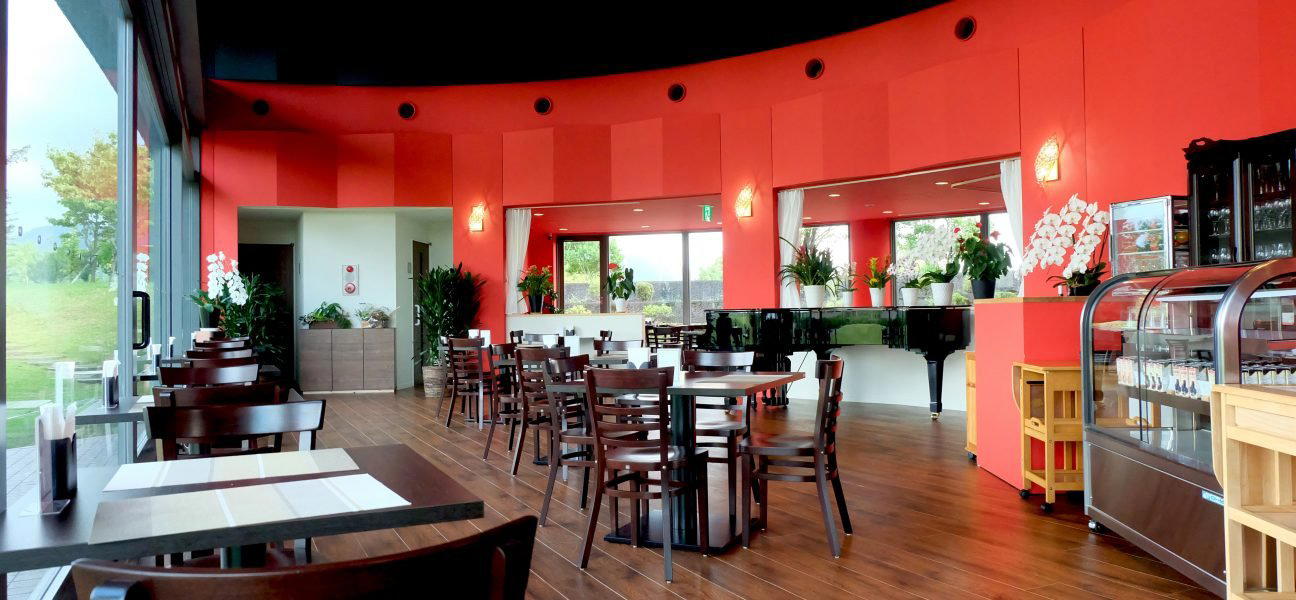
Where Concert Halls Meet the Dining Room: Fukui's Cultural-Venue Restaurant Tradition
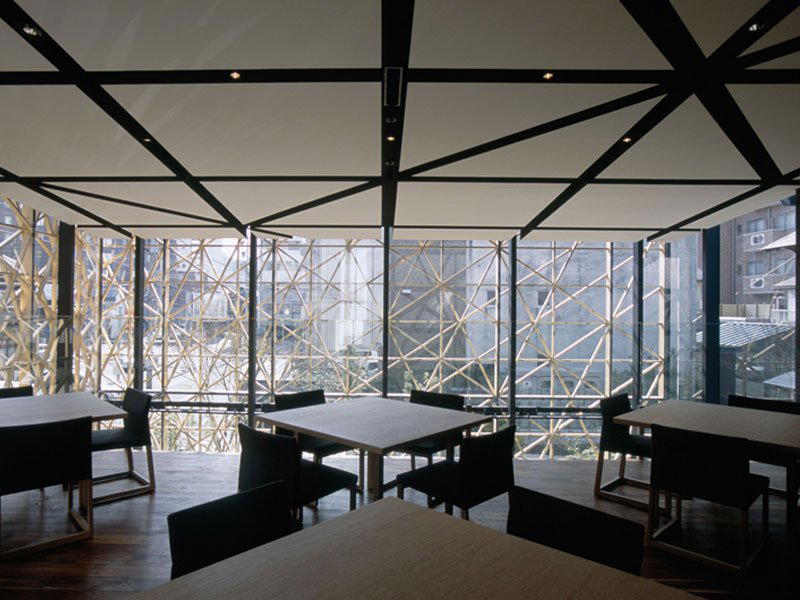
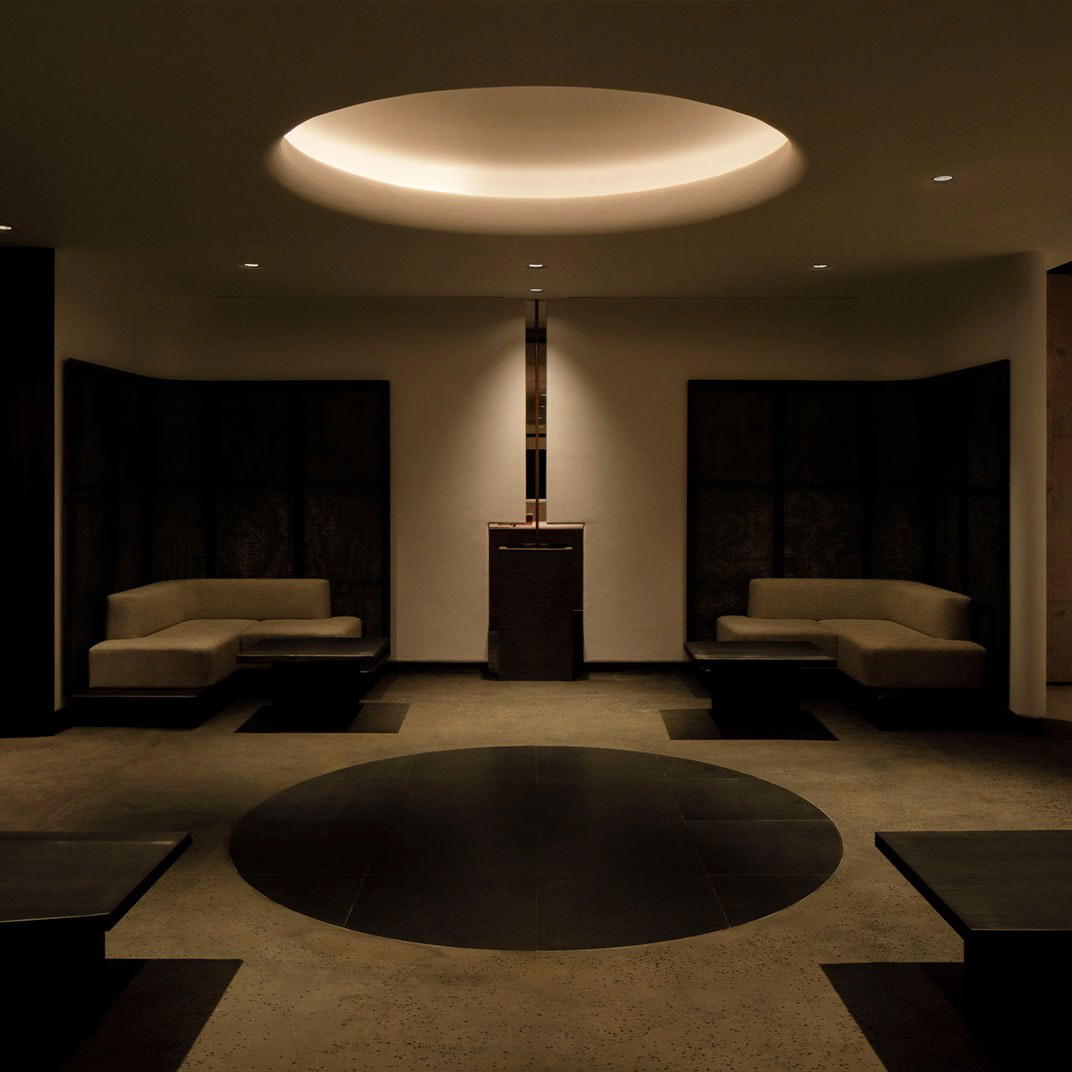
Across provincial Japan, a particular dining format has taken hold inside prefectural arts complexes and public cultural halls: the attached restaurant that draws its clientele not only from events on the main stage but from locals who treat the dining room as a destination in its own right. グラン・シェフ クーゼー is a restaurant in Fukui, serving Fukui French Fine Dining at Harmony Hall Fukui (ハーモニーホールふくい) in the Imaichi district. The setting shapes everything about how a meal here is framed, the geometry of the building, the relative quiet of a concert-hall precinct, the sense of occasion that cultural venues impose on anyone who passes through their doors.
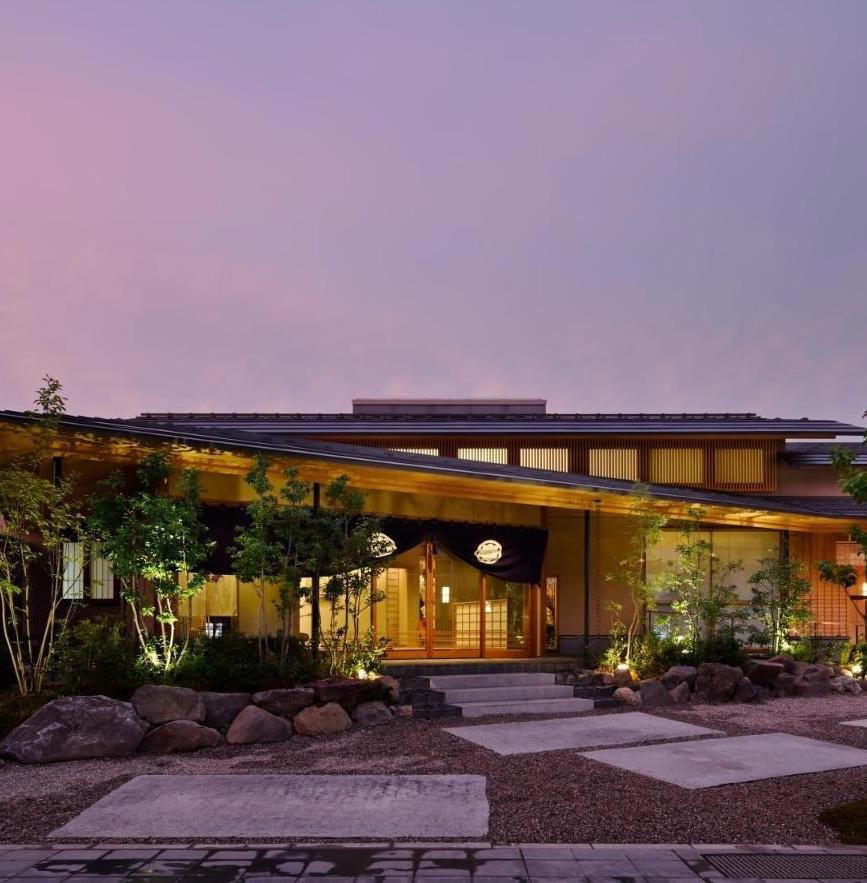
Harmony Hall Fukui itself is one of the Hokuriku region's more prominent public performance spaces, and that institutional context matters when reading the restaurant. Dining rooms attached to concert halls in Japan tend toward formality over experimentation, and they often draw a consistent local following that values reliability and atmosphere over novelty. Walking toward the building, the scale of the public architecture sets an expectation that the interior dining experience generally meets: measured, composed, oriented toward occasion dining rather than casual drop-ins.
Fukui's Dining Scene and Where This Fits
Fukui Prefecture sits on the Sea of Japan coast, and its restaurant culture reflects that geography. The prefecture's food identity is built substantially around notable seafood, particularly the seasonal snow crab (zuwaigani) that defines the winter months from November onward, alongside soba noodles grown in the cooler inland areas, and a centuries-long tradition of ingredient-led cooking shaped by the region's Buddhist temple culture. Within this context, the city of Fukui supports a relatively compact but varied dining scene that runs from specialist sushi counters to Chinese restaurants with deep local roots.
Sushi Jubei represents the city's sushi tradition, while Kaikatei anchors the Chinese dining side of that local repertoire. Miyazaki adds another dimension to the city's offer. Against this backdrop, グラン・シェフ クーゼー occupies the formal Western or broadly European-inflected register that cultural-venue restaurants in Japan typically favor, serving a clientele that includes concert-goers, local professionals, and visitors seeking a structured meal in surroundings with a sense of ceremony. For a fuller picture of the city's options, see our full Fukui restaurants guide.
The Sensory Logic of a Cultural-Venue Dining Room
The experience of eating inside or adjacent to a Japanese public cultural hall follows a particular rhythm. The approach tends to be through landscaped grounds rather than a street frontage, so the transition from city to restaurant is more gradual than in an urban-centre setting. Sound levels inside these spaces often reflect concert-hall acoustics in adjacent buildings: a certain stillness that urban restaurants rarely achieve. At グラン・シェフ クーゼー, the Harmony Hall precinct in Imaichi provides that buffer from the surrounding city, which influences the pace at which a meal is expected to unfold.
Formal restaurant settings within arts complexes across Japan, comparable venues appear in Kyoto, Nara, and Kanazawa, share a visual language that emphasizes clean sightlines, space between tables, and service that tends toward structured attention rather than the casual frequency of urban bistro dining. The result is a dining atmosphere where the meal itself, rather than crowd energy or kitchen theatre, carries the experience. This approach to occasion dining has a long precedent: venues like Gion Sasaki in Kyoto and akordu in Nara each demonstrate, in different registers, how the setting's architecture shapes what diners expect from the food and from the service cadence.
Regional Benchmarks and the Western Fine Dining Context in Provincial Japan
The presence of formally styled French or Western restaurants in provincial Japanese cities is less rare than it might appear to international visitors. Japan's regional cities sustained a serious interest in French technique throughout the 1980s and 1990s, and that infrastructure never fully dissolved. Cities across the Hokuriku coast, Kanazawa, Toyama, and Fukui, each carry some version of this legacy. At the summit of the national register, restaurants like HAJIME in Osaka represent where French-influenced Japanese fine dining has arrived at its most resolved. Provincial venues operate on a different scale, but they serve a distinct function: accessible occasion dining for a regional population that does not necessarily travel to Osaka or Tokyo for a formal meal.
Beyond the Hokuriku region, similar patterns emerge across Japan. Harutaka in Tokyo shows how the capital's top tier operates, while regional contrasts are visible in venues like Goh in Fukuoka. Further afield, the comparison extends to international fine dining references: Le Bernardin in New York City and Atomix in New York City illustrate what stronger examples from the Western and Korean-European fine dining registers look like at global scale, providing context for where Japan's provincial formal dining sits within that wider conversation. Closer to Fukui, restaurants like 御料理 一兆, 寿司場, 一本木 石川製 in Nanao, 古代山乃 in Sapporo, 湖畔荘 in Takashima, 鷹羽屋 in Nishikawa Machi, and Birdland in Sakai round out the broader regional dining picture across the Sea of Japan coast and neighboring prefectures.
Planning a Visit
グラン・シェフ クーゼー is located at 40-1-1 Imaichicho, Fukui, within the Harmony Hall Fukui grounds (〒918-8152). The venue sits at a distance from Fukui Station that makes it most practical by taxi or car rather than on foot. Given its location within a cultural facility, timing a visit to coincide with a performance at the main hall is a logical approach, both for the atmosphere the occasion adds and for the practical reality that the restaurant's busiest periods are likely to align with performance evenings. For the same reason, securing a reservation in advance rather than arriving without one is the more reliable approach, particularly during winter months when the prefectural snow crab season draws broader regional interest to Fukui's dining venues. Reservations are recommended, and the restaurant follows these hours: Mon: Closed; Tue: 11:30 AM to 8:30 PM; Wed: 11:30 AM to 4 PM; Thu: 11:30 AM to 8:30 PM; Fri: 11:30 AM to 8:30 PM; Sat: 11:30 AM to 8:30 PM; Sun: 11:30 AM to 8:30 PM.
Comparable Spots
Comparable venues nearby, for context on price, style, and recognition.
| Venue | Cuisine | Price | Notes |
|---|---|---|---|
| グラン・シェフ クーゼーThis venue — the venue you are viewing | Fukui French Fine Dining | $$$ | Not listed |
| サラマンジェフ | French Bistro with Japanese Western Influences | $$$ | 北の庄 |
| Tengiku Ten | Traditional Tempura & Unagi Counter | $$$ | Junka, Fukui City |
| 滝の川 | Echizen Crab Seafood | $$$ | Echizen Town |
| 福井割烹 望月 | Traditional Fukui Kaiseki | $$$ | Fukui |
| 寿司政 | japanese | Not listed | Fukui |
Continue exploring
More in Fukui
Restaurants in Fukui
Browse all →
At a Glance
- Elegant
- Sophisticated
- Romantic
- Date Night
- Special Occasion
- Group Dining
- Live Music
- Open Kitchen
- Sake Program
- Extensive Wine List
- Local Sourcing
- Garden
Current opening hours
- Monday
- Closed
- Tuesday
- 11:30 AM–8:30 PM
- Wednesday
- 11:30 AM–4 PM
- Thursday
- 11:30 AM–8:30 PM
- Friday
- 11:30 AM–8:30 PM
- Saturday
- 11:30 AM–8:30 PM
- Sunday
- 11:30 AM–8:30 PM
Hours can change for holidays and private events. Last verified .
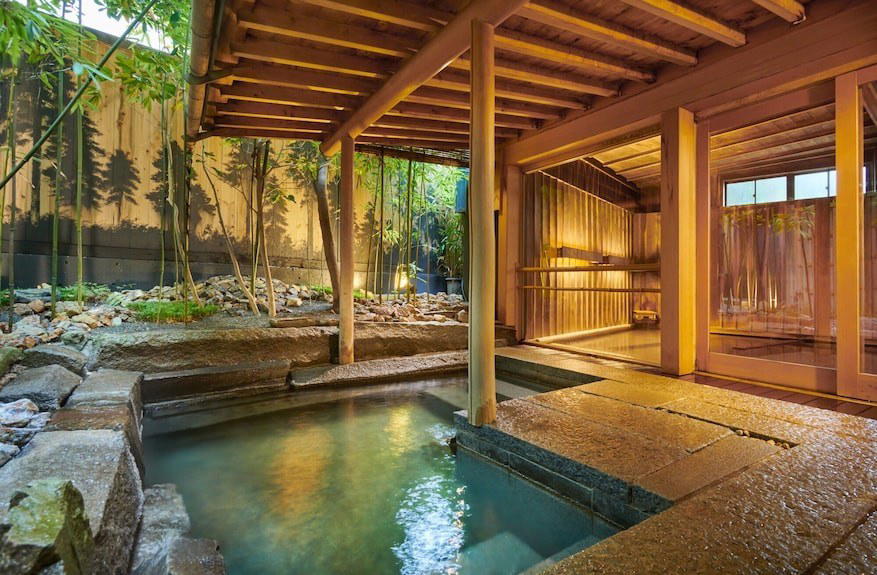
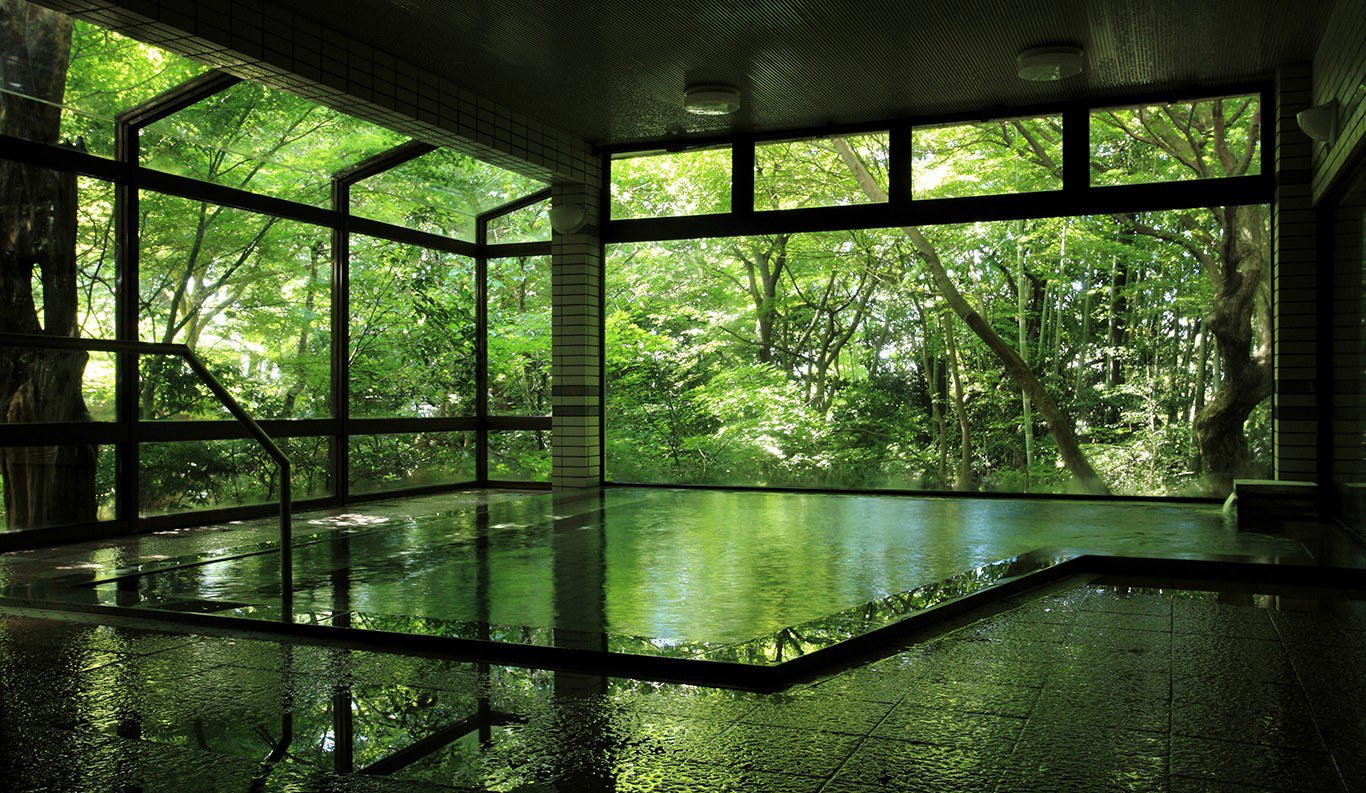
Green and spacious setting within Harmony Hall grounds, elegant atmosphere enhanced by live piano or harp music on select days.