
Tabelog 100 #52
Our verdict
In Fukui's Bunkyo district, ル・ジャルダン occupies a quiet residential address that sits apart from the city's main dining corridor. The restaurant's French-inflected name signals an approach rooted in classical European technique, applied to the seasonal produce that defines Fukui prefecture's agricultural and coastal identity. For travelers arriving from Kyoto or Osaka by shinkansen, it represents a reason to extend the itinerary.

Pearl is the En Primeur Club membership app, where members save venues, book tables and use the concierge.
The menu
What to order
- Beef fillet baked in brioche with 20-year aged Port Rouge sauce
- Fukui saumon mariné
- Nodoguro grillé au charbon de bois
Where Fukui's Seasons Set the Menu
Fukui prefecture sits on the Sea of Japan coast, a geography that produces two distinct culinary identities: the cold-water seafood of the Echizen coast, and the inland agricultural belt that supplies some of Hokuriku's most consistent vegetable and rice production. The dining scene in Fukui city itself has historically operated in the shadow of Kanazawa to the north, where the Michelin infrastructure and food tourism economy are considerably larger. That gap has created a quieter tier of restaurants in Fukui that operate without the external validation apparatus, pricing against local expectations rather than destination-dining premiums. ル・ジャルダン, addressed in the Bunkyo district at 4 Chome-28-16, sits within that tier.
The French name, which translates simply as "the garden," positions the kitchen in a culinary tradition that has taken particularly firm root in provincial Japanese cities since the 1980s. In those cities, French technique arrived not as haute cuisine spectacle but as a working method: a framework for building sauces, managing acidity and fat, and structuring multi-course formats around seasonal progression. The result, across decades, has been a generation of regional French restaurants in Japan that often out-perform their urban counterparts in ingredient quality precisely because they operate closer to the source. This pattern is visible across the country, from the kaiseki-French hybrids of the Kansai region to the quietly serious French tables of the Hokuriku coast.
The Hokuriku Ingredient Argument
The editorial case for Fukui as a dining destination rests almost entirely on its raw materials. Echizen crab (越前ガニ), the branded snow crab caught off the prefecture's coast, is among the most tightly regulated premium seafood products in Japan: the yellow tag system limits quantities and enforces traceability from fishing vessel to table. The season runs from early November through late March, and during those months it functions as a kind of culinary calendar anchor for restaurants across the prefecture. Outside crab season, the local larder shifts to Echizen soba, Wakasa-guchi produce from the southern agricultural valleys, and the rice varieties grown in the alluvial plains east of the city.
This is the ingredient context in which a French-named kitchen in Bunkyo operates. The intersection of classical European method and hyper-local Hokuriku produce is a format with precedent at the highest levels of Japanese dining. HAJIME in Osaka has built three Michelin stars around a similar premise of European technique applied to rigorously sourced Japanese products. Gion Sasaki in Kyoto works a parallel seam from the Japanese side, folding French construction logic into kaiseki frameworks. At a different scale and without the award infrastructure, the same logic can animate a regional table in Fukui: the technique is borrowed, but the ingredients are irreducibly local.
Fukui's Dining Tier in Context
Fukui city's restaurant scene is geographically compact and divided between traditional Japanese formats and a smaller cohort of European-influenced kitchens. Among the Japanese options, Sushi Jubei represents the city's sushi counter tradition, while Kaikatei anchors the Chinese side of the spectrum. Miyazaki covers further ground in the local dining map. The 寿司盤 and 御料理 一扇 entries round out a scene that is limited in volume but covers the key format categories a traveling diner would look for. For the full picture, EP Club's full Fukui restaurants guide maps the city's options by format and price tier.
Within this context, a French-named address in a residential pocket of Bunkyo is neither surprising nor out of place. Japanese provincial cities have supported this format for decades, and the Bunkyo location, away from the izakaya corridors near Fukui Station, suggests a kitchen oriented toward a quieter, repeat-visit clientele rather than passing tourist trade. The comparison point is not Kanazawa's premium kaiseki tables or the starred French rooms of Tokyo, but rather the mid-tier local French restaurants that have sustained loyal followings in cities like Matsuyama, Himeji, and Tottori: places that benchmark against ingredient quality and consistency rather than format spectacle.
Travelers curious about how French technique has dispersed through Japan's regional dining culture will find other data points across the country. akordu in Nara works a Spanish-technique angle on local produce. Goh in Fukuoka demonstrates how Kyushu's ingredient base can anchor a European-influenced kitchen at award level. Further afield, Harutaka in Tokyo shows the capital's approach to the same conversation. In the Hokuriku and Sea of Japan region specifically, 一本杉 川島製 in Nanao and 湖畔荘 in Takashima represent adjacent dining cultures shaped by the same cold-coast ingredient palette.
Planning a Visit
Fukui is accessible from Kyoto and Osaka via the Hokuriku Shinkansen extension that opened in March 2024, reducing journey times significantly and placing the city within realistic day-trip or overnight range of the Kansai urban corridor. The Bunkyo district address at 4 Chome-28-16 sits east of the city center, reachable by taxi from Fukui Station in under ten minutes. Given the absence of published booking details in the public record, approaching the restaurant directly on arrival or through hotel concierge assistance is the practical path. November through March, when Echizen crab is in season, is the period when the gap between Fukui's ingredient quality and its relative anonymity is widest, making it the most compelling time to visit the prefecture's dining scene.
For reference on how premium seasonal dining operates at the far ends of the format spectrum, Le Bernardin in New York City and Atomix in New York City illustrate the global benchmark that informs what rigorous technique-plus-ingredient cooking can look like at its most refined. Regional tables in Fukui operate in a different register, but the underlying logic, that the leading local produce handled with disciplined method produces something more honest than imported luxury, is shared across both ends of the spectrum.
Frequently asked questions
Is ル・ジャルダン okay with children?
The Bunkyo district address and European-style format suggest a quieter dining room oriented toward adult diners, so it is worth contacting the venue directly before bringing young children.
What is the atmosphere like at ル・ジャルダン?
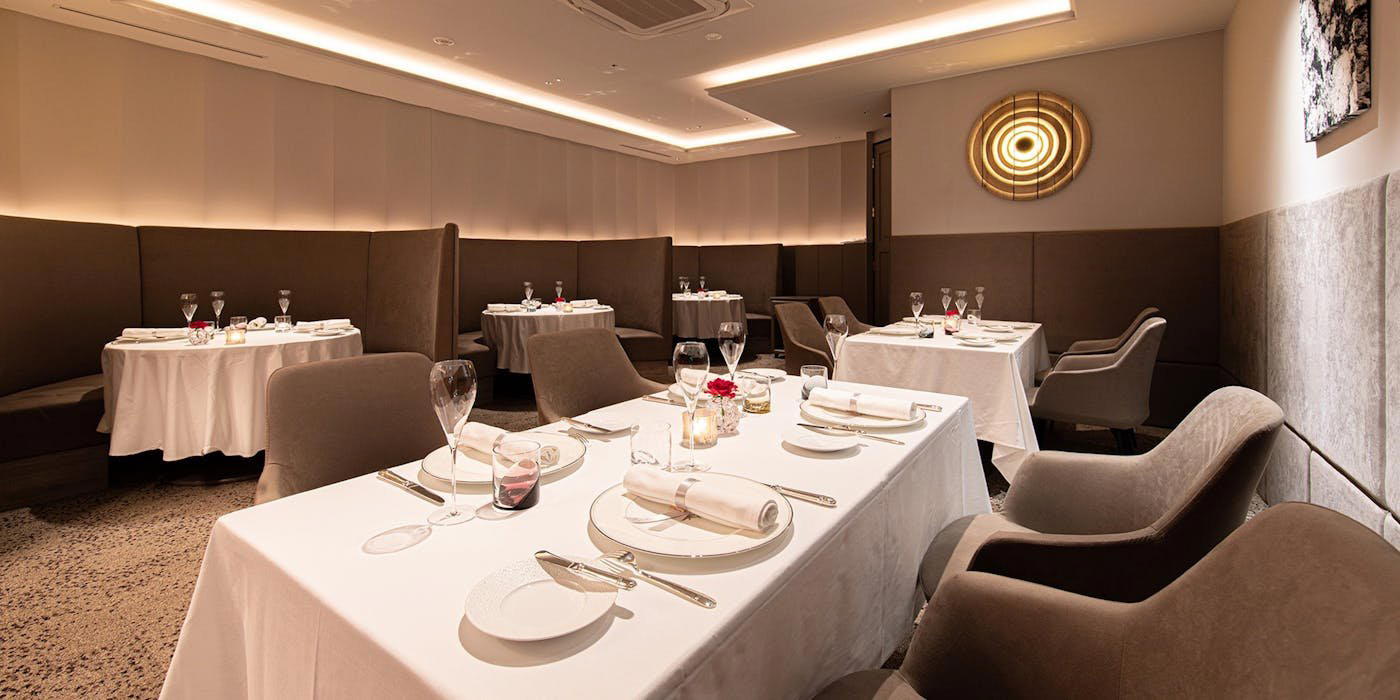
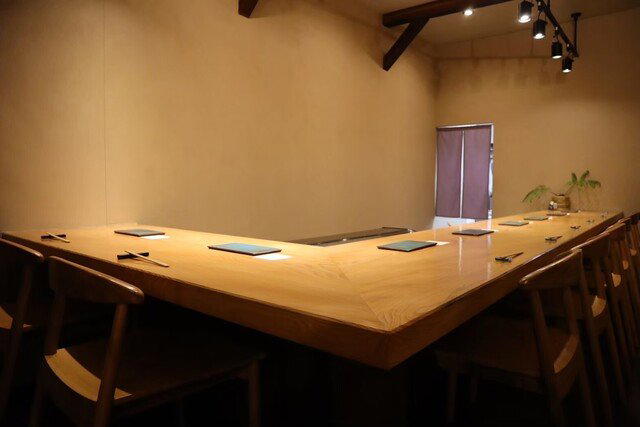
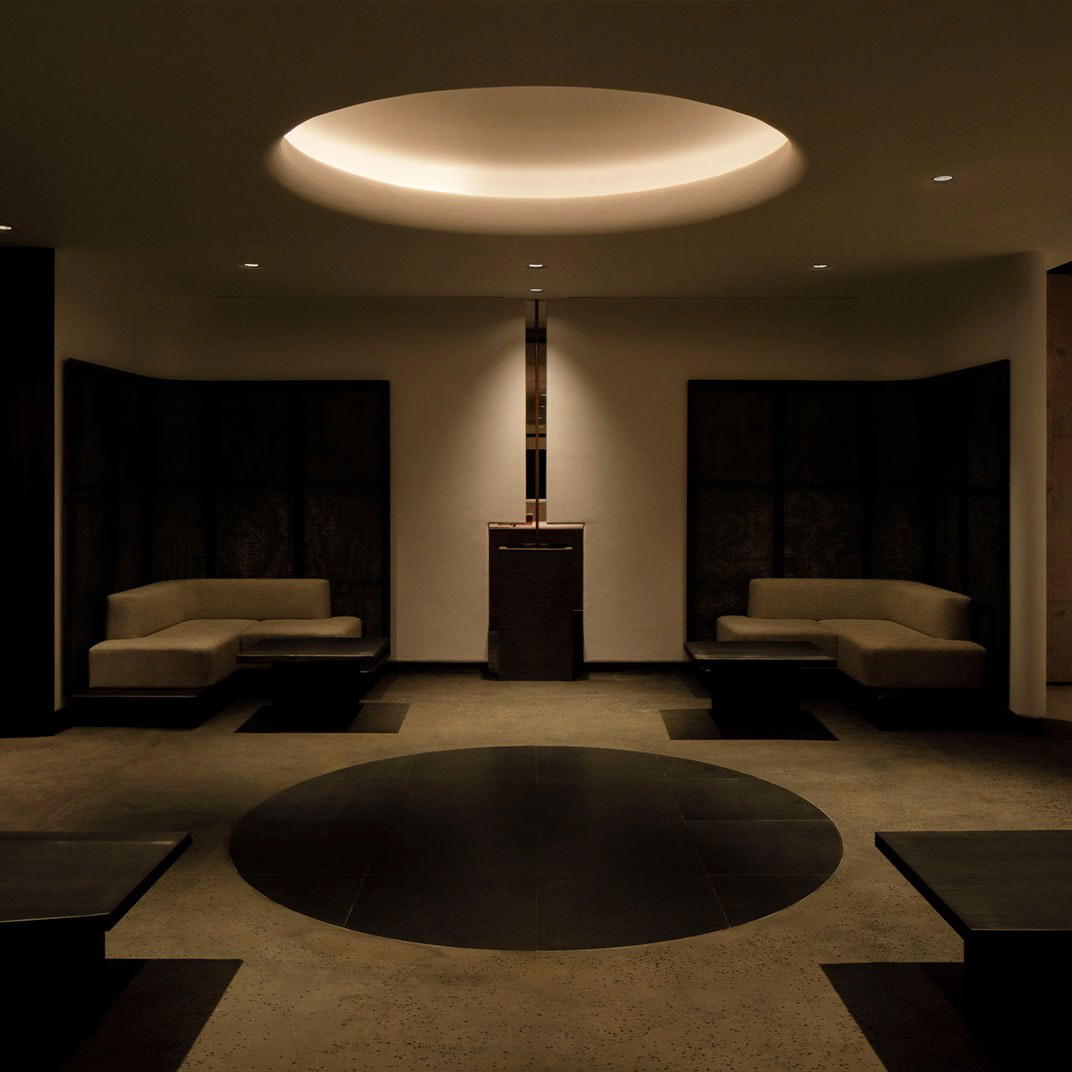
ル・ジャルダン occupies a residential address in Fukui's Bunkyo district, a setting that tends to produce intimate, low-key rooms rather than large commercial dining halls. The European-influenced positioning in Fukui city places it within a small cohort of western-format restaurants operating against a backdrop dominated by traditional Japanese dining.
Is ル・ジャルダン worth visiting after arriving on the Hokuriku Shinkansen?
The Hokuriku Shinkansen extension opened in March 2024, bringing Fukui within direct rail reach of Kyoto and Osaka and placing the city on a more accessible circuit for day-trip and overnight dining visits. ル・ジャルダン's Bunkyo district address puts it in Fukui city proper, making it a practical dinner option for visitors arriving by rail who want European-format cooking alongside the prefecture's Sea of Japan ingredient profile.
What dish is ル・ジャルダン famous for?
Given the restaurant's location in Fukui prefecture, Echizen crab (越前ガニ), the region's most prized cold-water ingredient, available from November through March, is the seasonal centrepiece around which many Fukui kitchens build their menus during winter.
Where is ル・ジャルダン in Fukui?
ル・ジャルダン is located at Japan, 〒910-0017 Fukui, Bunkyo, 4 Chome−28−16 Le jardin fukui (ル ジャルダン福井, Fukui.
Can I walk in to ル・ジャルダン?
No booking or walk-in policy is confirmed in the available record. European-style restaurants of this format in smaller Japanese cities frequently require reservations, particularly during Echizen crab season when demand across Fukui's dining tier increases sharply. Contacting the venue in advance is advisable.
What's the signature at ル・ジャルダン?
The venue's positioning within Fukui's European-influenced dining cohort points toward seasonal menus driven by local Hokuriku produce, with the Sea of Japan coast supplying the prefecture's most notable ingredients across both winter and summer.
Comparable Venues
Comparable venues nearby, for context on price, style, and recognition.
| Venue | Cuisine | Price | Awards | Notes |
|---|---|---|---|---|
| ル・ジャルダンThis venue (the venue you are viewing) | Authentic French with Fukui local ingredients | $200–300 | Tabelog 100 #52 | Not listed |
| グラン・シェフ クーゼー | Fukui French Fine Dining | $30–50 | Not listed | Harmony Hall area |
| Bouyourou | Seasonal Japanese kaiseki with Echizen crab at an oceanfront onsen ryokan | $150–200 | Not listed | Mikuni Onsen |
| サラマンジェフ | French Bistro with Japanese Western Influences | $50–100 | Not listed | 北の庄 |
| Miyazaki | Michelin-Starred Seasonal Kaiseki Omakase | $150–200 | Tabelog Bronze #282 | Junka, Fukui City |
| 料亭 開花亭 | Modern Kappo Kaiseki | $100–150 | La Liste Top Restaurants · Tabelog 100 #40 | central Fukui |
Recognition history
Dated appearances from independent guides and award organizations, with the underlying list record or original source where available.
Tabelog 100 #52 · No. 52
Tabelog · Tabelog 100 - French - WEST - 2025
Continue exploring
More in Fukui
Restaurants in Fukui
All restaurants in Fukui →
Details
- Elegant
- Sophisticated
- Intimate
- Classic
- Special Occasion
- Date Night
- Business Dinner
- Private Dining
- Extensive Wine List
- Local Sourcing
- Tasting Menu
- Wine
Current opening hours
- Monday
- 11:30 AM–3:30 PM, 6–11 PM
- Tuesday
- 6–11 PM
- Wednesday
- Closed
- Thursday
- Closed
- Friday
- 11:30 AM–3:30 PM, 6–11 PM
- Saturday
- 11:30 AM–3:30 PM, 6–11 PM
- Sunday
- 11:30 AM–3:30 PM, 6–11 PM
Hours can change for holidays and private events. Hours as of .
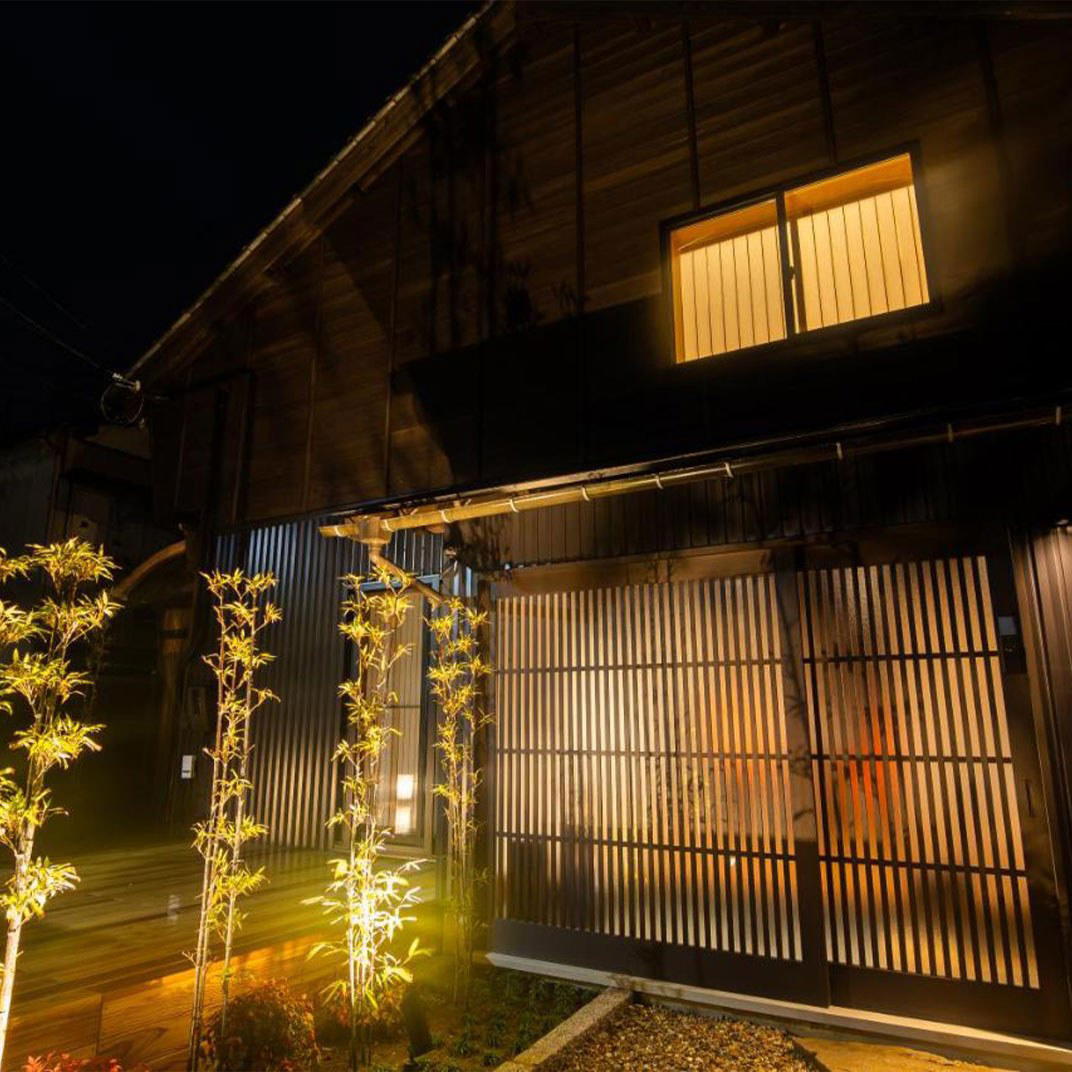
Charming house restaurant in a quiet residential area with a luxurious, relaxed atmosphere.