安久 occupies a traditional machiya address in Kyoto's Higashiyama district, placing it within one of Japan's most concentrated corridors of refined dining. The venue sits in Miyagawa-suji, a neighbourhood where the built environment and culinary tradition are closely intertwined. For travellers already considering Kyoto's upper-tier dining tier, 安久 warrants investigation alongside the city's established kaiseki houses.
Pearl is the En Primeur Club membership app — saves, bookings, and concierge access live there. Same editors, same standards.
- Address
- 東山区宮川筋3丁目283, 京都市, 京都府, 605-0801
- Directions
- Get directions
 Saves & bookings on Pearl
A Street Where the Architecture Does Half the Work
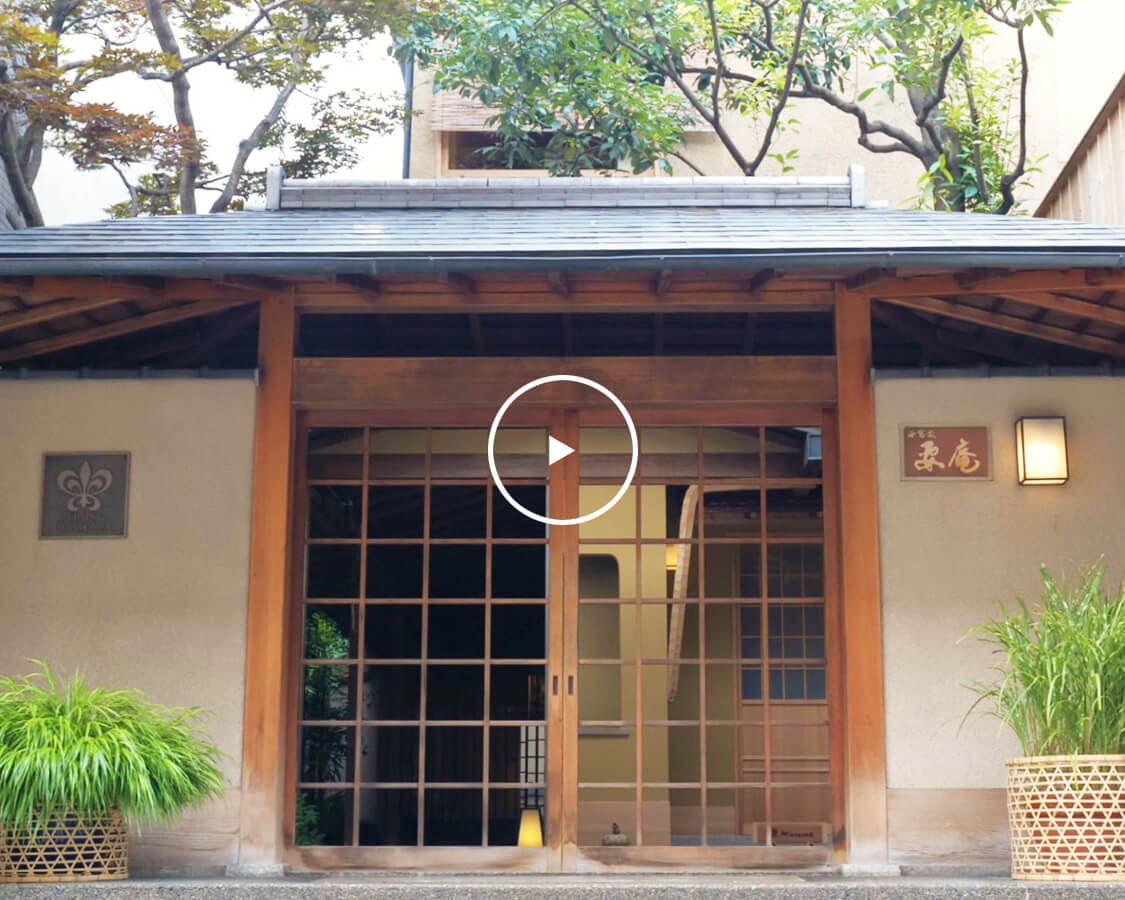
Miyagawa-suji runs parallel to the Kamo River on Kyoto's east bank, a narrow residential-commercial strip where the machiya townhouse form still governs the streetscape. These are not preserved-for-tourism facades but functioning buildings: deep, narrow lots, latticed ground-floor screens, and interiors that step through a sequence of rooms before reaching the kitchen at the back. Dining in this neighbourhood means inhabiting a spatial logic developed over centuries, and the physical container arrives before any food does. 安久, addressed at 東山区宮川筋3丁目283, sits within that framework.
This part of Higashiyama sits at the intersection of two spatial scales: the grand pilgrimage routes leading to Kiyomizudera and the far quieter residential lanes that run between them. The restaurant addresses are typically modest from the street, which in the context of Kyoto's dining culture signals orientation toward regulars rather than passing foot traffic. That is a common pattern among the city's more serious dining rooms, from the kaiseki houses of Gion to the more understated addresses in Fushimi and Shimogamo.
The Physical Language of Kyoto's Dining Rooms
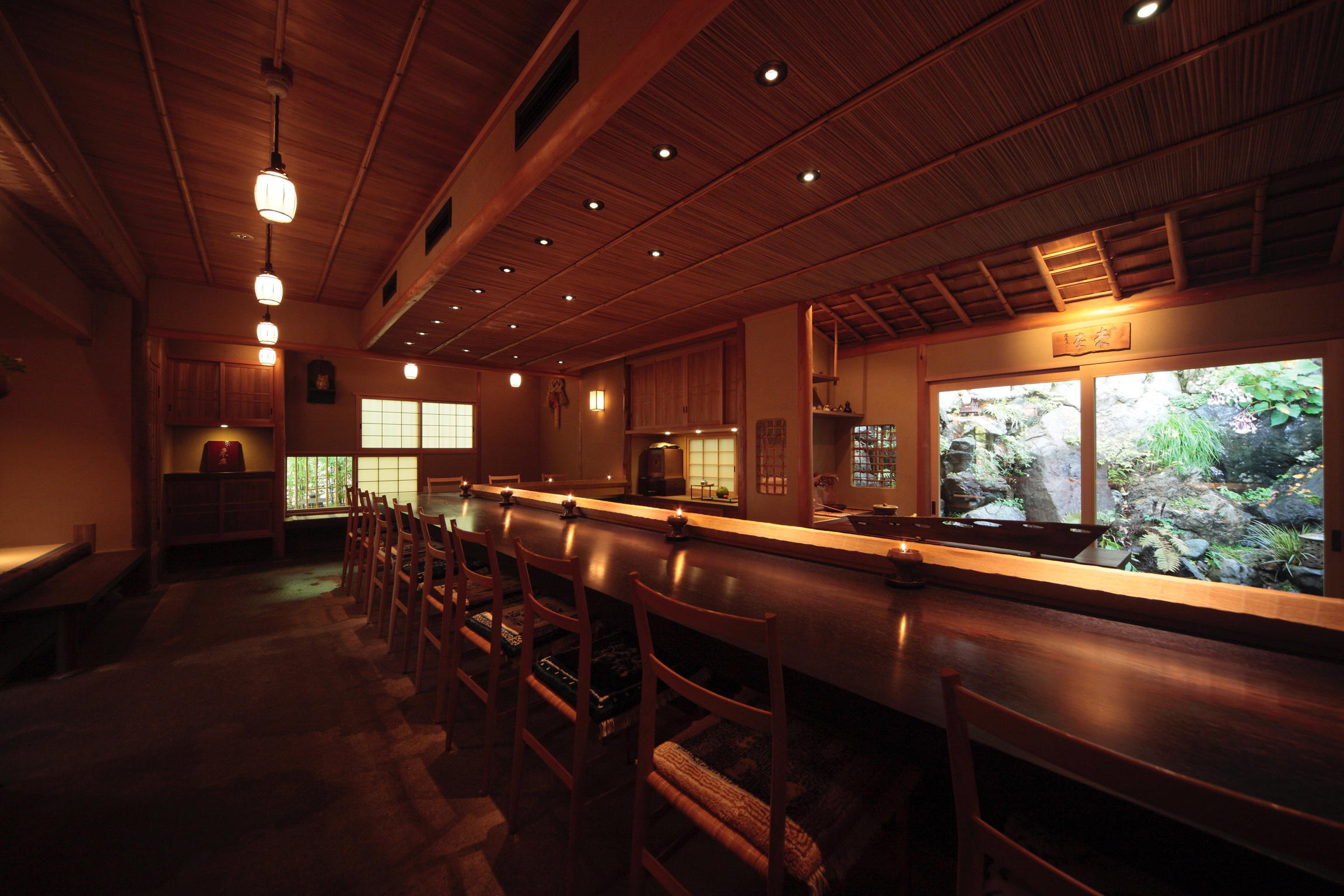
Kyoto's dining rooms tend to share a spatial grammar that distinguishes them from restaurant design elsewhere in Japan. Where Tokyo's leading counters often foreground the chef's workspace as performance stage, Kyoto's machiya-based kitchens place emphasis on passage and threshold: the approach through a narrow entrance, the transition from public street to private interior, the deliberate withholding of the full room until the guest is seated. This architecture of restraint is itself an editorial statement about how a meal should begin.
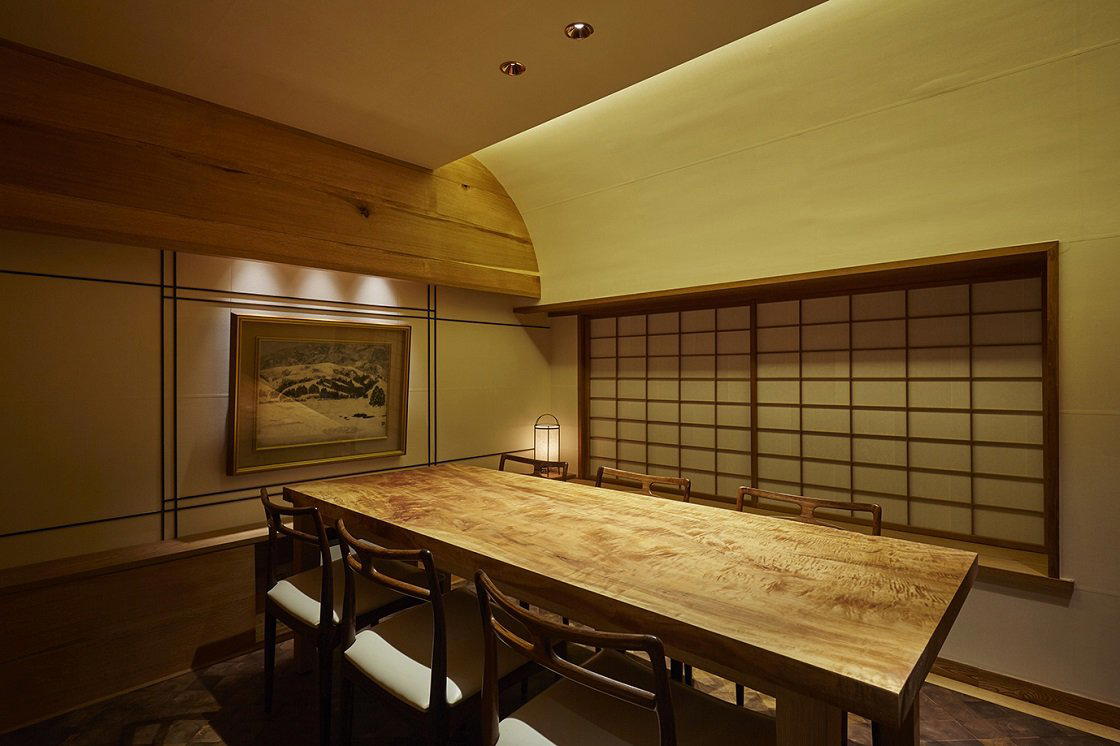
The machiya format imposes particular constraints that shape the dining experience in ways no renovation fully erases. Low ceilings compress the acoustic space. Natural light enters from internal garden courtyards rather than street-facing windows. Rooms connect sequentially rather than opening into a single hall. These features are not incidental atmosphere; they are the structural reason that kaiseki and its adjacent formats feel different here than in purpose-built modern restaurants. Venues like Gion Sasaki and Hyotei operate from premises where the building's age and form are part of what is being offered.
At this price tier, the competition is as much about spatial experience as it is about what arrives on the plate. The room is not decoration; it is part of the proposition.
Higashiyama as Dining Context
Kyoto's east side, broadly defined as the Higashiyama ward, contains some of the city's highest concentrations of formal dining. The area's topography, rising gently toward the Higashiyama mountain range, creates a sense of enclosure and quiet that the city's more commercial wards do not offer. Miyagawa-suji in particular sits just south of the Gion core, far enough from the tourist density of Hanamikoji to retain a residential character, close enough to benefit from the logistical infrastructure that serious restaurants require: proximity to Nishiki market sourcing routes, access to the Kamo River water supply tradition, and an address legible to the domestic and international clientele that sustains this tier of dining.
Across Japan's major dining cities, addresses in historically significant neighbourhoods carry weight that newer development zones cannot replicate. HAJIME in Osaka and Harutaka in Tokyo operate from premises where the city context shapes the expectation before a guest arrives. The same logic applies here: the Miyagawa-suji address positions 安久 within a specific neighbourhood tradition that the Kyoto dining public reads with precision.
What the Sparse Profile Signals
In Kyoto's more established dining tier, this pattern typically indicates one of two things: a venue operating primarily through personal introduction and repeat custom, or a newer address that has not yet moved into formal documentation. Both readings place the venue outside the promotional machinery that larger restaurants operate.
This is a consistent feature of a particular cohort of Japanese dining rooms, particularly those that build their clientele through word of mouth among residents and returning visitors rather than international food media. Goh in Fukuoka and smaller addresses across Japan's regional cities operate with similar restraint in their public communications, trusting the neighbourhood and the network to do the signalling work that a website would otherwise handle.
Placing 安久 in the Kyoto Dining Tier
Kyoto's dining market is stratified with unusual clarity. At the leading sits a tier of Michelin-starred kaiseki houses that price internationally and book months ahead. Below that, a middle tier of serious but less publicised kitchens operates at lower price points with shorter booking horizons and less dependence on overseas visitors. Further down, a neighbourhood dining layer serves local residents through regulars-only or near-regulars-only models. At a price of about $300 per person, 安久 sits in Kyoto's upper dining tier, in the Kyoto Kaiseki Kappo format. What the address, neighbourhood, and operational format suggest is a venue oriented toward the middle or upper-middle of this spectrum rather than the accessible end.
Those drawn to Japan's broader regional dining circuit may also find relevant reference points in destinations further afield: 一本杉川嶋 in Nanao, 夕张亭 in Sapporo, 湖畔荘 in Takashima, and 庭羽亭 in Nishikawa Machi each represent Japanese regional dining at serious levels. For context on yakitori and grill traditions, Birdland in Sakai offers a useful reference point, while Bistro Ange in Toyohashi shows how Western-influenced formats have taken root in Japan's regional cities.
Know Before You Go
- Address: 東山区宮川筋3丁目283, 京都市, 京都府, 605-0801
- Neighbourhood: Miyagawa-suji, Higashiyama, Kyoto
- Booking: Reservation essential
- Price: About $300 per person
- Dress code: Smart casual
Recognition, Side-by-Side
Comparable venues nearby, for context on price, style, and recognition.
| Venue | Cuisine | Price | Notes |
|---|---|---|---|
| 安久This venue — the venue you are viewing | Kyoto Kaiseki Kappo | $$$$ | Not listed |
| Tagawa | Modern Kaiseki with Charcoal Grilling | $$$$ | Nakagyō |
| 大鵬 | Authentic Kyoto Kaiseki | $$$$ | Nakagyō |
| é£¯ç° | Kyoto Kaiseki | $$$$ | Nakagyō |
| さえ㐂 | Traditional Edomae Sushi Omakase | $$$$ | Nakagyo Ward |
| 菊乃井 本店 | Kyoto Obanzai | $$$$ | Higashiyama |
Continue exploring
More in Kyoto
Restaurants in Kyoto
Browse all →
Bars in Kyoto
Browse all →

Hotels in Kyoto
Browse all →
Wineries in Kyoto
Browse all →
At a Glance
- Elegant
- Intimate
- Sophisticated
- Classic
- Special Occasion
- Date Night
- Chefs Counter
- Open Kitchen
- Sake Program
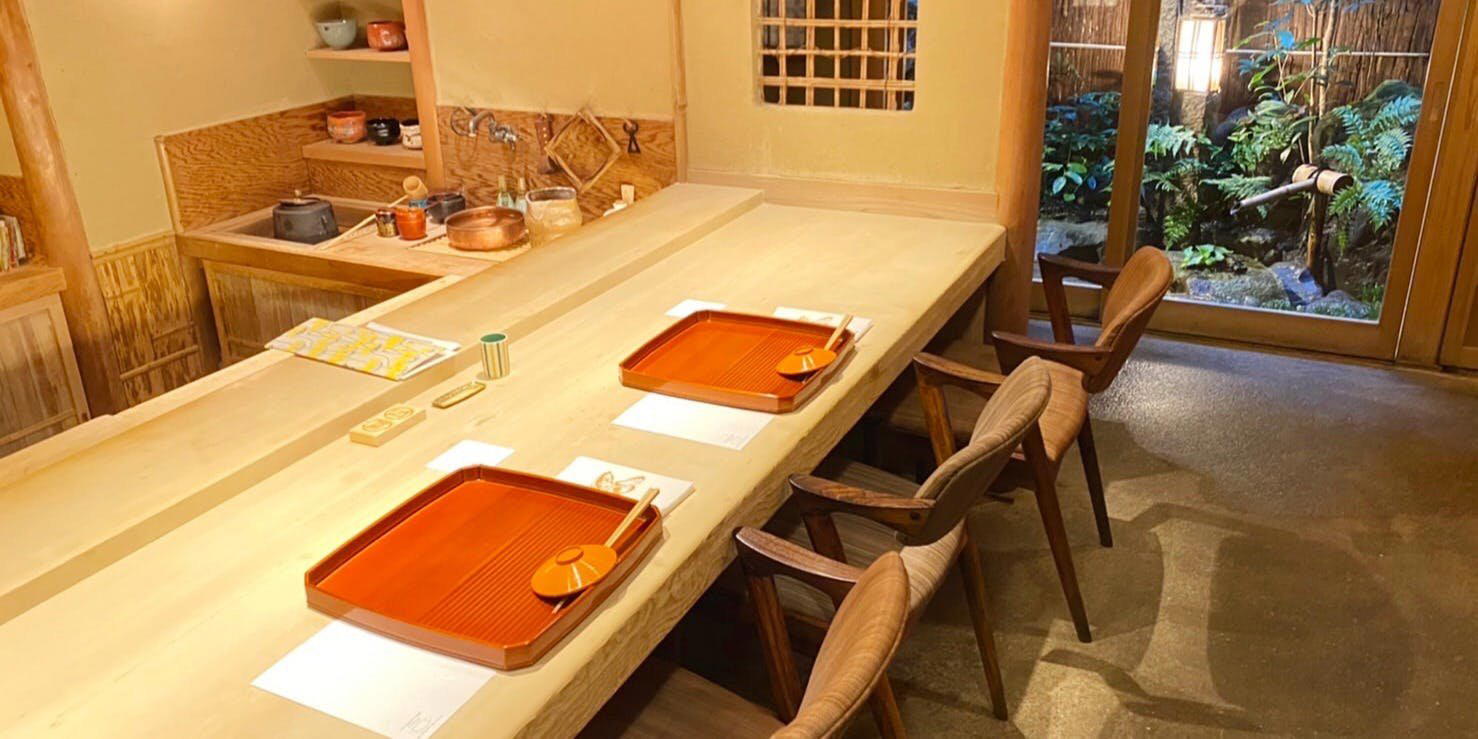
Kyoto-inspired serene atmosphere with clean, elegant open kitchen visible from the 6-7 seat counter.