Our verdict
Tucked into Nagoya's Shinsakae district, 吉い operates in a residential building on a quiet address that gives little away from the street. The venue sits within Nagoya's close-knit specialist dining tier, where access depends less on walk-in availability and more on knowing where to look. For visitors mapping the city's higher-end dining circuit, 吉い is a name that comes up in the right conversations.

Pearl is the En Primeur Club membership app, where members save venues, book tables and use the concierge.
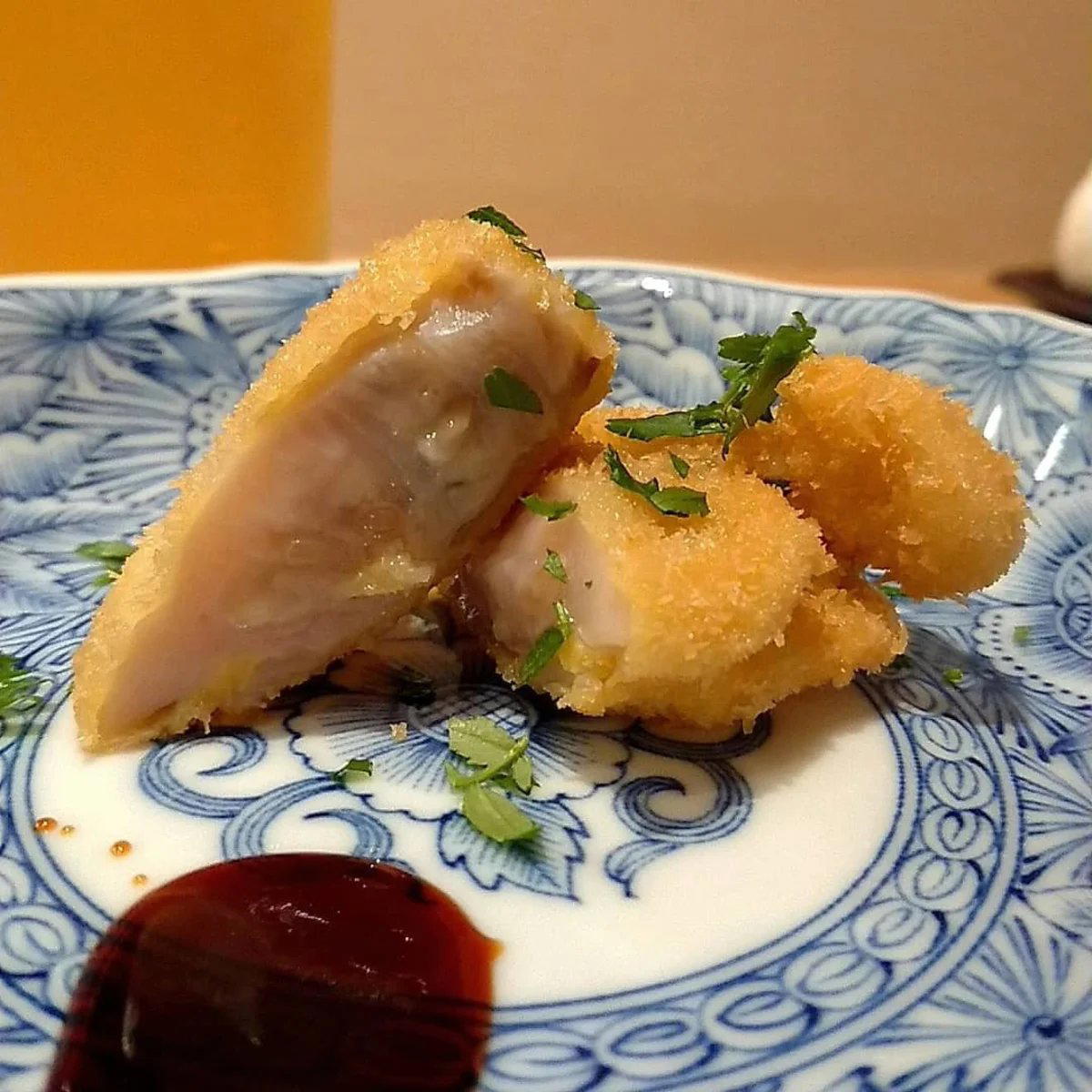
A Quiet Address in Shinsakae
Nagoya's restaurant scene has long operated on a different frequency from Tokyo or Osaka. The city's specialist dining tier tends toward discretion: addresses that don't announce themselves, buildings that require a second look, and rooms where the assumption is that you already know why you're there. Shinsakae sits at the edge of Naka Ward, a neighbourhood where older residential blocks and low-rise commercial buildings coexist with the quieter end of the city's dining circuit. 吉い occupies a unit in Château Akizuki on 2 Chome-8-13 Shinsakae, a building that functions exactly as this type of address should: understated from the outside, with nothing on the facade that explains what's inside.
This kind of spatial restraint is characteristic of how certain Nagoya restaurants position themselves. The city's dining culture has historically prioritised substance over spectacle, a tendency visible across formats from the unagi houses around Atsuta Shrine (see Atsuta Horaiken) to the quieter Italian and French rooms that have built reputations through word of mouth rather than visibility. 吉い fits that pattern. Its Shinsakae location places it within reasonable reach of the city centre without sitting on a high-traffic street, which, in practical terms, means the room is not oriented around passing trade.
The Booking Challenge: What You Need to Know Before You Go
Planning around 吉い requires some groundwork. That combination puts it in a specific category of Japanese restaurant, the kind where access is mediated through existing relationships, local knowledge, or hotel concierge channels, rather than through a direct reservation platform.
This is not unusual at the higher end of Japan's dining circuit. Venues at equivalent levels in other cities, such as Harutaka in Tokyo or Gion Sasaki in Kyoto, operate with similarly limited public-facing infrastructure and are most reliably accessed through concierge intermediaries at five-star hotels or through established dining networks. The absence of a booking link or phone number is, in contexts like this, itself a signal about how the room is managed.
For visitors arriving in Nagoya without existing contacts in the local dining scene, the most practical approach is to work through the concierge at a property with strong local knowledge. Nagoya's leading hotels maintain relationships with the city's specialist dining rooms, including addresses in Naka Ward, and can often make contact through channels that aren't publicly listed. Attempting to locate the venue independently on arrival, without a confirmed reservation, carries the obvious risk of finding a closed door.
Timing matters, too. Nagoya draws significant business travel and the city's better dining rooms are frequently occupied by corporate entertainment bookings, particularly mid-week. Visitors targeting 吉い for a specific date should build in lead time and not treat it as a same-week decision.
Where 吉い Sits in Nagoya's Dining Circuit
Nagoya's specialist restaurant tier is smaller than its geographic and economic scale might suggest. The city is Japan's fourth-largest and home to significant industry, which sustains a corporate dining culture with high average spend. That economic base has supported a range of specialist rooms, but the density of truly high-end addresses remains lower than in Tokyo, Osaka, or Kyoto. This means individual venues in the leading bracket carry more weight than they might in a more saturated market.
The city's Italian addresses, including Bacio and cucina Wada, have built followings through consistency rather than media cycles. French-influenced rooms like Chez Kobe occupy a similar position. The sushi tier, represented by venues such as Cucina Italiana Gallura, reflects Nagoya's willingness to absorb formats from other cities and adapt them to local expectations. 吉い operates in this broader context, where the city's leading addresses are defined less by national profile and more by their standing within a specific local network.
For reference, the broader Tokai region connects Nagoya to a wider dining circuit that includes venues further afield in Japan. Visitors building itineraries across the country might consider how Nagoya fits alongside destinations like HAJIME in Osaka, akordu in Nara, or Goh in Fukuoka, each of which anchors a different node of the country's regional fine dining network. Nagoya is an underrepresented stop on most international itineraries, which makes its quieter specialist addresses worth seeking out for exactly that reason.
Japan's broader geography of under-the-radar dining rooms also includes venues in less-visited cities: 一本木 石川制 in Nanao, 夕佳亭九 in Sapporo, 湖辺庵 in Takashima, and 庄羽屋 in Nishikawa Machi. The pattern across these venues is consistent: minimal public presence, address-based discretion, and access weighted toward those who already know to look. 吉い belongs to that cohort.
For those building a broader dining perspective, the contrast with highly visible international destinations is instructive. Le Bernardin in New York City or Atomix in New York City, Birdland in Sakai all operate with clearly published booking infrastructure precisely because their model depends on reaching a broader audience. 吉い's apparent inaccessibility is architectural, not accidental. See our full Nagoya restaurants guide for broader orientation across the city's dining tiers.
Know Before You Go
- Address: 2 Chome-8-13 Shinsakae, Naka Ward, Nagoya, Aichi 460-0007, Japan (Château Akizuki)
- Phone: Not publicly listed
- Website: Not publicly listed
- Booking: No confirmed public booking method; concierge assistance recommended
- Price Range: Not confirmed; context suggests mid-to-upper tier
- Hours:; verify before arrival
- Neighbourhood: Shinsakae, Naka Ward, central Nagoya
Frequently asked questions
Where is 吉い in Nagoya?
吉い is located at Japan, 〒460-0007 Aichi, Nagoya, Naka Ward, Shinsakae, 2 Chome−8−13 シャトー秋月, Nagoya.
Is 吉い suitable for solo diners visiting Nagoya?
吉い's Shinsakae address in Naka Ward places it within Nagoya's more considered specialist dining circuit, which historically skews toward counter-format venues that accommodate solo seating. Solo travellers should factor in the lack of a public booking channel, no website, no listed phone, and plan through a Nagoya-based contact well in advance.
What should I eat at 吉い?
No menu is publicly documented for 吉い, and the venue has no website or listed phone number to confirm current offerings. Given Nagoya's specialist dining tier, counters in this district often run a set or omakase format, but that can change here. The safest approach is to arrive without fixed expectations and let the kitchen lead. Reaching the venue directly in person or through a local concierge is the most reliable way to understand what is being served. Check the venue's official channels for the latest details.
What's the best way to book 吉い?
The venue is located at シャトー秋月, 2 Chome-8-13 Shinsakae, Naka Ward, Nagoya, which gives you a physical reference point to work from. A hotel concierge in Nagoya with strong local restaurant contacts is the most practical route for securing a reservation. Walk-in availability is unconfirmed and should not be assumed.
The Essentials
| Venue | Cuisine | Price | Awards | Notes |
|---|---|---|---|---|
| 吉いThis venue (the venue you are viewing) | Seasonal Japanese Kaiseki | $100–150 | Not listed | Not listed |
| Cucina Italiana Gallura | Authentic Italian with Local Seafood | $100–150 | Tabelog Bronze #50 | Sushi |
| Hachisen | Kyoto-Style Kaiseki | $200–300 | Tabelog Bronze #91 | Kyoto Cuisine |
| il AOYAMA | Japanese-Inflected Italian Cuisine | $300–500 | Tabelog Silver #42 | Italian |
| Reminiscence | Modern French with Japanese influences | $150–200 | La Liste Top Restaurants · Tabelog Silver #108 | French |
| Unafuji | Nagoya-Style Charcoal Grilled Unagi | $50–100 | Tabelog 100 #38 | Unagi |
Continue exploring
More in Nagoya
Restaurants in Nagoya
All restaurants in Nagoya →
Details
- Intimate
- Cozy
- Date Night
- Special Occasion
- Sake Program
- Sake
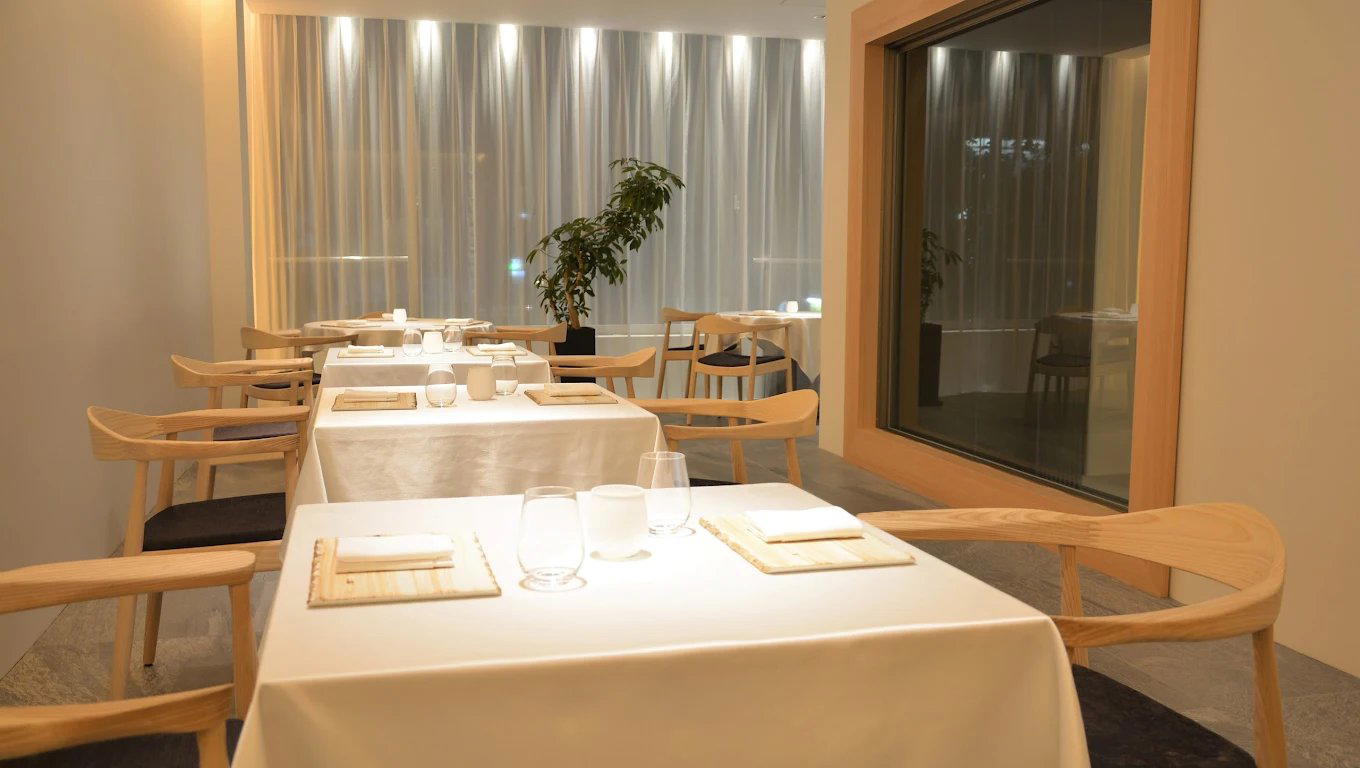
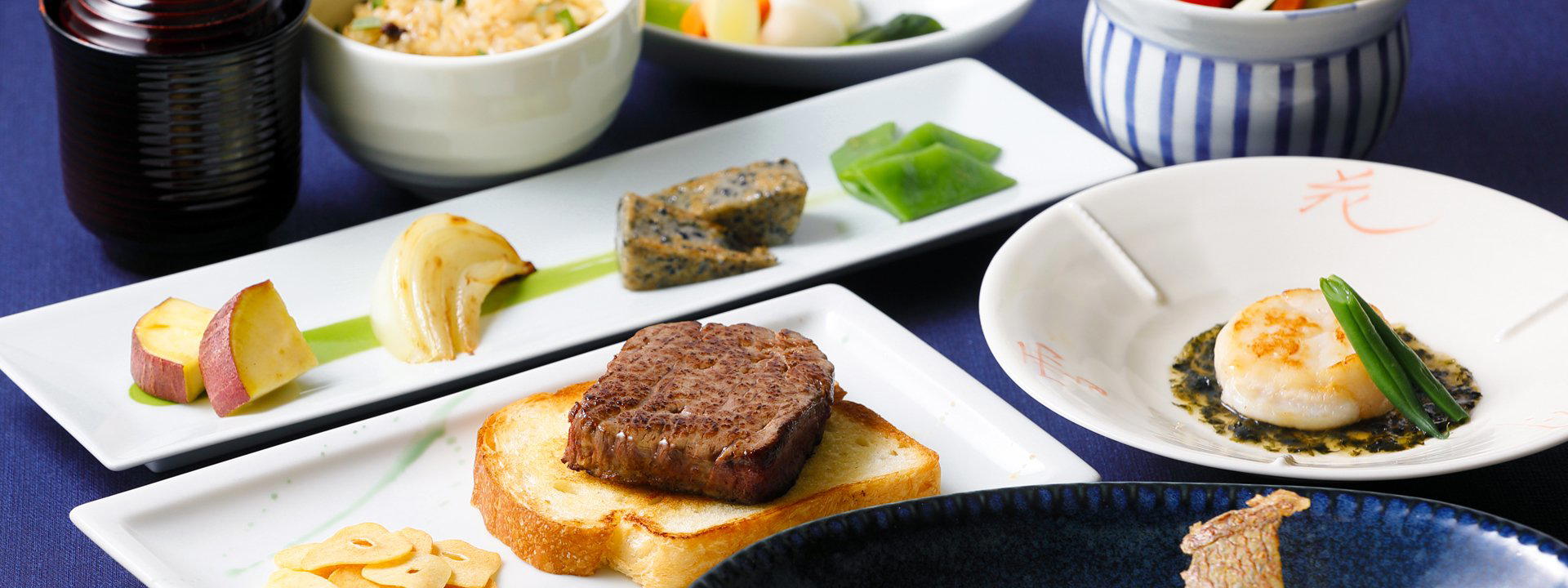
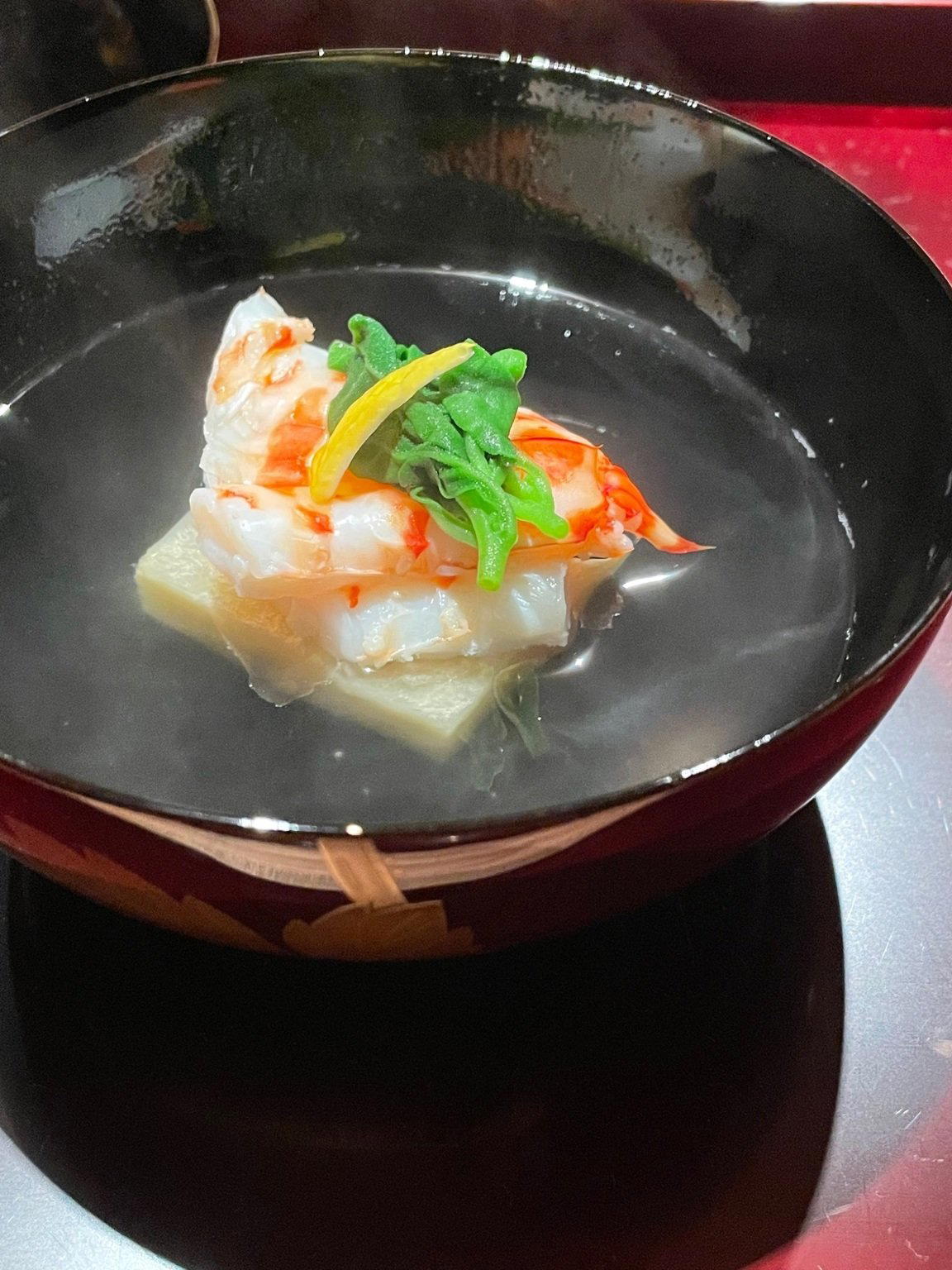
Intimate counter seating with a low-profile address atmosphere focusing on seasonal Japanese delicacies.