
Tabelog Bronze #183
Our verdict
Yoshoku in Nagoya is not nostalgia alone; it is a serious dining category with its own codes, from omurice to croquette and fish-led Western-Japanese plates. kitchen Toshiki sits in that conversation with Tabelog Award Bronze recognition for 2023 through 2026, Tabelog Yoshoku 100 selections, a compact 24-seat room, and prices that keep it below the city’s high-end sushi tier.

Pearl is the En Primeur Club membership app, where members save venues, book tables and use the concierge.
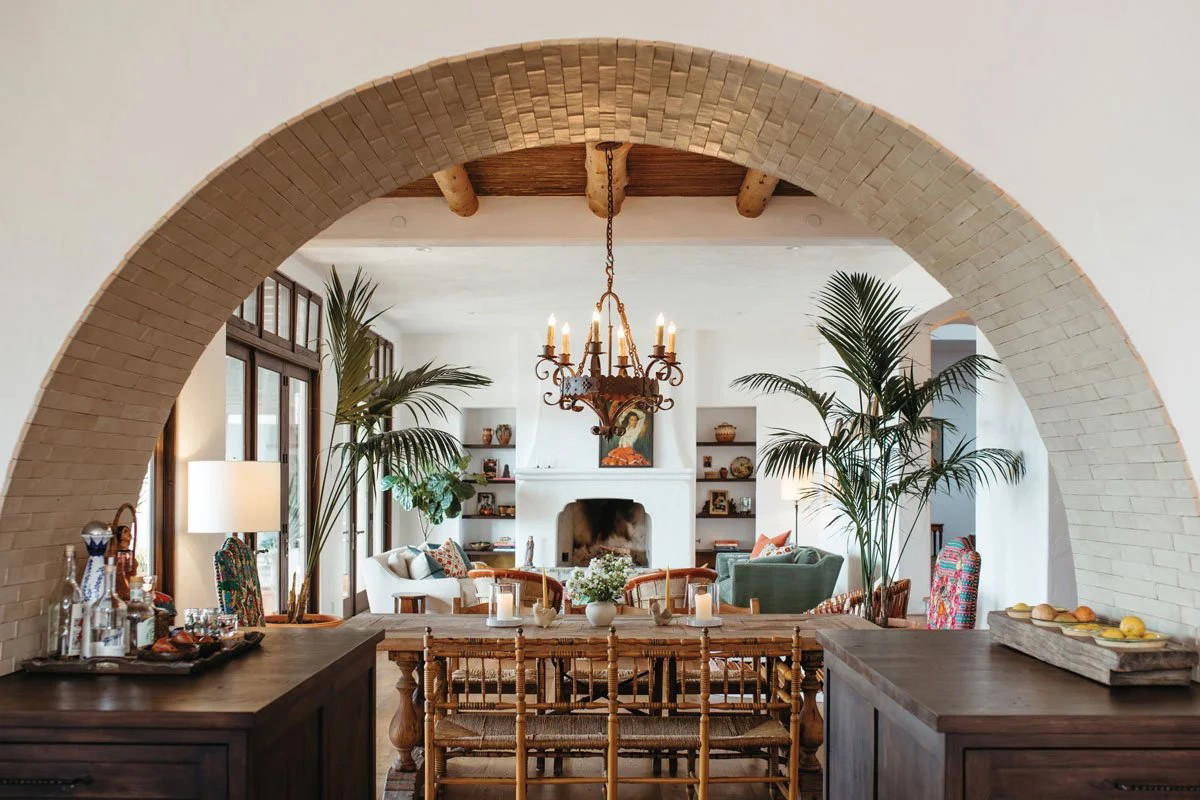
The menu
What to order
- Japanese Black Beef Hamburger Steak
- King Crab Cream Croquette
- Beef Stew
Approaching a yoshoku restaurant in Nagoya is different from entering a sushi counter or kaiseki room. The cues are less ceremonial: a street-level address, a compact dining room, the promise of Western forms translated through Japanese technique. That is the ground kitchen Toshiki occupies in Shinsakae Machi, where yoshoku, omurice, croquette, wine, and fish form a category with more range than the phrase “Japanese-style Western cuisine” suggests.
Yoshoku has always been an adaptation rather than imitation. In Japan, the genre took European and American reference points, then rewrote them around rice, demi-glace, cream sauces, cutlets, omelette technique, and the speed of urban dining. Nagoya adds its own pressure: a city with a strong everyday food culture, serious spending power, and less appetite for performative dining than Tokyo or Kyoto. A room that succeeds here has to deliver comfort without sliding into convenience food, and polish without turning the meal into ceremony.
Yoshoku treated as a serious Nagoya dining category
The useful context is not whether kitchen Toshiki is “casual” or “formal”; yoshoku often refuses that split. Tabelog places the restaurant in Yoshoku, Omurice, and Croquette, which tells the reader more than a broad Western label would. These are dishes and formats with deep Japanese restaurant histories, judged on sauce work, texture, temperature control, and the balance between familiarity and craft.
The recognition matters because yoshoku is rarely discussed internationally with the same seriousness as sushi, tempura, or kaiseki. kitchen Toshiki holds Tabelog Award Bronze recognition in 2023, 2024, 2025, and 2026, with a 2026 score of 4.27. It was also selected for Tabelog Yoshoku 100 in 2023 and for the Yoshoku EAST 100 list in 2025. Those signals put it in a narrower bracket: not merely a neighborhood Western-Japanese restaurant, but a Nagoya address that Japanese diners have repeatedly ranked inside a competitive national category.
That distinction is useful for travelers deciding how to spend a meal in the city. Nagoya’s dining reputation often gets reduced to local specialties, but the stronger itinerary looks broader: ramen, sushi, yoshoku, kappo, coffee, and bars across neighborhoods rather than a checklist of famous dishes. The comparison with other Nagoya formats is instructive. Chuka Soba Mugi no Hoshi sits at a lower ramen price band, while Sushi Daisaku occupies a far higher sushi spend. Yoshoku here lands in a middle tier, serious enough for destination dining but not priced like an omakase counter.
Omurice, croquette, fish, and wine: the grammar of the room
The restaurant’s listed categories give the clearest reading of the kitchen’s identity. Omurice and croquette are not side notes in yoshoku; they are tests of control. Omurice turns on egg handling and the relationship between rice, sauce, and richness. Croquette depends on contrast: a crisp exterior, a soft interior, and seasoning precise enough to avoid heaviness. The fish emphasis and wine focus widen the frame, moving the meal beyond the lunch-counter associations that sometimes follow the genre.
That is where Nagoya’s version of urban dining becomes interesting. The city supports restaurants that do not need theatrical formats to build loyalty. A 24-seat dining room can create focus without becoming exclusive in tone, and yoshoku gives diners a vocabulary that feels familiar before the meal becomes technical. The better version of the category does not ask the diner to admire novelty. It asks whether a sauce has depth, whether a fried item keeps its structure, whether rice and egg land with enough precision to justify the attention.
For readers building a broader Nagoya route, the restaurant belongs beside the city’s more specialized addresses rather than in a generic comfort-food slot. EP Club’s Nagoya coverage also tracks restaurants such as 1022, 451, Aaron, Alan., and All Day Dining Montmartre, which together show how varied the city’s dining map has become. The better reading is not “which single restaurant defines Nagoya,” but how different formats divide the city’s appetite between precision, comfort, speed, and occasion.
How to read the recognition without overreading it
Tabelog’s Bronze and Yoshoku 100 signals are especially meaningful in a category where international awards coverage is thinner. They indicate sustained domestic approval rather than a one-season spike. The restaurant opened on 2 May 2022, so the run of Bronze recognition from 2023 through 2026 also points to unusually fast consolidation inside its category. That is not the same thing as a Michelin-starred fine-dining claim, and it should not be read that way. It is a different kind of credential: category-specific, diner-driven, and rooted in Japan’s own restaurant culture.
The practical decision is simple. Travelers seeking a formal luxury meal in Nagoya may gravitate toward sushi or kappo. Diners interested in Japanese adaptation, urban comfort, and category craft should make room for yoshoku. kitchen Toshiki is especially compelling for that second itinerary because it gives the genre a defined setting, public recognition, and enough structure to make the meal feel intentional rather than incidental.
Planning around the wider city helps. Use Our full Nagoya restaurants guide for dining context, then pair the meal with Our full Nagoya hotels guide, Our full Nagoya bars guide, Our full Nagoya wineries guide, and Our full Nagoya experiences guide. For a wider Japan and Japanese-food reading list, see -Grilled beef Sukiyaki- KAMAKURA TANUKIAN 鎌倉 たぬき庵 in Kamakura. 鮪と炭火焼き うお炭 秋葉原店 in Tokyo.cafe in Osaka.know in Kumamoto, (Shoku) Vietnam in Kawasaki, [Curry Senmon Ten] Maruyama Kyoju. in Sapporo, Jōdo Saké Bar in Los Angeles, and Onigiri Time in Pasadena.
Frequently asked questions
Does kitchen Toshiki work for a family meal?
Yes, it can. Kitchen Toshiki has 24 seats, accepts reservations, and lists lunch from JPY 3,000–JPY 3,999, which keeps it accessible for a family meal in Nagoya. The no-smoking room and take-out service also make it easier to plan around different ages and schedules.
What is the atmosphere like at kitchen Toshiki?
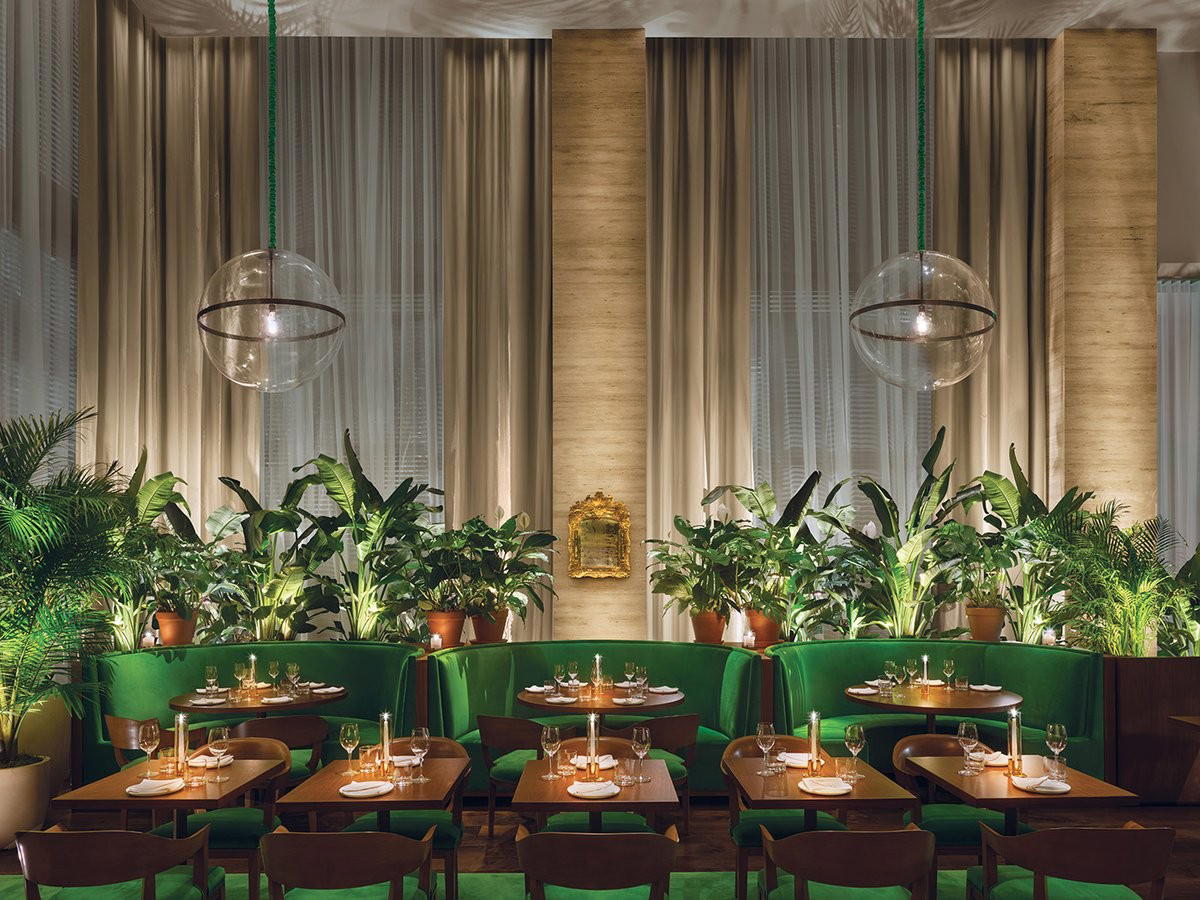
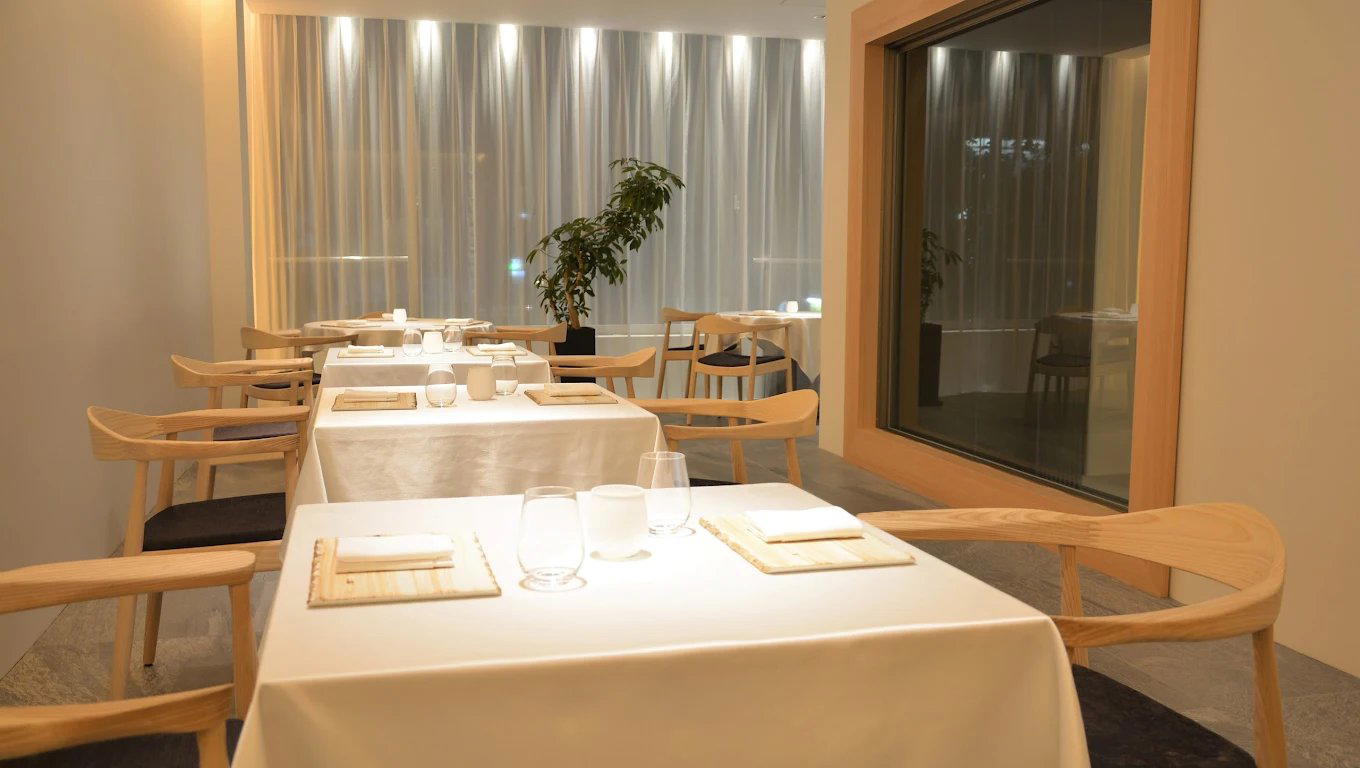
The room is described as stylish and relaxing, with a 24-seat layout that keeps service focused rather than sprawling. Its Tabelog Bronze awards from 2023 through 2026 give it the sort of track record that signals consistency, not just first-impression polish.
What time does kitchen Toshiki open and close?
Hours at kitchen Toshiki: Mon, Wed, Thu, Fri, Sat, Sun 11:30 - 14:30 L.O. 13:30 17:30 - 21:30 L.O. 20:30.
What's kitchen Toshiki's location?
kitchen Toshiki is located in Nagoya.
A Pricing-First Comparison
Side-by-side context: comparable cuisine and price.
| Venue | Cuisine | Price | Awards | Notes |
|---|---|---|---|---|
| kitchen ToshikiThis venue (the venue you are viewing) | Japanese-Style Western Cuisine (Yoshoku) | $50–100 | Tabelog Bronze #183 | Not listed |
| Hikizan Tashizan | Modern Yakitori Counter | $50–100 | Tabelog 100 #40 | Chikusa, Modern Yakitori Counter |
| Unagi Okafuji | Nagoya-style eel and hitsumabushi | $30–50 | Tabelog 100 #4 | Naka, Nagoya-style eel and hitsumabushi |
| Sushi Shimizu | Edomae Sushi Omakase | $100–150 | Not listed | Nishi, Edomae Sushi Omakase |
| Senkun'an | Japanese Teppanyaki Steakhouse | Not listed | Tabelog 100 #54 | Meitō, Japanese Teppanyaki Steakhouse |
| Sushi Yasuke | Traditional Edomae Sushi Omakase | $50–100 | Tabelog 100 #82 | Shōwa, Traditional Edomae Sushi Omakase |
Recognition history
Dated appearances from independent guides and award organizations, with the underlying list record or original source where available.
Tabelog Bronze #183
Tabelog
Full recognition history (3 entries)
Tabelog Bronze
Tabelog
Tabelog 100 #83 · No. 83
Tabelog · Tabelog 100 - Yoshoku - EAST - 2025
Continue exploring
More in Nagoya
Restaurants in Nagoya
All restaurants in Nagoya →
Details
- Elegant
- Cozy
- Modern
- Date Night
- Special Occasion
- Sake Program
- Local Sourcing
- A La Carte
- Tasting Menu
- Wine
- Sake
Current opening hours
- Monday
- 11:30 AM–2:30 PM, 5:30–9:30 PM
- Tuesday
- Closed
- Wednesday
- 11:30 AM–2:30 PM, 5:30–9:30 PM
- Thursday
- 11:30 AM–2:30 PM, 5:30–9:30 PM
- Friday
- 11:30 AM–2:30 PM, 5:30–9:30 PM
- Saturday
- 11:30 AM–2:30 PM, 5:30–9:30 PM
- Sunday
- 11:30 AM–2:30 PM, 5:30–9:30 PM
Hours can change for holidays and private events. Hours as of .
Relaxing atmosphere in a stylish space with high ceilings, good hospitality, and a quiet residential feel.