
Tabelog Bronze #480
Our verdict
Tsubaki gives Gifu’s yoshoku tradition a serious, ingredient-led reading rather than a nostalgic one. Its Tabelog Award Bronze run from 2022 through 2026, Tabelog score of 4.18, and inclusion in Tabelog 100 Yoshoku EAST 2025 place it in a narrow national conversation around Japanese-style Western cooking, steak, hamburger steak, fish, and wine-minded service.

Pearl is the En Primeur Club membership app, where members save venues, book tables and use the concierge.
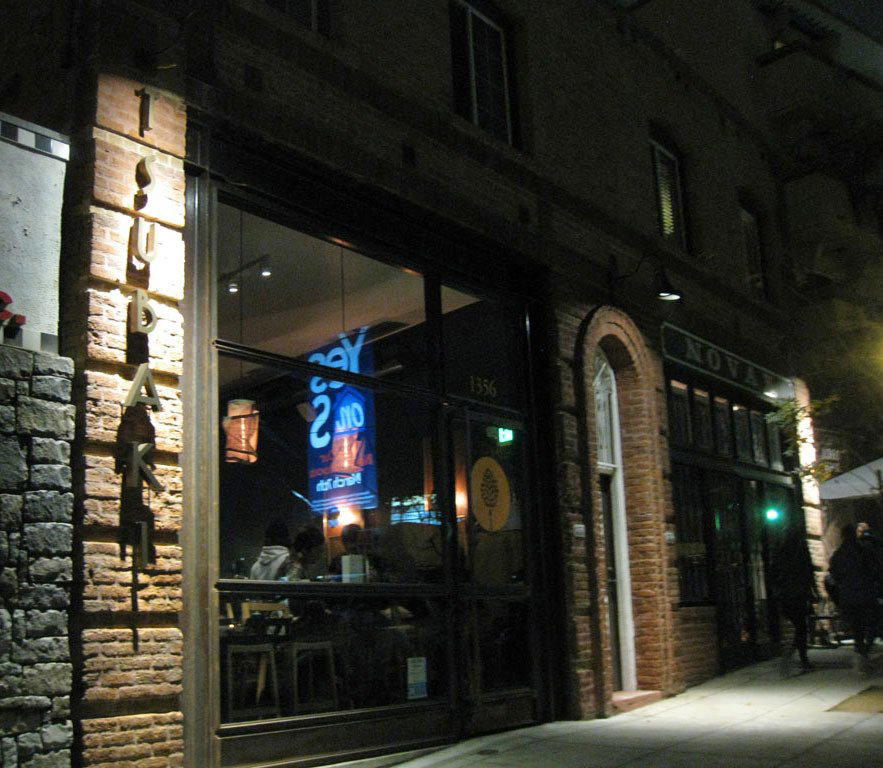
The approach to Tsubaki is part of its argument. Gifu’s restaurant culture is not only station-front convenience or polished urban density; stronger tables often make sense on quieter residential edges, where space, parking, and slower pacing make a meal feel less transactional. Here, yoshoku reads not as quick department-store omelet rice and demi-glace nostalgia, but as a Japanese domestic interpretation of Western cooking that can carry the seriousness of sushi, kaiseki, or French when ingredients and pacing are disciplined.
That matters in Gifu, a prefecture more often framed by rivers, mountains, cormorant fishing, Hida beef, ayu, and regional craft than the national restaurant circuit. Tsubaki belongs to the smaller category of destination yoshoku, where Western references are filtered through Japanese portioning, sauce work, rice culture, and seasonal sourcing. Its recognition gives the category weight: The Tabelog Award Bronze in 2022, 2023, 2024, 2025, and 2026, a 4.18 Tabelog score, and selection for Tabelog 100 Yoshoku EAST 2025 show sustained diner consensus, not a single-season spike.
Yoshoku in Gifu, treated as ingredient cooking rather than nostalgia
Yoshoku is often misunderstood outside Japan as casual hybrid cuisine, but its stronger form is more exacting. It uses Western forms without copying Western restaurants: steak sits beside Japanese rice culture, hamburger steak becomes a serious vehicle for texture and sauce, and fish can sit comfortably with wine, sake, and shochu. At Tsubaki, the listed categories, Japanese-style Western cuisine, steak, and hamburger steak, point to that grammar, while the stated attention to fish and wine broadens the cooking beyond beef.
The ingredient lens is useful. Gifu diners already understand beef as prestige, and the region’s restaurant economy includes specialists at several prices. Setsu Gekka Nagara prices dinner at JPY 10,000 to JPY 14,999, while Senryu sits higher at JPY 15,000 to JPY 19,999. Tsubaki’s dinner range of JPY 8,000 to JPY 9,999 is below those heavier-spend meals, yet its award record puts it in a more selective conversation than ordinary comfort yoshoku. The value question is whether the kitchen can make familiar forms feel exact without turning them into French cosplay.
Gifu’s wider dining map helps. The city has room for restaurants not chasing Tokyo’s counter-culture scarcity model. Aka Renga, Akane Ya, and Belle Equipe (French) show local seriousness across Japanese dining and French reference points. Tsubaki’s role is narrower: it asks yoshoku to carry sourcing, technique, and occasion dining without abandoning the genre’s recognisable pleasures.
A small dining room changes the rhythm of a Western-Japanese meal
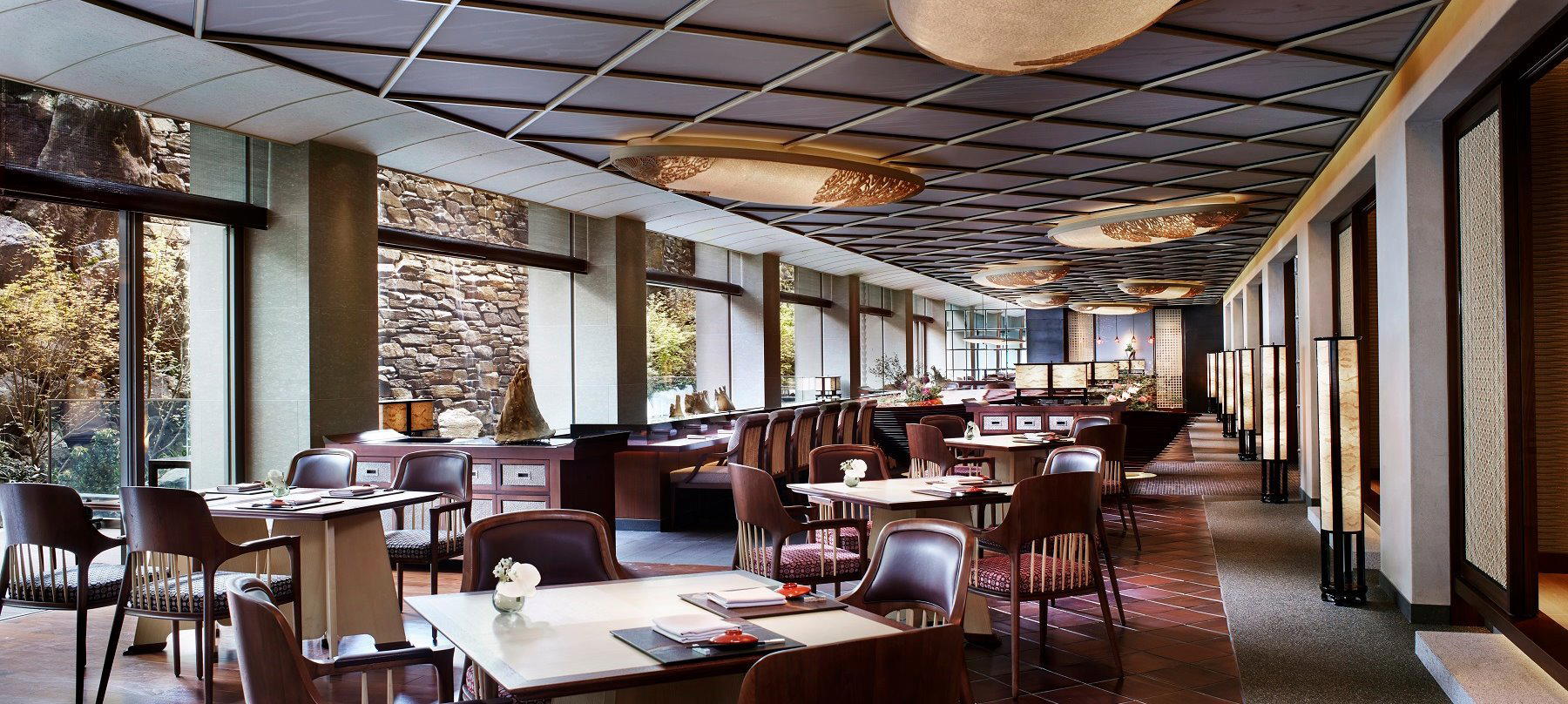
The format reinforces that reading. Thirty-two seats, arranged as eight tables for four, create a room built for meals with shape rather than churn. Private rooms are not part of the setup, but private use is available for groups of 20 to 50, pointing to family gatherings, dates, and planned meals rather than spontaneous grazing. School-age children are welcome, so the tone requires planning but is not so rarefied that it excludes families used to a proper meal.
Recognition also changes how yoshoku is perceived. Repeated Tabelog Bronze awards do not mean luxury by decoration; they signal that Japanese-style Western cooking can be assessed like sushi or kappo, where consistency, ingredient selection, sauce control, cooking temperature, and hospitality matter. Tsubaki’s Tabelog 100 Yoshoku EAST 2025 selection places it among restaurants where the category itself is the point, not an afterthought attached to steak.
Compared with Kawaramachi Izumiya, in a lower dinner bracket of JPY 4,000 to JPY 4,999 and lunch at JPY 2,000 to JPY 2,999, Tsubaki asks for a more deliberate spend. Compared with Prelude Fukumitsu ten, around JPY 1,000 to JPY 1,999, it operates in another tier. That gap helps travellers read Gifu: the city supports casual regional meals, mid-range local institutions, and tighter reservation-only rooms. They are not interchangeable just because they share a city.
How to read Tsubaki against Gifu's wider food map
For a Gifu itinerary, Tsubaki works well as a meal explaining local dining away from obvious tourist routes. It is not a substitute for river-town eating, beef-focused specialist dining, or bar culture. It fills a separate slot: composed yoshoku where Western technique, Japanese hospitality expectations, and ingredient attention meet in a suburban house-restaurant format.
Gifu’s after-dark scene has its own orbit, so separate dinner from drinking rather than forcing one venue to answer both. BAR-BAROSSA and BAROSSA cocktailier speak to the city’s cocktail culture, while broader planning pages help sequence the trip: Our full Gifu restaurants guide, Our full Gifu bars guide, Our full Gifu hotels guide, Our full Gifu wineries guide, and Our full Gifu experiences guide. The lesson is simple: Gifu rewards planning by category, not cramming every meal into one neighbourhood.
Nationally, Tsubaki fits a Japanese pattern in which specialised regional restaurants build authority outside the metropolitan spotlight. Travellers comparing categories across Japan might look from beef-led dining such as -Grilled beef Sukiyaki- KAMAKURA TANUKIAN 鎌倉 たぬき庵 in Kamakura to seafood and charcoal formats like. 鮪と炭火焼き うお炭 秋葉原店 in Tokyo, then to lighter urban addresses such as.cafe in Osaka or.know in Kumamoto. The point is not similarity, but how Japanese cities assign seriousness to different formats.
That is why yoshoku deserves more attention from travellers who default to sushi, ramen, or kaiseki. It records Japan’s long adaptation of Western cooking, but its stronger restaurants are not museum pieces; they are active dining rooms where sauce, beef, fish, rice, wine, and service discipline form a local argument. Tsubaki’s awards support that argument, but the sharper point is what it says about Gifu: the city’s dining depth is not confined to obvious regional clichés.
For broader context, Japanese dining itineraries now span Vietnamese cooking at (Shoku) Vietnam in Kawasaki, curry specialization at [Curry Senmon Ten] Maruyama Kyoju. in Sapporo, and Japanese-adjacent drinking and rice-focused formats abroad, including Jōdo Saké Bar in Los Angeles and Onigiri Time in Pasadena. Tsubaki’s place in that map is precise: a Gifu yoshoku address where ingredient seriousness gives a familiar genre adult weight.
Frequently asked questions
What's Tsubaki's location?
Tsubaki is located in Gifu.
What are the operating hours at Tsubaki?
Hours at Tsubaki: Mon, Thu, Fri 11:30 - 14:30 17:30 - 21:00.
What's the standout thing about Tsubaki?
The strongest signal is consistency: Tsubaki has won the Tabelog Award Bronze tier for 2022 through 2026 and was selected for Tabelog 100 in Yoshoku EAST 2025. In Gifu’s Uchikoshi area, that kind of repeat recognition matters more than broad claims.
What if I have allergies at Tsubaki?
Tsubaki’s listed categories are yoshoku, steak, and hamburger steak, and the public record notes that fish is a point of focus. Check the venue's official channels for the latest details.
Is Tsubaki good for families?
Yes, provided the children are school-age or older, because the venue welcomes children but limits them to elementary school age and above. The 32-seat dining room, 20-car parking, and Gifu address at 59-2 Uchikoshi make it workable for family lunches and early dinners.
Comparable venues nearby, for context on price, style, and recognition.
| Venue | Cuisine | Price | Awards | Notes |
|---|---|---|---|---|
| TsubakiThis venue (the venue you are viewing) | Yoshoku (Japanese Western) | $50–100 | Tabelog Bronze #480 | Not listed |
| Setsu Gekka Nagara | Yakiniku (Japanese BBQ) | $50–100 | Tabelog 100 #82 | Gifu City |
| Sakana | Hida Seasonal Japanese Kaiseki | $50–100 | Tabelog Bronze #382 | Takayama |
| Tejaku Kappou Terada | Seasonal Japanese Kappo & Izakaya | $30–50 | Tabelog 100 #38 | Gifu Station area |
| Soba Kura Tomi | Traditional Japanese Soba | $20–30 | Tabelog 100 #55 | Yanagase area |
| THE Setsugekka | Luxury Wagyu Yakiniku | $50–100 | Tabelog 100 #66 | Tamamoricho |
Recognition history
Dated appearances from independent guides and award organizations, with the underlying list record or original source where available.
Tabelog Bronze #480
Tabelog
Full recognition history (2 entries)
Tabelog 100 #36 · No. 36
Tabelog · Tabelog 100 - Yoshoku - EAST - 2025
Continue exploring
More in Gifu
Restaurants in Gifu
All restaurants in Gifu →

Details
- Elegant
- Cozy
- Scenic
- Romantic
- Sophisticated
- Date Night
- Special Occasion
- Anniversary
- Garden
- Sake Program
- Garden
- A La Carte
- Set Menu
- Vegetarian Friendly
Current opening hours
- Monday
- 11 AM–2 PM, 5:30–8 PM
- Tuesday
- Closed
- Wednesday
- Closed
- Thursday
- 11 AM–2 PM, 5:30–8 PM
- Friday
- 11 AM–2 PM, 5:30–8 PM
- Saturday
- 11 AM–2 PM, 5–8 PM
- Sunday
- 11 AM–2 PM, 5–8 PM
Hours can change for holidays and private events. Hours as of .
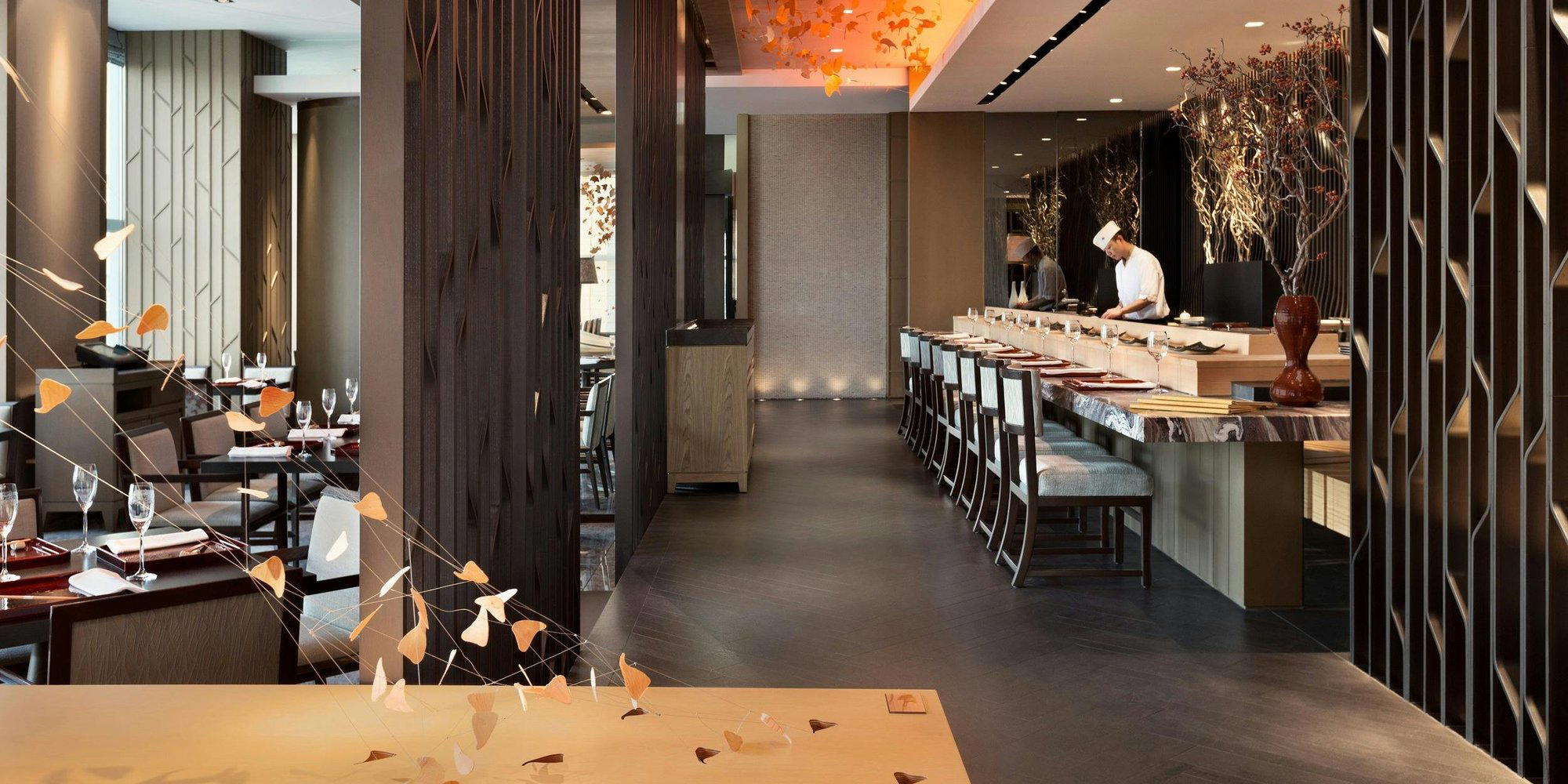
Stylish and relaxing modern Japanese-style interior in an old private house with seasonal garden views, comfortable space, and friendly service.