On a quiet lane in Khamovniki, Bistrot occupies the kind of address that Moscow's mid-century intelligentsia would have approved of: unassuming from the street, considered within. The format sits in the city's compact bistro tier, where French-inflected informality meets a dining public that has grown steadily more sophisticated over the past decade. It is a neighbourhood address that earns repeat visits rather than one-time occasion traffic.
Pearl is the En Primeur Club membership app — saves, bookings, and concierge access live there. Same editors, same standards.
- Address
- Bol'shoy Savvinskiy Pereulok, 12, с. 2, Moscow, Russia, 119435
- Phone
- +74992484045
- Website
- bistrot.moscow
- Directions
- Get directions
 Saves & bookings on Pearl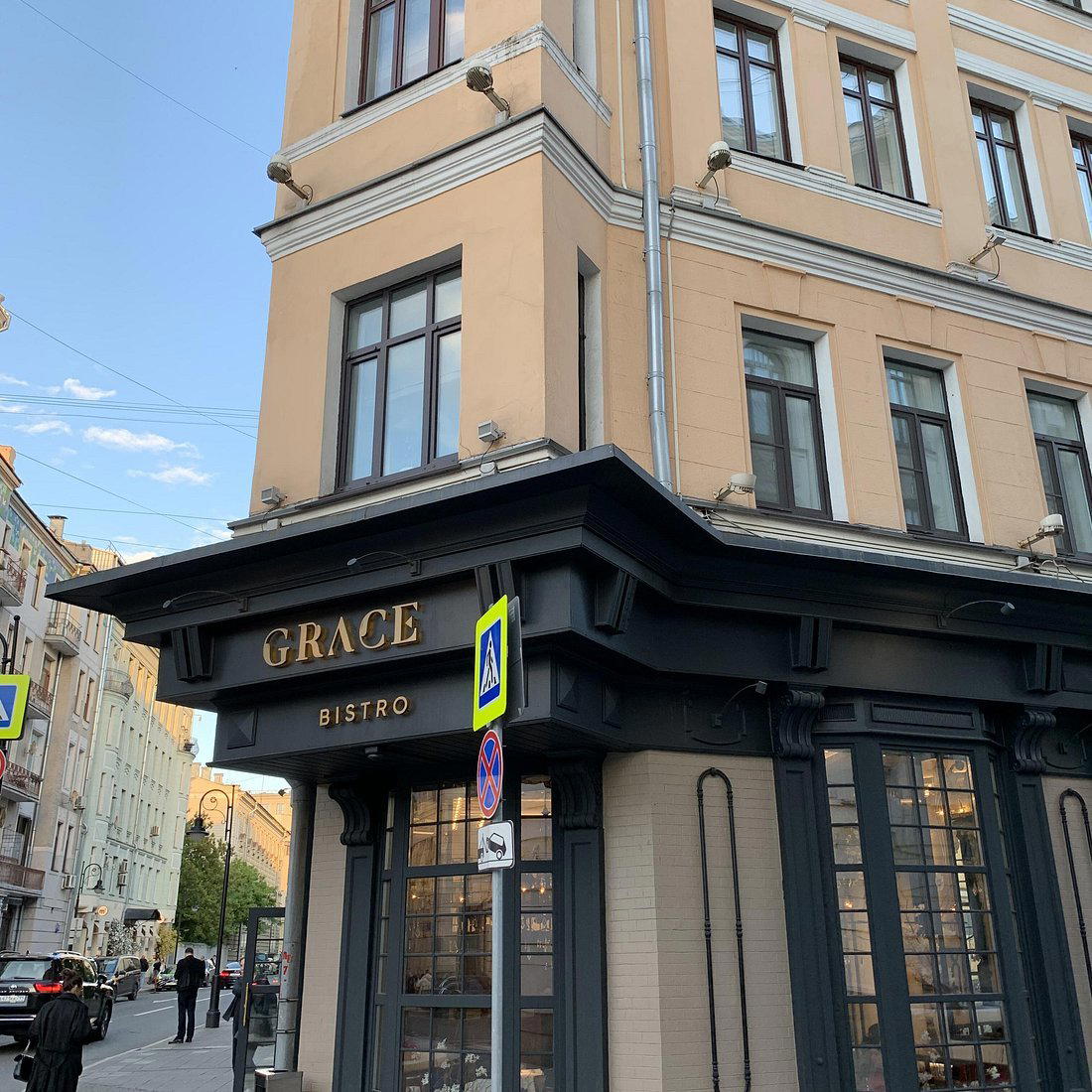
A Lane in Khamovniki and What It Signals
Bol'shoy Savvinskiy Pereulok is the kind of Moscow side street that does not announce itself. The lane runs quietly off the Khamovniki grid, a residential quarter that has preserved more of its pre-Soviet building stock than most central districts. Arriving here on foot from the embankment, you pass courtyard gates and linden trees before the address resolves into something recognisable as a dining destination. That quality of quiet discovery is not accidental in this part of the city. Khamovniki has become a default for restaurateurs who want a neighbourhood character without the Patriarch's Ponds premium, and Bistrot at building 12, corpus 2 reads as a considered placement within that pattern.
The bistro format itself carries specific expectations in Moscow's current dining scene. Over the past decade, the city has moved through several restaurant generations, from the maximalist Georgian-meets-European formats of the 2000s to the ingredient-led, pared-back rooms that now define its middle and upper-middle tier. A name like Bistrot signals deliberate alignment with the French template: a room that does not perform grandeur, a menu that cycles with the market, and a register of hospitality that is attentive without being ceremonial. How fully any individual address delivers on that template is a question of execution, but the positioning choice itself is a statement about the dining culture the operator is addressing.
The Sensory Register of a Bistro Room
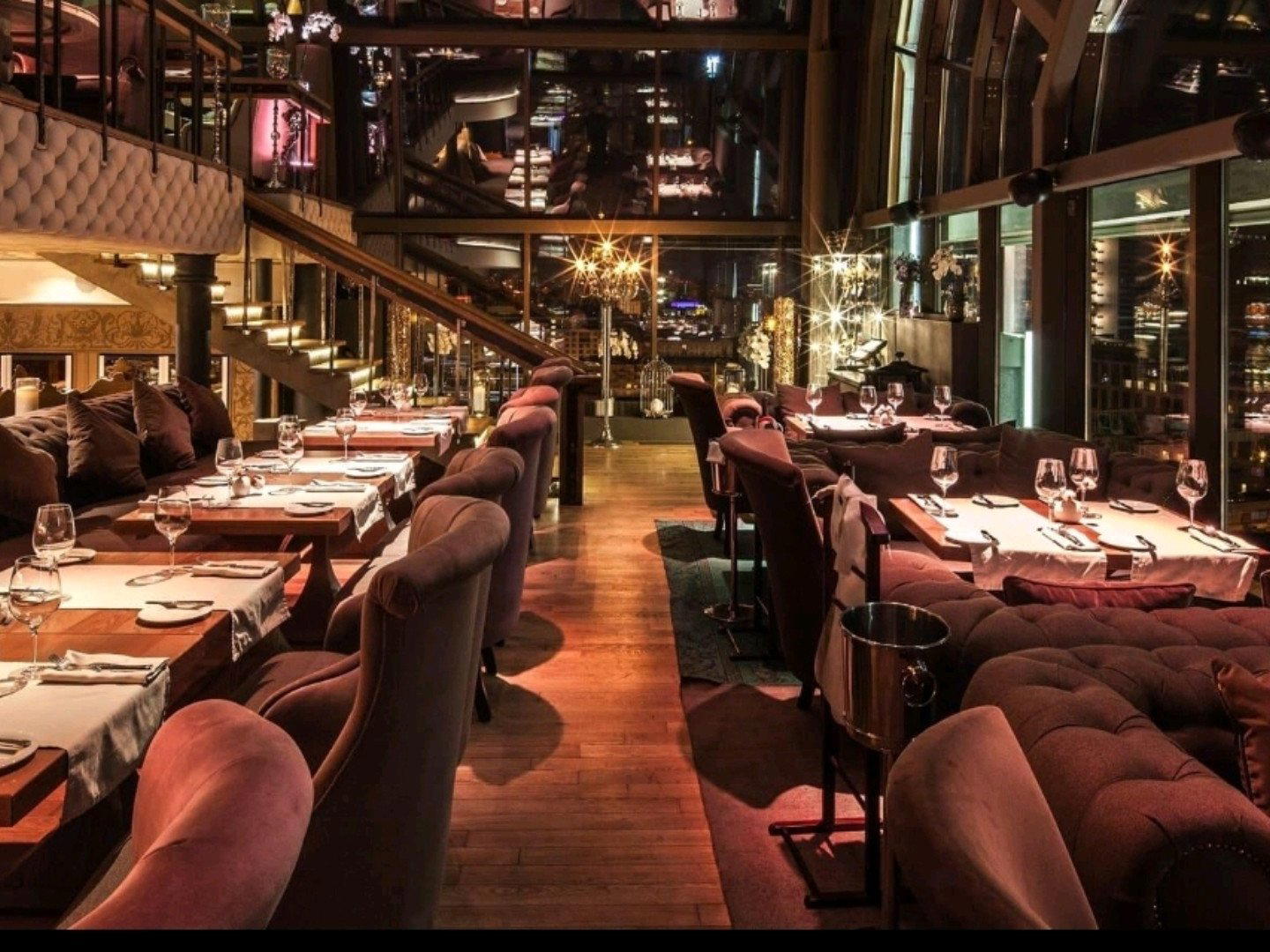
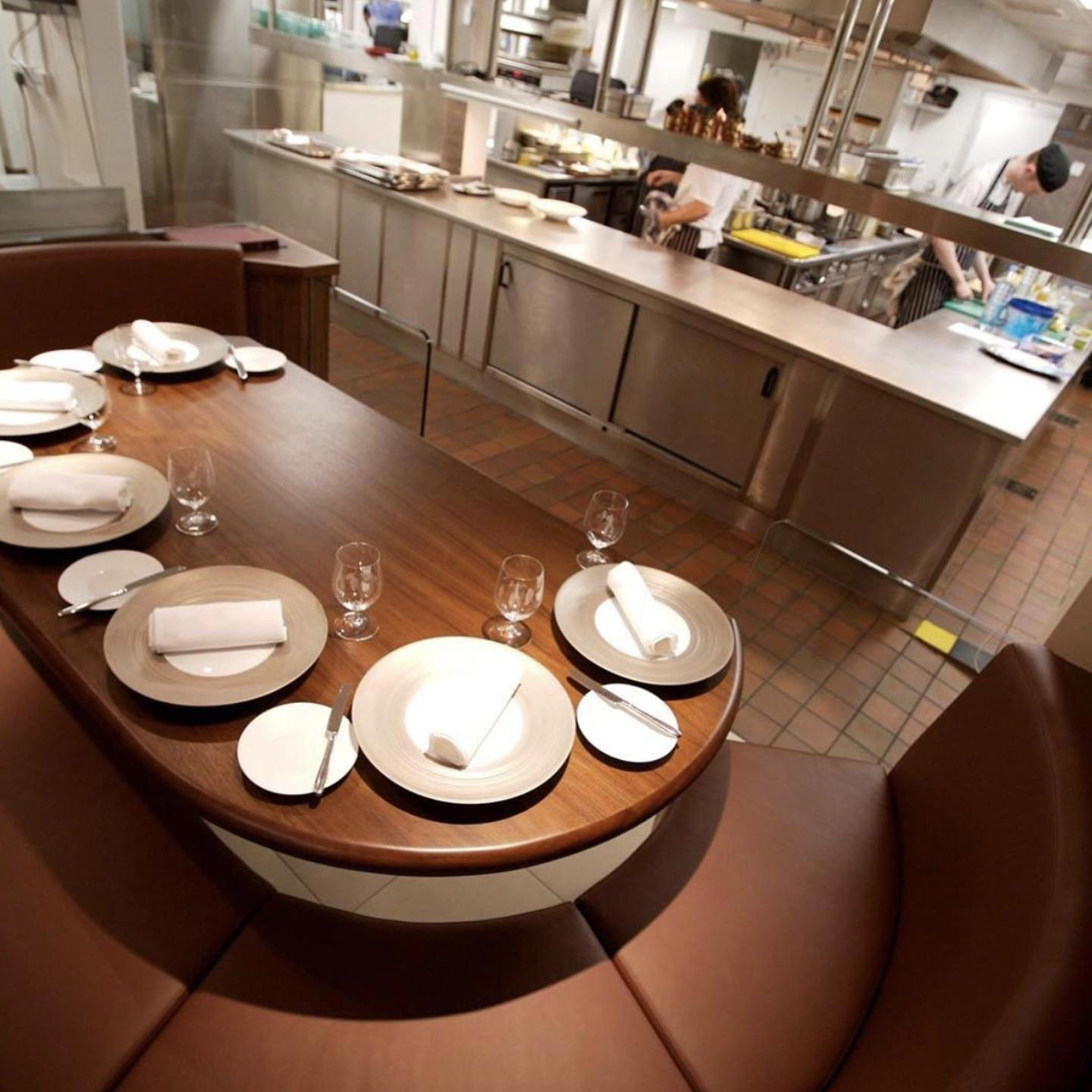
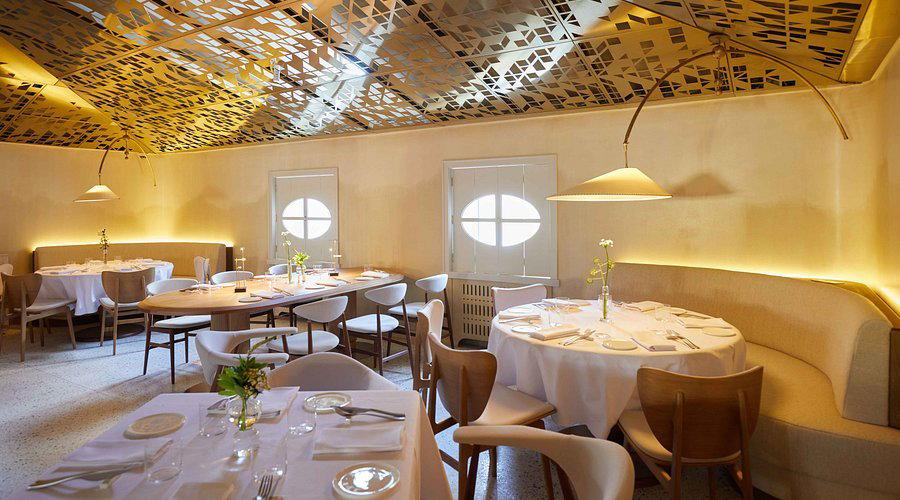
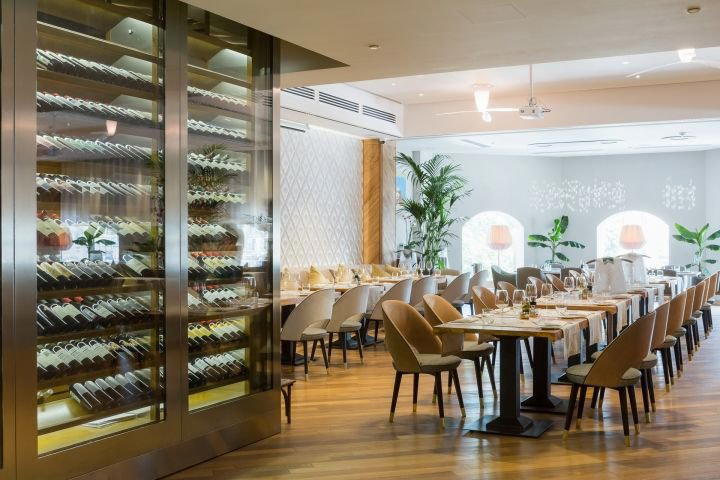
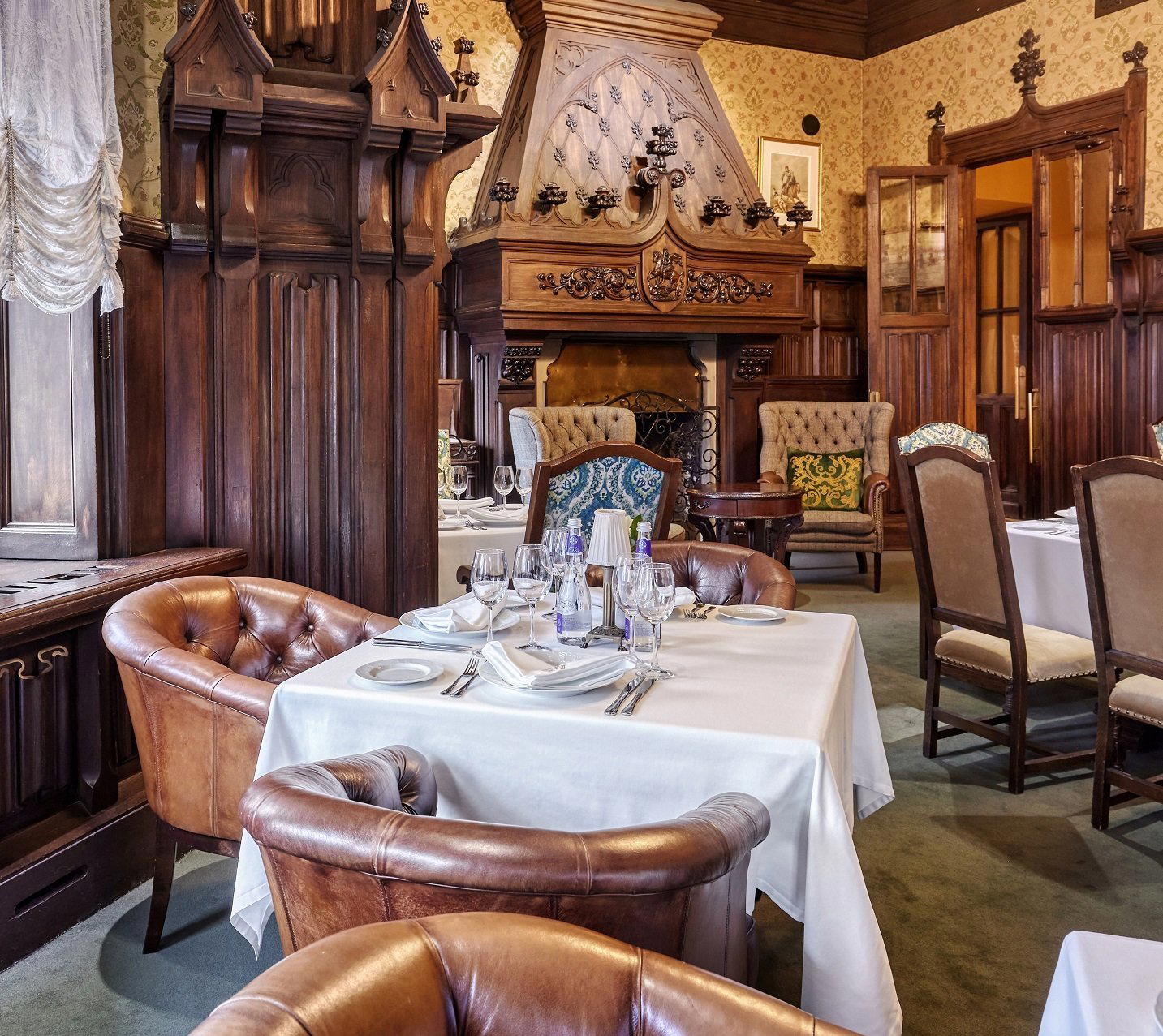
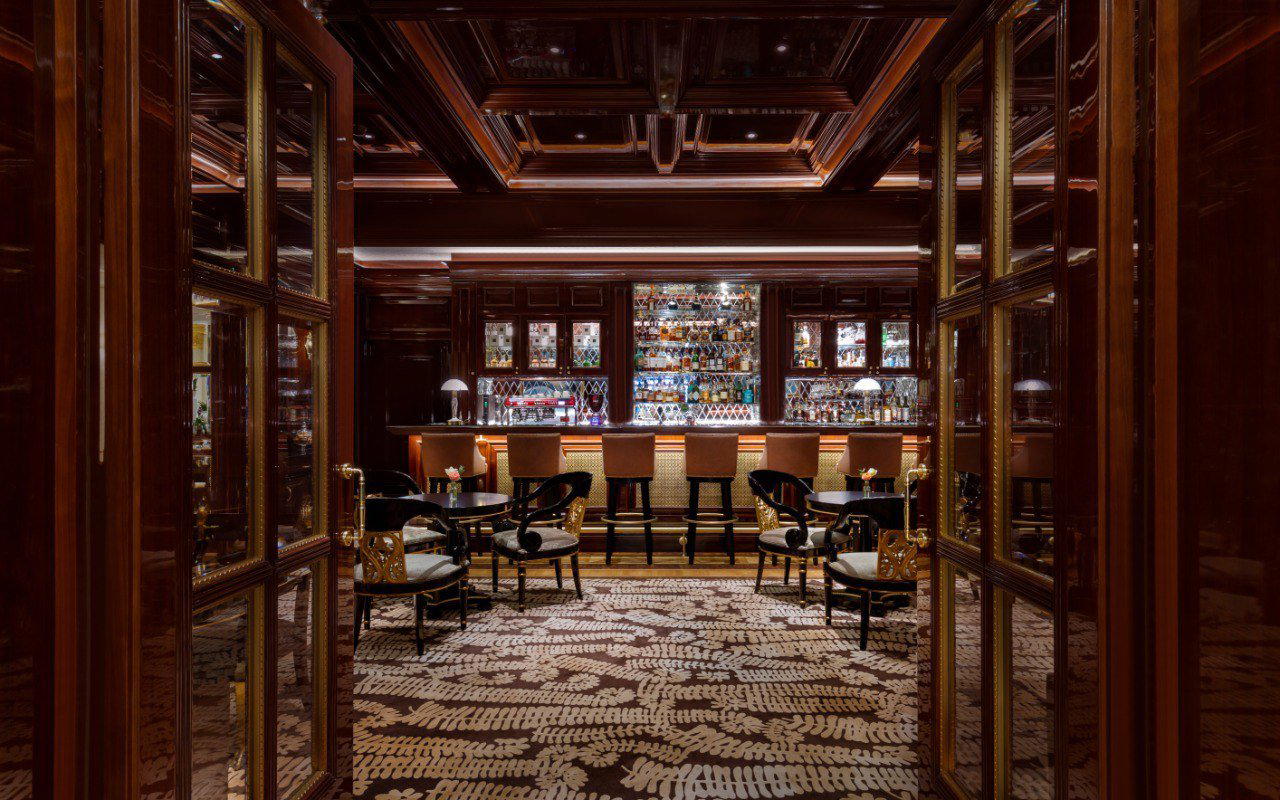
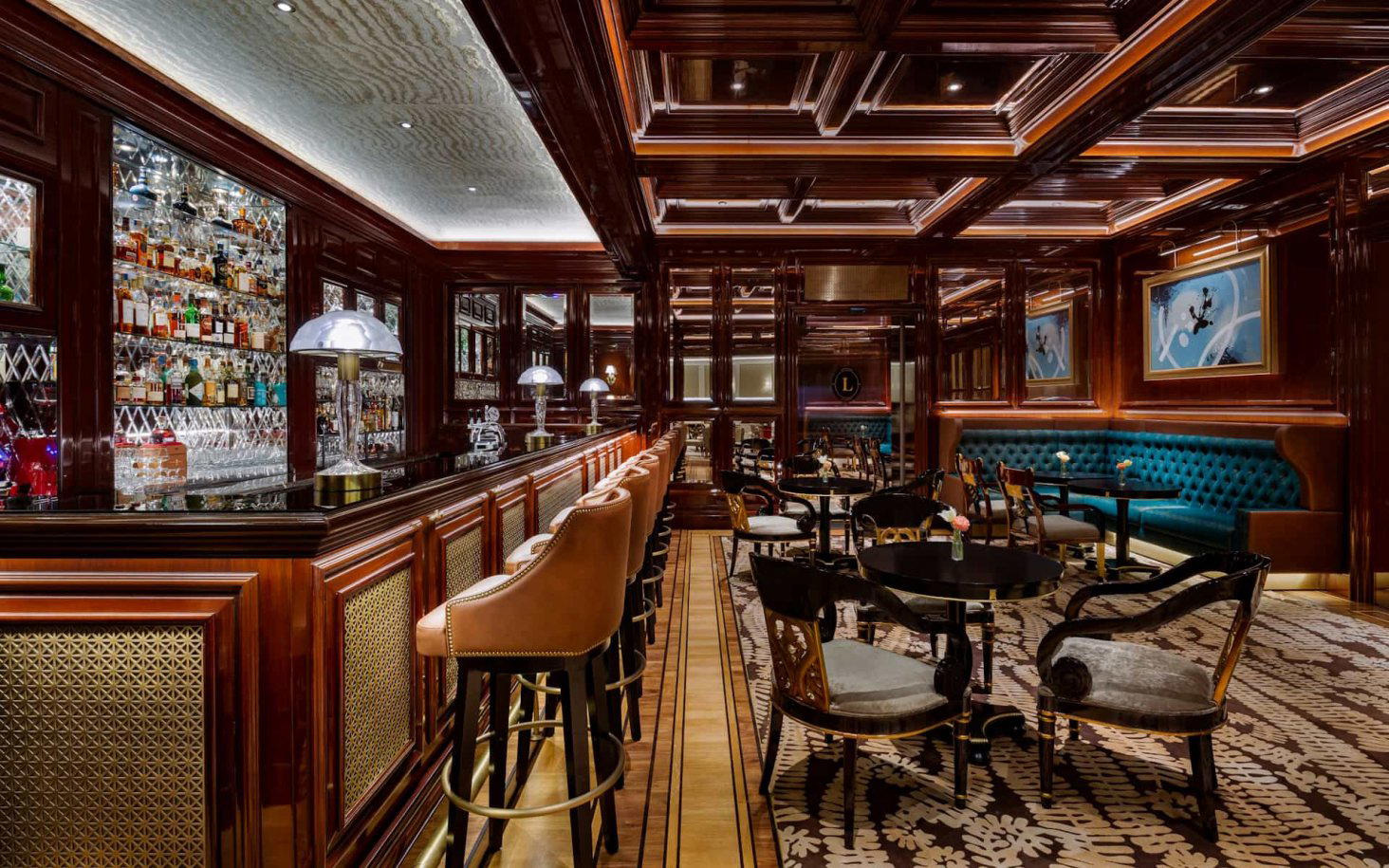
Bistro interiors in this price tier tend to rely on materials that age visibly and honestly: worn timber, zinc or marble countertops, bare or lightly dressed tables, lighting that shifts the room's character decisively between lunch and dinner service. The acoustic signature matters as much as the visual one. The French bistro archetype has always been a noisier proposition than its fine-dining peers, conversation carrying across the room rather than being absorbed by upholstery, the kitchen audible in ways that signal activity rather than concealment. Moscow interpretations of this format vary: some lean into the original noise and density, others quiet it down for a local clientele that associates lower decibels with higher seriousness. Where Bistrot sits on that spectrum is worth assessing on arrival, since the room's atmosphere sets the frame for everything that follows.
For a city that winters as hard as Moscow does, the seasonal sensory experience of a bistro shifts meaningfully between months. From November through March, the contrast between the cold outside and a warm interior becomes part of the experience's texture, the condensation on windows and the smell of a working kitchen functioning as signals that the space is genuinely heated and genuinely occupied. By late spring, when Moscow restaurants begin using their exterior spaces and the city's mood lifts noticeably, the same room reads differently. If Bistrot's address permits any courtyard or terrace access, that transition is worth timing a visit around, since the Khamovniki streets become considerably more pleasant between May and September.
Where Bistrot Sits in Moscow's Dining Conversation
Moscow's restaurant scene in 2024 is more internally differentiated than it appeared from the outside five years ago. At the summit of the recognisability scale, addresses like White Rabbit (Modern Russian) and Twins Garden (Modern European) have functioned as international reference points, the former through its World's 50 Best placement, the latter through a produce-centric approach that attracted sustained press attention. Below that tier, a denser and less internationally visible layer of neighbourhood operators has matured significantly, producing rooms that serve a well-travelled local clientele with more consistency than the headline addresses sometimes manage for first-time visitors.
The bistro sub-category occupies a specific position in this structure. It is not the place Moscow dining culture goes for occasion-marking or for the kind of menu that requires a research investment before arrival. It is the format that a regular dining public returns to weekly, the address that earns loyalty through reliability rather than spectacle. Accenti and Aist occupy adjacent territory in Moscow's mid-range European-inflected tier, as does Varvary (Russian Cuisine) at a slightly more formal register.
For readers arriving from other Russian cities, the comparison set expands. COCOCO Bistro in Saint Petersburg and Birch in St. Petersburg represent how the bistro and casual-contemporary format has developed in Russia's second city, while Bourgeois Bohemians in Sankt-Peterburg operates in a comparable neighbourhood-anchored register. Further afield, Leo Wine and Kitchen in Rostov and SEASONS in Kaliningrad show how the European bistro template has travelled into regional Russian markets with varying degrees of adaptation. Even outside Russia, the format finds expression in different registers: Le Bernardin in New York City demonstrates how French culinary precision operates at the highest formal level, while Lazy Bear in San Francisco shows a more convivial, counter-format approach to serious cooking.
Planning a Visit
The Khamovniki address places Bistrot within walking distance of the Moscow River embankment and a short taxi or metro ride from the central ring. For visitors staying closer to the Arbat or Garden Ring, the journey is direct. Booking is recommended, and the room keeps daily lunch-to-midnight hours, so confirming details directly before arrival remains sensible. The bistro format in Moscow generally operates a lunch and dinner service, with weekend lunch often drawing a different, more leisurely crowd than weekday dinner. If the room is small, as the building's courtyard addressing suggests it may be, walk-in availability during peak hours on Friday or Saturday evenings is unlikely to be reliable. Contacting the venue to confirm reservation practice before making the journey from elsewhere in the city is the practical baseline.
Across Russia's wider dining scene, addresses like Restaurant Baran-Rapan in Sochi, Tsarskaya Okhota in Zhukovka, La Colline in Bolshoye Sareyevo, Primorskiy Prospekt, 72 in Staraya Derevnya, and Alanskaya Kukhnya in Krasnodar illustrate how regional Russian dining has diversified well beyond the Moscow and St. Petersburg axis.
Comparable Spots
Comparable venues nearby, for context on price, style, and recognition.
| Venue | Cuisine | Price | Notes |
|---|---|---|---|
| BistrotThis venue — the venue you are viewing | Italian Bistro (Tuscany-inspired) | $$ | Not listed |
| Officina | Authentic Italian | $$ | Boulevard Ring |
| Probka | Classic Italian with Pizza | $$ | Tsvetnoy Boulevard |
| Pinzeria by Bontempi | Italian Pinsa Romana | $$ | Boulevard Ring |
| Accenti | Italian Seafood Trattoria | $$$ | Ostozhenka-Golden Mile |
| La Bottega Siciliana | Sicilian Italian | $$$ | Boulevard Ring |
At a Glance
- Cozy
- Elegant
- Late Night
- Terrace
Current opening hours
- Monday
- 12 PM–12 AM
- Tuesday
- 12 PM–12 AM
- Wednesday
- 12 PM–12 AM
- Thursday
- 12 PM–12 AM
- Friday
- 12 PM–12 AM
- Saturday
- 12 PM–12 AM
- Sunday
- 12 PM–12 AM
Hours can change for holidays and private events. Last verified .
Cozy yet luxurious atmosphere with polished service.