On Tverskoy Boulevard in central Moscow, Cafe Pushkin occupies a 19th-century mansion dressed as a pre-revolutionary apothecary and library. The kitchen works from a canon of Russian imperial cuisine, blinis, cold-smoked fish, game dishes, that positions it firmly in Moscow's heritage-dining tier, distinct from the modern Russian movement reshaping the city's restaurant scene.
Pearl is the En Primeur Club membership app — saves, bookings, and concierge access live there. Same editors, same standards.
- Address
- Тверской бул., 26а (Тверская ул.), 125009, Москва
 Saves & bookings on Pearl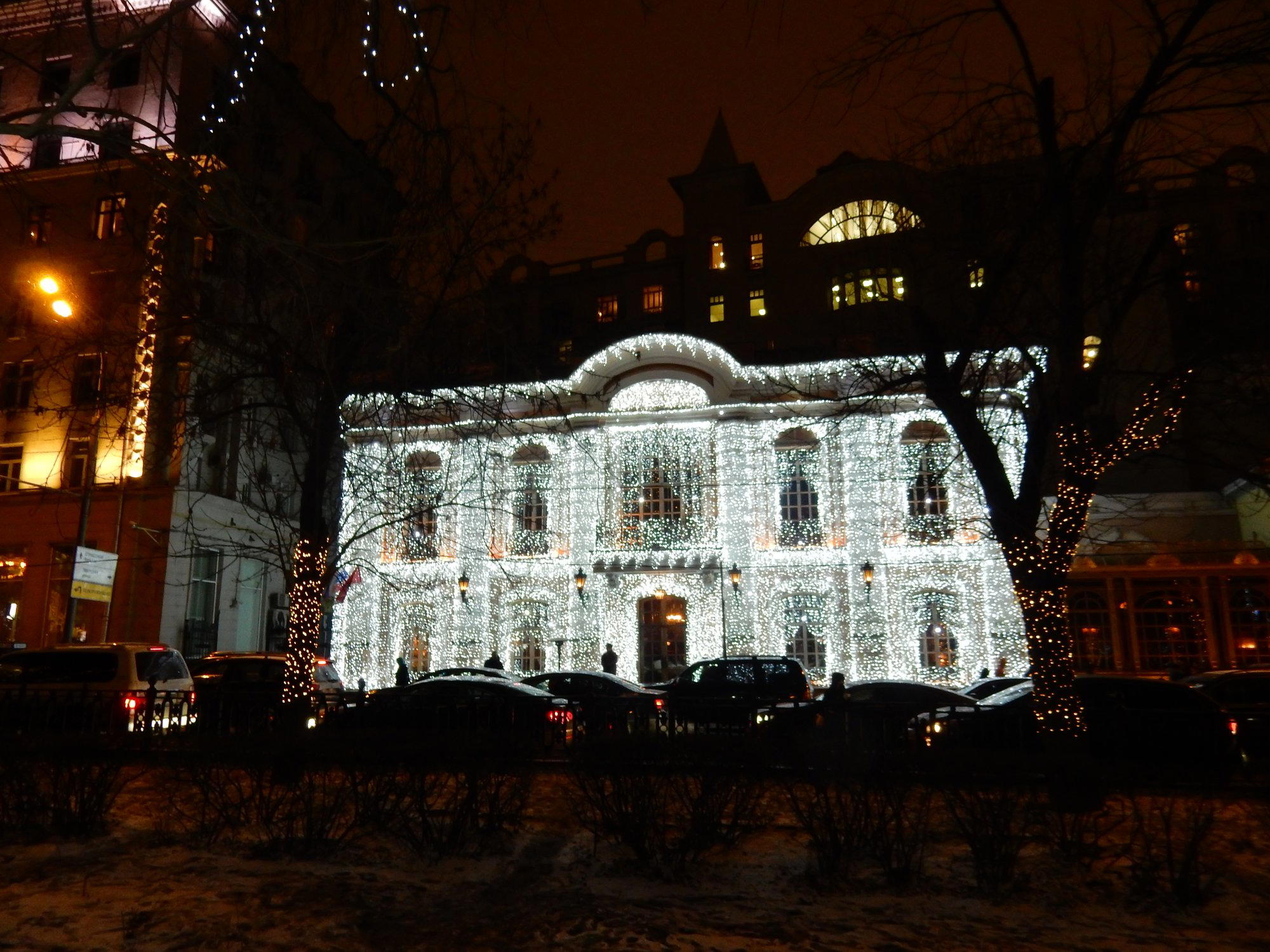
Tverskoy Boulevard and the Question of Russian Culinary Memory
Along Tverskoy Boulevard, one of Moscow's oldest and most architecturally layered promenades, a particular kind of restaurant has survived every wave of culinary fashion since the 1990s: the one that looks backward rather than forward. Cafe Pushkin, at number 26a, belongs to that category, a dining room assembled to evoke the cultured household of 19th-century Russia, complete with faux-aged bookshelves, carved wooden fixtures, and staff dressed in period costume. This is not accidental nostalgia. The format was constructed to embody a romantic, literary vision of pre-Soviet Russian hospitality. The building was never an actual 19th-century apothecary or nobleman's residence; it was designed to look like one. That distinction matters when understanding what the restaurant is actually selling.
Moscow's heritage-dining tier operates almost independently from the city's contemporary restaurant movement. Where venues like Twins Garden in Moscow use modern European technique as a framework and source produce with agronomic precision, and where White Rabbit has made modern Russian cooking into an internationally recognized format, places like Cafe Pushkin hold ground in a different register entirely. The proposition is cultural immersion in a curated, theatrical past, and for a significant portion of Moscow's dining public, as well as international visitors arriving in the city for the first time, that proposition has real purchase.
The Logic of Imperial Sourcing
Russian imperial cuisine, the tradition Cafe Pushkin draws on most visibly, was never a locavore project in the contemporary sense. It was, however, deeply ingredient-specific in ways that get obscured by the theatrical setting. The canon includes Caspian sturgeon and its roe, cold-smoked river fish, buckwheat prepared in ways that bear no resemblance to a health-food bowl, game birds from Russia's northern forests, pickled and fermented vegetables across seasonal cycles, and dairy preparations, smetana, tvorog, various cultured creams, that form a quiet backbone to much of the savory menu.
In 2024, sourcing those ingredients authentically is not direct. Sturgeon farming in Russia has expanded in the post-Soviet period, but the relationship between farmed and wild caviar, between heritage breeds and commercial stock, is one that shapes the quality ceiling at any restaurant working in this tradition. The same applies to game: whether the venison or grouse on a given menu comes from managed Russian estates or from commodity suppliers is a distinction that matters to anyone paying close attention to flavor. Cafe Pushkin's menu has long featured these categories, and the restaurant occupies a price tier, broadly in the upper-mid to premium range by Moscow standards, that implies ingredient quality at least consistent with the heritage format it projects.
For comparison, consider how Russian sourcing questions play out elsewhere in the country. Restaurant Baran-Rapan in Sochi works the Black Sea fish tradition with evident regional sourcing logic. Alanskaya Kukhnya in Krasnodar roots itself in Ossetian and North Caucasian pantry traditions. Kazbek applies Georgian ingredient traditions to a Moscow context. Each of these represents a different answer to the question of what Russian-adjacent sourcing looks like when taken seriously. Cafe Pushkin's answer is the imperial pantry, specific, expensive, and tied to a geography that spans the country's breadth.
What the Room Tells You
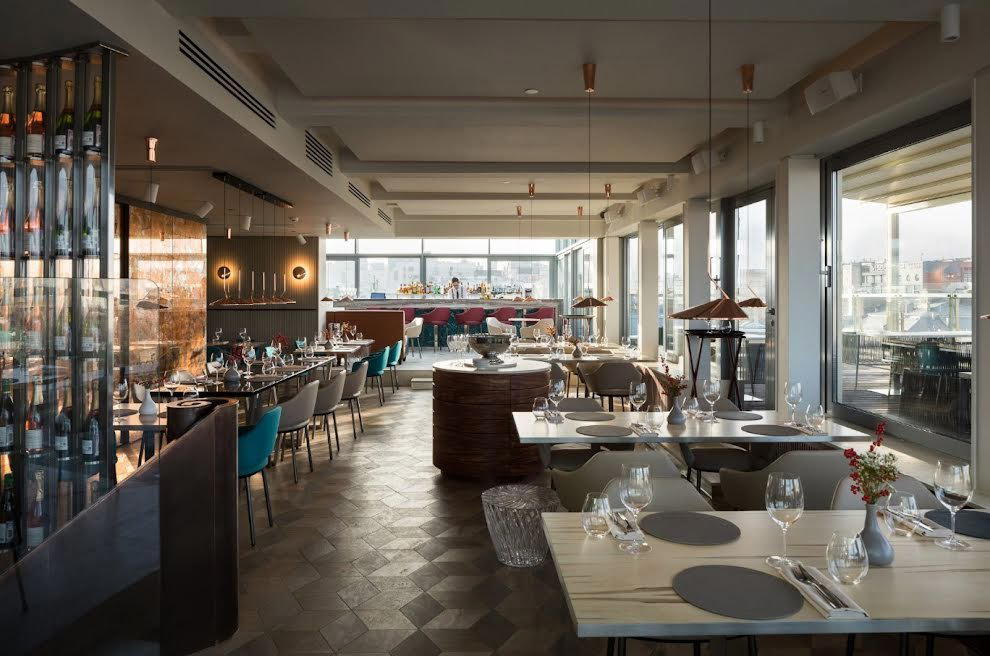
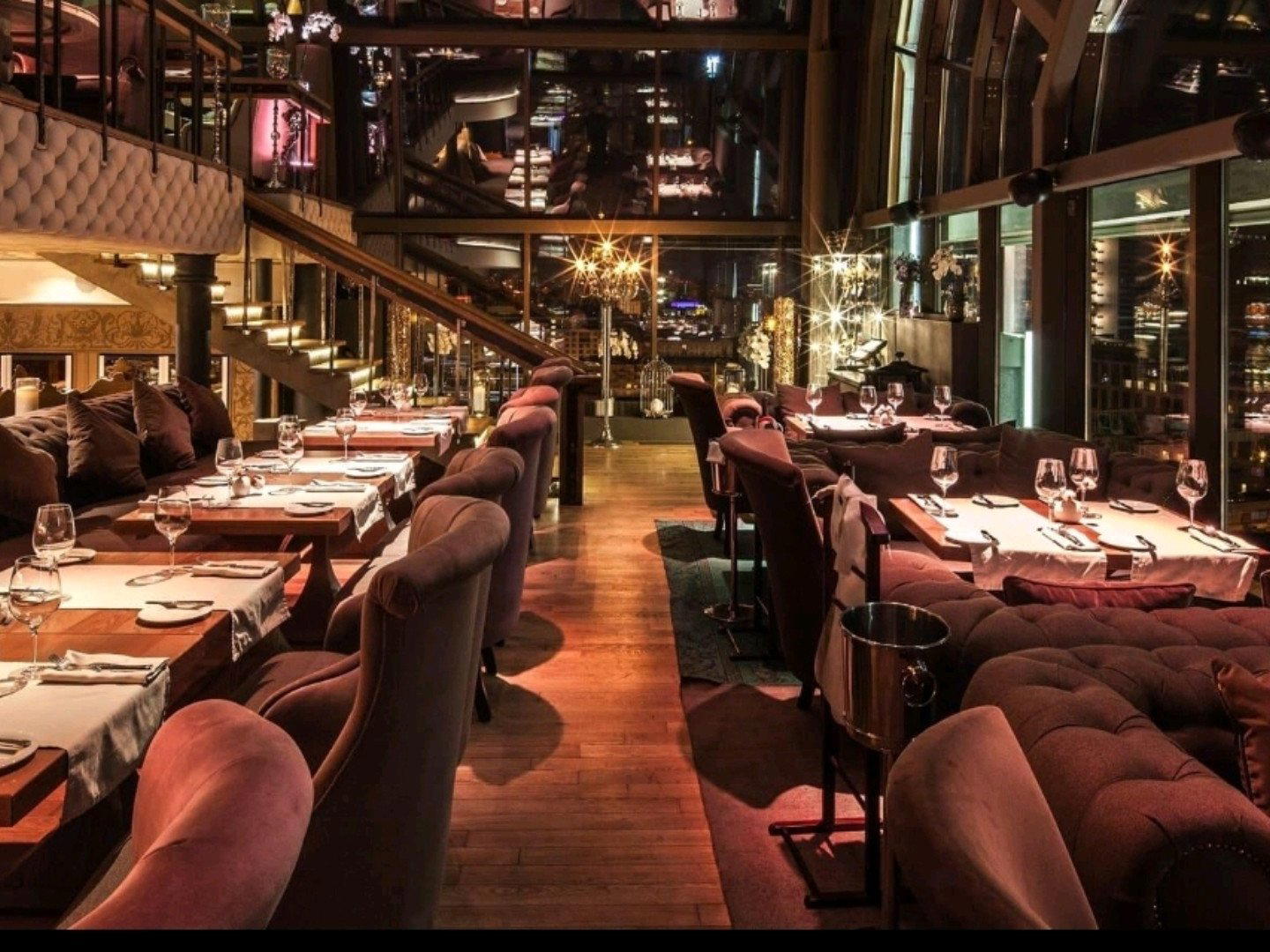
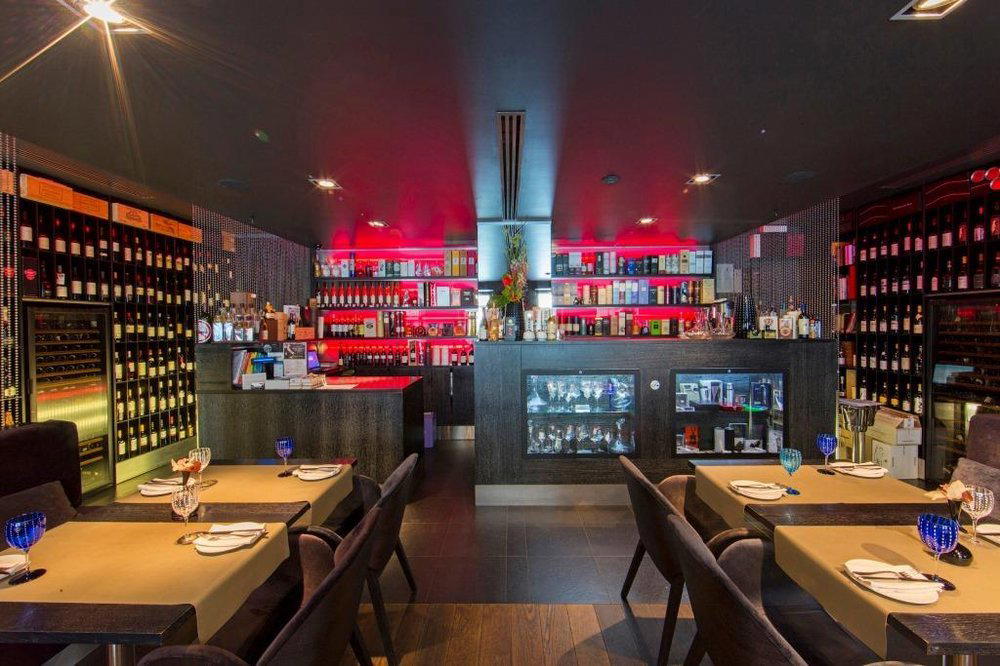
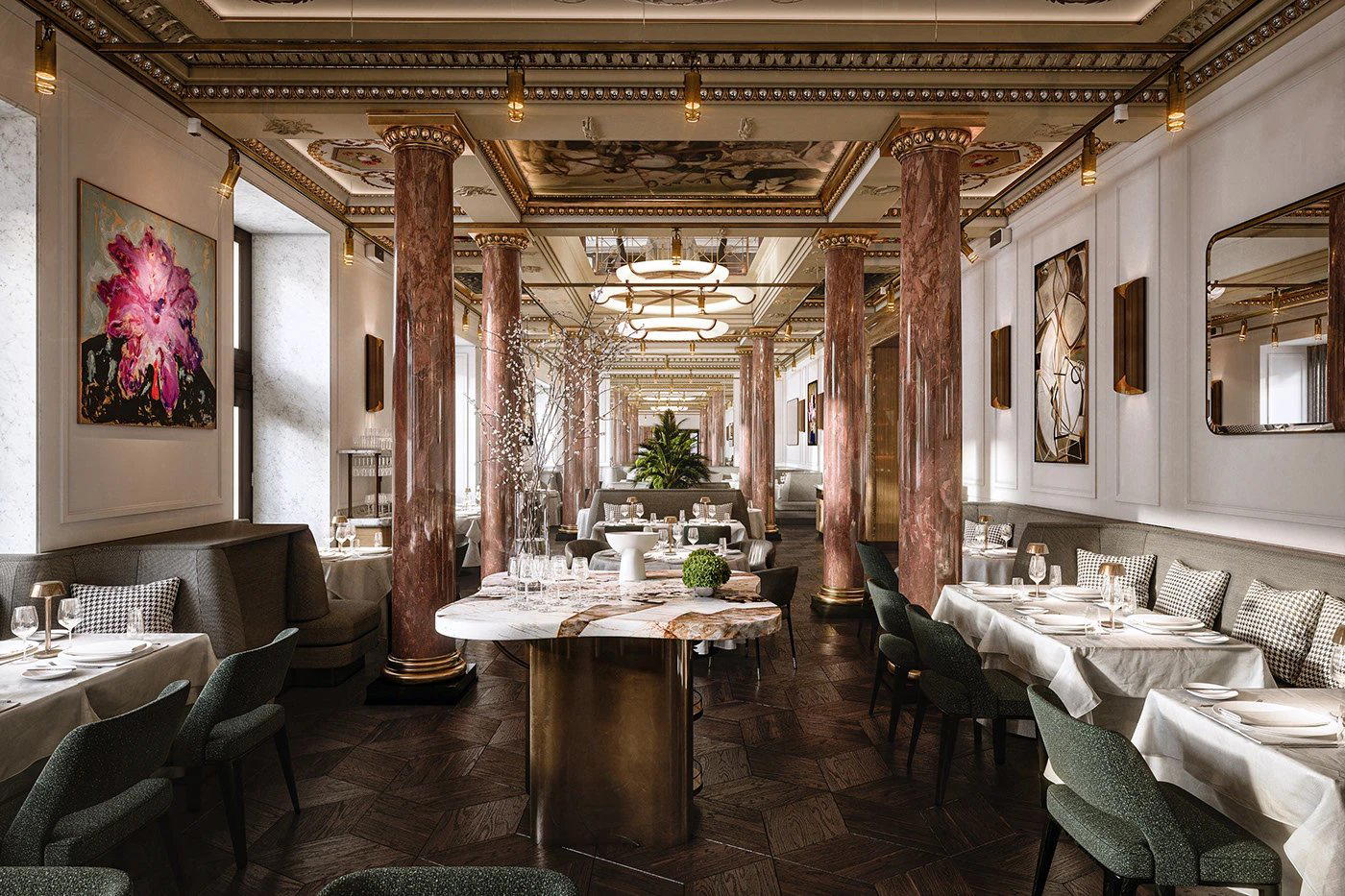
The interior operates on multiple floors, each dressed differently: a pharmacy-turned-dining-room on the ground level, a library floor above, a rooftop used seasonally. The layering of the space is part of the experience. Guests who arrive expecting a direct restaurant and encounter instead a set-designed 19th-century building may find the experience either delightful or unsettling. The theatricality is not incidental, it's the context within which the food is meant to be read.
Moscow's restaurant culture has long run a parallel track between international-facing modernity and this kind of deeply local, historically rooted format. The city's dining scene sits within a broader Russian pattern worth mapping: Bourgeois Bohemians in Sankt-Peterburg works a Russian-European hybrid register with considerable sophistication; COCOCO Bistro in Saint Petersburg has built a strong reputation for reinterpreting Soviet-era and Russian vernacular food. Birch in St. Petersburg and Astoria Cafe in Saint Petersburg operate in the heritage-adjacent tier that Cafe Pushkin has inhabited for over two decades. That these conversations are happening simultaneously in Moscow and St. Petersburg indicates how alive the question of Russian culinary identity remains across the country's geography.
Where It Sits in the Moscow Dining Picture
Cafe Pushkin is not in competition with the city's contemporary fine-dining addresses. It doesn't need to be. Its comparable set is a smaller group of Moscow restaurants that sell a version of Russian cultural heritage, places where the experience of visiting Russia, for someone who has read Tolstoy or Chekhov or arrived with a formed literary image of the country, can feel confirmed by a dining room. That is a specific and limited brief, but it is one the restaurant has executed with consistency for over twenty-five years.
For international visitors building a first Moscow itinerary, or for anyone wanting to understand the imperial Russian table as a culinary reference point rather than a contemporary statement, Cafe Pushkin anchors that conversation. Those looking for the city's modern edge will find more productive ground at venues like Twins Garden or in the broader arc mapped in our full Москва restaurants guide. For visitors curious about the range of approaches being taken to Russian ingredients and traditions across the country, the contrast with Leo Wine & Kitchen in Rostov, La Colline in Bolshoye Sareyevo, or Primorskiy Prospekt, 72 in Staraya Derevnya is instructive. International fine-dining parallels in the heritage-meets-modernity space can be drawn with venues like Le Bernardin in New York City or Lazy Bear in San Francisco, both of which have built lasting identities through consistent execution of a specific culinary proposition over many years.
The address on Tverskoy Boulevard is within easy reach of Tverskaya metro station, making it one of the more convenient central Moscow dining addresses. Reservations are essential.
Fast Comparison
Comparable venues nearby, for context on price, style, and recognition.
| Venue | Cuisine | Price | Notes |
|---|---|---|---|
| Cafe Pushkin (Кафе Пушкинъ) | Russian Noble Cuisine | $$$$ | Tverskoy |
| Savva | Modern Russian Fine Dining | $$$$ | Tverskoy |
| Ikra | Modern Russian Gastrotheatre | $$$ | Moscow City |
| Semifreddo | Authentic Sicilian-Italian Fine Dining | $$$$ | District Central (TsAO) |
| Turandot | Pan-Asian Fine Dining | $$$$ | Boulevard Ring |
| Красота - Krasota | Modern Russian Gastro-Theater | $$$$ | Boulevard Ring |
At a Glance
- Classic
- Elegant
- Cozy
- Well Known
- Sophisticated
- Ornate
- Special Occasion
- Date Night
- Business Dinner
- Celebration
- Historic Building
- Extensive Wine List
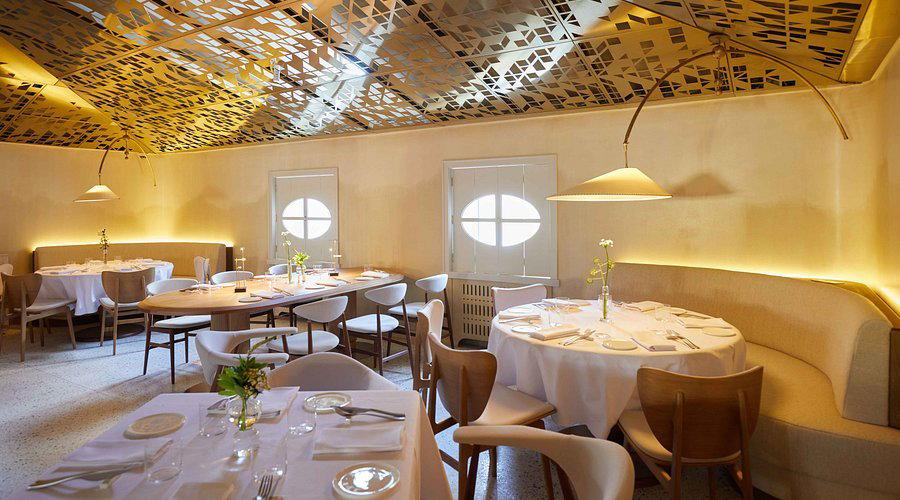
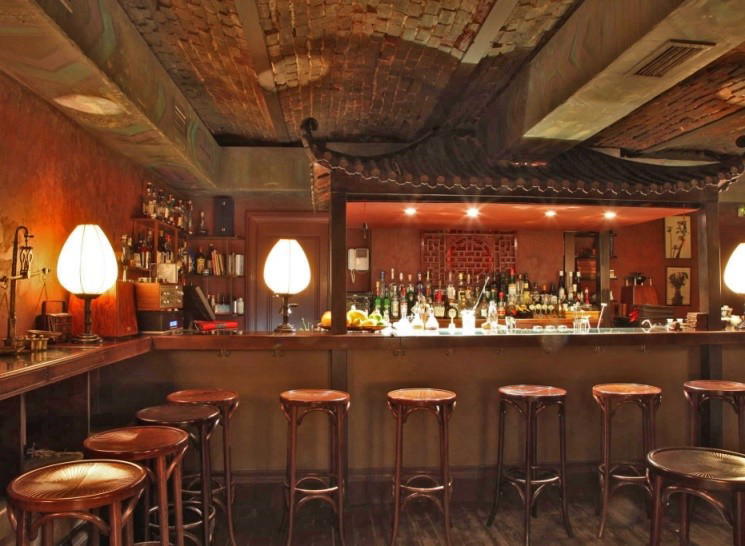
Ornate historical ambiance of a noble mansion with recreated 18th-19th century interiors, candlelit elegance, and classical music on weekends.