On Sretenka Street, one of central Moscow's most characterful thoroughfares, Kitayskaya Gramota occupies a position in the city's broader movement toward Chinese cuisine reinterpreted through Russian sourcing and continental technique. The address puts it within reach of the Garden Ring's dining corridor, where international culinary references meet locally grown produce in ways that have reshaped Moscow's mid-to-upper restaurant tier over the past decade.
Pearl is the En Primeur Club membership app — saves, bookings, and concierge access live there. Same editors, same standards.
- Address
- Ulitsa Sretenka, 1, Moscow, Russia, 107045
- Phone
- +7 495 625-47-57
- Website
- chinagramota.ru
- Directions
- Get directions
 Saves & bookings on Pearl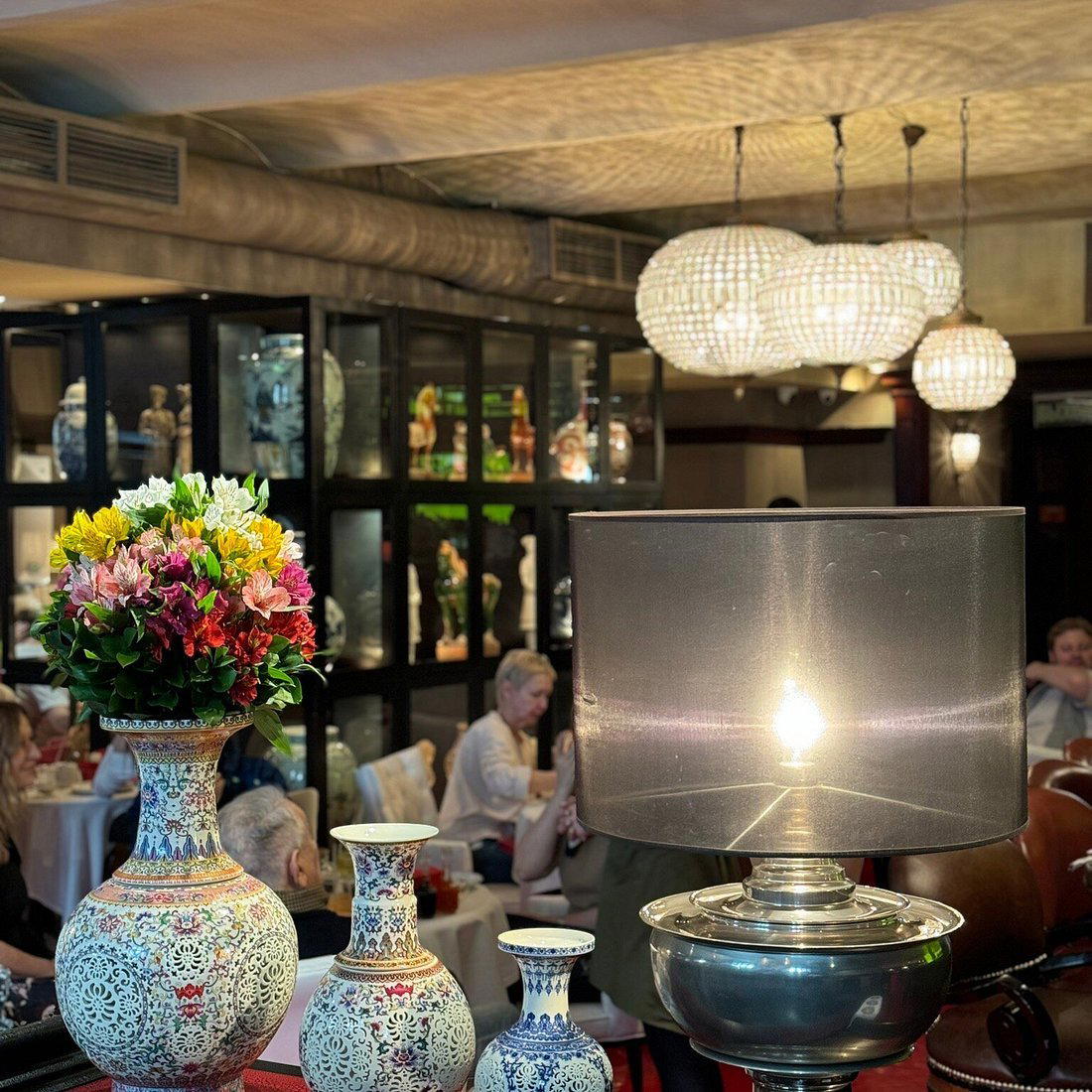
Sretenka's Appetite for the Unfamiliar
Moscow's relationship with Chinese cuisine has rarely been direct. For most of the post-Soviet period, the city's Chinese restaurants operated in one of two registers: cheap and utilitarian, or expensively theatrical but culinarily thin. What changed, gradually and then with some momentum through the 2010s, was the arrival of a more technically serious approach, one that drew on training lineages from Hong Kong, Shanghai, and Beijing while insisting on Russian primary produce wherever the kitchen could justify it. Kitayskaya Gramota, at Ulitsa Sretenka 1, is an Authentic Cantonese Chinese restaurant in Moscow. It sits inside that shift. The address is telling: Sretenka is one of central Moscow's more lived-in streets, running north from Turgenevskaya metro through a mix of pre-revolutionary architecture and contemporary retail, a corridor that attracts residents as much as destination diners.
The Technique Question in Russian-Chinese Cooking
The editorial angle worth examining here is not the restaurant itself but what it represents inside a broader Moscow pattern: the application of Chinese culinary method to ingredients sourced from Russian regions. This is, globally, a well-established model. You can trace equivalent logic in Sydney's Cantonese kitchens using Victorian lamb, or in London's Sichuan restaurants drawing on British-farmed duck. The specific tension in Moscow is that Russian ingredient culture, cold-weather produce, river fish, game from Siberian suppliers, fermented dairy traditions, does not map neatly onto the flavour grammar of most Chinese regional cuisines. Where it works, it tends to produce something genuinely new rather than either a faithful reproduction or a confused fusion. Where it struggles, the seams show in dishes that taste neither Russian nor Chinese in any satisfying way.
For reference, the Moscow restaurants that have navigated this kind of cross-cultural technical ambition most credibly tend to be those with clearly defined sourcing philosophies and kitchen leadership trained in the source cuisine. Twins Garden (Modern European) built its reputation partly on this principle, rigorous sourcing logic applied to techniques from outside Russia, and White Rabbit (Modern Russian) spent years working out which imported methods could make Russian produce sing rather than merely appear cosmopolitan. Kitayskaya Gramota operates in a different culinary register from either, but the underlying editorial question is the same: does the technique serve the ingredient, or does the ingredient simply decorate the technique?
Where Kitayskaya Gramota Sits in the Moscow Field
Moscow's restaurant field, for all its scale, has a relatively thin tier of Chinese-format restaurants operating at the level where sourcing, kitchen discipline, and room quality converge into something worth a deliberate visit. The city's serious dining spend has historically gravitated toward Modern Russian formats, Varvary (Russian Cuisine) on the more traditionally anchored end, White Rabbit and Twins Garden on the contemporary end, with European formats occupying the rest of the premium bracket. Chinese cuisine at the serious tier has had fewer standard-bearers, which means that restaurants attempting it with genuine kitchen ambition have relatively little competitive pressure from peers but also less critical infrastructure to validate them.
Ulitsa Sretenka 1 is well-positioned for this kind of positioning play. The street draws a neighbourhood demographic rather than a tourist one, which tends to reward restaurants that earn repeat visits rather than those built around a single high-impact occasion. Other addresses along Moscow's inner ring that attract a similar mix of informed locals and curious destination visitors include parts of Patriarch's Ponds, the Chistye Prudy area, and Zamoskvorechye, though Sretenka has its own particular character, less polished than Patriarch's, more residential than the Arbat corridor.
For diners building a broader itinerary around Moscow's more ambitious kitchens, Accenti and Aist offer useful reference points in adjacent price and format territory. Our full Moscow restaurants guide maps the city's dining field with more granularity than any single neighbourhood visit allows.
Seasonal Timing and the Winter Logic
Moscow's dining calendar has a pronounced winter weighting. The months between November and March drive the city's serious restaurant trade, partly because outdoor leisure options contract sharply and partly because Russian produce culture, preserved, cured, slow-cooked, peaks in cold weather. A Chinese-influenced kitchen in Moscow has particular seasonal use here: the braising techniques, the use of preserved vegetables, the emphasis on warming broths and roasted meats that characterise northern Chinese cooking traditions align well with what Russian larders actually contain in winter. A visit in January or February, when Sretenka is quieter and booking pressure tends to ease slightly, is likely to find the kitchen working with the season rather than against it. Summer visits are possible, Moscow's short warm season brings genuine outdoor energy to the Sretenka neighbourhood, but the ingredient logic is less compelling when the kitchen's strengths point toward cold-weather produce.
Diners who want to cross-reference this approach against equivalent work in other Russian cities might consider 1913 in Saint Petersburg for a comparable investment in Russian culinary history, or Made in China in St. Petersburg as an explicit point of comparison in the Chinese-in-Russia format. Further afield, Kukhterin in Tomsk and Grisha in Omsk illustrate how regional Russian cities are developing their own serious dining cultures, often with a sharper local-produce focus than Moscow's more cosmopolitan market demands. Khmeli Suneli in Yekaterinburg and Alanskaya Kukhnya in Krasnodar represent the Georgian and Caucasian thread that runs through Russian dining at every tier. Dzhani Restorani in Nizhny Novgorod and Lev I Ptichka in Saint Petersburg City offer different angles on how non-Moscow cities are carving out their own restaurant identities. Konditerskaya Kuzina in Syktyvkar and Burger Records in Novosibirsk round out a picture of Russian dining that extends well beyond the capital's gravitational pull.
For global reference points on what technically serious Chinese cooking can look like when it operates in a premium register, Atomix in New York City and Le Bernardin in New York City, while not Chinese format, illustrate the level of technical rigour and sourcing coherence that separates a restaurant with genuine kitchen ambition from one that simply charges premium prices for an imported brand identity.
Planning a Visit
Kitayskaya Gramota is at Ulitsa Sretenka 1, within walking distance of Turgenevskaya, Chistye Prudy, and Sretensky Bulvar metro stations, making it among the more accessible serious-dining addresses in central Moscow without a car. Booking in advance is advisable for weekend evenings, when Sretenka's dining foot traffic peaks. Current hours are daily 12 PM to 12 AM. Reservations are recommended, and the venue is in Ulitsa Sretenka, 1, Moscow, Russia, 107045.
Similar Picks
Comparable venues nearby, for context on price, style, and recognition.
| Venue | Cuisine | Price | Notes |
|---|---|---|---|
| Kitayskaya GramotaThis venue — the venue you are viewing | Authentic Cantonese Chinese | $$ | Not listed |
| Probka | Classic Italian with Pizza | $$ | Tsvetnoy Boulevard |
| KU: Рамен Изакая Бар | Japanese Ramen Izakaya | $$ | Moscow City |
| Bistrot | Italian Bistro (Tuscany-inspired) | $$ | Khamovniki |
| Scrocchiarella | Roman-style Pizza | $$ | Boulevard Ring |
| Doctor Zhivago | Modern Russian with Soviet Heritage | $$$ | Tverskoy District |

At a Glance
- Elegant
- Modern
- Cozy
- Date Night
- Business Dinner
- Brunch
- Open Kitchen
- Craft Cocktails
Current opening hours
- Monday
- 12 PM–12 AM
- Tuesday
- 12 PM–12 AM
- Wednesday
- 12 PM–12 AM
- Thursday
- 12 PM–12 AM
- Friday
- 12 PM–12 AM
- Saturday
- 12 PM–12 AM
- Sunday
- 12 PM–12 AM
Hours can change for holidays and private events. Last verified .
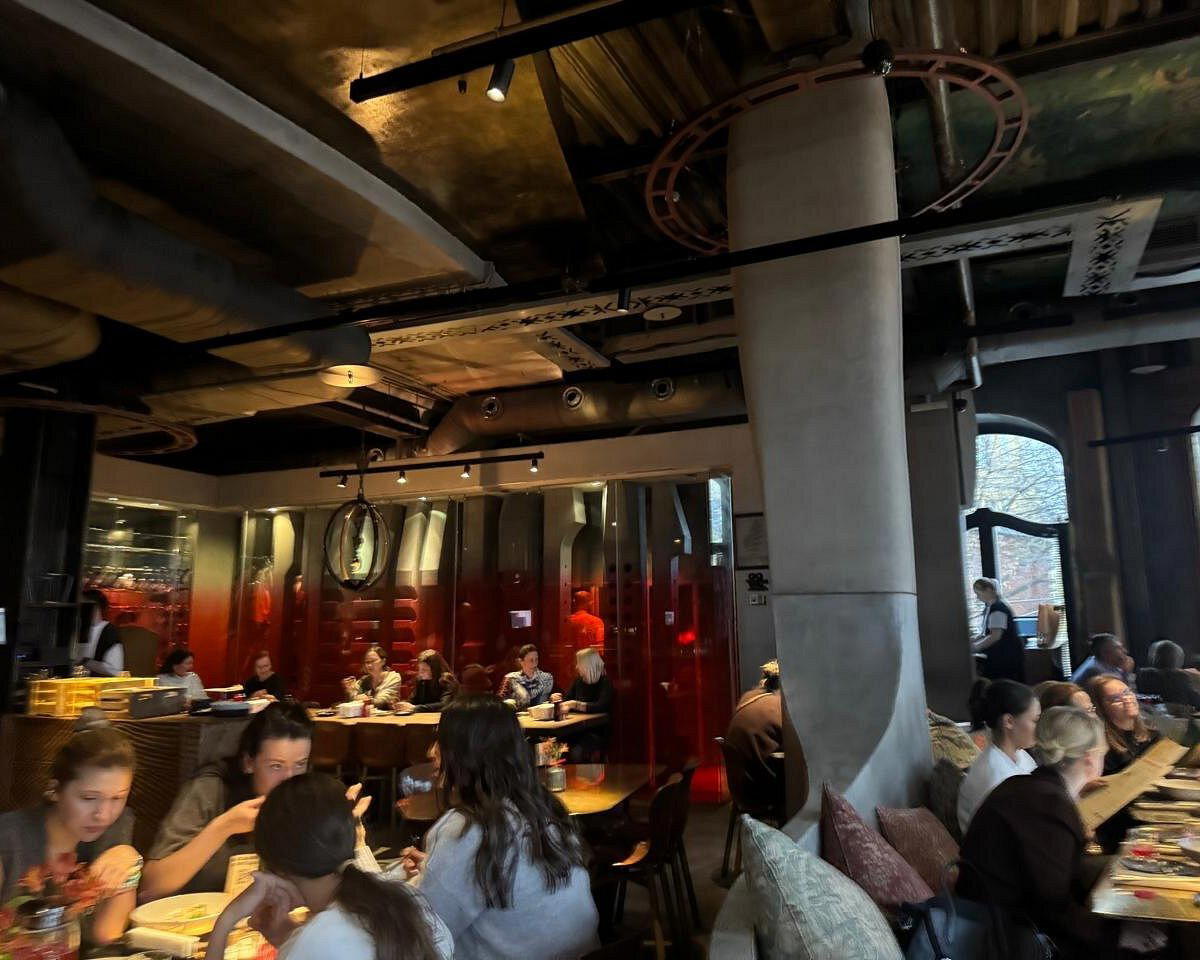
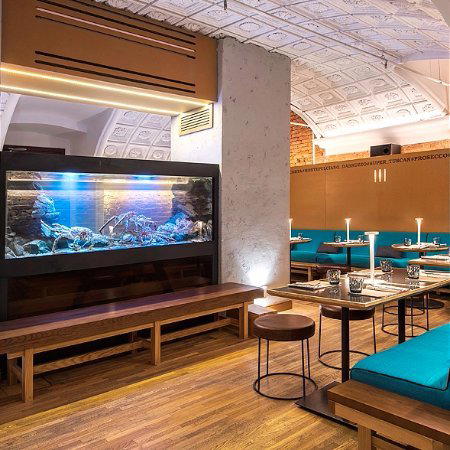
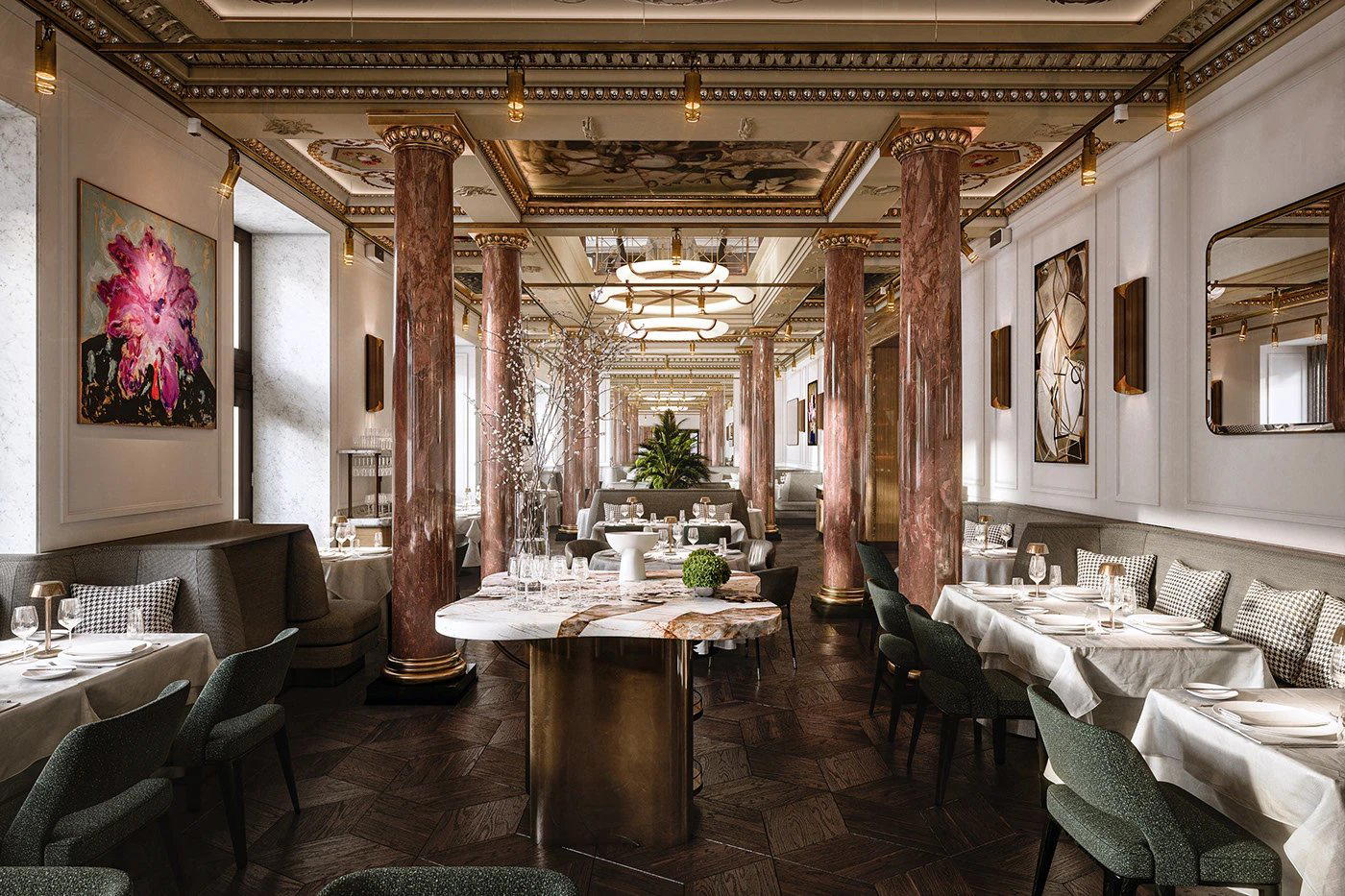
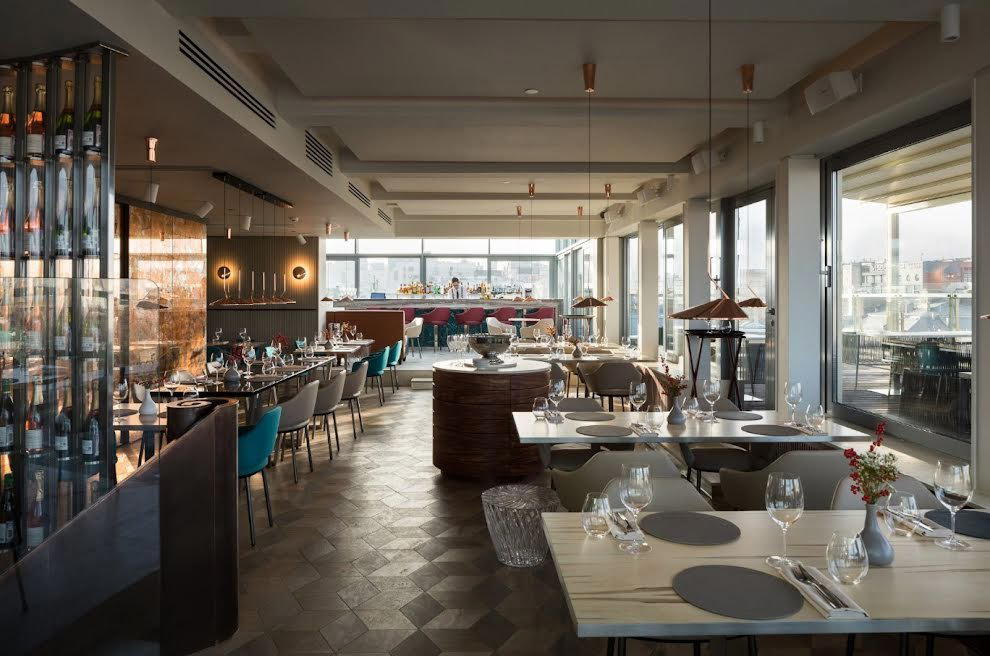
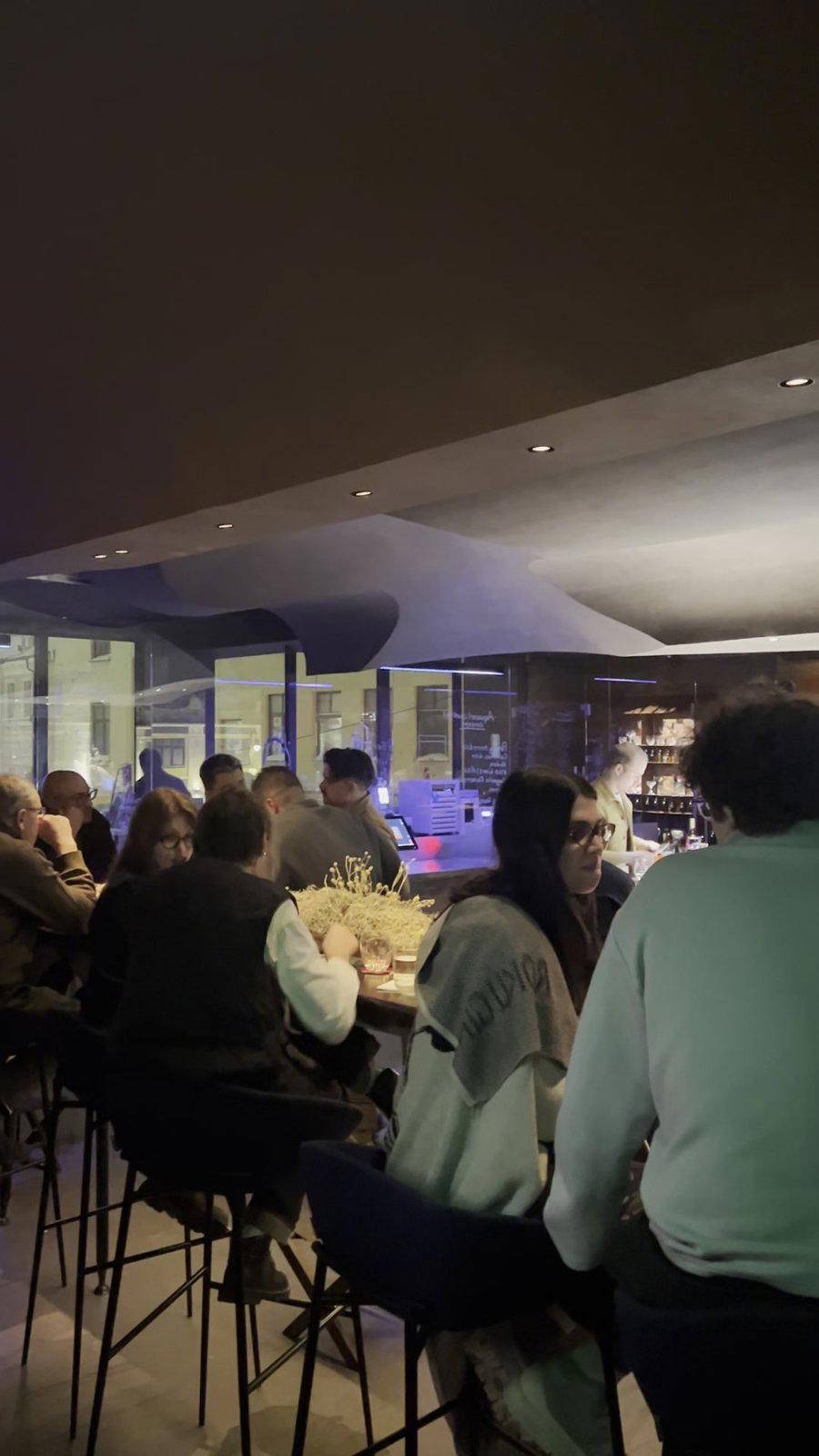
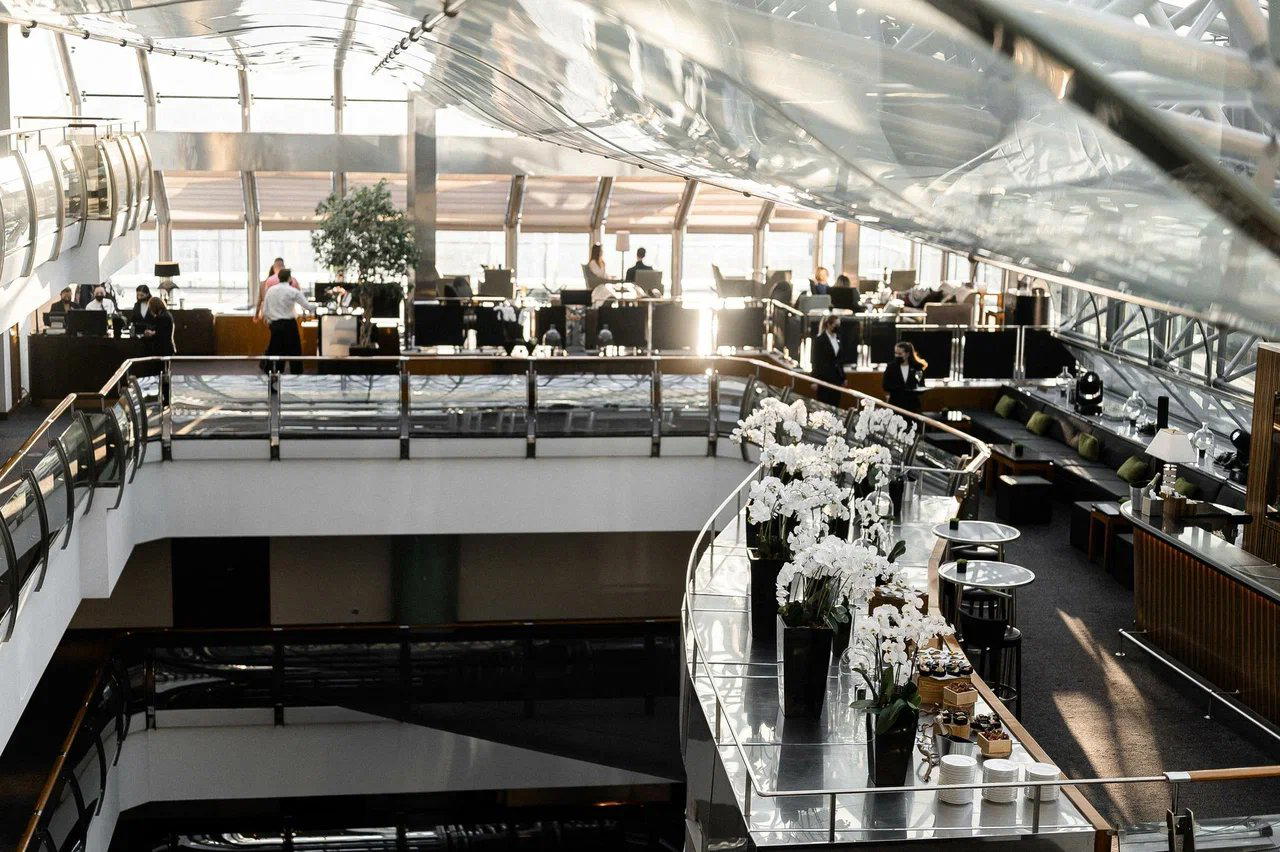
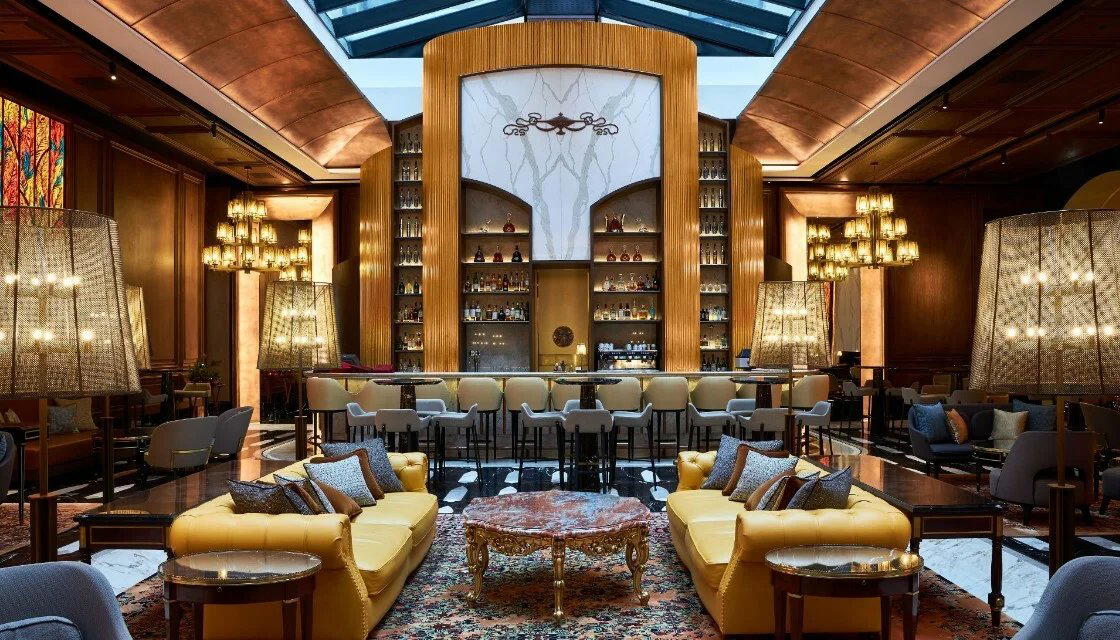
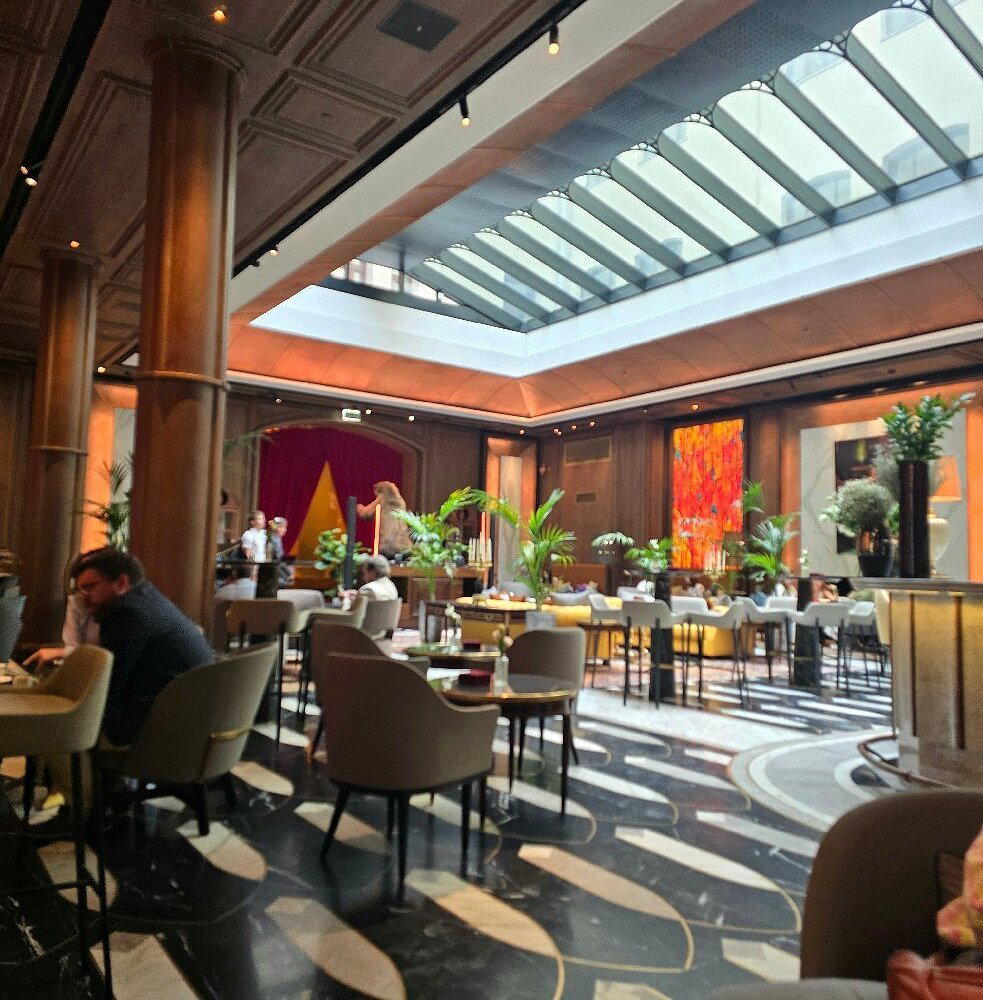
Stylish and modern with original European-style interior, cozy and elegant atmosphere.