

Grand Cru on Malaya Bronnaya occupies a specific tier in Moscow's fine dining scene: French cuisine at a mid-range price point backed by a wine list of serious depth, spanning 1,370 selections across Burgundy, Bordeaux, Tuscany, Champagne, and Spain. Recognised by La Liste 2026 with 76 points, it is one of the few Moscow addresses where the cellar is as considered as the kitchen.
Pearl is the En Primeur Club membership app — saves, bookings, and concierge access live there. Same editors, same standards.
- Address
- Malaya Bronnaya St, 22 с2, 1 Etazh, Moscow, Russia, 123104
- Phone
- +7 495 510-65-67
- Website
- grandcru.ru
- Directions
- Get directions
 Saves & bookings on Pearl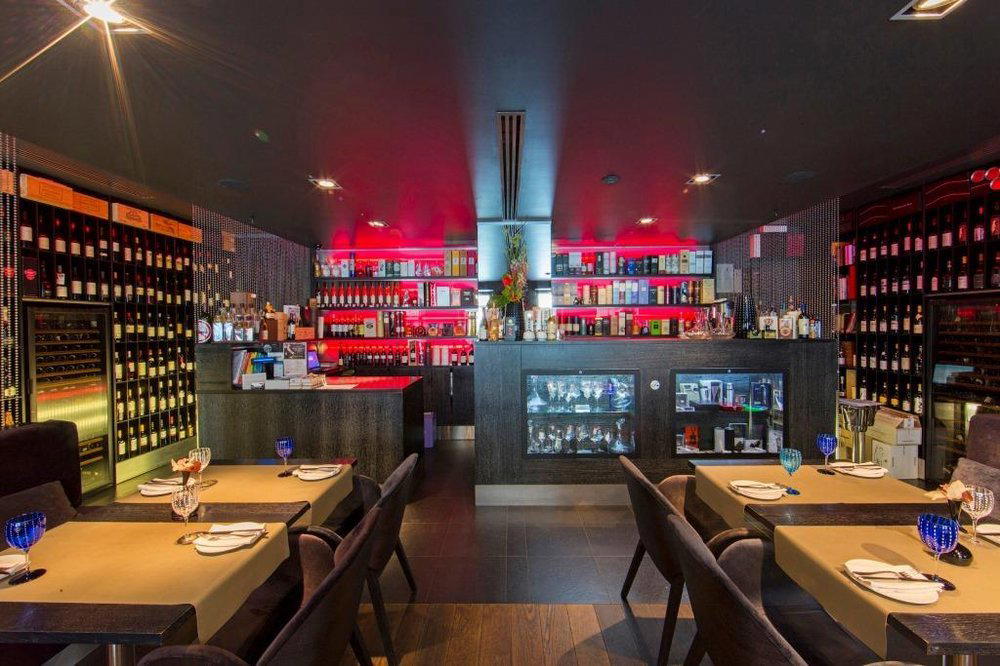
The Weight of the Wine List
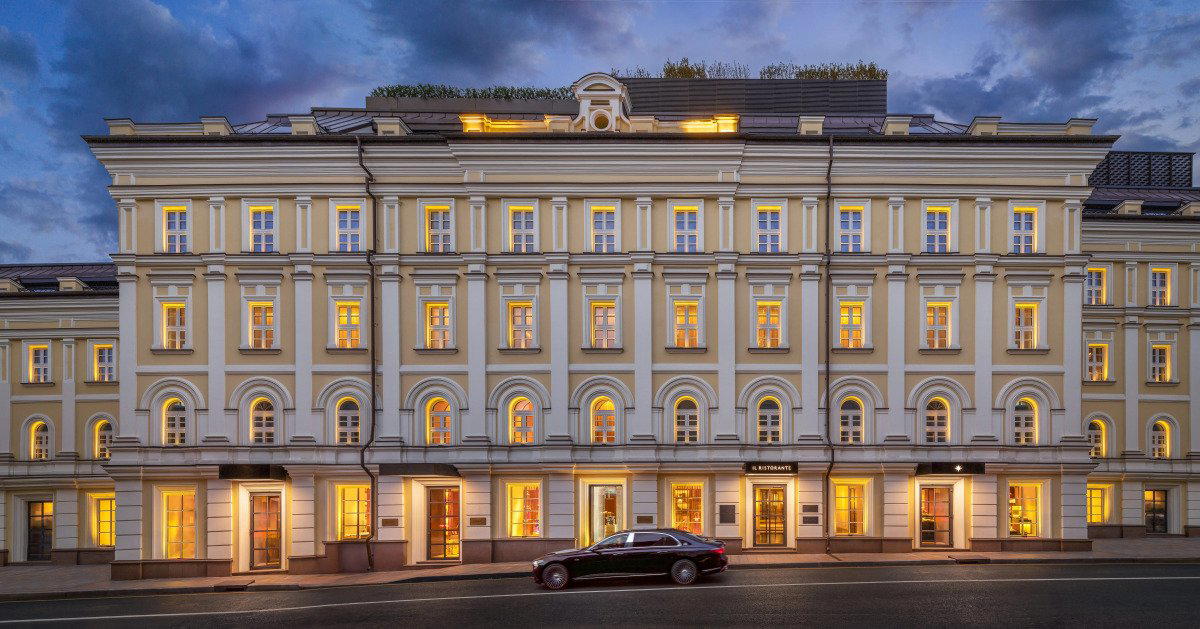
Moscow's fine dining conversation has shifted considerably over the past decade. Where the city once imported prestige wholesale, buying into Western formats wholesale, a more considered generation of restaurants has emerged: places that position a serious wine program as a structural pillar of the meal. Grand Cru, on Malaya Bronnaya Street in the Patriarch's Ponds neighbourhood, sits firmly in that tier. The address alone signals intent: this is a part of central Moscow associated with literary history, pre-revolutionary architecture, and a certain kind of quiet, knowing money. The restaurant, on the ground floor of a building at number 22, does not advertise its ambitions loudly.
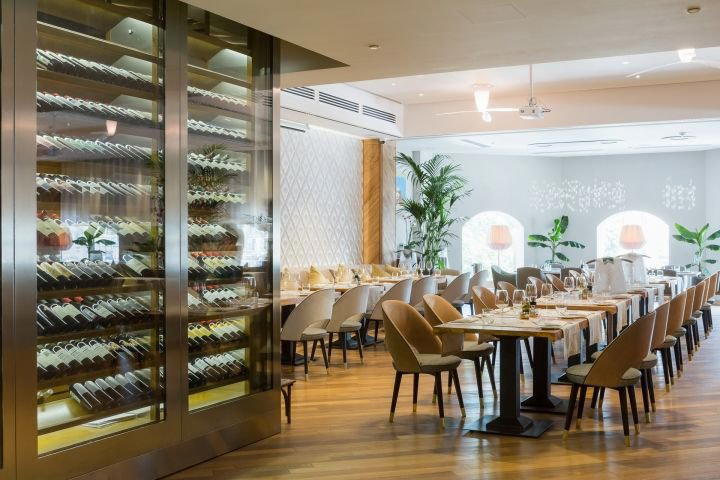
The wine list is the natural place to begin any assessment. With 1,370 selections and a physical inventory of 2,930 bottles, Grand Cru operates at a scale that puts it alongside dedicated wine destinations. The list's stated strengths, Burgundy, Bordeaux, Tuscany, broader Italy, Champagne, and Spain, map the classic European appellations that define serious cellar building. Pricing sits in the $$$$ tier, meaning many bottles clear the $100 mark. Ivan Ivanov's program reflects a deliberate alignment with producers and appellations that reward long-term cellar relationships.
The Ritual of the French Meal in a Russian Context
French cuisine in Moscow carries a complicated cultural history. It was the prestige cooking of the Tsarist aristocracy, then suppressed, then revived in the post-Soviet era with varying degrees of seriousness. The restaurants that have survived and refined this tradition tend to do one of two things: they domesticate French technique with Russian ingredients, or they maintain a relatively classical French idiom and price accordingly. Grand Cru, under Chef David Hemmerle, belongs to the second camp. The cuisine pricing sits at $$$$, meaning a typical meal runs about $80 per person before wine and tip.
The rhythm of service at a French-format restaurant of this calibre tends to follow a particular logic. Lunch and dinner are both offered, which is relevant: lunch at a wine-focused restaurant of this kind invites a different pacing from dinner. A weekday lunch, with a shorter, more focused menu, allows the wine list to be explored without the full commitment of an evening program. Dinner extends the ritual, the opportunity to work through multiple courses while Wine Director Ivanov's list is properly interrogated. The room's temperature is held between these two modes.
Moscow's upper dining tier has produced a generation of French-inflected and modern European restaurants that compete on different axes. Twins Garden operates in modern European territory with a strong local-produce emphasis. White Rabbit runs a panoramic modern Russian format. Varvary and Artest anchor the Russian cuisine end of the spectrum, while Chefs Table works the Russian fusion format. The restaurant's positioning in this field is deliberate: it does not attempt to compete on native produce or contemporary Russian identity. It competes on classical European depth, and the wine list is the clearest expression of that ambition.
La Liste Recognition and What It Signals
The restaurant's inclusion in the La Liste Leading Restaurants 2026 ranking with 76 points provides a useful calibration point. La Liste aggregates major global restaurant guides and critical sources into a composite score, which means a 76-point result reflects consistent recognition across multiple reference points rather than a single publication's enthusiasm. In Moscow's competitive context, this places the restaurant in a credible mid-upper tier: recognised, consistently performing, but not at the rarefied level of the city's most celebrated addresses. For a restaurant whose primary competitive argument is its wine program rather than a single charismatic tasting menu, that positioning makes sense. The recognition confirms serious intent without overpromising on format.
The ownership structure is relevant context here. Simple Group, under Maxim Kashirin and Anatoly Korneev, operates a portfolio of restaurants in Moscow with a record of sustained critical engagement. The restaurant benefits from that infrastructure: wine purchasing at this scale requires relationships with importers and producers that go well beyond what a single independent restaurant could typically sustain. The 2,930-bottle inventory represents significant capital commitment and a long-term view of what a wine restaurant requires to function properly.
Positioning Grand Cru Within the Broader Russian Dining Scene
Moscow is not the only Russian city developing serious restaurant culture. Birch in St. Petersburg and Bourgeois Bohemians in Sankt-Peterburg represent the northern capital's own appetite for thoughtful dining. Further afield, Leo Wine & Kitchen in Rostov and SEASONS in Kaliningrad illustrate the geographic spread of the movement, while La Colline in Bolshoye Sareyevo and Tsarskaya Okhota in Zhukovka point toward the suburban and rural registers that complement the urban fine dining scene. Within this national picture, the restaurant's Paris-leaning classical format and depth-first wine strategy occupy a distinct space that few Russian addresses attempt at this level of consistency.
Planning Your Visit
The restaurant is located at Malaya Bronnaya Street, 22 с2, 1st floor, Moscow 123104, in the Patriarch's Ponds district. The restaurant serves both lunch and dinner. Given the scale of the wine program and the considered French format, this is an address that rewards advance planning rather than a last-minute booking. Reservations are essential. Dress expectations are smart casual.
Cuisine and Credentials
Comparable venues nearby, for context on price, style, and recognition.
| Venue | Cuisine | Price | Notes |
|---|---|---|---|
| Grand CruThis venue — the venue you are viewing | Modern French Fine Dining | $$$$ | Not listed |
| Уголек - Ugolek | Modern Mediterranean Grill | $$$ | Tverskoy District |
| Ц.Д.Л. - TS.D.L. | Modern Russian | $$$ | Presnensky |
| Гусятникоff - Gusiatnikoff | Traditional Russian Fine Dining | $$$$ | Not listed |
| Confectionary Pushkin | French Patisserie & Confectionery | $$$ | Tverskoy District |
| Semifreddo | Authentic Sicilian-Italian Fine Dining | $$$$ | District Central (TsAO) |
Recognition history
Dated appearances from independent guides and award organizations, with the underlying list record or original source where available.
La Liste Top Restaurants
La Liste
Wine Spectator Best of Award of Excellence
Wine Spectator
Wine Spectator Best of Award of Excellence
Wine Spectator
At a Glance
- Elegant
- Sophisticated
- Intimate
- Classic
- Date Night
- Business Dinner
- Special Occasion
- Wine Cellar
- Extensive Wine List
- Sommelier Led
- Organic
- Local Sourcing
Current opening hours
- Monday
- 1 PM–12 AM
- Tuesday
- 1 PM–12 AM
- Wednesday
- 1 PM–12 AM
- Thursday
- 1 PM–12 AM
- Friday
- 1 PM–12 AM
- Saturday
- 1 PM–12 AM
- Sunday
- 1 PM–12 AM
Hours can change for holidays and private events. Last verified .
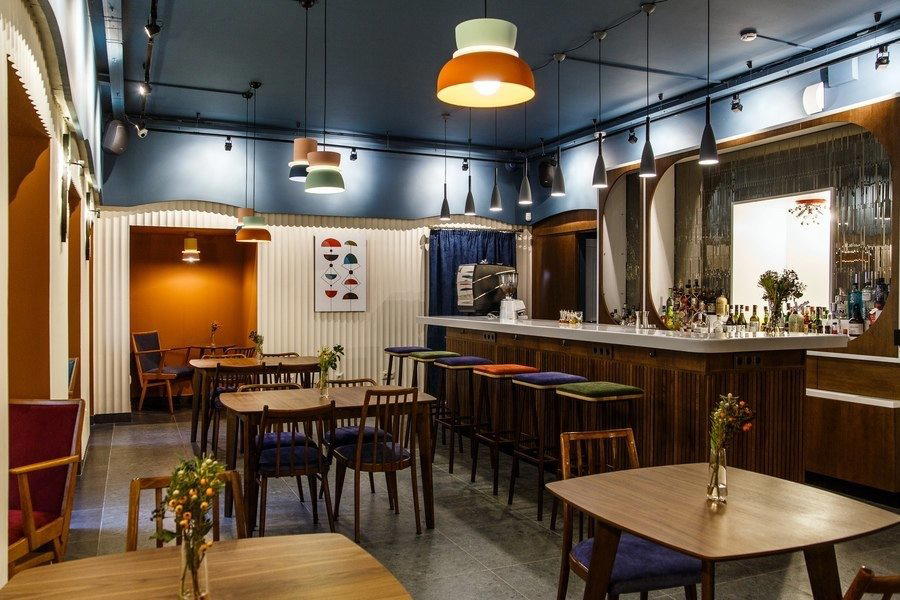
Soft directional lighting highlighting wine cellars and plating in a restrained, intimate dining room with glass-walled vaults displaying thousands of bottles.