アンディ occupies a residential pocket of Jingumae, Shibuya, within a neighbourhood where independent restaurants tend to outlast trends by staying small and focused. The address sits in the broader Omotesando dining corridor, where the density of serious independent kitchens has grown steadily over the past decade. Advance booking is strongly recommended.
 Discover on Pearl
Pearl is the En Primeur Club membership app — saves, bookings, and concierge access live there. Same editors, same standards.
- Address
- 3 Chome-42-12 Jingumae, Shibuya, Tokyo 150-0001, Japan
- Phone
- +81364475447
- Website
- andivietnamese.com
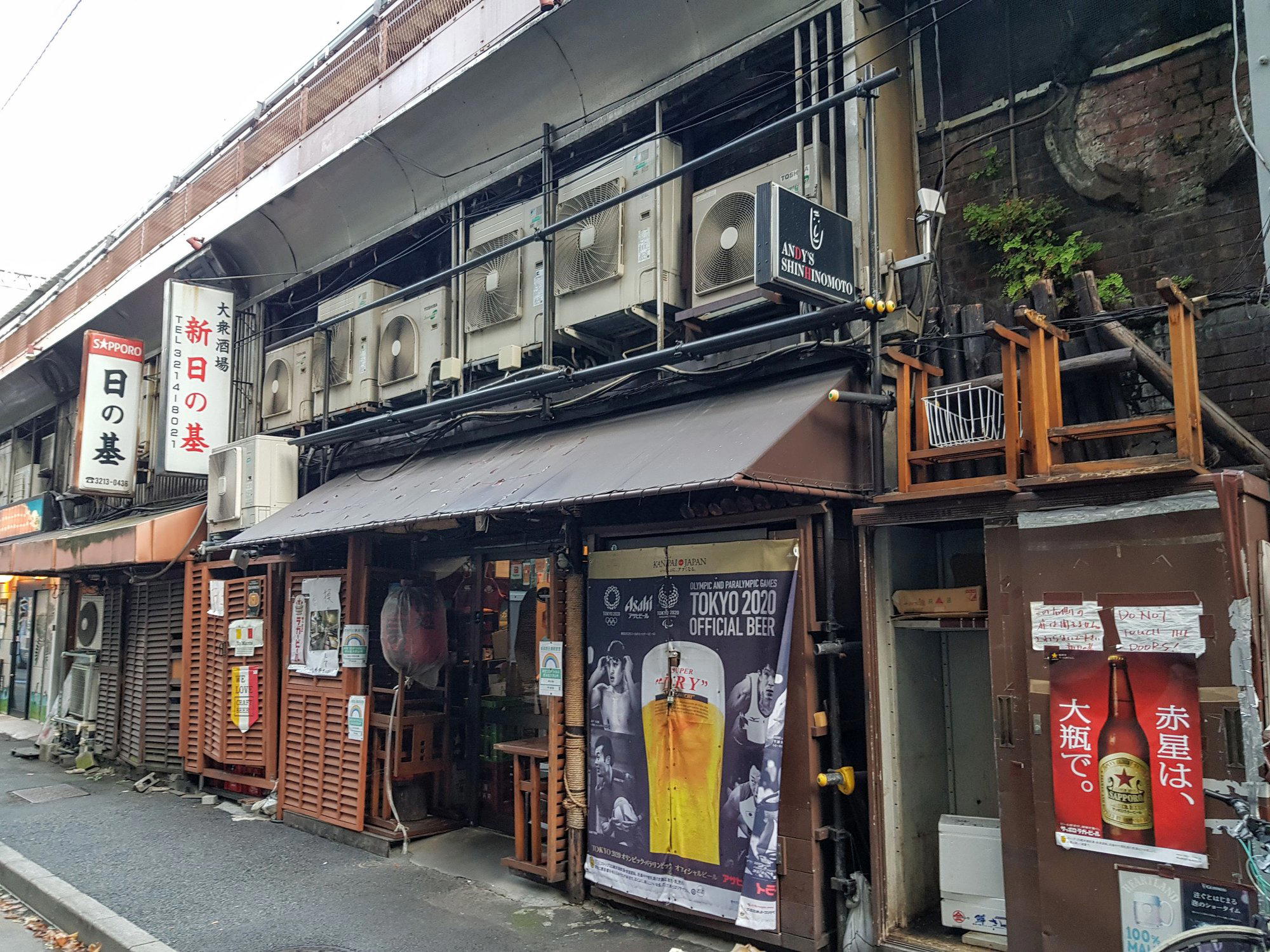
Jingumae and the Independent Kitchen
Tokyo's Omotesando and Jingumae corridor has developed a distinct character over the past two decades: independent restaurants, often compact, often without English signage, operating on the assumption that guests will seek them out rather than stumble in. The address at 3 Chome-42-12 Jingumae places アンディ firmly in this residential-fringe zone, where proximity to the main boulevard belies quieter surroundings and a clientele that skews local and intentional. In a city where restaurant density is extreme, this part of Shibuya functions as a filter: only kitchens with a clear reason to exist tend to last.
That editorial context matters when considering how Tokyo's dining scene has evolved around sustainability and sourcing. Across the city's serious independent restaurants, from the French-inflected tasting menus clustered near Azabu to the kaiseki houses of Ginza, the conversation around waste reduction and ethical procurement has moved from niche to expected. Kitchens that had previously been silent on sourcing now communicate it through menu notes, supplier relationships, and format decisions. アンディ sits in this broader moment, in a neighbourhood that has quietly accumulated some of the city's more considered independent operators.
Sustainability as Operating Logic, Not Marketing Layer
The shift toward environmental consciousness in Tokyo's premium dining tier reflects something broader than a trend cycle. Japan's traditional culinary frameworks, particularly kaiseki, have always organised menus around seasonal availability and zero-waste preparation, so the contemporary sustainability conversation lands differently here than in Western cities where it arrived as a correction. What has changed in the last decade is the degree to which chefs working in European-influenced formats have adopted the same discipline: vegetable-forward courses, nose-to-tail protein use, and supplier networks that prioritise proximity and traceability.
This operating logic shows up in practical ways across Tokyo's Jingumae-area independents. Menus are typically shorter and more seasonal than their Ginza counterparts, with daily changes driven by what arrives from the market rather than what prints well on a fixed card. Waste reduction at this level is less a moral statement than a kitchen efficiency argument: smaller operations with tighter margins cannot afford to carry inventory. The result, for diners, is a menu that shifts with the week and rewards repeat visits over a single, definitive experience. Venues in this comparable set, including comparably scaled operations like Crony in the innovative French tier, tend to lean into this format as a point of differentiation from larger, more static tasting menus.
Where アンディ Fits in Tokyo's Dining Tiers
Tokyo's restaurant ecosystem is unusually stratified. At the upper end of the independent tier, venues like Harutaka in sushi and RyuGin in kaiseki anchor their pricing against award recognition and multi-season reputations. A step below, in terms of price if not necessarily quality, sits a cohort of kitchens in residential Shibuya addresses that operate with lower overheads, more flexible formats, and a closer relationship to daily market supply. L'Effervescence in the French tier and Sézanne occupy the internationally recognised upper bracket; アンディ's Jingumae address suggests a positioning closer to the neighbourhood-serious tier, where the dining proposition is built around consistency and sourcing rather than spectacle.
This is not a lesser tier. In many cases, restaurants at this scale in Tokyo deliver more attentive cooking and more responsive menus than larger, more formal operations. The removal of a fixed tasting structure, where it applies, allows the kitchen to respond to ingredient quality on a given day rather than committing to dishes weeks in advance. For diners who have exhausted the city's headline restaurants and want to understand how Tokyo actually eats at its most considered, these residential-fringe addresses are where the real texture lies.
Japan Beyond Tokyo: The Wider Context
The dining philosophy represented by serious independent kitchens in Jingumae exists across Japan's major cities in different forms. HAJIME in Osaka applies a comparably rigorous environmental framework to a higher-profile, internationally awarded format. Gion Sasaki in Kyoto operates within the kaiseki tradition where seasonal and local procurement is structurally built in. akordu in Nara applies European technique to Yamato vegetables and local producers in a way that makes the sourcing argument visible in every course. Goh in Fukuoka works in a city where proximity to Kyushu's agricultural and fishing resources makes ethical sourcing less a philosophy than a practical default.
Further afield, restaurants like 一本木 縄巻製 in Nanao, 夕月山乃 in Sapporo, 湖畔庵 in Takashima, and 鳥羽屋 in Nishikawa Machi represent how deeply the relationship between local sourcing and serious cooking extends into Japan's regional dining culture. These are not outposts of a metropolitan trend: they are expressions of a food culture in which proximity to ingredients has always been the baseline. Birdland in Sakai and Bistro Ange in Toyohashi similarly illustrate how the regional tier delivers this commitment at accessible price points.
For international comparison, the ethical-sourcing conversation that Tokyo's independents are having quietly has equivalents in the upper tiers of New York dining: Le Bernardin has articulated a sustainability position through its seafood sourcing for years, while Atomix takes a similarly intentional approach to Korean ingredients and seasonal supply. The methodologies differ but the underlying logic converges: smaller menus, traceable sourcing, and a willingness to let ingredient availability drive the kitchen rather than the reverse.
Planning a Visit
The Jingumae address is accessible from Harajuku or Meiji-Jingumae stations on the Chiyoda and Fukutoshin lines, placing the restaurant within a short walk of the main Omotesando strip. Reservations for neighbourhood-tier independents in this part of Shibuya are typically handled directly and book out several weeks in advance, particularly for weekend sittings. Reservations are recommended, and the restaurant is open Tue to Fri 6 to 11 PM, Sat and Sun 12 to 1:30 PM and 6 to 11 PM, with Monday closed.
Reputation Context
Comparable venues nearby, for context on price, style, and recognition.
| Venue | Cuisine | Price | Awards |
|---|---|---|---|
| アンディThis venue — the venue you are viewing | |||
| Harutaka | Sushi | ¥¥¥¥ | Michelin 3 Star |
| L'Effervescence | French | ¥¥¥¥ | Michelin 3 Star |
| RyuGin | Kaiseki, Japanese | ¥¥¥¥ | Michelin 3 Star |
| Crony | Innovative, French | ¥¥¥¥ | Michelin 2 Star |
| Florilège | French | ¥¥¥ | Michelin 2 Star |









At a Glance
- Lively
- Cozy
- Casual Hangout
- After Work
- Group Dining
- Open Kitchen
- Sake Program
- Local Sourcing
- Street Scene
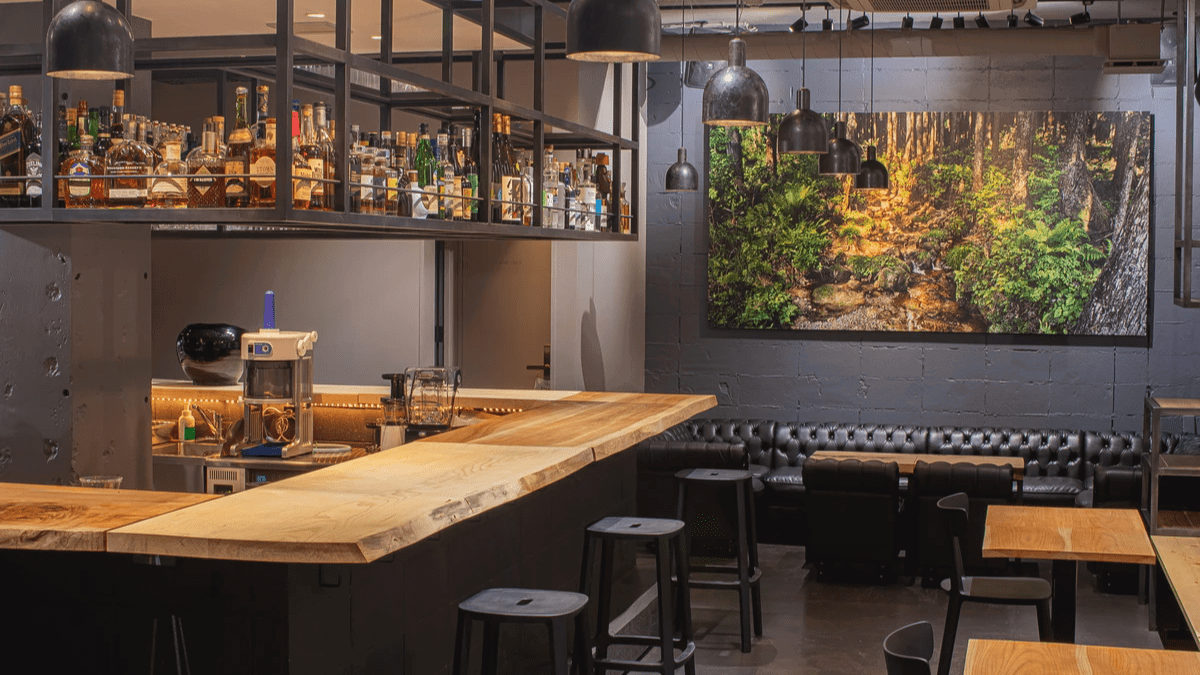
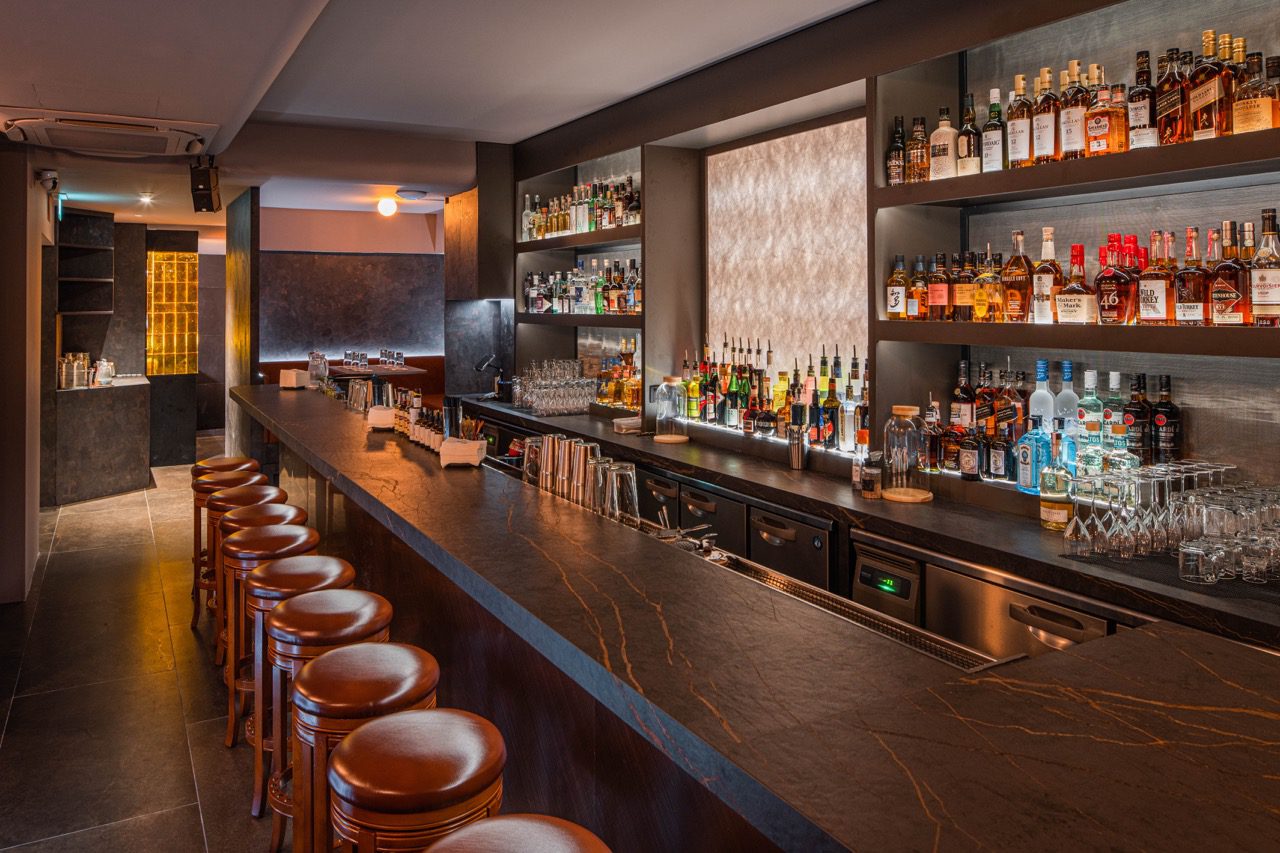
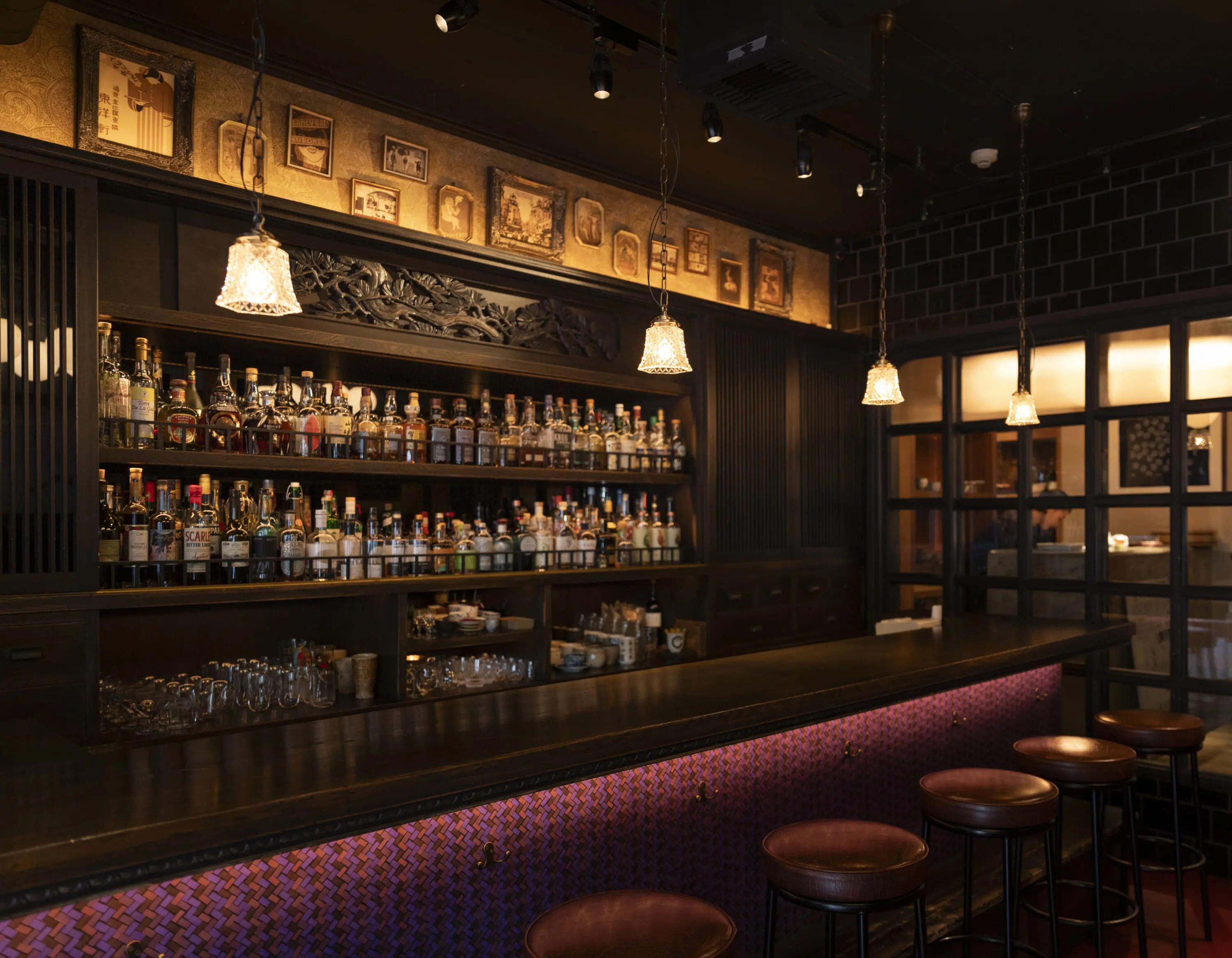
Relaxed and friendly pub-like atmosphere under the train tracks, popular with expats and tourists, featuring lively vibes and hospitable service.