レガーロ occupies a basement address in Yoyogi, Shibuya, placing it in the quieter residential register that Tokyo's mid-tier dining scene increasingly favours over the high-traffic blocks of Ginza or Shinjuku. The venue's Yoyogi location signals a specific kind of neighbourhood positioning: close enough to central Tokyo to draw a city-wide audience, far enough from the premium corridors to operate on different commercial terms.
 Discover on Pearl
Pearl is the En Primeur Club membership app — saves, bookings, and concierge access live there. Same editors, same standards.
- Address
- Japan, 〒151-0053 Tokyo, Shibuya, Yoyogi, 4 Chome−6−2 B1F
- Phone
- +81363833384
- Website
- regalo-ristorante.com
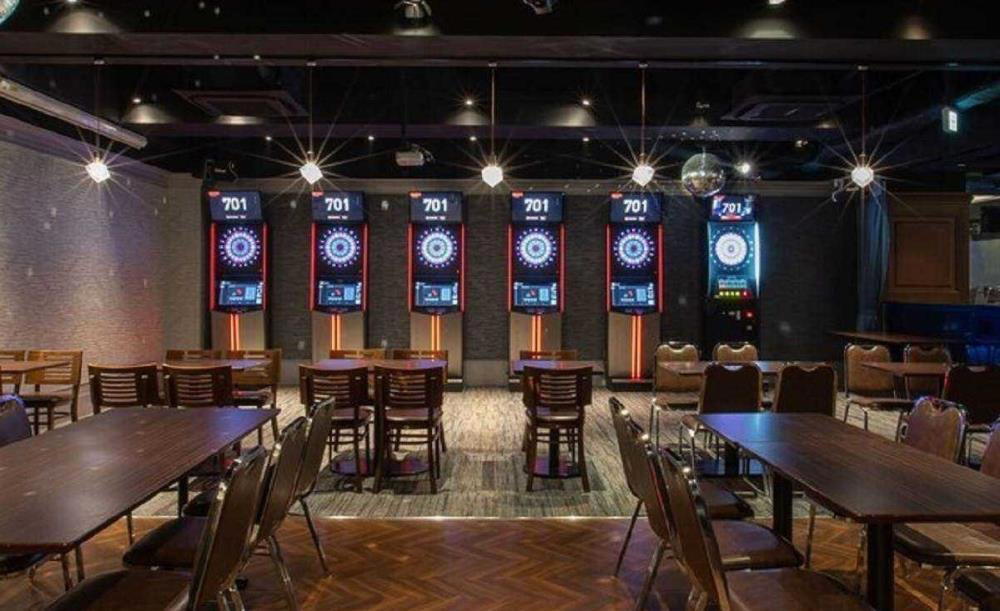
Yoyogi and the Shift in Tokyo's Dining Geography
For most of the 2000s, Tokyo's serious dining concentrated along a narrow band running from Ginza through Roppongi and into the Azabu blocks. Shibuya's residential spill-over into Yoyogi represented something different: quieter streets, lower-profile addresses, and a dining public that measured value differently from the corporate-expense crowd further east. That shift has accelerated over the past decade. Basement-level rooms in Yoyogi now draw regulars who actively prefer the lower ambient noise and less performative setting over the theatre of a Ginza counter. レガーロ, at a basement address in 4-chome Yoyogi, sits inside that broader reorientation of where attentive mid-tier dining happens in this city.
It operates in the zone between neighbourhood reliability and destination-worthy cooking, a space that Tokyo handles with more sophistication than most cities, partly because the density of trained kitchen talent pushes quality into blocks that would be considered unremarkable anywhere else.
A Basement Format and What It Implies
Basement dining in Tokyo carries distinct connotations. In Ginza, a B1F address often signals a high-rent, high-concept room that uses below-street positioning to create theatrical separation from street life. In Yoyogi, the same format reads differently: more intimate, less curated-for-Instagram, and often more focused on repeat custom than on first-impression spectacle. The absence of a ground-floor presence removes the walk-in impulse, which tends to self-select for a more deliberate clientele. In Tokyo's dining architecture, venues that want a regulars-first audience routinely choose addresses that require some commitment to find.
Comparable dynamics appear across Japan's secondary dining cities. Goh in Fukuoka and Gion Sasaki in Kyoto both operate in formats where the address itself communicates something about the intended audience, and where the room's physical remove from tourist circuits is part of the product. Akordu in Nara takes that logic further, placing a serious European-trained kitchen in a city that most visitors treat as a day-trip from Osaka or Kyoto.
The Evolution Question: How Neighbourhood Venues Change Over Time
Tokyo's mid-tier restaurant layer has been through several reinvention cycles since the early 2000s. The first wave of neighbourhood fine dining that emerged in the late 1990s largely modelled itself on European formats, long tasting menus, formal service ratios, wine programmes weighted toward French imports. By the mid-2010s, the more commercially durable model had shifted toward shorter menus, higher table-turn discipline, and a service style that traded formality for genuine hospitality. Venues that survived that transition tended to do so by becoming more legible to a broader audience without diluting the kitchen's ambitions.
Post-pandemic dining in Tokyo reorganised around a smaller set of evenings, with weekend demand remaining steadier than mid-week trade. Venues that could flex their format, adjusting menu length or price point without signalling desperation, proved more durable than those locked into a fixed identity. That capacity for calibrated reinvention is now a baseline expectation for neighbourhood restaurants in residential Shibuya, not an exceptional quality.
Contrast this with the high-end tier: L'Effervescence and Sézanne operate in a different commercial register, where Michelin recognition and international press create a demand buffer that insulates them from the week-to-week volatility smaller venues absorb directly. Crony occupies an interesting middle position, with an innovative French format that courts both the award-aware crowd and a younger neighbourhood audience. The venues that manage this bridging act cleanly tend to have the longest staying power.
Yoyogi in the Wider Japan Dining Frame
Placing レガーロ inside Japan's broader dining picture requires some calibration. The country's restaurant culture has always been more geographically distributed than European models, where capital cities disproportionately concentrate serious cooking talent. HAJIME in Osaka holds three Michelin stars and competes credibly with Tokyo's leading rooms on any international metric. Provincial venues like 一本木 名川製 in Nanao, 湖畔廚房 in Takashima, and 羽根屋 in Nishikawa Machi demonstrate that Japan's distribution of culinary seriousness extends well beyond the Tokaido corridor.
For a venue in Yoyogi, that context is useful context rather than competitive pressure. The Shibuya-adjacent dining audience draws from the city's creative and media industries, from the Harajuku and Daikanyama neighbourhoods that have long maintained their own food culture distinct from the corporate dining belts to the east. A basement room in this postcode is fishing in a specific demographic pond, and the longevity of neighbourhood venues in this area suggests the pond is reasonably well-stocked.
International comparisons also clarify the type. Le Bernardin in New York City represents one pole of the fine dining spectrum, institutionalised, Michelin-loaded, operating in a price bracket that removes any ambiguity about positioning. Atomix, also in New York, occupies a different register: technically serious, culturally specific, and commanding high prices through a model built on scarcity and depth of concept. A Yoyogi basement venue operates neither of those logics. Its claim on the audience is neighbourhood belonging, accumulated trust, and the specific pleasure of a room that does not need to announce itself.
Planning Your Visit
Location: 4 Chome-6-2 B1F, Yoyogi, Shibuya, Tokyo 151-0053. The basement address sits in a residential stretch of Yoyogi, a short walk from Yoyogi Station on the JR Yamanote and Sobu lines, and also accessible from Yoyogi-koen Station on the Chiyoda line. Reservations: Essential. Dress: Smart casual. Budget: About US$90 per person. Timing: Weekend evenings in this neighbourhood draw from a broad Shibuya catchment; mid-week visits typically offer a quieter room.
Where It Fits
Comparable venues nearby, for context on price, style, and recognition.
| Venue | Cuisine | Price | Awards | Notes |
|---|---|---|---|---|
| レガーロThis venue — the venue you are viewing | Modern Italian with Japanese Ingredients | $$$$ | , | |
| Heinz Beck Tokyo | Modern Italian Molecular Gastronomy | $$$$ | , | Chiyoda |
| Piacere | Contemporary Italian fine dining | $$$$ | , | Chiyoda |
| リストランテ ヤギ | Modern Italian Fine Dining | $$$$ | , | Shibuya |
| 神楽坂 ヴェーリ | Modern Italian Fine Dining | $$$$ | , | Shinjuku |
| サローネ トウキョウ | Contemporary Italian Ristorante | $$$$ | , | Chiyoda |








At a Glance
- Elegant
- Sophisticated
- Intimate
- Date Night
- Special Occasion
- Open Kitchen
- Extensive Wine List
- Local Sourcing
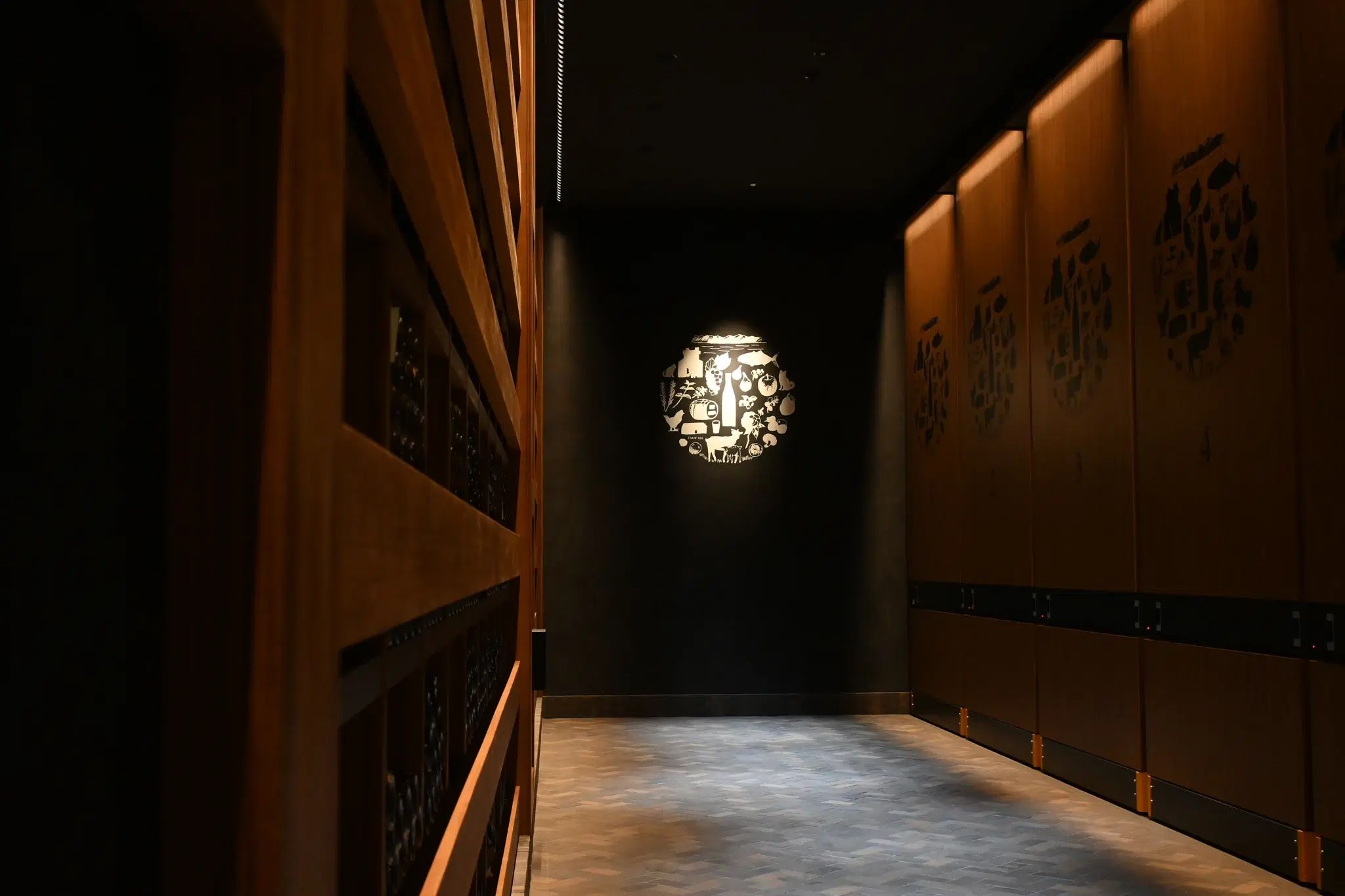
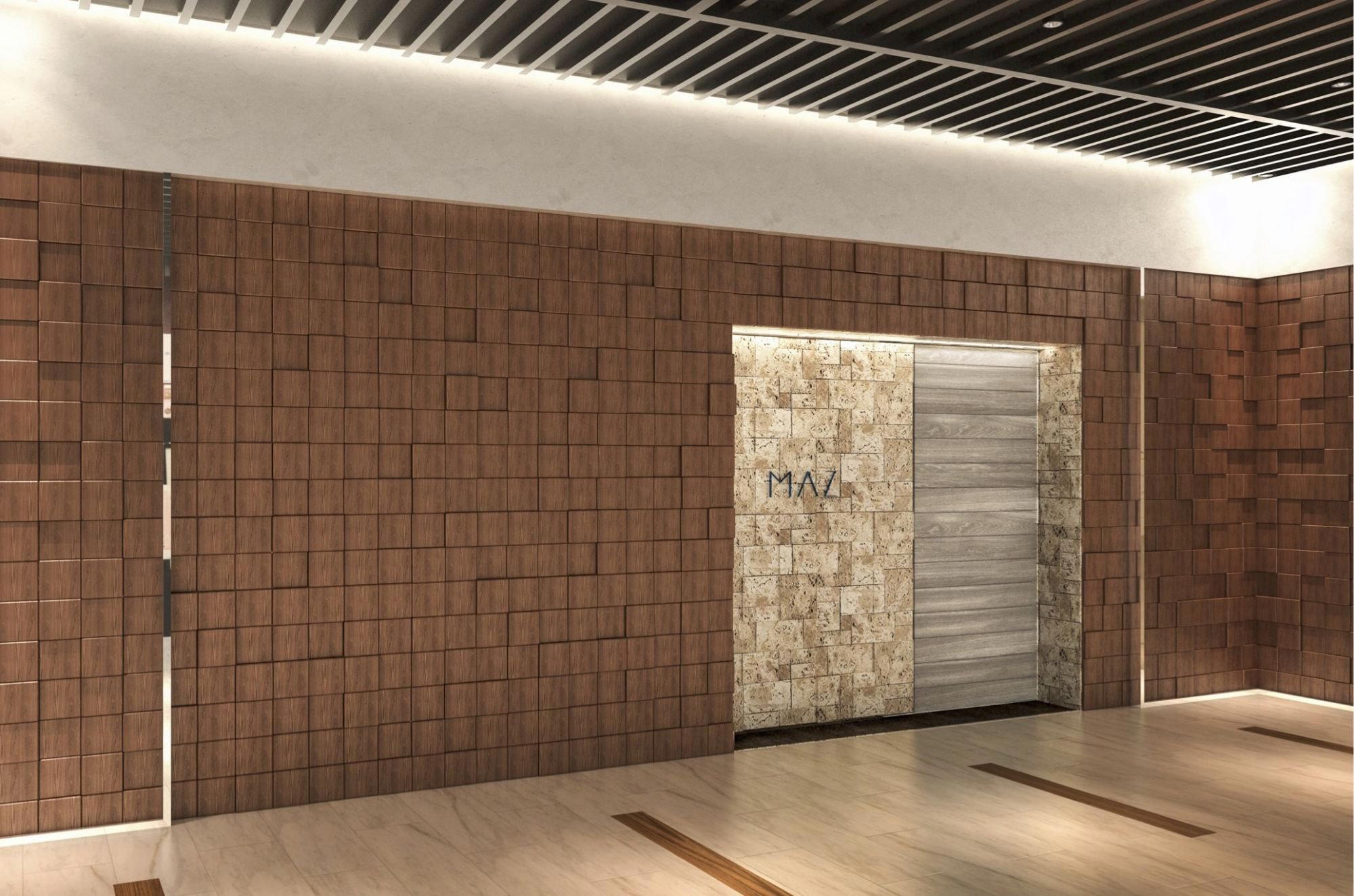
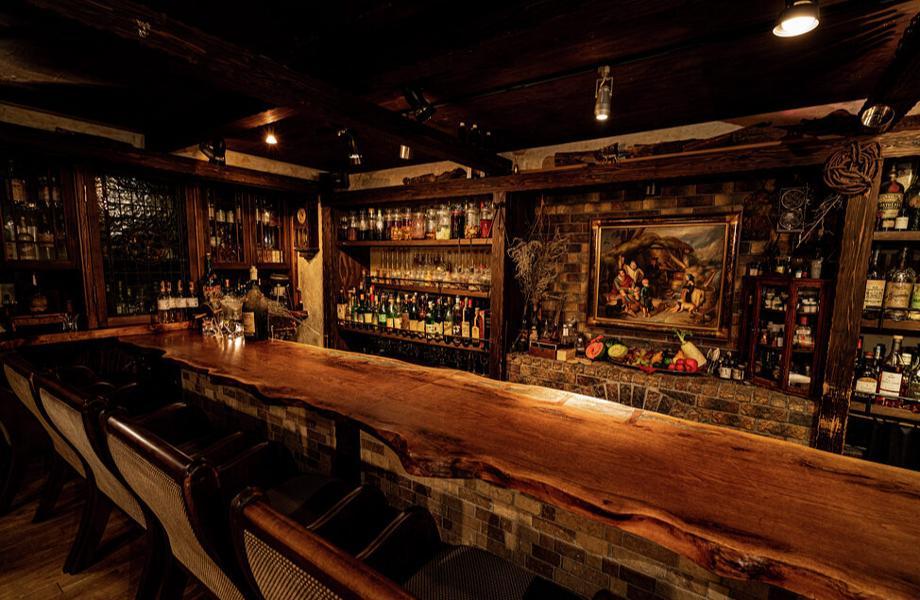
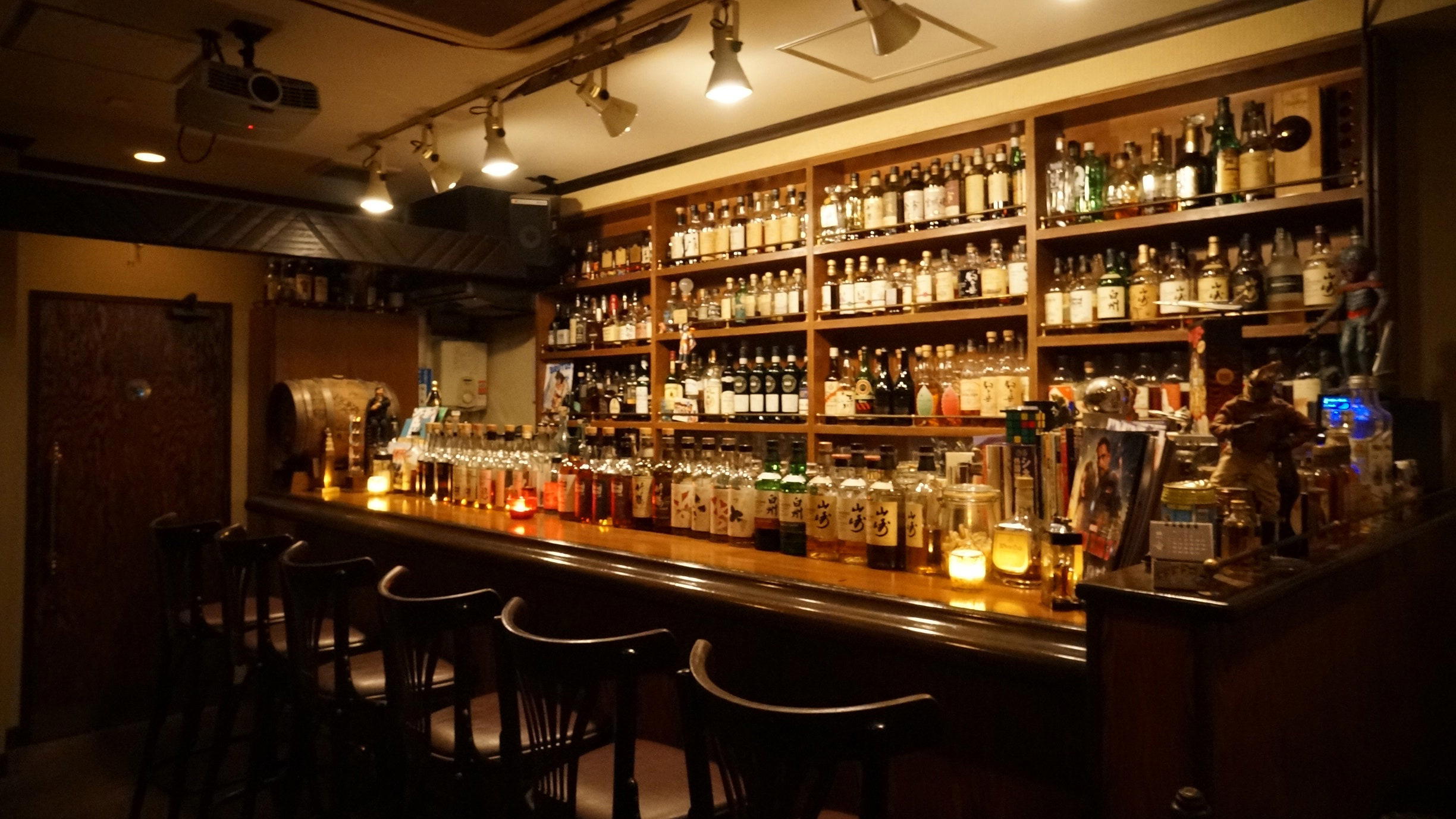
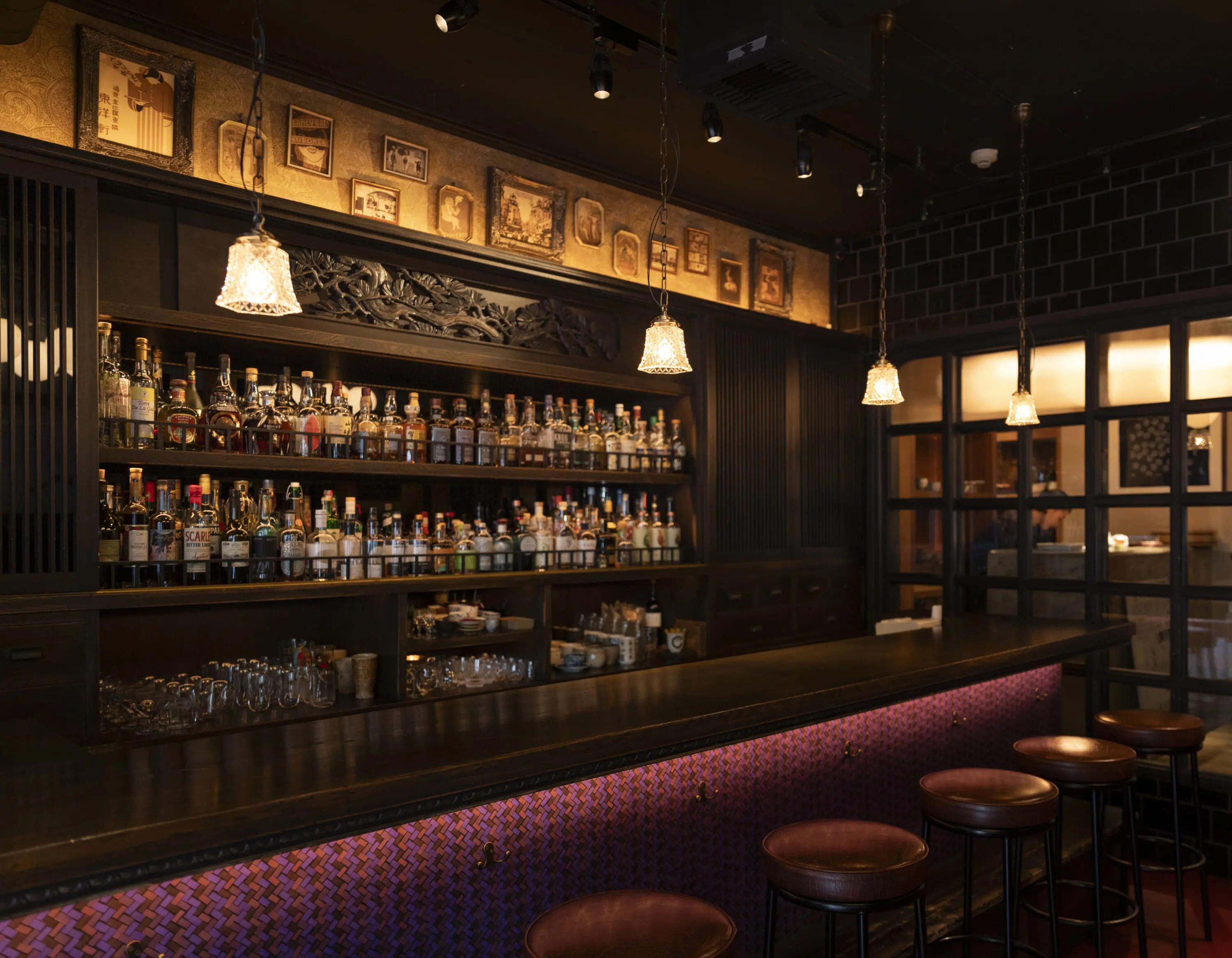
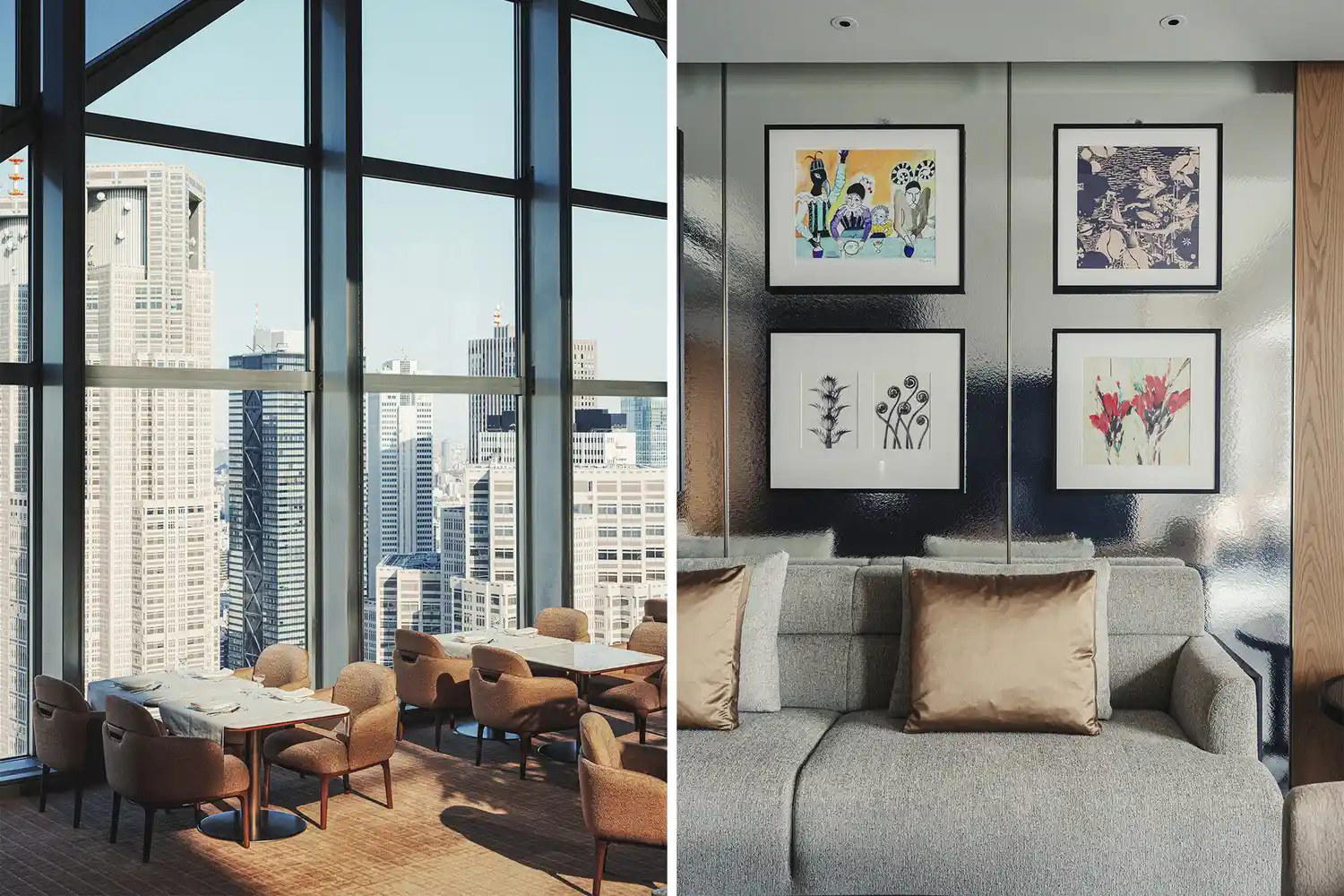
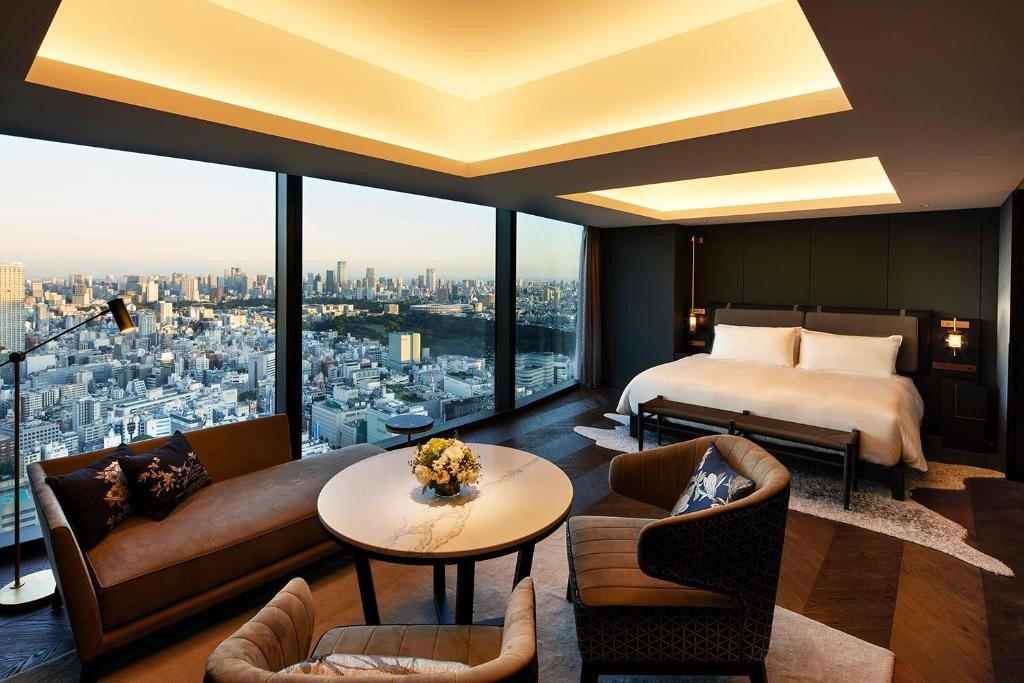
Contemporary and comfortable space with lively counter seats and private tables.