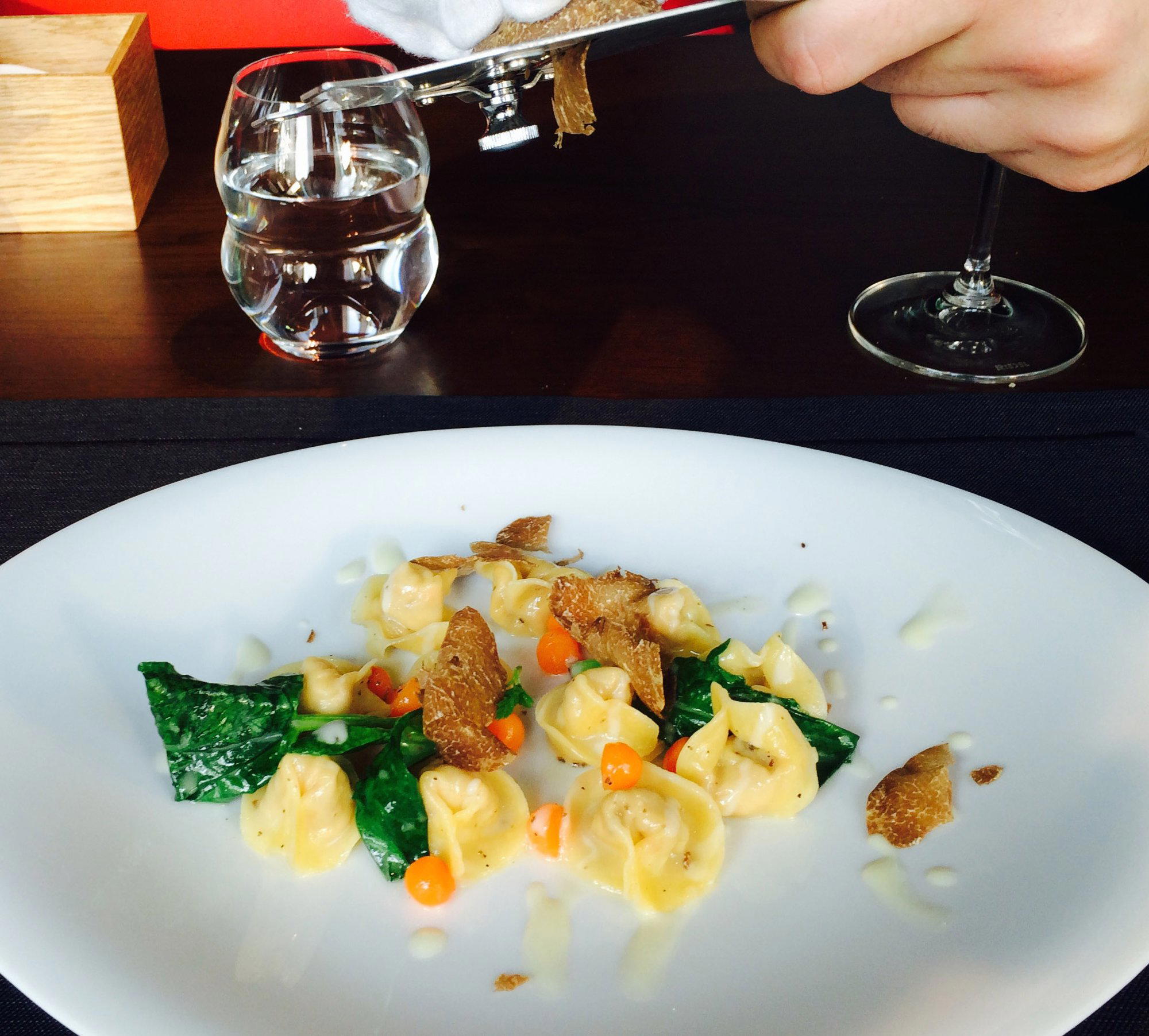
Heinz Beck Tokyo brings the Italian-Mediterranean fine dining tradition of Rome's three-Michelin-starred La Pergola to Marunouchi, one of Tokyo's most concentrated corridors for high-end European cuisine. Positioned in the Nippon Life Marunouchi Garden Tower, the restaurant occupies a tier where European culinary pedigree meets Tokyo's exacting standards for technique and service. For guests comparing European fine dining imports against Tokyo's domestic Michelin field, it warrants serious consideration.
 Discover on Pearl
Pearl is the En Primeur Club membership app — saves, bookings, and concierge access live there. Same editors, same standards.
- Address
- Japan, 〒100-0005 Tokyo, Chiyoda City, Marunouchi, 1 Chome−1−3 日本生命丸の内ガーデンタワー M2F
- Phone
- +81 3-3284-0030
- Website
- plaigatokyo.jp
European Fine Dining in Tokyo: The Marunouchi Context
Tokyo has absorbed European fine dining in a way that few cities outside Europe itself have managed. The city's Michelin guide consistently awards more stars than Paris, and a meaningful share of those stars sit with French and Italian kitchens operating alongside kaiseki houses and sushi counters at the top of the market. In Marunouchi, the business district anchored around Tokyo Station, this dynamic is particularly concentrated. The neighbourhood draws a clientele for whom a three-hour European tasting menu on a weeknight is a routine professional or social occasion, and the restaurants that survive here do so against stringent local competition. Heinz Beck Tokyo, located in the Nippon Life Marunouchi Garden Tower at 1-1-3 Marunouchi, Chiyoda, operates in that context: a European import competing not just against other European imports but against the full depth of Tokyo's dining infrastructure, including kaiseki rooms like RyuGin and French houses like L'Effervescence and Sézanne.
The Roman Lineage and What It Signals
The Heinz Beck name is inseparable from La Pergola, the three-Michelin-starred restaurant at the Rome Cavalieri hotel, which has held three stars since 2005 and is consistently positioned among Italy's most formally rigorous dining destinations. Exporting that identity to Tokyo, a city where imported fine dining concepts face unusually informed and skeptical diners, is not a direct commercial exercise. Tokyo guests who choose a Heinz Beck table are typically doing so with direct reference to the Rome original, which sets an immediate comparison benchmark. That framing places Heinz Beck Tokyo in a specific competitive set: not casual Italian, not modern pan-European, but high-formality Italian-Mediterranean with a documented three-star ancestral line. Among Italian fine dining options in the city, that lineage is a meaningful differentiator.
The Wine Program: Depth as a Differentiating Factor
In the upper bracket of Tokyo's European fine dining scene, the wine list has become a genuine point of competition rather than a supporting feature. At Sézanne, the cellar leans heavily into Burgundy and Champagne to match Daniel Calvert's French-rooted tasting menu. At Crony, the wine approach is more selective and producer-focused. Heinz Beck Tokyo's Italian-Mediterranean identity gives its wine program a natural gravitational pull toward the Italian peninsula, where the depth of available producers, from structured Barolo and Barbaresco to the volcanic whites of Campania and the indigenous grape varieties of Sicily, is substantially broader than most Tokyo wine lists attempt.
For a restaurant with Roman roots, the credibility of an Italian wine list is not incidental. It is one of the clearest signals of whether a satellite operation maintains the standards of its origin. A program that leans on internationally recognized labels without engagement with Italy's smaller denominazioni reads as a missed opportunity at this price tier. The leading Italian wine programs in Tokyo function almost as import specialists: curating producers that arrive in Japan through rigorous allocation channels and pairing them with sommelier knowledge that can justify each selection editorially, not just commercially. Whether Heinz Beck Tokyo's list operates at that level is the question that most directly distinguishes it within its comparable set.
For guests who approach a meal primarily through the wine program, the practical consideration is whether the sommelier team is willing to move through the Italian peninsula with specificity: different regions, different grape varieties, different harvest-year philosophies. A list that does this well offers a category of dining education that few other formats in Tokyo can replicate, because Italian wine's complexity at the producer and village level is genuinely vast, and a guided pairing through that terrain is one of the more instructive ways to spend an evening at this price point.
Positioning Against Tokyo's French and Italian Field
Tokyo's top-tier European tasting menu restaurants occupy a price band roughly comparable to their Paris or London equivalents, sometimes exceeding them when wine pairings and service charges are included. Within that band, Heinz Beck Tokyo occupies a specific identity position: Italian-Mediterranean rather than French, formal rather than casual-modern, and anchored to an international flagship rather than a Tokyo-originated concept. That last point matters in both directions. The Rome credential gives the restaurant immediate authority with first-time visitors. For regular Tokyo diners, however, homegrown concepts with strong local roots, such as L'Effervescence, have cultivated a depth of local loyalty that a satellite operation builds more slowly.
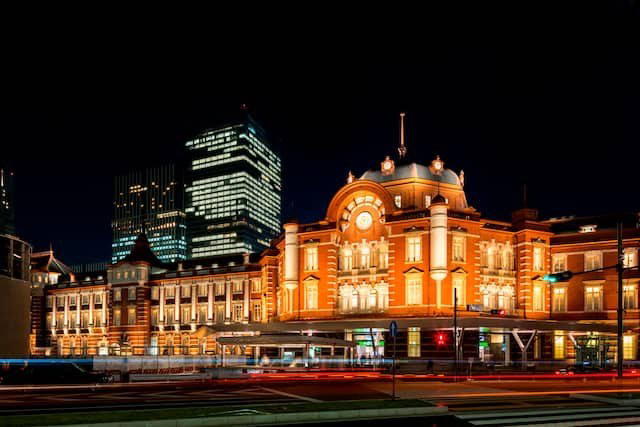
The Marunouchi address itself carries competitive weight. It is close to Tokyo Station, which means direct access from much of the city and from the Shinkansen corridors that connect Tokyo to dining scenes in Osaka, Kyoto, and beyond. For guests combining a Tokyo stay with visits to Nara, Fukuoka, or even Yokohama, a Marunouchi booking sits at a convenient geographic and logistical junction. The neighbourhood also has strong hotel infrastructure, covered in EP Club's Tokyo hotels guide, which means the post-dinner journey is rarely complicated.
How It Fits the Broader Tokyo Scene
Tokyo's fine dining ecosystem rewards sustained engagement. Sushi specialists like Harutaka operate on booking cycles that reward local knowledge, while kaiseki traditions at rooms like RyuGin offer a parallel rigour grounded in seasonal Japanese produce. European fine dining in the city, including the French-leaning work at Sézanne and the innovative approach at Crony, has developed its own distinct Tokyo character rather than simply transplanting European models. Heinz Beck Tokyo's challenge, and its opportunity, is to hold its Italian-Mediterranean identity with enough specificity that it reads as a distinct offering rather than a generic upscale European room. For guests building a multi-night Tokyo itinerary, the full picture is covered in EP Club's Tokyo restaurants guide, alongside bars, wineries, and experiences across the city. Guests with a particular interest in how high-formality European fine dining translates to a non-European context may also find useful parallels in Le Bernardin and Atomix in New York, where imported culinary traditions have been absorbed and transformed by local markets in structurally similar ways. For those planning a visit to Okinawa as part of a broader Japan itinerary, the contrast with Heinz Beck Tokyo's Marunouchi formality is worth noting as a deliberate counterpoint.
Planning a Visit
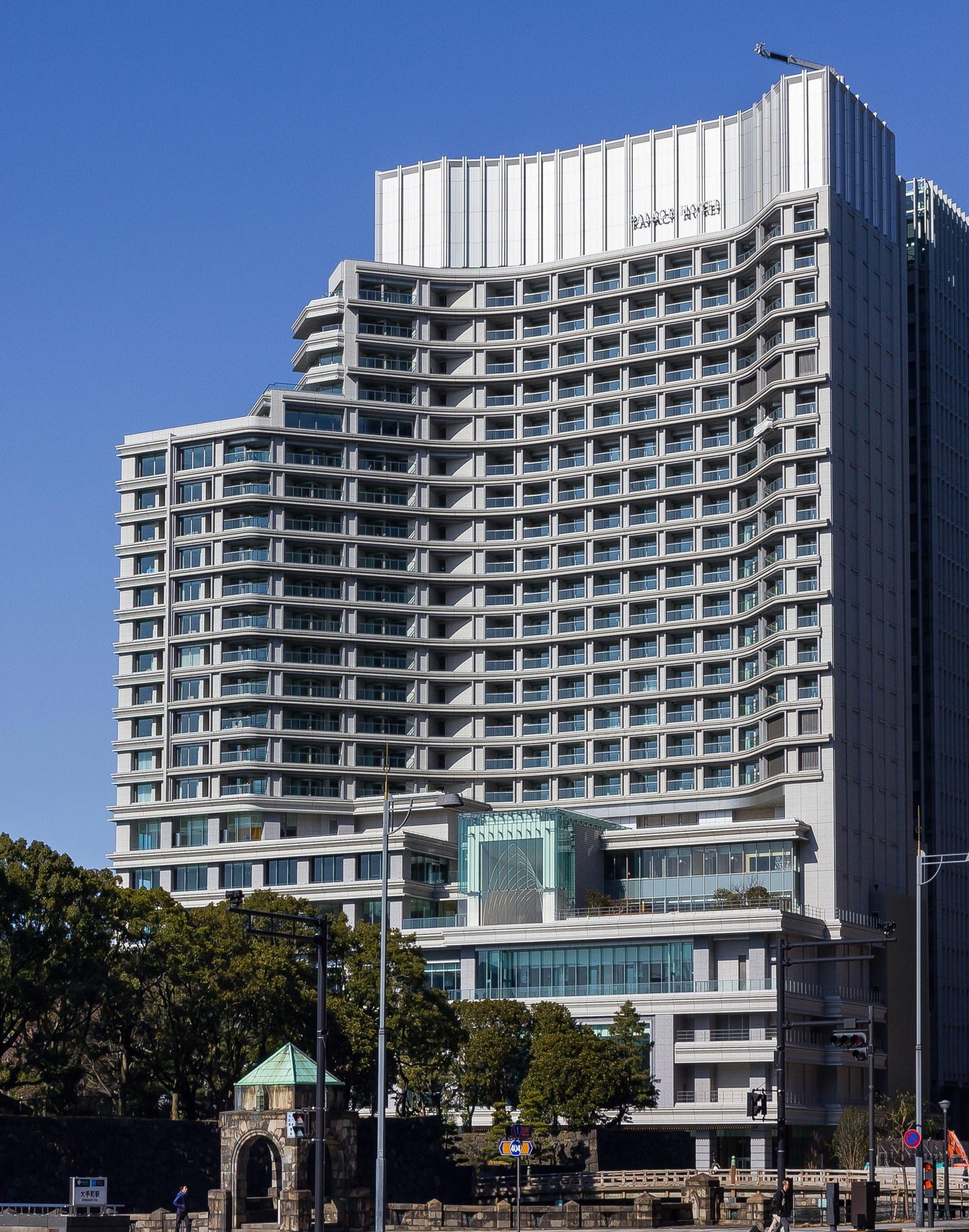
The restaurant occupies space within the Nippon Life Marunouchi Garden Tower, a mixed-use development one minute's walk from Tokyo Station's Marunouchi South Exit. For European fine dining at this tier in Tokyo, advance booking is standard practice: the city's leading tasting menu rooms operate with high occupancy rates across the week, not just on weekends. Given the Rome flagship's three-star reputation, first-time visitors should expect the formality and pace of a full tasting menu commitment, typically two to three hours, rather than a shorter à la carte format. Wine pairing is worth discussing at the time of booking, both to confirm availability and to allow the sommelier team to plan the Italian regional progression appropriately.
The Short List
Comparable venues nearby, for context on price, style, and recognition.
| Venue | Cuisine | Price |
|---|---|---|
| Heinz Beck TokyoThis venue — the venue you are viewing | $$$$ | |
| リストランテ ヤギ | Shibuya, Modern Italian Fine Dining | $$$$ |
| Fileja | Chiyoda, Pasta Omakase | $$$$ |
| アンティカ・オステリア・デル・ポンテ | Chiyoda, Modern Milanese Fine Dining | $$$$ |
| サローネ トウキョウ | Chiyoda, Contemporary Italian Ristorante | $$$$ |
| ファロ | Chūō, Plant-Forward Italian Kaiseki | $$$$ |




At a Glance
- Elegant
- Sophisticated
- Modern
- Scenic
- Date Night
- Business Dinner
- Special Occasion
- Celebration
- Panoramic View
- Wine Cellar
- Open Kitchen
- Private Dining
- Terrace
- Extensive Wine List
- Sommelier Led
- Local Sourcing
- Waterfront
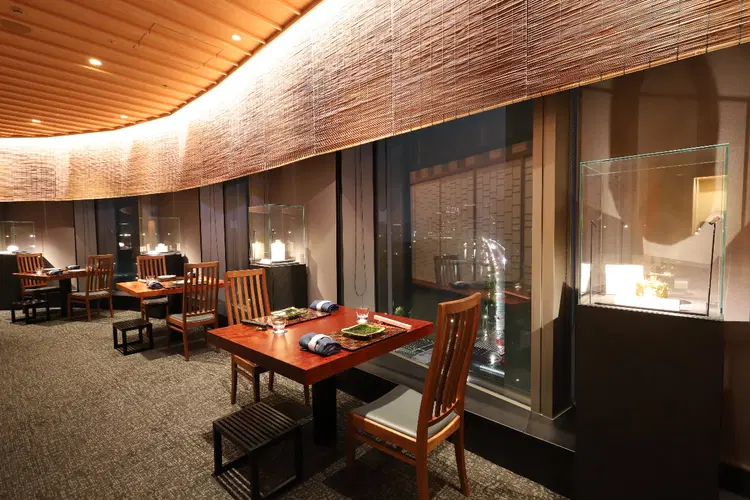
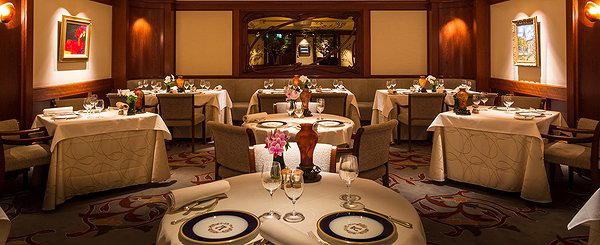
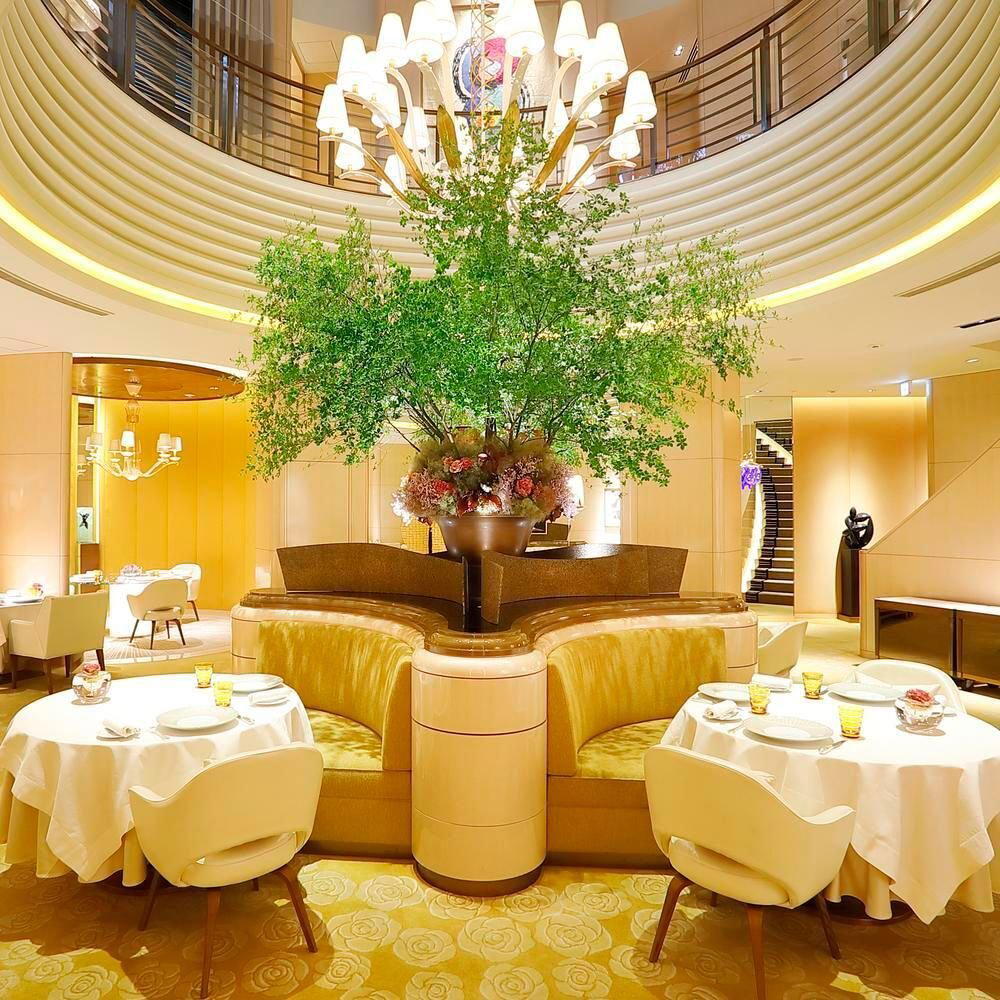
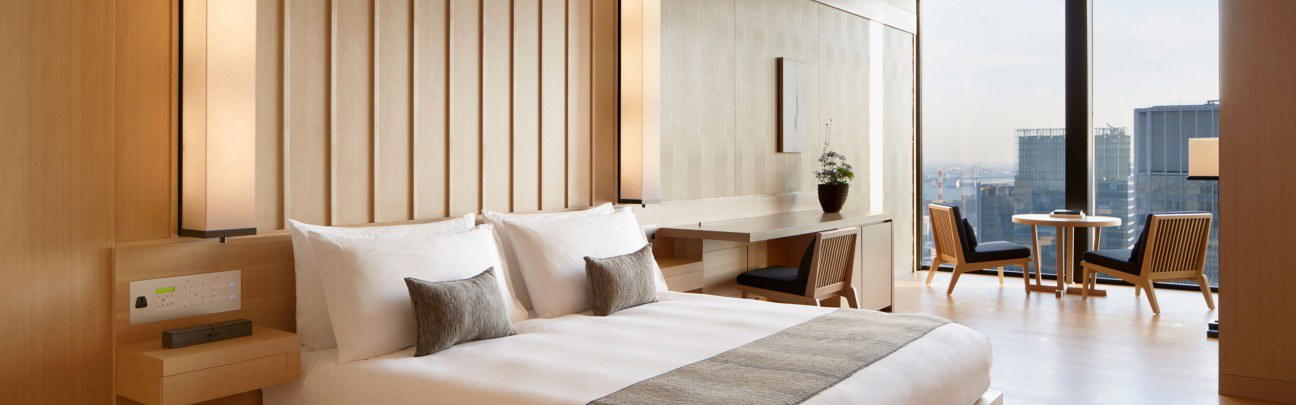
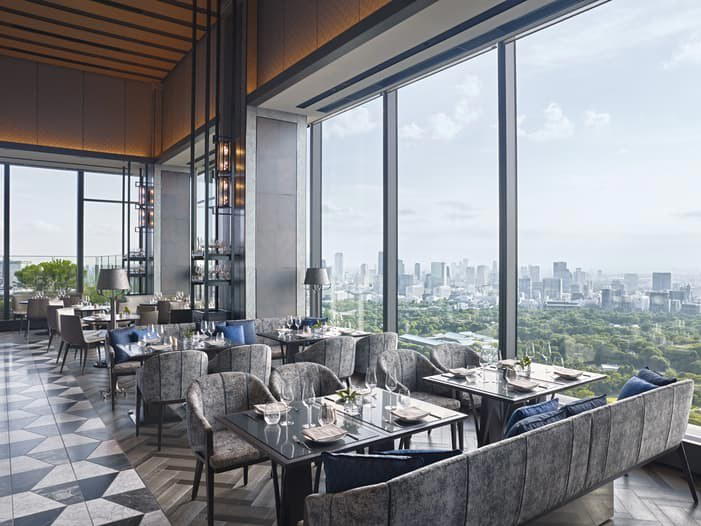
Refined, modern setting with soft beige and light earth tones, crisp white linens, large glass and stainless steel wine cellar, high-rise views of the Imperial Palace canal with sophisticated lighting.