
Piacere suits Tokyo diners who want Italian cooking in a polished hotel setting rather than a small counter or trattoria format. Its Tabelog Italian TOKYO “Tabelog 100” 2025 selection, 60-seat scale, wine focus, English-language support, and Marunouchi address put it in the city’s business-district dining tier, where service rhythm matters as much as the kitchen.
Pearl is the En Primeur Club membership app — saves, bookings, and concierge access live there. Same editors, same standards.
- Address
- Japan, 〒100-8283 Tokyo, Chiyoda City, Marunouchi, 1 Chome−8−3 28階
- Phone
- +81 3-6739-7898
- Website
- shangri-la.com
 Saves & bookings on Pearl
From the 28th floor above Marunouchi, dinner begins with the city below rather than around the table. Tokyo’s station-side hotel restaurants differ from lane-level dining rooms: they carry business dinners, anniversaries, rail arrivals, and locals seeking a composed evening without crossing town. Piacere fits that polished category, where Italian technique depends on timing, wine, language support, and a front-of-house team able to move a 60-seat room without making it feel anonymous.
That context matters in Tokyo, where Italian dining ranges from tiny pasta counters to formal hotel rooms. The serious end is defined not only by handmade pasta or imported ingredients, but by how well kitchen and dining room coordinate through a longer evening. The Tabelog Italian TOKYO “Tabelog 100” 2025 selection places Piacere in a competitive field; the more useful signal is format: a hotel restaurant with wine and cocktails, semi-private seating on request but not guaranteed, and multilingual menus and English-speaking staff. For international diners, that lowers the risk of dinner in Japan’s capital.
Marunouchi Italian dining depends on coordination, not theatre
Tokyo Station’s dining scene has its own grammar. Marunouchi and Yaesu are not after-hours neighborhoods like Ebisu, Kagurazaka, or Ginza; they are transport nodes, corporate addresses, and hotel corridors. Restaurants here handle mixed-use evenings: a client dinner, a family celebration, a traveller’s first Tokyo meal. Italian cuisine must deliver familiarity while translating across expectations without flattening into hotel neutrality.
Piacere’s advantage is the team dynamic implied by the format. A room this size needs a structured kitchen, a wine program broad enough for aperitif-led and full-bottle evenings, and floor staff who read pace. Smaller Tokyo Italian rooms can feel sharper and more personal; a hotel dining room justifies scale through comfort, sequencing, and discretion. This differs from La Rochelle Minami Aoyama, framed by French formality, or Nadaman, carried by Japanese hospitality tradition. Here, Italian dining is filtered through Marunouchi’s international hotel standards.
The price band clarifies the audience. At JPY 15,000 to JPY 19,999 for dinner, this is not casual station dining, yet it sits below the city’s higher-pressure trophy counters and tasting-menu rooms. It suits a controlled, adult, wine-friendly Tokyo evening within a business or hotel itinerary. THE LOBBY LOUNGE works in a lighter hospitality register, while quick retail-adjacent options such as CARA AURELIA Daimaru toukyou ten serve another purpose. The distinction is occasion architecture, not quality hierarchy.
The kitchen, wine program, and floor need to move as one
Italian food in Tokyo is often strongest when it avoids imitation and settles into local precision: clean sequencing, careful portions, and seasonal alertness without turning every plate into a manifesto. No chef biography is needed to see the operating challenge. In a 60-seat hotel restaurant, the kitchen cannot rely on counter intimacy, and the room cannot hide behind culinary spectacle. The test is whether pasta, mains, wine service, and pacing feel like one evening.
Wine is a meaningful signal. Tokyo diners are more fluent in Italian regional drinking, and serious Italian restaurants are judged by how confidently the cellar supports the food. Piacere lists wine and cocktails, with an emphasis on wine, positioning it closer to a complete dinner venue than a pasta-only stop. For travellers, that matters because Tokyo Italian is hard to read from outside: some rooms are chef-led and intimate, others hotel-led and service-forward, and some casual pasta specialists. This one belongs to the service-forward end.
English menus and English-capable staff are not mere conveniences in Tokyo; they affect how much of the room a visitor can access without compromise. At this price, discussing allergies, pacing, wine, and seating preferences is part of the value. It is not the same as chasing a tiny counter seat, and should be compared with other polished, internationally legible dining rooms in hotel and business districts.
Families fit that service logic. School-age children are welcome, while children under 6 are not admitted. The policy is clear: the room can handle family occasions, but is calibrated for a quieter dinner rhythm rather than a loose, all-ages atmosphere. In Tokyo, where high-end restaurants can be opaque about children, that clarity helps.
How to place it within a Tokyo dining itinerary
Piacere makes sense when geography and tone matter. Tokyo Station access, Marunouchi’s corporate calm, and the 28th-floor hotel setting suit a first or last night, dinner after meetings, or a celebration where conversation matters. It is less suited to diners seeking the friction and compression of Tokyo’s smaller counter culture. Those readers should scan the city by neighborhood through Our full Tokyo restaurants guide, then decide whether the evening calls for scale, intimacy, speed, or ceremony.
The surrounding EP Club map shows many versions of Tokyo dining within a short itinerary. For casual contrast, 3 Chome no Curry Ya San, 2D Cafe, and . 鮪と炭火焼き うお炭 秋葉原店 show less formal registers. For a more specialized Japanese format, compare with 124. KAGURAZAKA (Yakitori) or 12/10 Shinjuku ten. The point is not ranking, but matching the night to the right room.
For broader Japan plans, the same logic extends beyond Tokyo. A city-to-city itinerary might pair Marunouchi formality with [ki:] in Kyoto.cafe in Osaka.know in Kumamoto, -Grilled beef Sukiyaki- KAMAKURA TANUKIAN 鎌倉 たぬき庵 in Kamakura, (Shoku) Vietnam in Kawasaki, or [Curry Senmon Ten] Maruyama Kyoju. in Sapporo. For Japan-adjacent drinking and casual formats abroad, Jōdo Saké Bar in Los Angeles and Onigiri Time in Pasadena sit in a different travel conversation entirely.
Use the wider city guides to round out the stay: Our full Tokyo hotels guide, Our full Tokyo bars guide, Our full Tokyo wineries guide, and Our full Tokyo experiences guide. Within that plan, Piacere is strongest as a composed Marunouchi dinner with credible Italian recognition, serious service infrastructure, and a room built for conversation rather than chase culture.
Side-by-Side Snapshot
Comparable options at the same price tier.
| Venue | Cuisine | Price | Notes |
|---|---|---|---|
| PiacereThis venue — the venue you are viewing | Contemporary Italian fine dining | $$$$ | Not listed |
| リストランテ ホンダ | Modern Italian with Japanese Seasonal Influences | $$$$ | Minato |
| アンティカ・オステリア・デル・ポンテ | Modern Milanese Fine Dining | $$$$ | Chiyoda |
| アルヴァ | Modern Italian with Japanese Ingredients | $$$$ | Chiyoda |
| レガーロ | Modern Italian with Japanese Ingredients | $$$$ | Shibuya |
| ファロ | Plant-Forward Italian Kaiseki | $$$$ | Chūō |
Recognition history
Dated appearances from independent guides and award organizations, with the underlying list record or original source where available.
Tabelog 100 #98 · No. 98
Tabelog · Tabelog 100 - Italian - TOKYO - 2025







At a Glance
- Elegant
- Modern
- Sophisticated
- Scenic
- Romantic
- Well Known
- Special Occasion
- Business Dinner
- Date Night
- Group Dining
- Celebration
- After Work
- Panoramic View
- Wine Cellar
- Design Destination
- Hotel Restaurant
- Private Dining
- Extensive Wine List
- Sommelier Led
- Local Sourcing
- Farm To Table
- Skyline
- Garden
Current opening hours
- Monday
- Closed
- Tuesday
- 5:30–11 PM
- Wednesday
- 5:30–11 PM
- Thursday
- 5:30–11 PM
- Friday
- 5:30–11 PM
- Saturday
- 5:30–11 PM
- Sunday
- Closed
Hours can change for holidays and private events. Last verified .
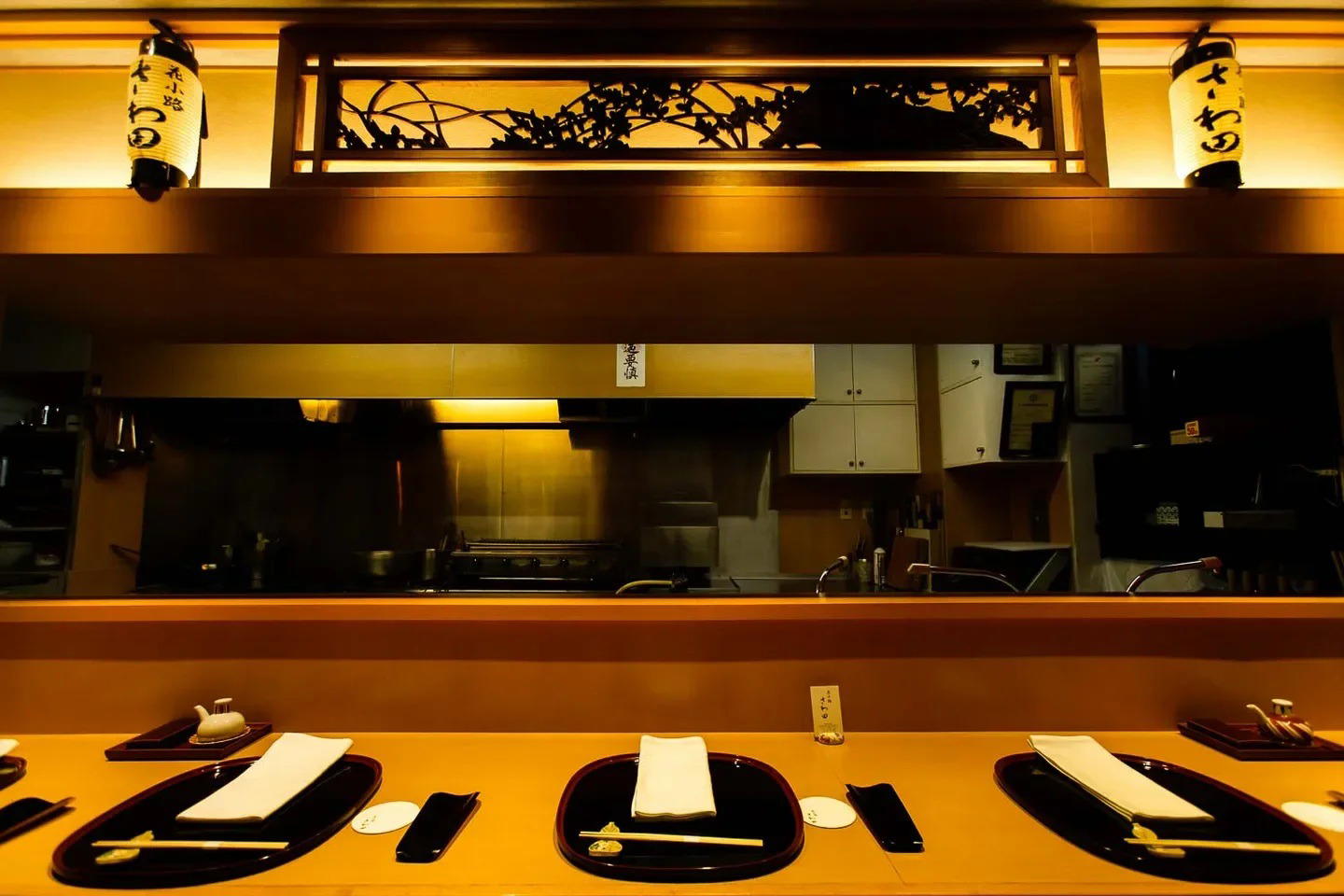
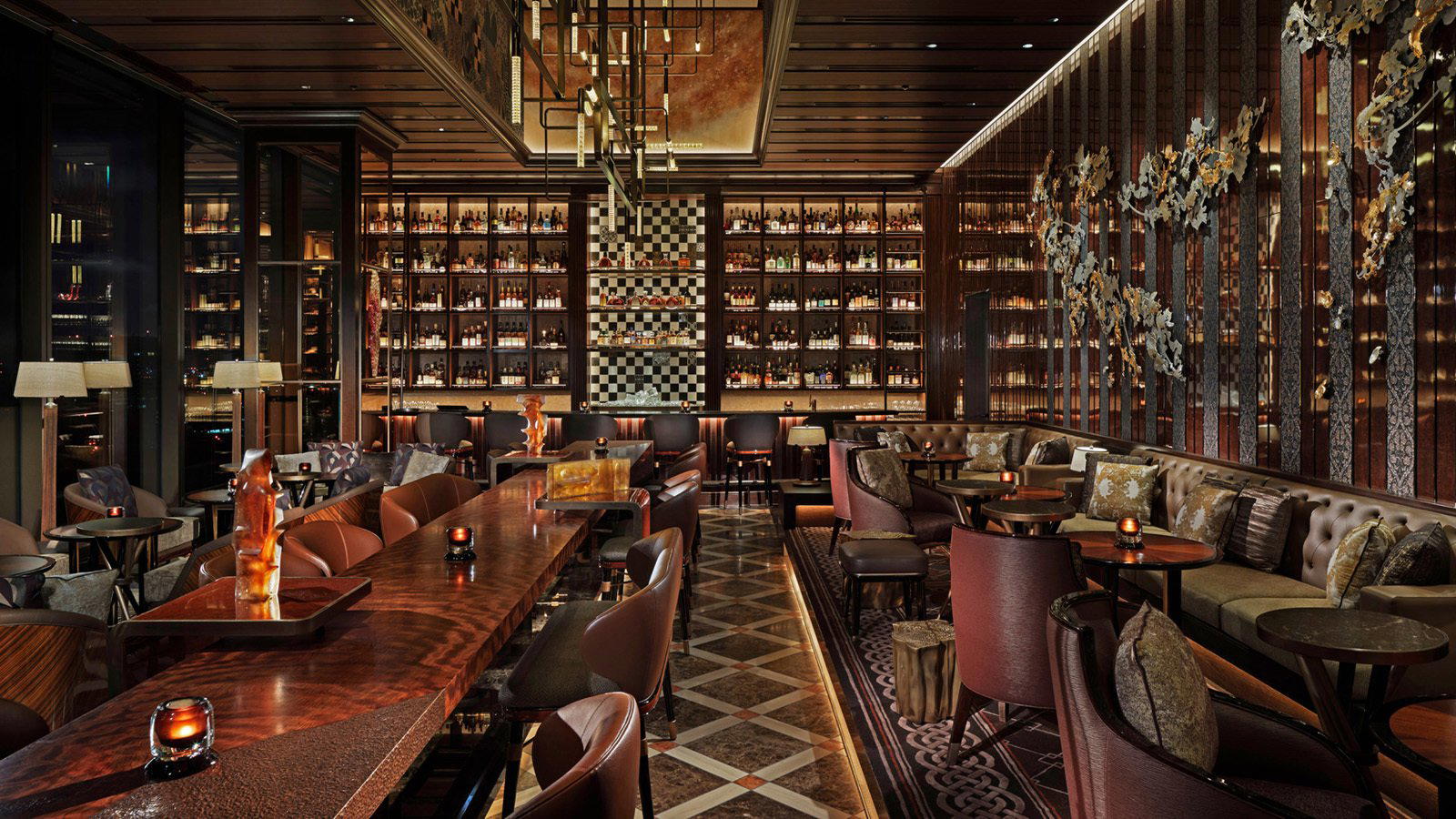
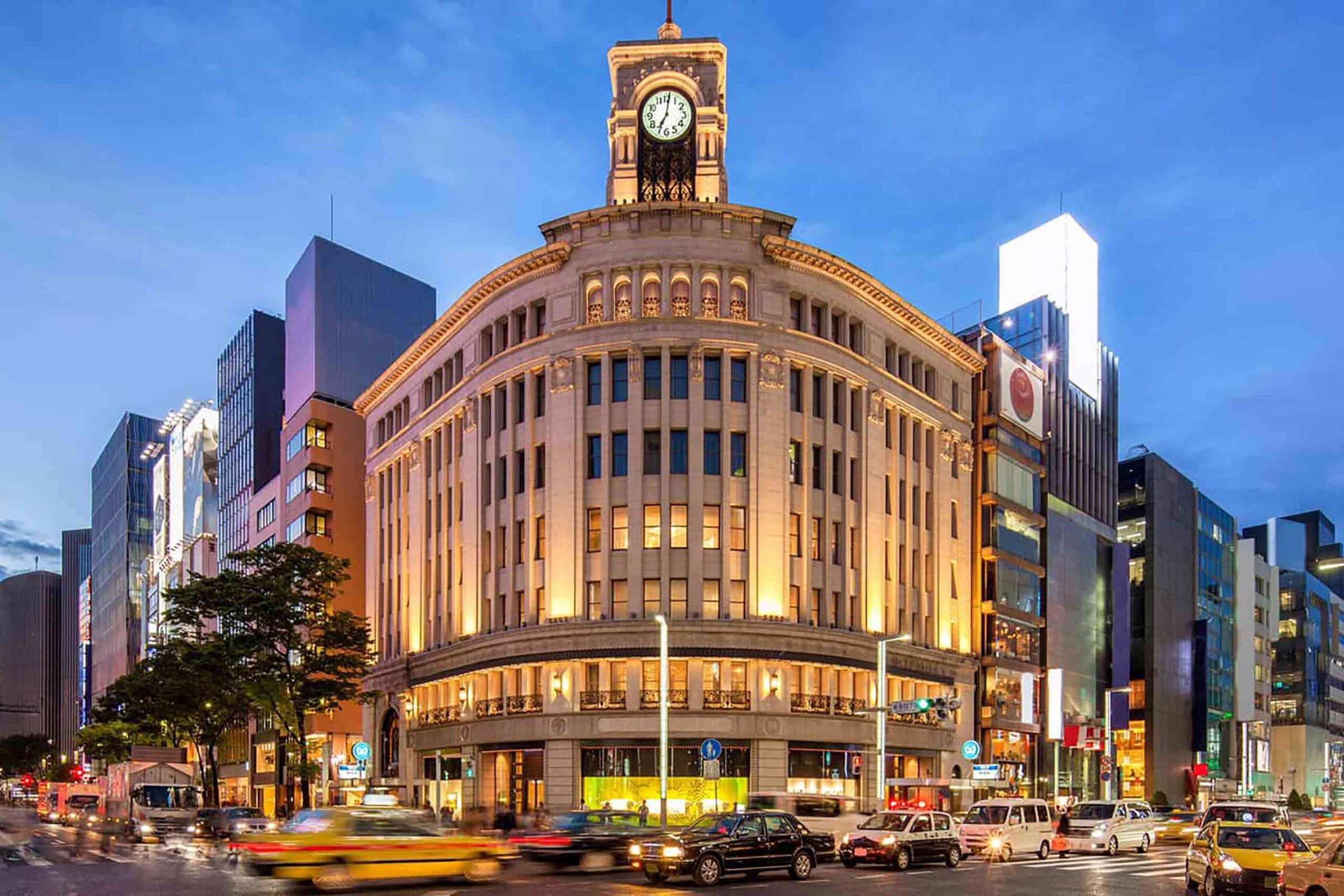
High-ceilinged, marble-floored dining room with mirrored walls and white tablecloths, creating a refined, modern-luxury atmosphere suited to quiet conversations and special-occasion dining.