
Tabelog 100 #51
Our verdict
セッタンタ occupies a quiet address in Nagoya's Higashi Ward, positioning itself within the city's growing tier of destination-grade Italian dining. The name itself, Italian for 'seventy', signals a European sensibility transplanted into one of Japan's most food-serious cities. Booking intelligence and neighbourhood context matter here before arrival.

Pearl is the En Primeur Club membership app, where members save venues, book tables and use the concierge.
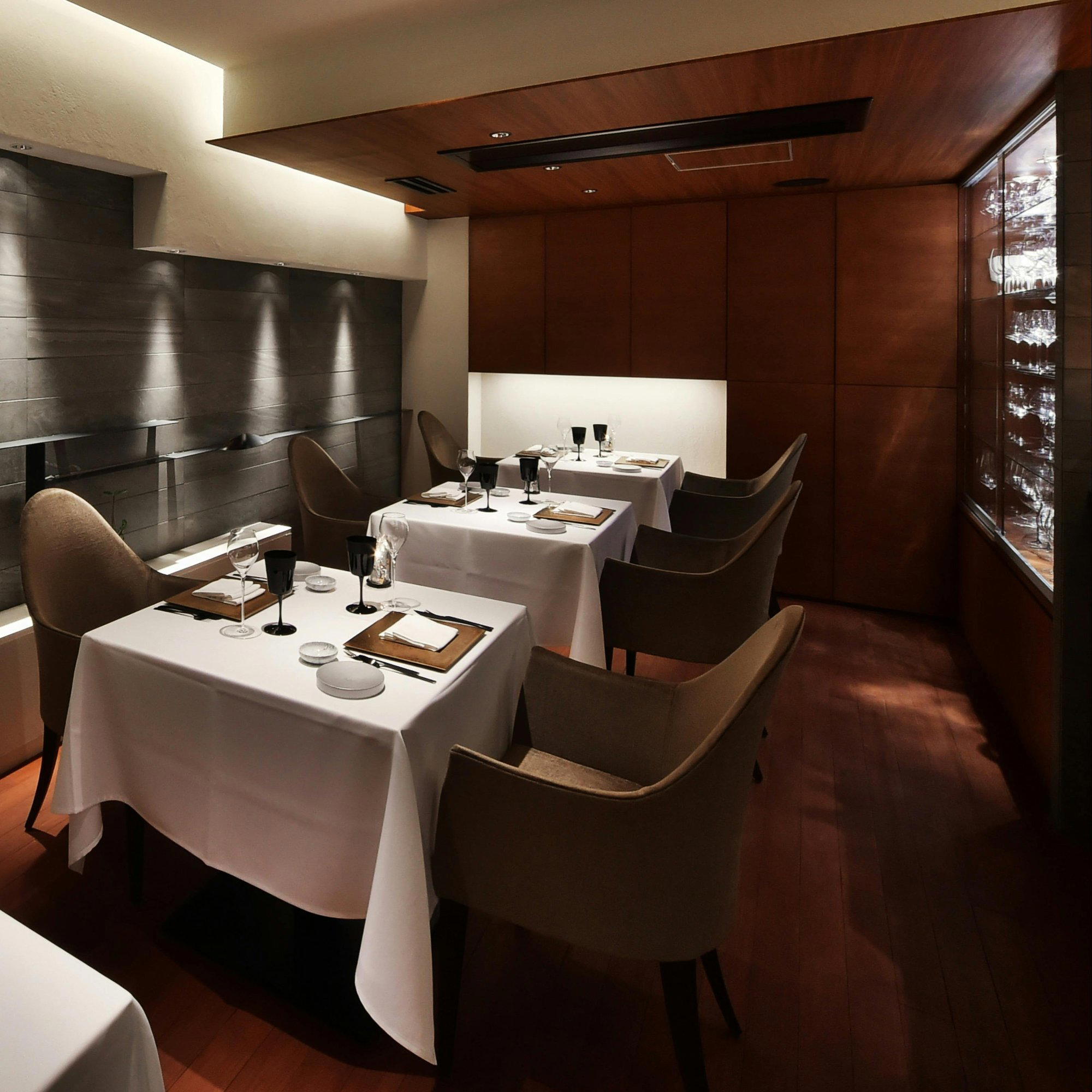
Italian Dining in Nagoya's Higashi Ward
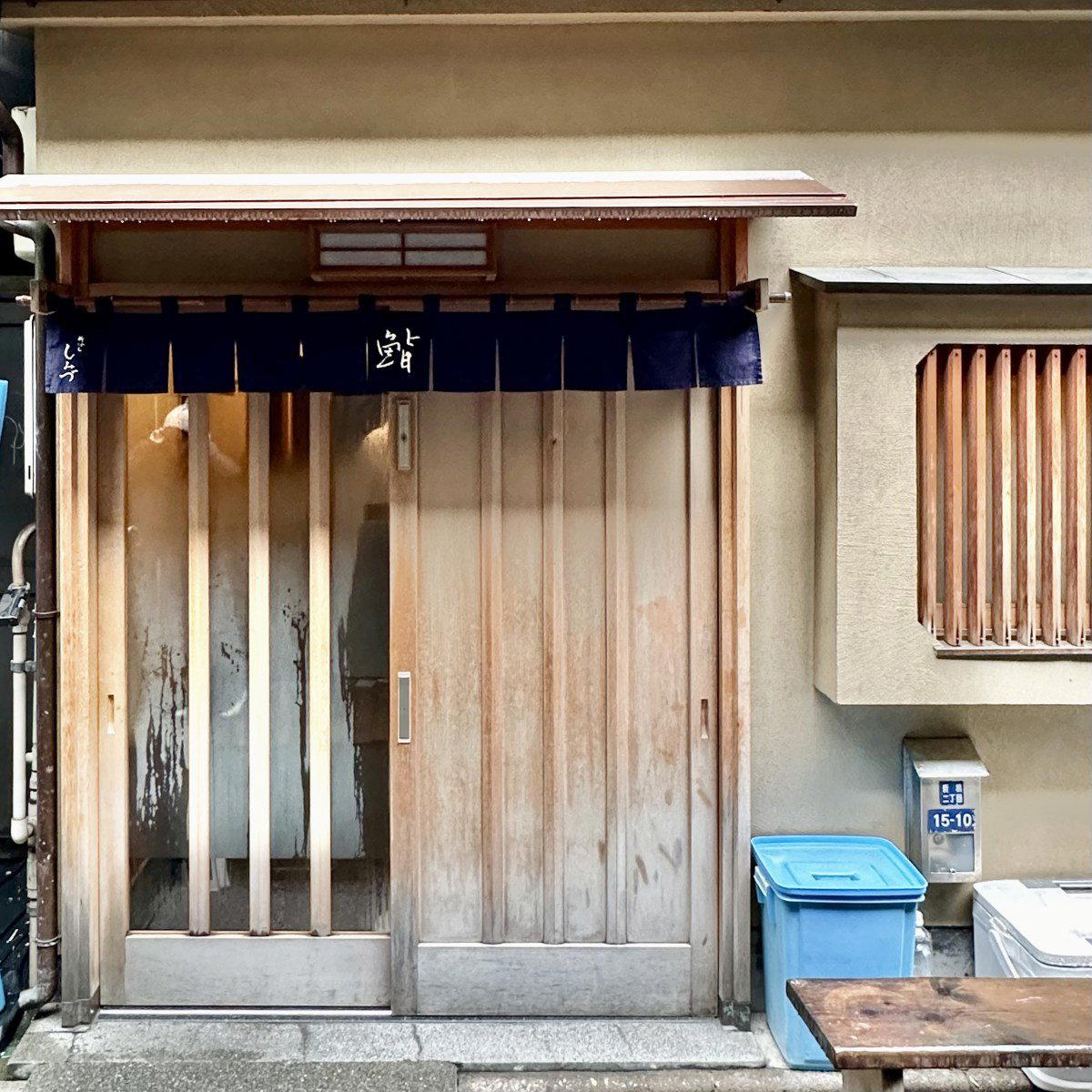
Nagoya has long operated in the shadow of Tokyo and Osaka when it comes to international dining recognition, but the city's Italian restaurant scene tells a more complicated story. Over the past decade, a cluster of serious Italian kitchens has taken root here, drawing on Japan's particular relationship with Italian cuisine, a connection that runs deeper than tourist-facing pasta menus and into the kind of technique-driven, ingredient-focused cooking that has earned Japanese-Italian restaurants recognition across the country. セッタンタ, addressed at 1 Chome-15-23 Izumi in Higashi Ward, sits within that broader movement, in a residential-leaning pocket of the city that rewards visitors who arrive with directions rather than wandering instinct.
The Higashi Ward address places the restaurant away from the dense commercial corridors around Nagoya Station and Sakae, which shapes the experience before a guest even enters. This part of the city tends toward quieter blocks, where restaurants operate on reputation and repeat custom rather than foot traffic. For visitors arriving from outside Nagoya, it is worth treating the journey as part of the planning, the nearest major rail access points are a direct taxi or subway ride from central Nagoya, and the address on Izumi is specific enough to navigate by map app without difficulty.
Nagoya's Italian dining tier includes several properties worth understanding as context. Bacio and cucina Wada occupy positions in the city's mid-to-upper Italian category, while Cucina Italiana Gallura represents a more hybrid approach that has attracted its own following. Understanding where セッタンタ fits within that competitive set requires local knowledge that is still accumulating, the restaurant's profile remains relatively contained compared to those with more established public records.
The Name as Signal
The name セッタンタ, Italian for 'seventy', carries embedded meaning worth considering. In Italian dining culture, numbered names often reference a year, a table count, or a personal marker. Whatever the specific reference, the choice of Italian over Japanese for the restaurant's name places the European tradition at the centre of the identity, rather than framing it as one influence among many. That kind of naming decision is common in Japan's more committed Italian kitchens, where the distinction between Italian-inspired Japanese cooking and genuinely Italian-rooted cuisine is taken seriously by both operators and guests.
Japan's relationship with Italian cuisine is documented and long-running. Italian food arrived in Japan in meaningful volume in the 1980s and deepened through the 1990s, when a generation of Japanese chefs trained in Italy and returned to open kitchens that applied Japanese precision to Italian frameworks. The resulting category, sometimes called Italian in Japan, has produced restaurants recognized well beyond the country's borders. HAJIME in Osaka represents one strand of this tradition at its most technically ambitious. Nagoya's contribution to that lineage is less documented internationally, but the city's food culture, anchored by its own distinct culinary identity, separate from Kyoto kaiseki or Tokyo omakase, has supported serious European kitchens for years.
Planning Around Limited Public Information
The practical challenge with セッタンタ is the relative scarcity of confirmed public data. In Japan, this situation is not uncommon among smaller, serious dining rooms, some of the country's most regarded tables operate through referral networks, reservations made via dining concierge services, or through the hotel concierge infrastructure that serves business travelers in cities like Nagoya. If you are approaching a booking through a hotel, the concierge at a property in central Nagoya will often have direct lines to restaurants that do not maintain public-facing booking infrastructure.
The booking difficulty question, whether this restaurant is hard to reach or simply under-documented, matters for planning. Restaurants at this address type in Higashi Ward, operating without visible public booking channels, tend to be either very small rooms where capacity fills quickly through regular guests, or newer properties still building their public presence. Either scenario suggests contacting through a concierge channel or through a dining service that maintains local restaurant relationships in Nagoya. For comparison, consider how bookings work at places like Harutaka in Tokyo or Gion Sasaki in Kyoto, where the absence of easy public booking is itself a signal about the restaurant's operating model rather than a technical oversight.
For visitors building a wider Nagoya itinerary, the city offers confirmed alternatives across cuisine categories. Atsuta Horaiken (あつた蓬莱軒 本店) anchors the city's hitsumabushi tradition with a documented history and reliable booking access. Chez Kobe holds a position in Nagoya's French category. Across Japan more broadly, properties like Goh in Fukuoka and akordu in Nara illustrate the range of European-influenced fine dining available to travelers willing to move beyond the major hubs. See our full Nagoya restaurants guide for a broader map of the city's dining options.
What the Address Tells You
Izumi, the neighbourhood within Higashi Ward where セッタンタ is located, sits northeast of central Nagoya, a district that mixes residential blocks with smaller commercial streets. It is not a dining district in the way that Sakae's concentrated restaurant rows function, which means the restaurant draws guests who are already committed to being there, not those who stumble in from adjacent foot traffic. This dynamic tends to concentrate the room with guests who have made considered choices, a factor that shapes the atmosphere of any small dining room operating in a similar position. Comparable dynamics play out in restaurants across Japan's secondary cities, from Nanao to Takashima, where destination intent is baked into the guest profile by geography alone.
For travelers building an itinerary around Nagoya's more considered dining options, reaching out through a travel specialist or dining concierge familiar with the city remains the most reliable approach for any restaurant operating below the radar of international booking platforms.
Frequently asked questions
What should I eat at セッタンタ?
How hard is it to get a table at セッタンタ?
What's the defining dish or idea at セッタンタ?
Can セッタンタ accommodate dietary restrictions?
Is セッタンタ worth the price?
Is セッタンタ connected to Nagoya's broader Italian dining community?
Credentials Lens
Comparable venues nearby, for context on price, style, and recognition.
| Venue | Cuisine | Price | Awards | Notes |
|---|---|---|---|---|
| セッタンタThis venue (the venue you are viewing) | Modern Italian Fine Dining | $150–200 | Tabelog 100 #51 | Not listed |
| 日本のイタリア料理店 sai | Japanese Italian Cuisine | $100–150 | Tabelog Bronze #380 | Naka |
| イル アオヤマ | Japanese-Inflected Italian Cuisine | $300–500 | Tabelog Silver #42 | Higashi |
| オステリア リュウ | Northern Italian Osteria | $50–100 | Tabelog 100 #12 | Chikusa |
| Centro | Seasonal Italian Omakase in Nagoya | $100–150 | Tabelog 100 #87 | Higashi |
| Cucina Italiana Selvaggio | Japanese-Style Italian Fine Dining | $50–100 | Tabelog 100 #80 | Higashi |
Recognition history
Dated appearances from independent guides and award organizations, with the underlying list record or original source where available.
Tabelog 100 #51 · No. 51
Tabelog · Tabelog 100 - Italian - EAST - 2025
Continue exploring
More in Nagoya
Restaurants in Nagoya
All restaurants in Nagoya →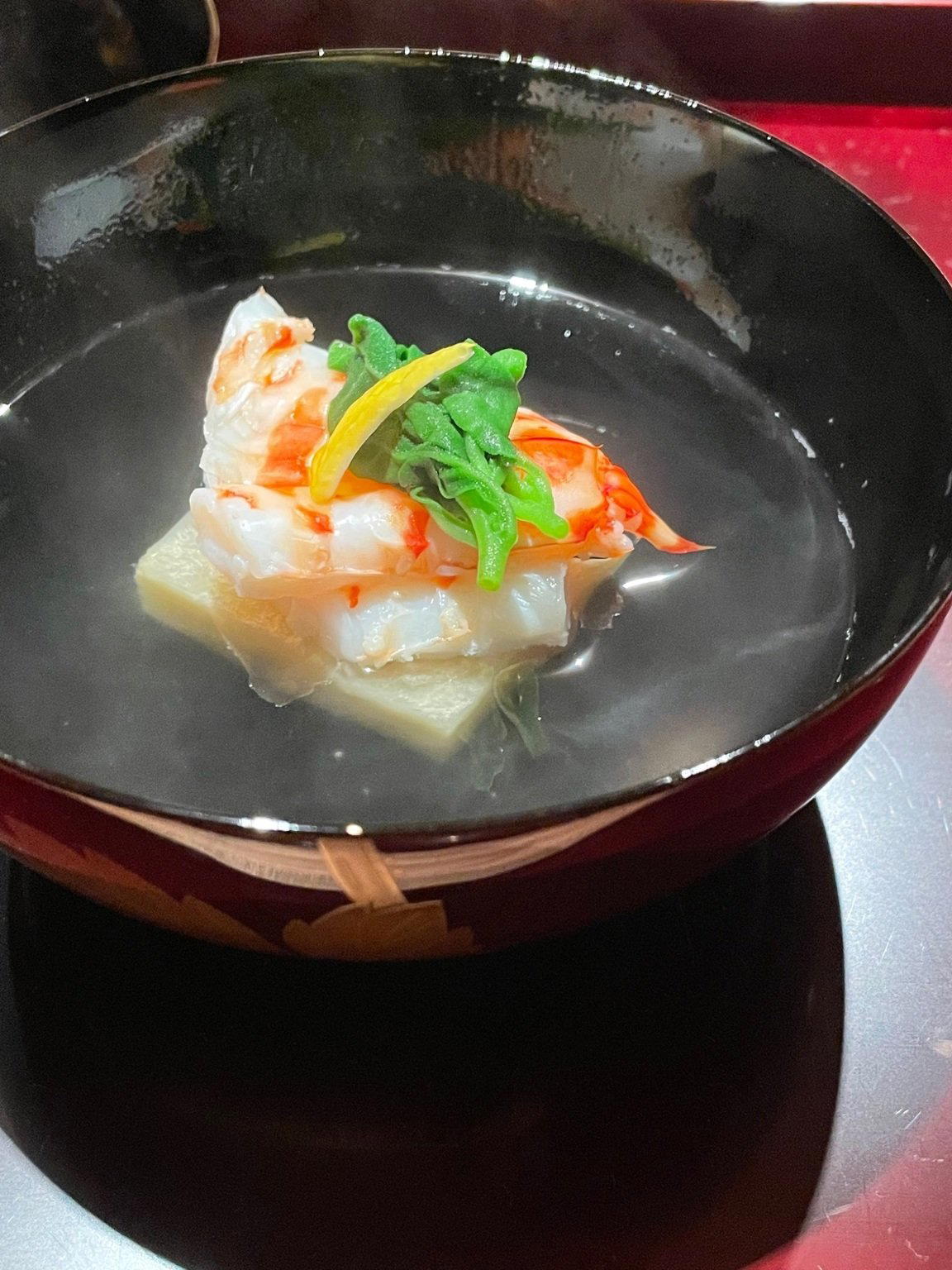

Details
- Quiet
- Elegant
- Sophisticated
- Intimate
- Modern
- Date Night
- Special Occasion
- Business Dinner
- Private Dining
- Sommelier Led
- A La Carte
Current opening hours
- Monday
- Closed
- Tuesday
- 11:30 AM–12:30 PM, 6–8 PM
- Wednesday
- 11:30 AM–12:30 PM, 6–8 PM
- Thursday
- 11:30 AM–12:30 PM, 6–8 PM
- Friday
- 11:30 AM–12:30 PM, 6–8 PM
- Saturday
- 11:30 AM–12:30 PM, 6–8 PM
- Sunday
- Closed
Hours can change for holidays and private events. Hours as of .
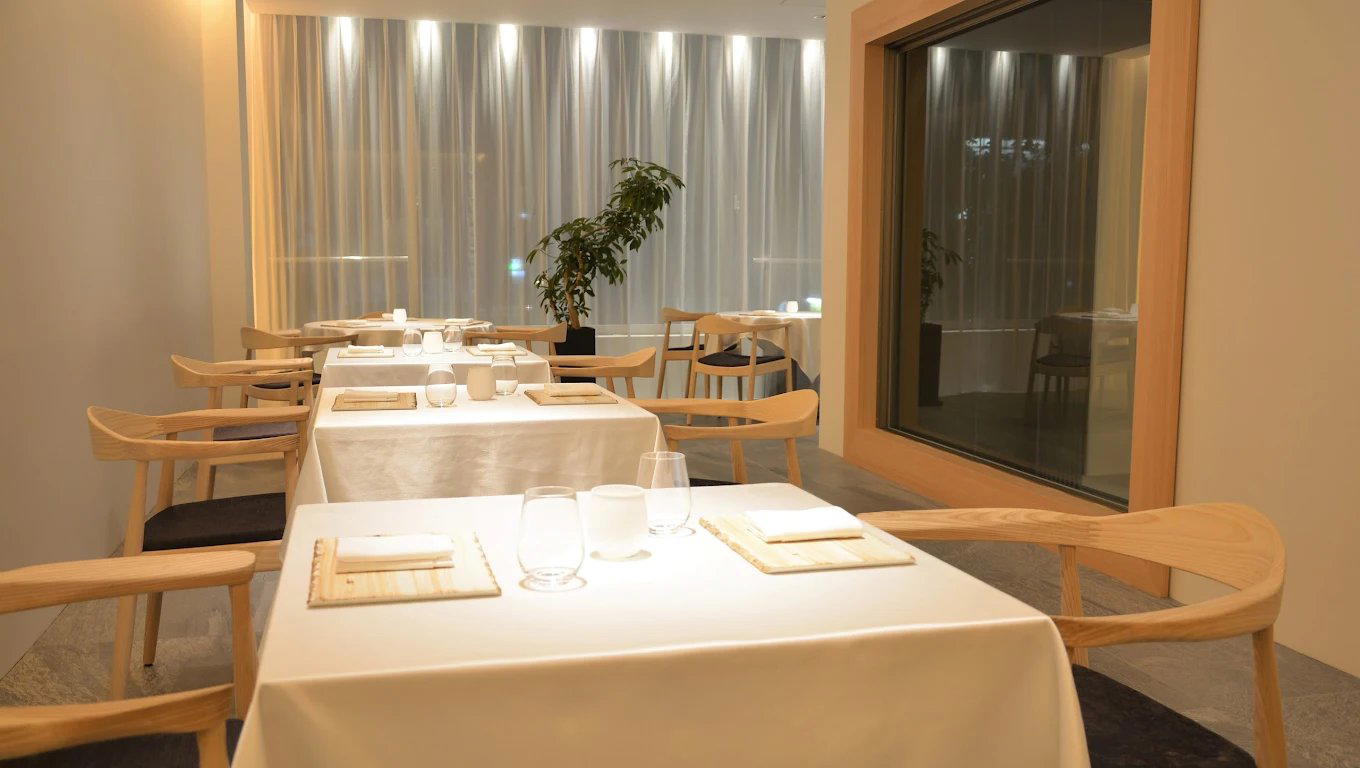
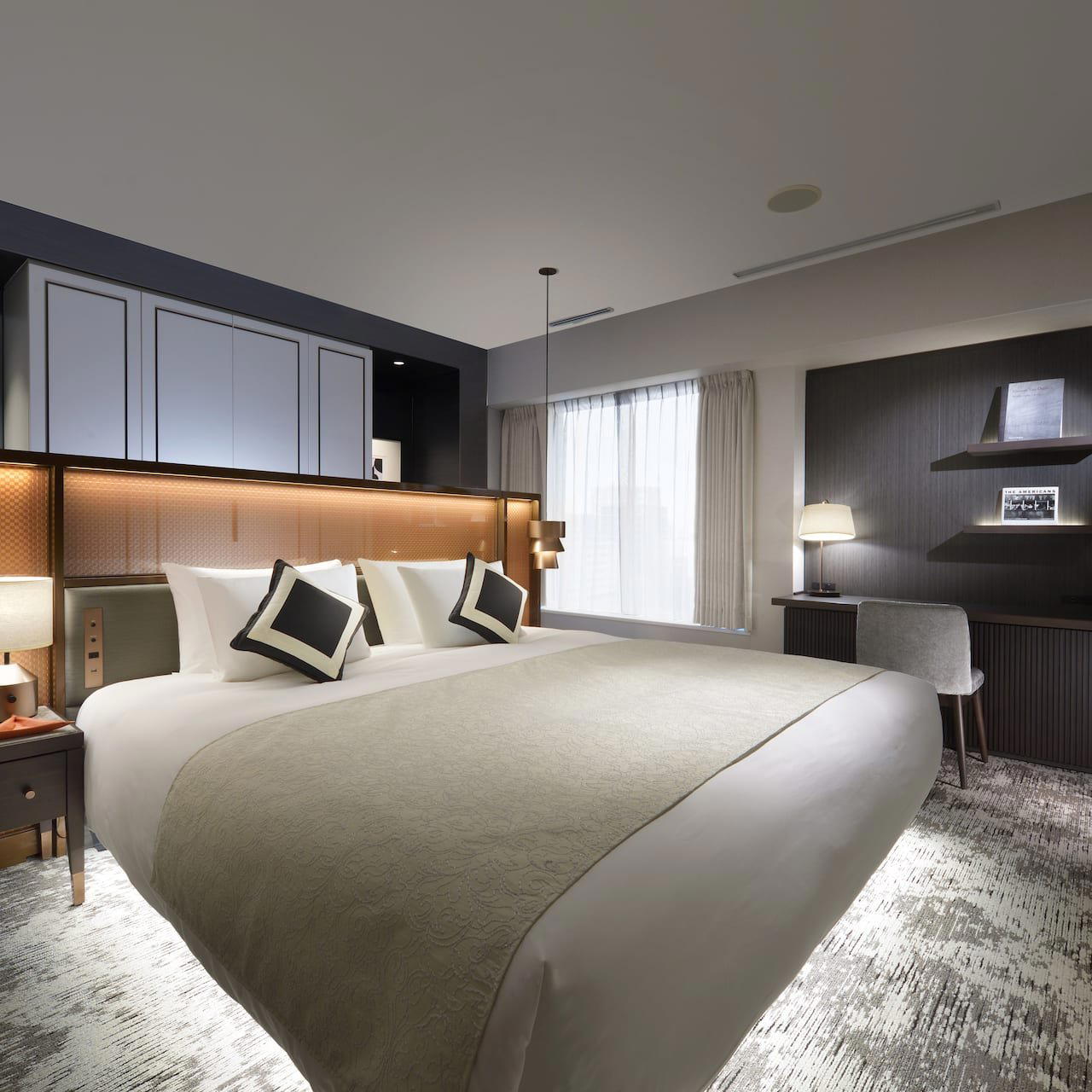
Tense and refined space with sophisticated tension noted by visitors.