Located on the 40th floor of Shinjuku Park Tower, 梢 occupies a tier of Tokyo dining where altitude and restraint converge. Among the city's high-floor restaurants, it sits in a category where physical setting and culinary precision share equal weight. For visitors comparing premium options in Shinjuku, it warrants serious consideration alongside the neighbourhood's broader fine-dining circuit.
Pearl is the En Primeur Club membership app — saves, bookings, and concierge access live there. Same editors, same standards.
- Address
- Shinjuku Park Tower, 40階, 3 Chome-7-1-2 Nishishinjuku, Shinjuku City, Tokyo 160-0023, Japan
- Phone
- +81353233460
 Saves & bookings on Pearl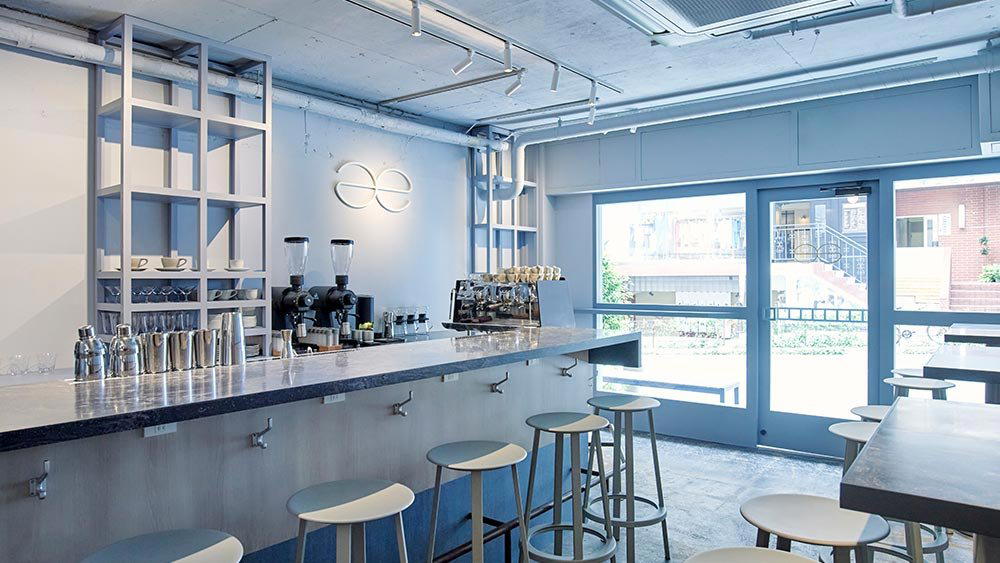
Forty Floors Above Nishishinjuku
梢 is a modern zero waste cafe in Tokyo's Shinjuku district, set on the 40th floor of Shinjuku Park Tower and priced at about $20 per person. Tokyo's high-rise dining tier operates on a different logic from the city's ground-level counter culture. Where basement sushi rooms and first-floor kaiseki houses draw power from intimacy and compression, the restaurants that occupy the upper floors of skyscrapers trade in a different currency: scale, horizon, and the particular silence that comes when the city falls away below you. 梢, positioned on the 40th floor of Shinjuku Park Tower in Nishishinjuku, belongs to this second category. The address alone places it in a defined competitive set, one where the physical environment is as much a part of the proposition as anything arriving on the plate.
Shinjuku Park Tower is among the more architecturally serious of the district's high-rises, designed by Kenzo Tange and completed in the mid-1990s. The building's upper floors have long housed Park Hyatt Tokyo, which has made this particular slice of Nishishinjuku a reference point for hospitality in the western part of the city. 梢 sits within that context, drawing on the building's inherited reputation while operating as its own distinct entity on the 40th floor.
The Experience of Arrival
Reaching the 40th floor of a Nishishinjuku tower is itself a calibration exercise. The elevator ascent is swift enough to feel disorienting, and the transition from the street-level density of Shinjuku, one of Tokyo's most compressed commercial districts, to the comparative quiet of an upper-floor dining room is abrupt in a way that no ground-level restaurant can replicate. By the time you arrive, the city has reorganised itself into geometry: the grid of Shinjuku's streets, the dark rectangle of Shinjuku Gyoen to the southeast, and on clear evenings, the distant profile of the mountains beyond the western suburbs.
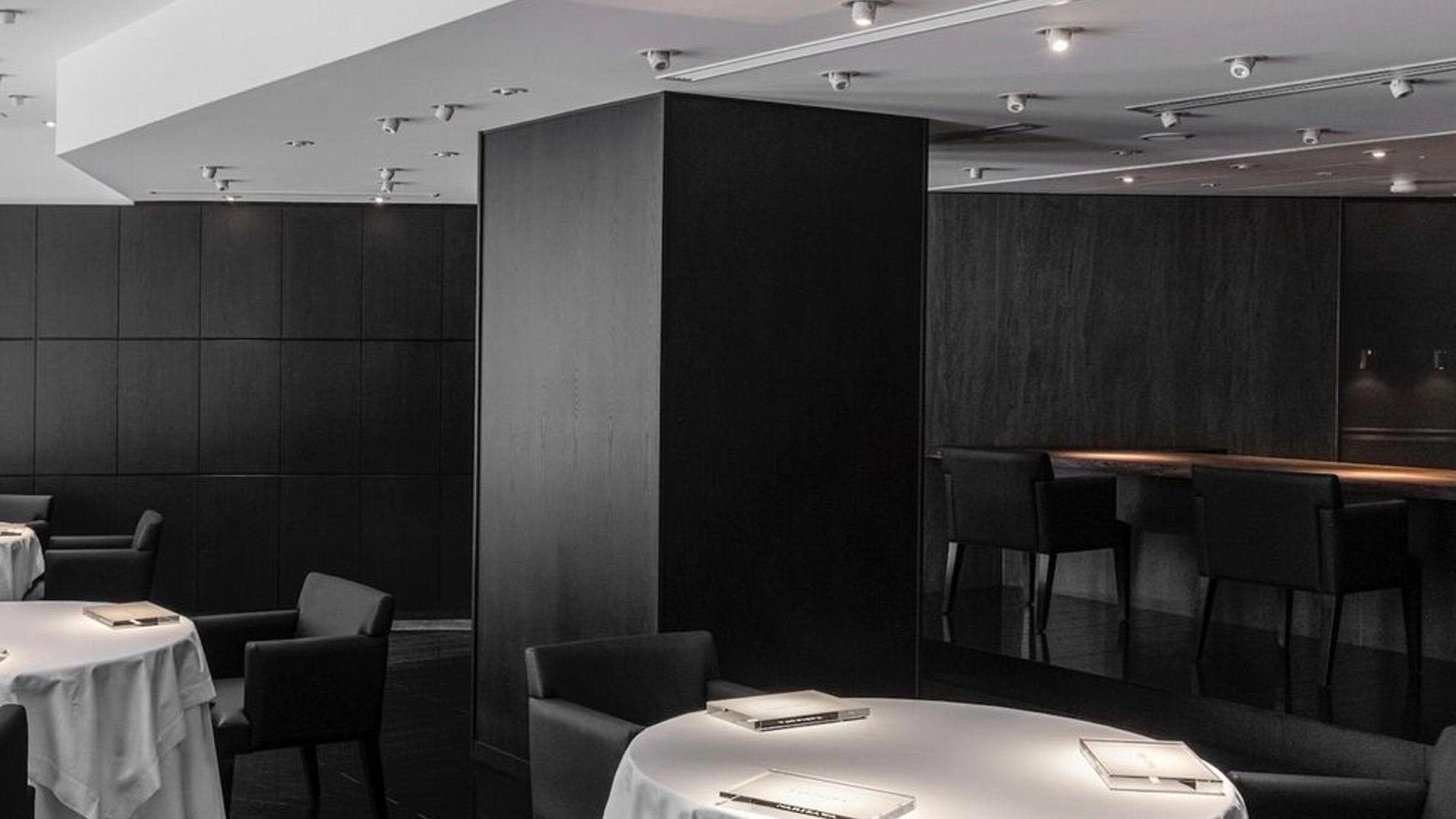
This atmospheric shift is not incidental. High-floor dining in Tokyo has always understood that the journey upward is part of the format. The sensory transition from urban noise to refined quiet functions as a kind of pacing device, separating the meal from whatever came before it. Among the city's premium restaurants, those that handle this transition well, through considered interior design, lighting calibration, and a pace of service that matches the unhurried mood the altitude creates, tend to hold their position more durably than those that simply rely on the view as a standalone draw.
Positioning in Tokyo's Premium Dining Field
Tokyo's dining scene is layered with unusual precision. At the summit of the market, restaurants like Harutaka (sushi, ¥¥¥¥), L'Effervescence (French, ¥¥¥¥), RyuGin (kaiseki, ¥¥¥¥), and Sézanne (French, ¥¥¥¥) occupy clearly defined niches, each with Michelin recognition and an established international profile. Crony represents the innovative French register at the same price tier. 梢, at its Shinjuku Park Tower address, positions itself adjacent to this cohort through its building association and its location within one of the city's most significant hospitality addresses rather than through a competing volume of press citations.
This is a meaningful distinction. Tokyo has enough Michelin-starred restaurants that a venue can build a serious reputation through consistent quality and a loyal returning audience without accumulating the kind of international press profile that brings reservation queues from abroad. The high-floor format tends to attract a clientele that already knows the building, already values the setting, and is less dependent on external validation than the city's most media-facing counters.
For broader context across Japan's premium dining scene, comparable levels of culinary ambition appear at HAJIME in Osaka, Gion Sasaki in Kyoto, and akordu in Nara, each operating in a regional register that differs from Tokyo's density. Within the capital, 梢's Nishishinjuku setting gives it a geography distinct from the Ginza and Minami-Aoyama clusters where much of Tokyo's international fine-dining attention is concentrated.
The Sensory Architecture of a High-Floor Meal
There is a specific quality to sound at this altitude that ground-level restaurants cannot manufacture. The ambient noise floor is lower. Conversations carry differently. Service movements read more clearly against the quiet. These are not trivial observations, in the context of a long, multi-course meal, the acoustic environment shapes how a guest experiences pacing, attention, and the weight given to each course arrival.
Restaurants that understand this tend to calibrate their service rhythm accordingly, allowing intervals between courses that would feel slow at street level but read as considered at altitude. The view from a 40th-floor window also changes across the course of an evening in ways that a fixed interior cannot: the late-afternoon light on the Shinjuku skyline, the transition to the neon and tower-light grid of full darkness, and the particular clarity that comes when the city's particulate settles on cold, dry evenings.
This sensory dimension is what separates the stronger entries in Tokyo's high-floor dining category from those that simply occupy expensive real estate. The restaurants that last in these positions are those that treat altitude as an integrated part of the dining logic rather than a backdrop.
Planning a Visit
Shinjuku Park Tower is a short walk from Hatsudai Station on the Keio New Line, and accessible from Shinjuku Station's west exit via a covered pedestrian walkway. Nishishinjuku's concentration of high-rise towers makes the building easy to identify from a distance.
Elsewhere in Japan, those extending their trip can reference Goh in Fukuoka, 一本木 石川製 in Nanao, 奥仙山乃 in Sapporo, 湖畔庵 in Takashima, 庄羽屋 in Nishikawa Machi, Birdland in Sakai, and Bistro Ange in Toyohashi for regional options at varying price points. For international comparison at the premium French seafood tier, Le Bernardin in New York City and Atomix in New York City provide a useful reference for how culinary ambition at this level translates across markets.
The Minimal Set
Comparable venues nearby, for context on price, style, and recognition.
| Venue | Cuisine | Price | Notes |
|---|---|---|---|
| 梢 | Shinjuku, Modern Zero Waste Cafe | $$ | Not listed |
| tonkatsu.jp表参道 | Omotesando, Premium Tonkatsu Specialist | $$ | Not listed |
| Kaneko Hannosuke (金子半之助) | Not listed | $$ | Nihonbashi, Edo-style Tempura Rice Bowls (Tendon) |
| breadworks Omotesando | Minato, Bakery-Cafe | $$ | Not listed |
| DAIJU | Toshima, Yakiniku & Morioka cold noodles | $$ | Not listed |
| Kuya | Not listed | $$ | Chūō, Traditional Japanese Wagashi & Monaka |














At a Glance
- Modern
- Quiet
- Trendy
- Casual Hangout
- Design Destination
Contemporary interior design with a tranquil vibe and pleasant welcoming service.