Fukui Iwatei Shunka sits in Fukui's Haruyama district, representing the restrained, produce-led dining tradition that defines the prefecture's better tables. The meal follows a rhythm shaped by seasonal Hokuriku ingredients, where pacing and ritual carry as much weight as what arrives on the plate. For visitors tracing Japan's regional dining circuit beyond Kyoto and Osaka, Fukui's quieter scene rewards attention.
Pearl is the En Primeur Club membership app — saves, bookings, and concierge access live there. Same editors, same standards.
- Address
- 1階, タカシマビル 2 Chome-4-4 Haruyama, Fukui, 910-0019, Japan
- Phone
- +81776280028
- Website
- bougetsu.biz
- Directions
- Get directions
 Saves & bookings on Pearl
A Dining Pace Shaped by Hokuriku Seasonality
There is a particular register in which regional Japanese dining operates — slower than the counter theatrics of Tokyo's premium omakase circuit, less self-consciously architectural than the kaiseki rooms of Kyoto, and grounded in a kind of seasonal literalism that reflects what the prefecture's fishing ports and mountain foothills actually produce. In Fukui, that register is especially pronounced. The prefecture sits along the Sea of Japan coast, where cold-water fisheries deliver ingredients — snow crab in winter, fugu in the cooler months, fresh-caught yellowtail, that have shaped a local dining culture less interested in technique as spectacle and more in allowing the ingredient to set the terms. Fukui Iwatei Shunka, located in the Haruyama district of central Fukui, sits within that tradition.
Haruyama is a quiet commercial stretch by Fukui standards, not the kind of address that announces itself, but consistent with how the city's better dining rooms tend to position themselves. Fukui is not a city that competes with its neighbors for culinary attention. Our full Fukui restaurants guide maps the broader scene, but the short version is this: the prefecture's serious tables work from a position of geographic confidence, trusting that what comes off the boat or out of the mountains is argument enough.
The Structure of the Meal
The dining ritual at a room like this follows conventions common to mid-to-high-end regional Japanese dining: a progression through courses that reflects the season rather than a fixed menu architecture, with each element timed to arrive when it is at its most functional temperature and texture. This is not the rapid-fire pacing of a ramen counter or the ceremonial deliberateness of full kaiseki; it occupies a middle register where the meal has structure without rigidity.
In Hokuriku prefectures, winter is when the kitchen's hand is most visible. Echizen crab, Fukui's most closely guarded seasonal credential, harvested from licensed boats operating under strict quotas, appears at tables across the city from November through March. The crab commands premium pricing across Fukui's restaurant tier, and its presence or absence is a reliable indicator of season and sourcing seriousness. Summer brings a different set of terms: lighter preparations, river fish alongside sea catch, and the kind of vegetable work that reflects proximity to Echizen's agricultural zones.
The etiquette expected at a room operating in this format is the unspoken kind: unhurried arrival, attention to what is placed in front of you, and a willingness to follow the pace the kitchen sets rather than negotiate it. Fukui's dining rooms at this level are not places where the menu arrives as a long document to study. The kitchen's seasonal reading determines the arc of the meal, and the diner's role is to receive it on those terms.
Where Fukui Sits in Japan's Regional Dining Map
Japan's regional fine dining circuit has deepened considerably over the past decade. What was once a Tokyo-Kyoto-Osaka axis has expanded to include prefectures that reward dedicated travel: Fukuoka's counter culture (see Goh in Fukuoka), Nara's quietly serious tables (see akordu in Nara), and Ashiya's precision-focused rooms (see Abon in Ashiya). Fukui has not generated the same travel press as those destinations, which means its better restaurants operate with less competitive pressure and more direct access for visitors who make the effort.
The comparison set relevant to Fukui Iwatei Shunka is not Osaka's starred flagship rooms, venues like HAJIME in Osaka operate in an entirely different register of ambition and price, but rather the regional practitioners who work from strong local product with a seasonal and produce-led philosophy. In that peer group, Fukui's crab-season tables hold their own against anything in the Hokuriku corridor. For reference points further afield, Harutaka in Tokyo and Gion Sasaki in Kyoto represent the urban end of the same Japanese seasonal dining tradition, more scrutinized, more booked-out, and significantly more expensive.
Fukui's dining scene also includes a range of formats worth mapping before you visit. Sushi Jubei handles the city's sushi tier, while Kaikatei covers Chinese-influenced dining. Miyazaki, 寿司廣, and 御料理 山中 round out a scene that punches above what its population size might suggest.
Planning a Visit
Fukui is accessible by shinkansen since the Hokuriku extension opened in March 2024, which has materially reduced travel time from Osaka and Kanazawa and brought the prefecture into easier reach for weekend travel from Japan's major cities. The Haruyama address is walkable from central Fukui, positioning a meal here as a logical anchor for a broader day in the city rather than a destination requiring its own logistical planning. Visitors exploring Japan's secondary dining cities more broadly might also consider affetto akita in Akita, Aji Arai in Oita, Ajidocoro in Yubari District, or Akakichi in Imabari as part of a wider regional circuit. For those coming from further afield and calibrating expectations against international fine dining benchmarks, Le Bernardin in New York City and Lazy Bear in San Francisco both operate within a similarly produce-driven, tasting-format framework, though the cultural register is entirely different.
Specific details on hours, reservation method, and pricing for Fukui Iwatei Shunka are best confirmed directly, as contact information was not available at time of writing. For winter visits, timing around the Echizen crab season (November through March) is the single most consequential planning decision for anyone whose interest is in experiencing Fukui's most locally specific product.
Cuisine and Awards Snapshot
| Venue | Cuisine | Awards |
|---|---|---|
| ç¦äºå²ç¹ ææThis venue — the venue you are viewing | This venue | Not listed |
| Sushi Jubei | Sushi | Sushi |
| Kaikatei | Chinese | Chinese |
At a Glance
- Classic
- Elegant
- Intimate
- Special Occasion
- Date Night
- Sake Program
- Local Sourcing
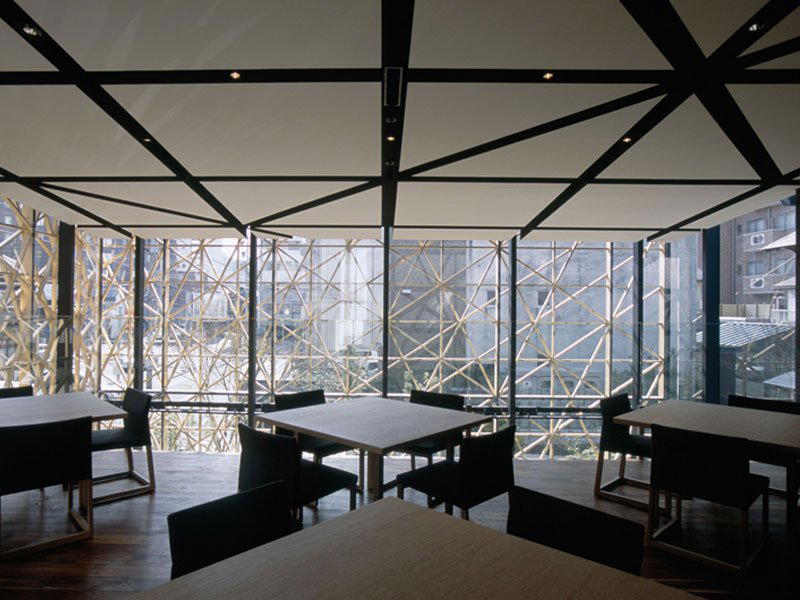
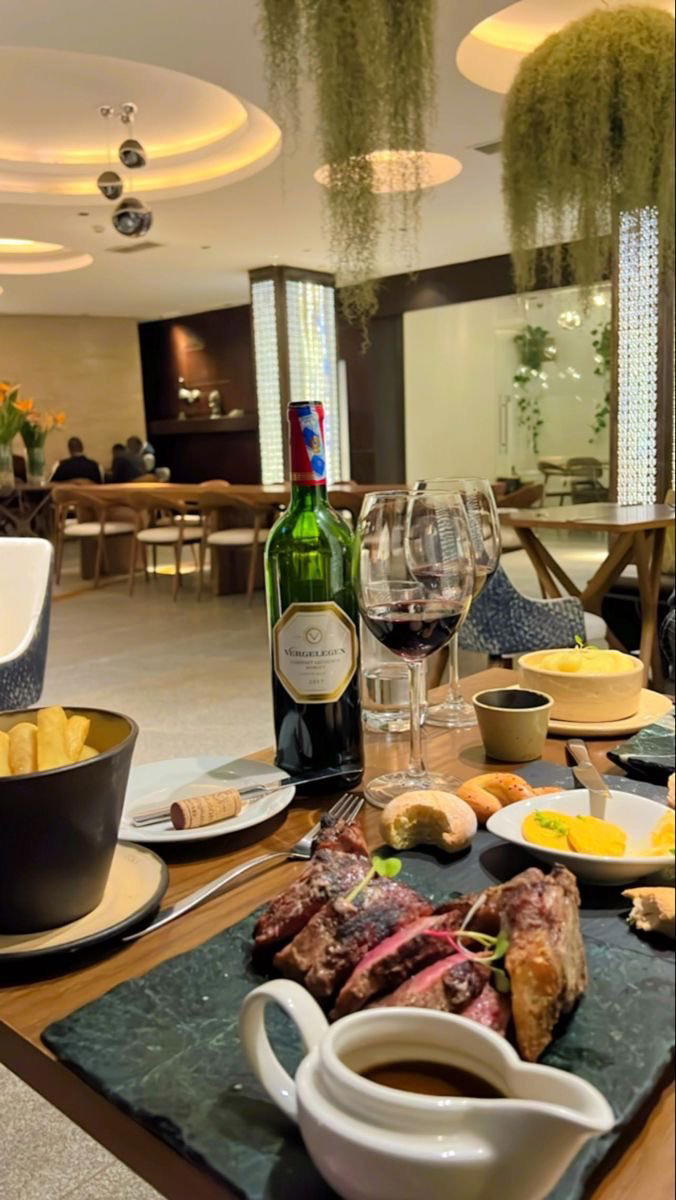
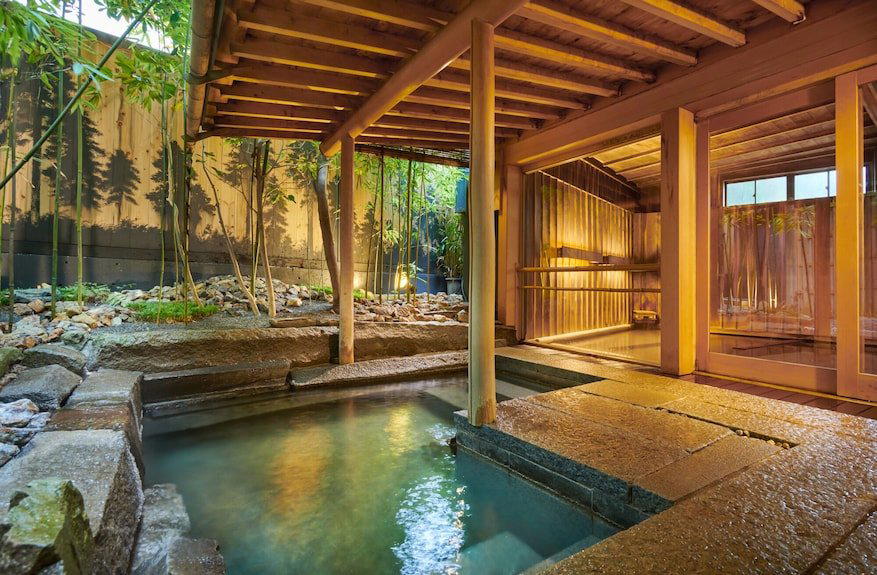
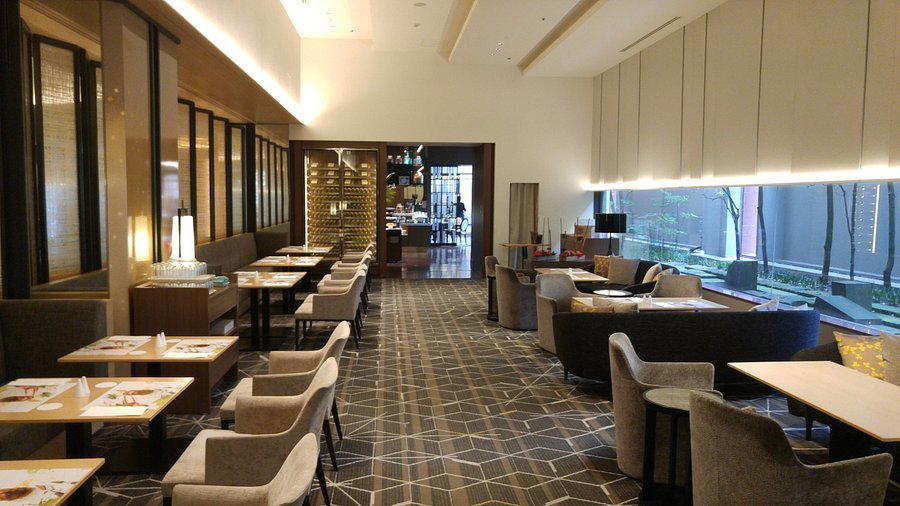
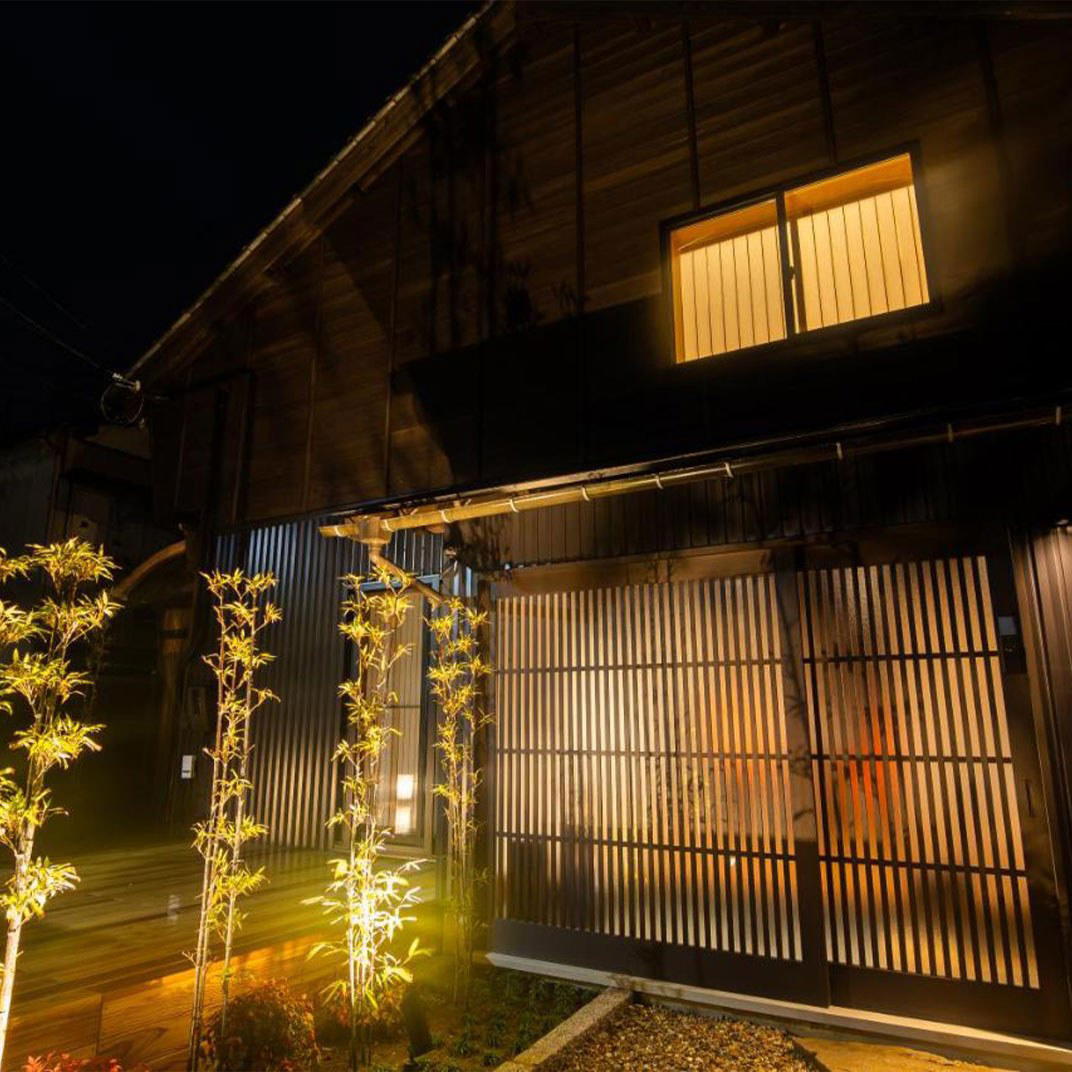
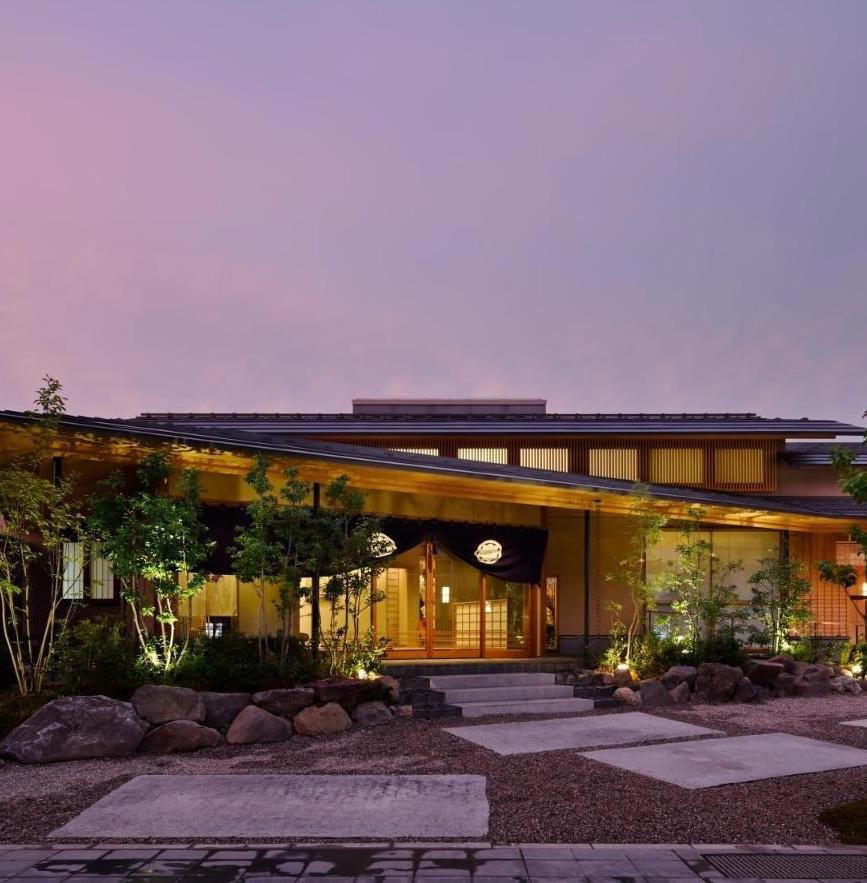
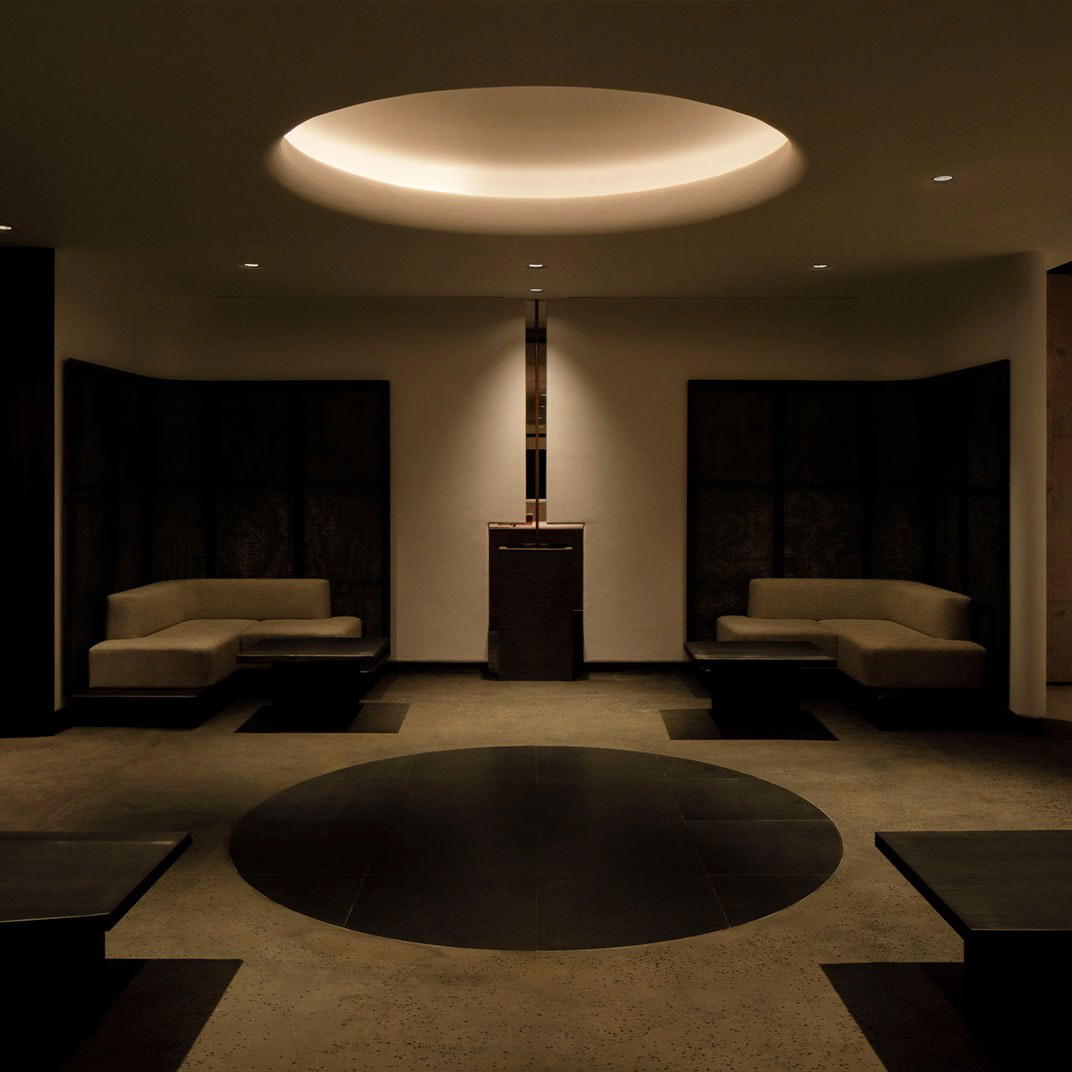
Elegant and serene with focus on seasonal ingredients and refined presentation.
Know Before You Go
- Getting there
- 1階, タカシマビル 2 Chome-4-4 Haruyama, Fukui, 910-0019, Japan