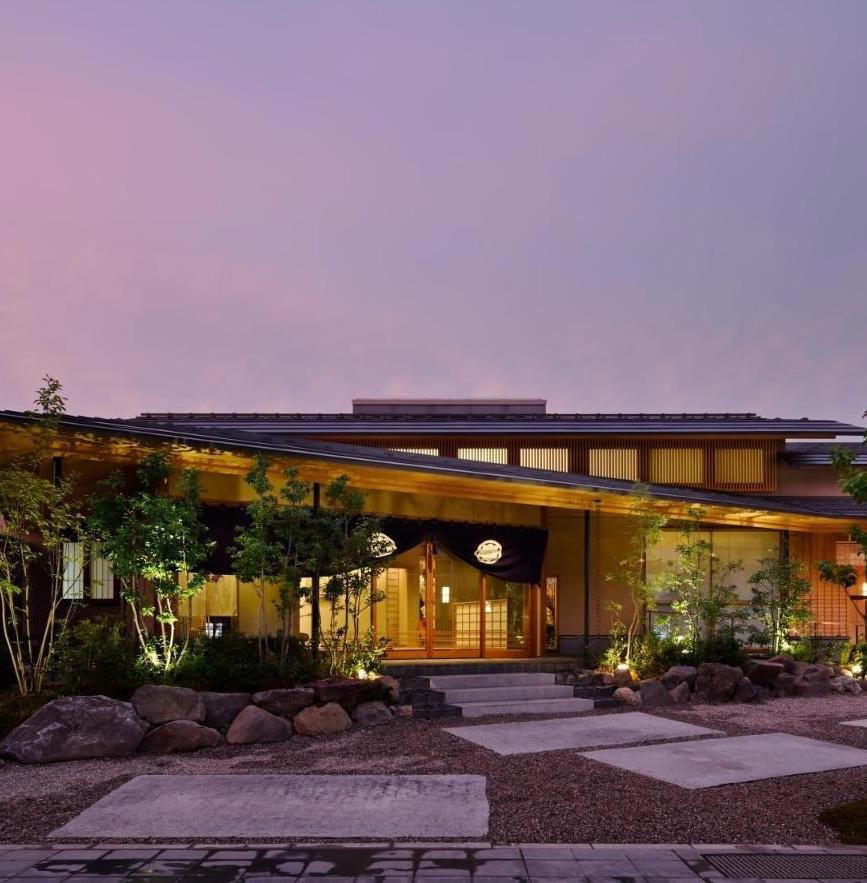
和みkappo喜水 brings the kappo tradition to Fukui's Ninomiya district, where the format places the kitchen in direct dialogue with the counter. Set within a city that produces some of Japan's most prized ingredients — Echizen crab, Wakasa seafood, and aged soba — the restaurant draws on a regional larder that few prefectures can match. Reservations are advisable well in advance for special occasions.
Pearl is the En Primeur Club membership app — saves, bookings, and concierge access live there. Same editors, same standards.
- Address
- 3 Chome-13-11 Ninomiya, Fukui, 910-0015, Japan
- Phone
- +81776280008
- Website
- kappo-kissui.com
- Directions
- Get directions
 Saves & bookings on Pearl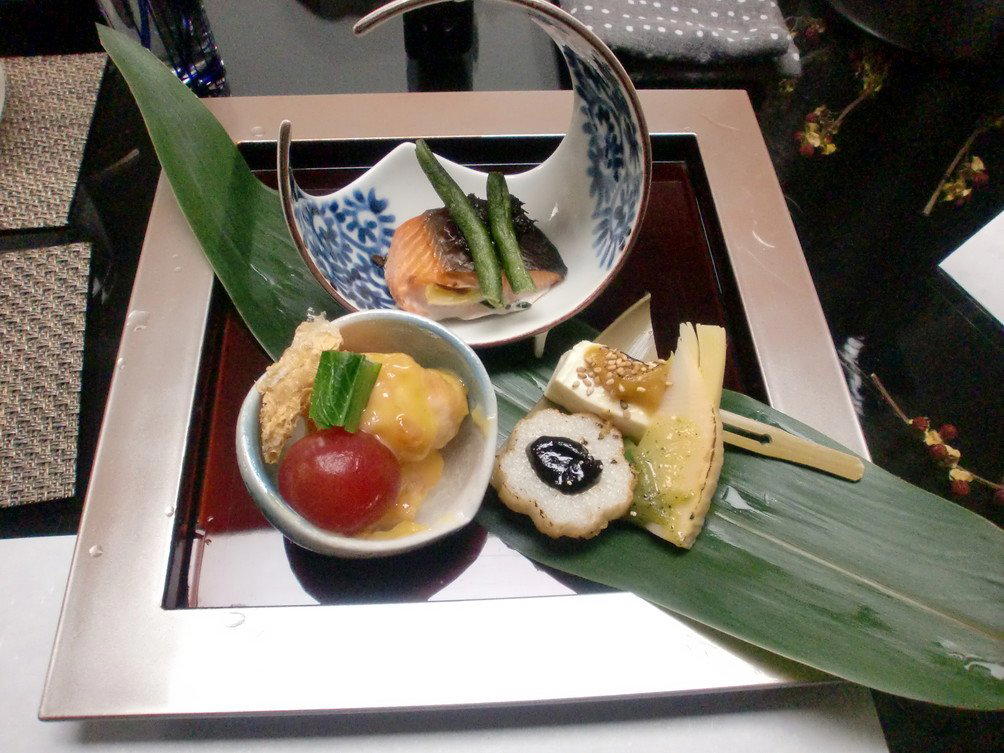
Kappo Dining in Fukui: What the Format Means Before You Arrive
The kappo tradition occupies a specific position in Japan's dining hierarchy. Unlike kaiseki, which follows a rigid ceremonial sequence, kappo places the cook visibly at the counter, adjusting the meal in real time based on seasonal availability and the pace of the table. The format rewards guests who are paying attention: you are watching craft in progress, not receiving a fixed recital. In cities like Kyoto and Osaka, kappo counters have become well-documented reference points for this kind of dining. In Fukui, the tradition operates more quietly, which means the ingredient story tends to dominate the experience more than the venue's own reputation. That is, in many ways, the point.
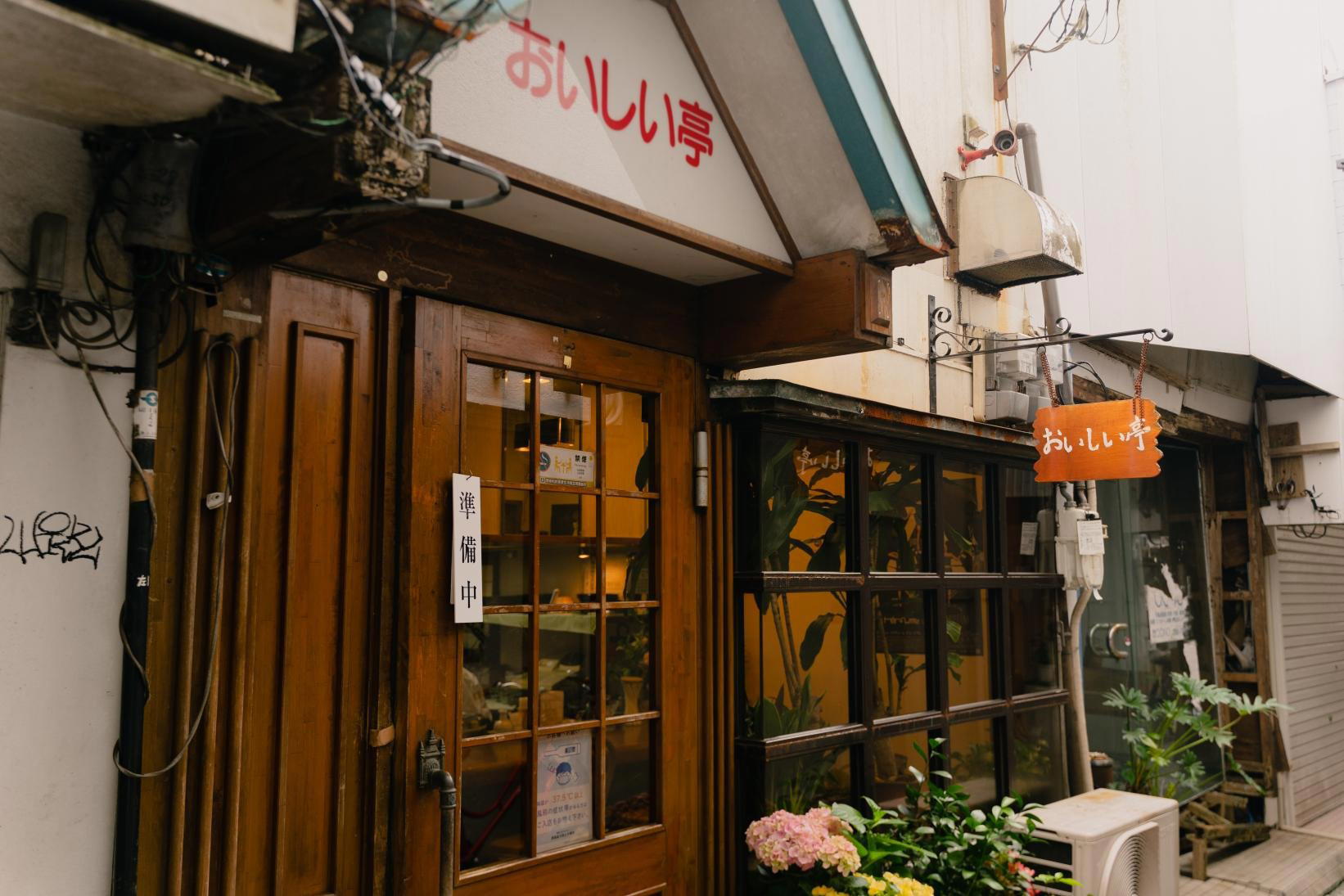
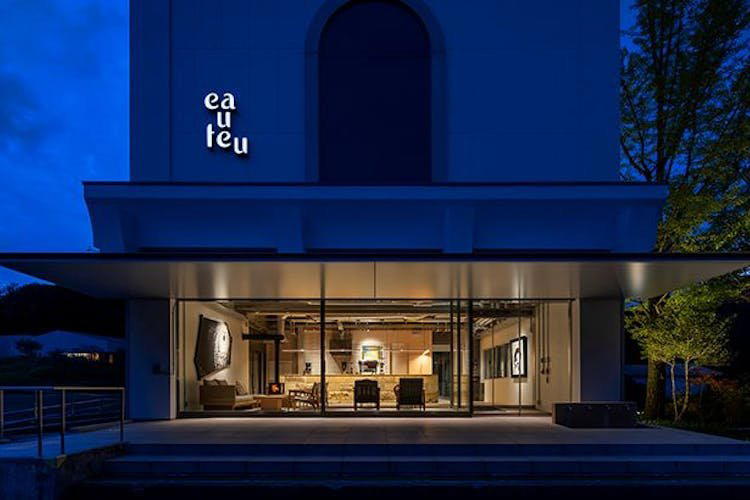
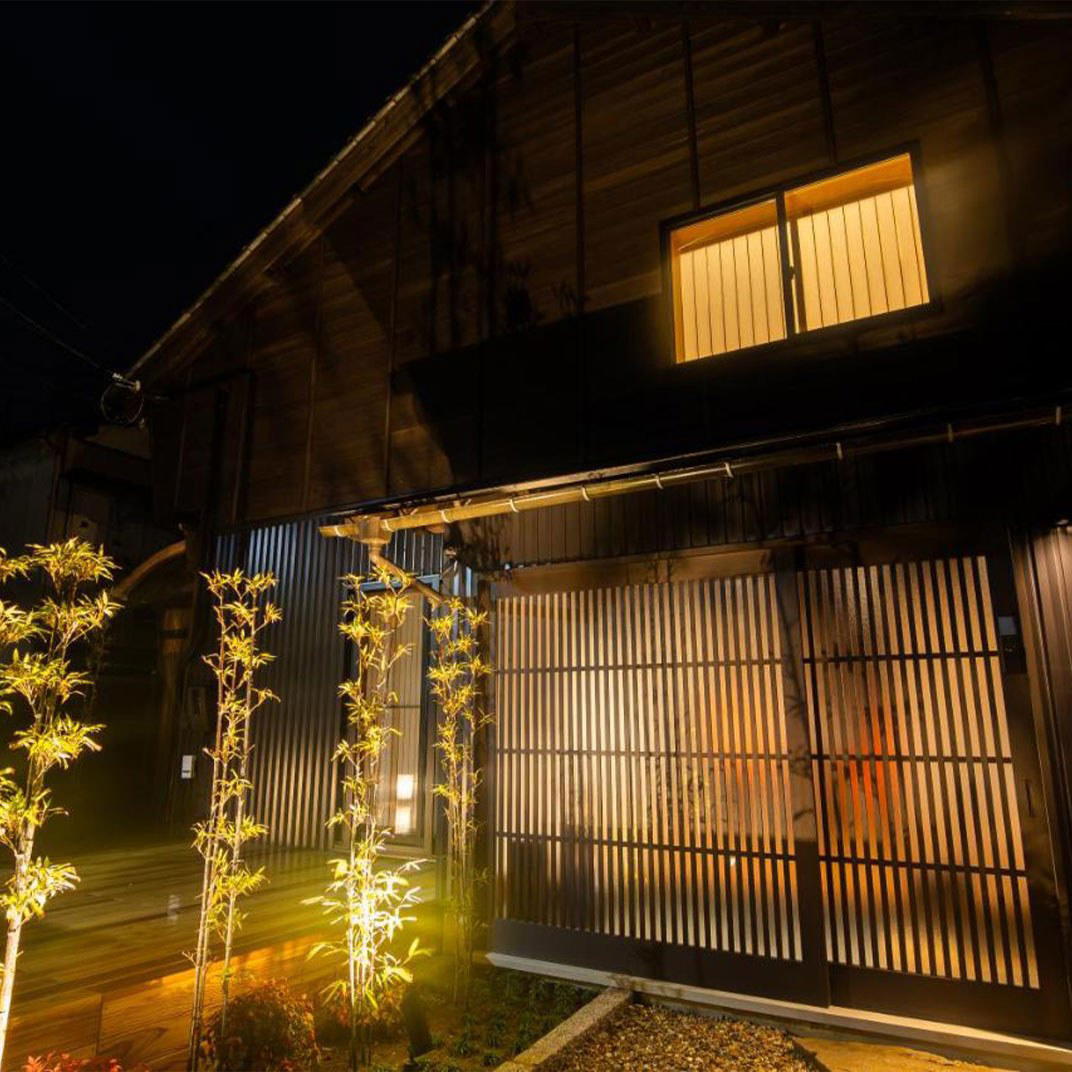
和みkappo喜水 is located in Fukui's Ninomiya district, at 3 Chome-13-11 Ninomiya, a residential-commercial pocket that sits away from the city's transit-facing commercial zones. Approaching on foot, the area feels deliberately low-key — the kind of neighbourhood address that filters for guests who already know where they are going. That self-selection is consistent with how serious kappo counters across Japan tend to operate.
Fukui's Ingredient Advantage and the Occasion Meal
For anyone considering 和みkappo喜水 as the setting for a milestone meal — an anniversary, a significant birthday, a professional celebration, the relevant context is the prefecture's raw material supply. Fukui sits between the mountains of the Echizen range and the Japan Sea coast, which produces a concentration of premium seasonal product that punches well above the prefecture's profile. Echizen crab (Zuwaigani) carries a regional brand designation and a winter season that runs from roughly November through March, during which Fukui's leading counter restaurants anchor their menus around it. Wakasa Bay supplies live seafood, and the prefecture is one of Japan's historically significant producers of high-grade rice, which matters for how sake programmes are built locally.
The kappo format is particularly well-suited to ingredient-led occasions. Because the cook adjusts in sequence rather than delivering a fixed course list, a celebration meal at a counter like this can feel responsive in a way that pre-set kaiseki menus rarely do. When you are dining to mark something important, that responsiveness matters: the meal adapts to the evening rather than the other way around.
For comparison, kappo counters operating at a similar register in other Kansai and Chubu cities, such as Gion Sasaki in Kyoto or HAJIME in Osaka, have built significant international recognition. Fukui's equivalent tier is less internationally visible, which affects reservation pressure and, typically, price positioning, making it a more accessible entry point for the same quality of occasion dining.
Situating the Counter Within Fukui's Restaurant Scene
Fukui's dining scene divides, at the upper end, between sushi counters, kappo-style restaurants, and Chinese kitchens with long local histories. Sushi Jubei represents the prefecture's serious sushi counter tradition, while Kaikatei anchors the Chinese side of the premium market. Miyazaki adds further depth to the city's dining options. 和みkappo喜水 sits in the kappo register, a different discipline from raw-fish-forward sushi, and one that typically involves more kitchen technique, broader course structure, and a wider range of cooking methods across a single sitting.
For guests travelling from other parts of Japan, Fukui's Shinkansen connection, completed in March 2024, has materially changed access. The city is now reachable from Osaka in under an hour and from Tokyo in roughly two and a half hours, which makes a day trip or overnight stay viable for a serious meal in a way that it was not before. The opening of the Hokuriku Shinkansen line to Fukui has already sharpened competition among the prefecture's better restaurants, as the city's counter seats are now accessible to a wider pool of interested diners. Booking ahead is advisable, particularly for prime Echizen crab season dates in winter.
Other regional kappo-adjacent counters worth cross-referencing for calibration include 一本木 石川式 in Nanao, 湖畔荘 in Takashima, and 夕凪山乃 in Sapporo, each operating in prefectures where seafood and seasonal product drive the kitchen's identity in a comparable way.
The Logic of Choosing a Kappo Counter for a Special Occasion
Among the various formats available to someone planning a significant meal in Japan, the kappo counter scores consistently on several dimensions that matter for occasions. The seat count at a serious kappo counter is typically small, which means service attention per guest is high. The visible kitchen creates a natural focal point for the meal's progression, giving the table a shared experience to follow between courses. And the format's flexibility means that celebrations, where the emotional register of an evening matters as much as the food itself, can be accommodated without the rigidity of a fixed presentation.
For international reference, diners familiar with the tasting counter format at Atomix in New York City or the seafood-anchored precision of Le Bernardin will recognise the underlying logic: small-format, technique-driven, ingredient-led meals where the kitchen's decisions are visible in the pacing and composition of the meal. Kappo applies that logic through a specifically Japanese lens, with the counter arrangement making the cook's presence explicit rather than implicit.
Guests who have eaten at Harutaka in Tokyo, akordu in Nara, or Goh in Fukuoka will be oriented to the concentration and pace that a serious Japanese counter demands. 和みkappo喜水 operates within that broader tradition.
See our full Fukui restaurants guide for broader planning across the prefecture, including comparisons with 寿し濱, 御料理 丸伊, 高羽屋 in Nishikawa Machi, and Birdland in Sakai.
Planning Your Visit
和みkappo喜水 is located at 3 Chome-13-11 Ninomiya, Fukui 910-0015. Fukui Station is the practical arrival point for visitors using the Hokuriku Shinkansen or limited express services from Osaka and Kyoto. The Ninomiya address is reachable by taxi from the station in under ten minutes, or on foot in roughly twenty. Given the absence of published hours or an online booking portal in the public record, contacting the restaurant directly, or via a hotel concierge in Fukui, is the recommended approach for reservations. For special occasion bookings during Echizen crab season (November through March), lead time of several weeks is advisable. The restaurant's residential-district location means there is no queue culture outside the door: this is a counter that operates by appointment.
At a Glance
- Elegant
- Intimate
- Sophisticated
- Family
- Special Occasion
- Group Dining
- Sake Program
- Local Sourcing
Current opening hours
- Monday
- 5–10 PM
- Tuesday
- 5–10 PM
- Wednesday
- 5–10 PM
- Thursday
- 5–10 PM
- Friday
- 5–10 PM
- Saturday
- 5–10 PM
- Sunday
- Closed
Hours can change for holidays and private events. Last verified .
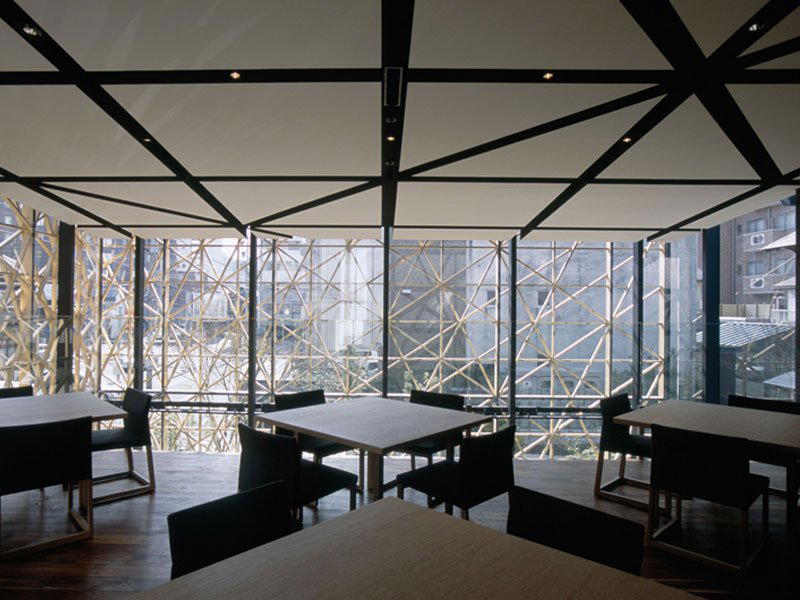
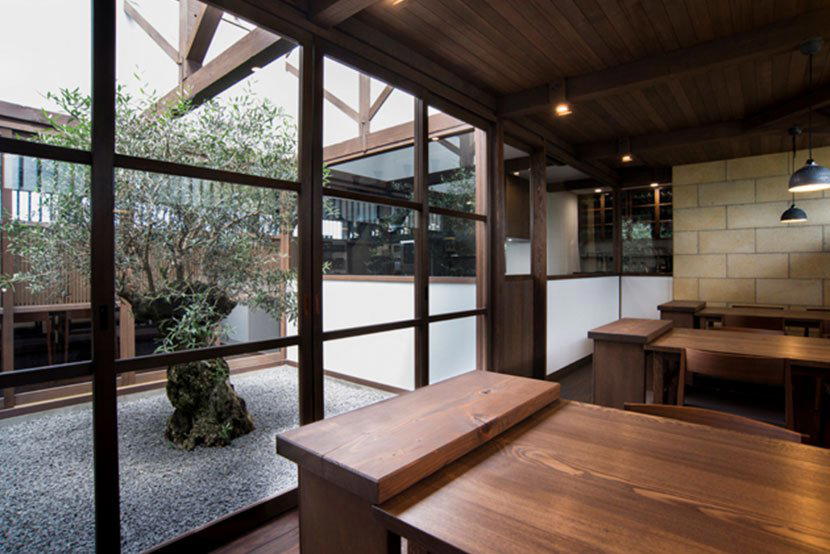
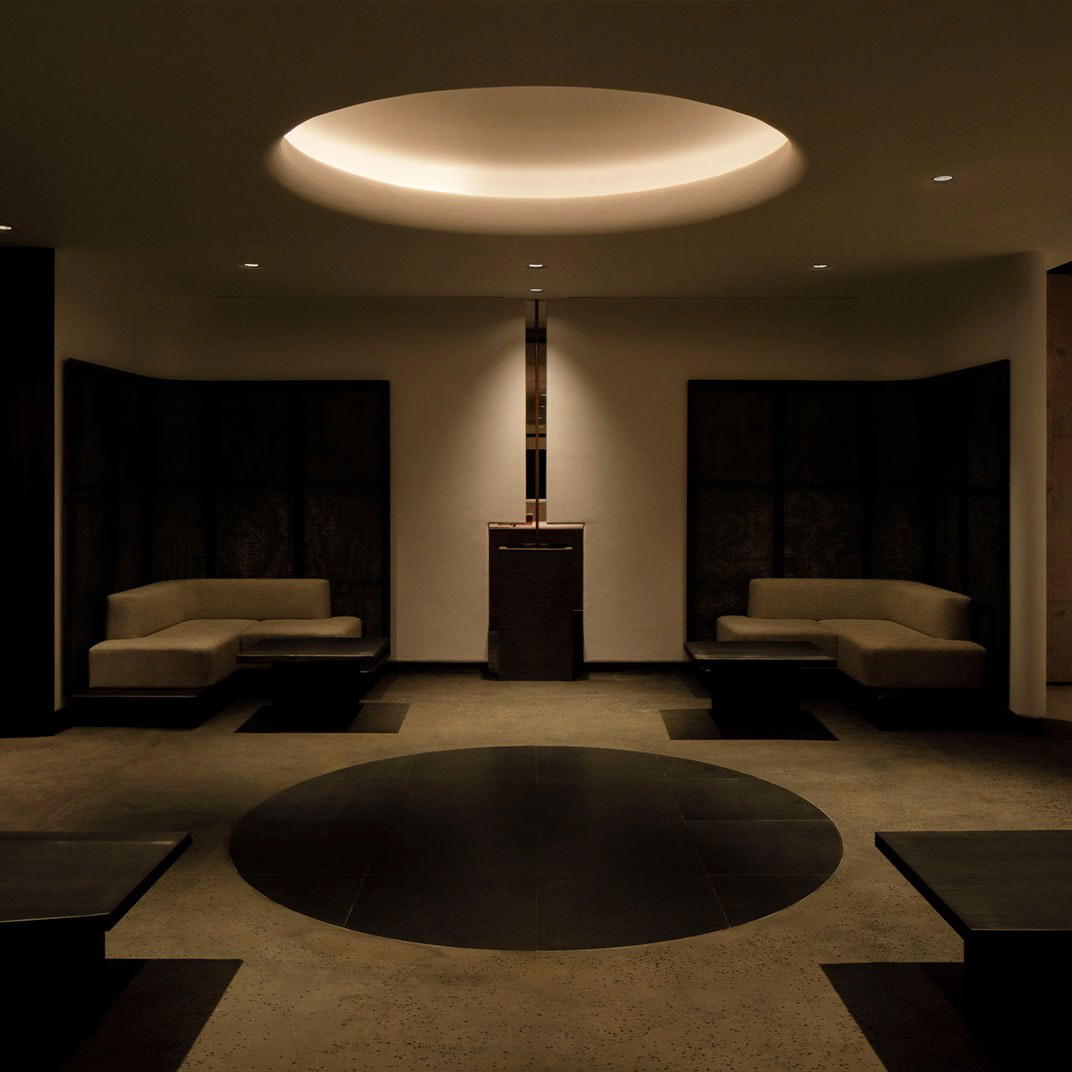
Cozy and attentive atmosphere emphasizing care in food and drink presentation.
Know Before You Go
- Getting there
- 3 Chome-13-11 Ninomiya, Fukui, 910-0015, Japan