
Tabelog 100 #44
Our verdict
Sapporo’s hot-pot dining runs deeper than winter comfort food, and Sanko Sha sits in the serious sukiyaki-shabu shabu tier with Tabelog 100 Hot Pot 2024 recognition. The draw is not novelty but format discipline: beef-led cooking, private-room flexibility, sommelier service, and a central Susukino setting that suits groups as much as destination diners.

Pearl is the En Primeur Club membership app, where members save venues, book tables and use the concierge.
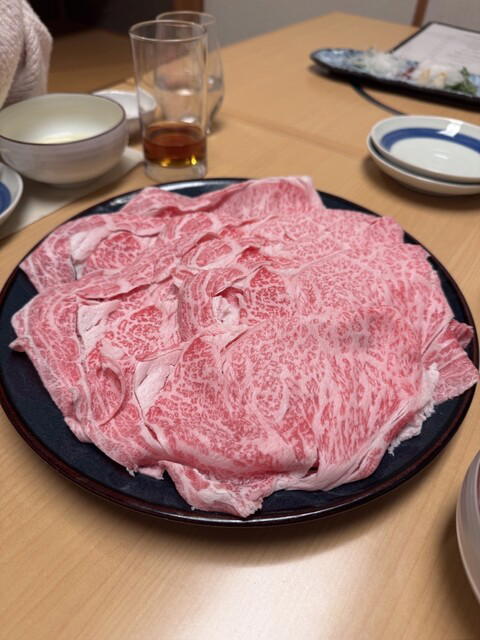
The menu
What to order
- Sukiyaki with secret miso warishita
- Shabu-shabu with house ponzu and sesame sauce
- Premium kuroge wagyu steak
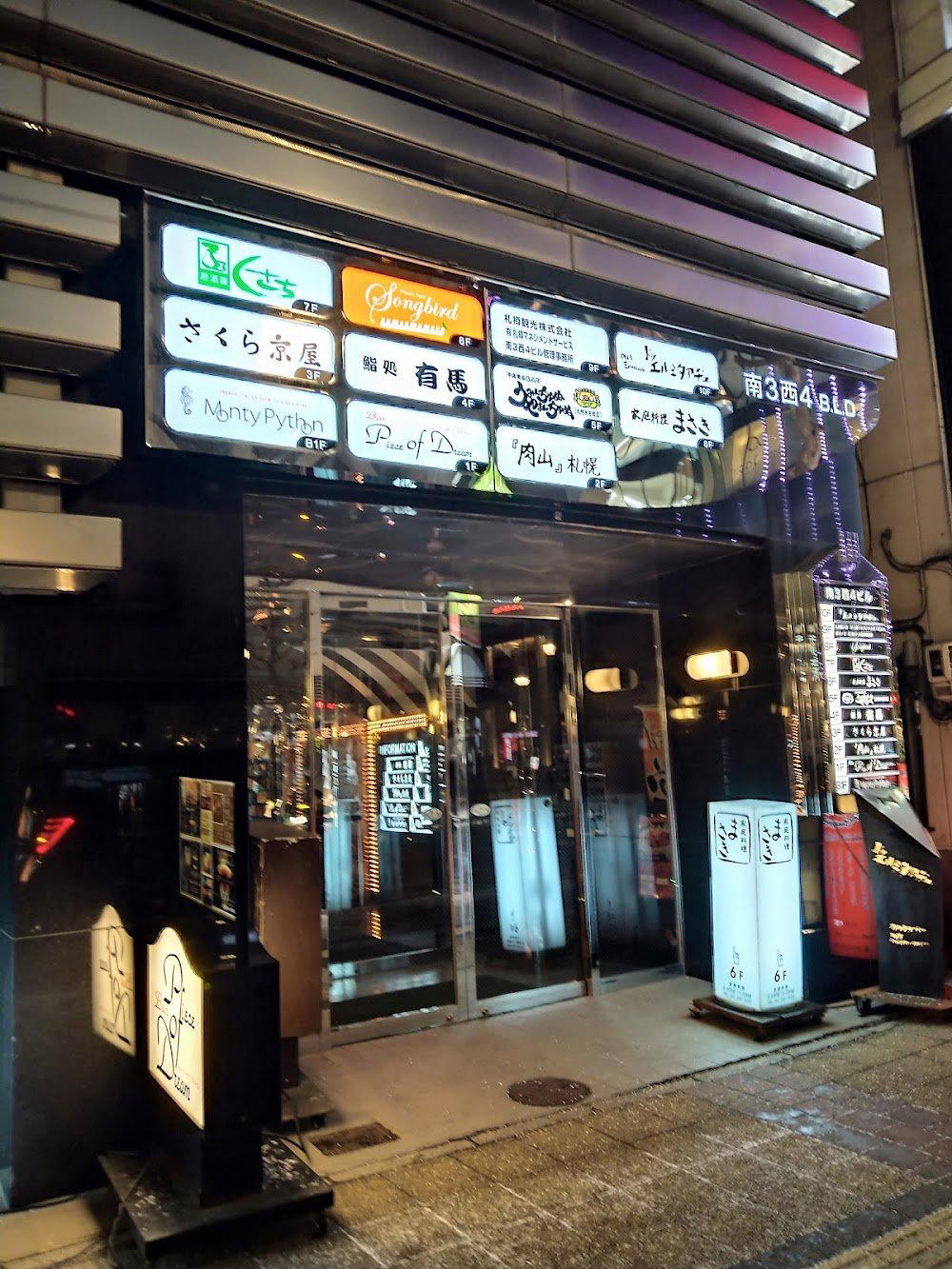
Sapporo dining can look direct from the street: bright signs, lifts, corridors, then rooms built for longer meals. In Sapporo, that matters. The city’s serious eating is often framed by ramen counters, seafood meals, casual rooms, and late-night drinking, but hot pot occupies a quieter lane: social, seasonal, and dependent on pacing more than spectacle. Sanko Sha belongs there, using sukiyaki, shabu shabu, and steak as the grammar of a beef-focused meal, not as a casual add-on.
Read this address through planning. Sapporo visitors often build itineraries around seafood lunches, late-night ramen, and snow-season drinking; hot pot changes the rhythm. It asks for a table, time, and company. That differs from Ganso Sapporo Ramen Mogura, Fujiya NOODLE, or Ramen Shingetsu, where the economic and emotional contract is shorter. Sanko Sha sits in a more deliberate bracket, with Tabelog 100 Hot Pot 2024 recognition and a Tabelog score of 3.58 placing it inside Japan’s data-heavy restaurant culture rather than the foreign-traveler folklore that often defines Hokkaido dining from outside.
Sukiyaki and shabu shabu as Sapporo planning, not just cold-weather comfort
Hot pot in Japan is not one category. Sukiyaki leans into sweet soy seasoning and controlled richness; shabu shabu is built around swishing thinly sliced meat through broth and managing texture at the table. Both reward diners who understand pace. The meal is participatory, not chaotic: sequence, dipping, cooking time, and shared space shape the experience as much as ingredients. In a city where winter temperatures make simmering pots feel inevitable, the question is whether a room gives the format enough structure to justify a dedicated evening.
That is where recognition matters. Tabelog’s Hyakumeiten lists are not casual popularity badges; they are category-specific signals in a market where locals compare restaurants with forensic attention. Selection for Hot Pot in 2024 puts Sanko Sha in a national conversation about sukiyaki and shabu shabu, a category that rarely receives the international shorthand given to sushi or kaiseki. For travelers, the award narrows a wide field. Sapporo has abundant casual eating, but a recognized hot-pot room gives a trip another register: slower, beef-focused, and suited to a table that wants conversation built into the meal.
The pairing question is part of the broader appeal of Japanese hot-pot dining. Sake, shochu, beer, wine, and non-alcoholic options can all make sense depending on the table, but the public facts here are simpler: Sanko Sha is best understood through its sukiyaki, shabu shabu, and steak categories. The point is not to turn hot pot into a different genre, but to let the cooking move between sweetness, heat, and leaner broth work without rushing the meal.
The room favors groups, privacy, and a slower Sapporo evening
Sapporo’s dining geography can push visitors toward quick decisions: station ramen, seafood-led routing, and bar-hopping after dark. This format resists that pace. Hot pot gives the meal the setting it needs, especially for families, business meals, and friends who want a contained dinner rather than a counter crawl. The table becomes the night’s center and the cooking unfolds in shared view.
The useful continuity marker is not a detailed backstory but the category itself. Sapporo restaurants can be shaped by real-estate cycles, tourism waves, and changing traffic; a recognized hot-pot address suggests a kind of repeat-use logic as much as visitor discovery. That distinction matters in a city where some restaurants exist mainly for passing demand. Sukiyaki, shabu shabu, and steak read differently: they are built for occasions that need predictability.
There is also a practical editorial distinction between this meal and Sapporo’s faster traditions. Ramen is solitary or small-party by design; daytime casual dining usually suits routing between sights; sushi and counter-led meals focus attention on sequence and service. Sukiyaki and shabu shabu put the group into the process. That makes Sanko Sha a stronger fit when the evening requires shared decision-making and an unhurried table, not a rapid hit before bars or a prestige counter where conversation competes with ceremony.
How to place it within a broader Sapporo itinerary
A coherent Sapporo dining plan should not treat every meal as a trophy hunt. The city works better when categories do different jobs. For ramen context, compare the quicker noodle economy through Fujiya NOODLE, Ganso Sapporo Ramen Mogura, or Ramen Shingetsu. For higher-touch dining, Sapporo also has rooms such as aki nagao and 鮨こいせ. Around those anchors, unnamed Sapporo dining rooms can fill in the casual, daytime, and late-night parts of a trip.
Readers mapping the city by category can use Our full Sapporo restaurants guide alongside Our full Sapporo hotels guide, Our full Sapporo bars guide, Our full Sapporo wineries guide, and Our full Sapporo experiences guide. For broader comparison across Japanese dining formats, think in categories rather than borrowed prestige: quick noodles, counter sushi, hot pot, steak, and other Sapporo dining all solve different planning problems. Sanko Sha’s role is the slower hot-pot evening.
The editorial case for Sanko Sha is clear: choose it when Sapporo needs a composed hot-pot dinner rather than another quick counter meal. The evidence is concrete: Tabelog 100 Hot Pot 2024 selection, a Tabelog score of 3.58, and a format centered on sukiyaki, shabu shabu, and steak. In a city where many visitors chase immediacy, this slower table makes sense when the night is meant to hold together.
Frequently asked questions
Where is Sanko Sha located?
Sanko Sha is located in Sapporo.
Is Sanko Sha more mid-range or high-end?
Pricing at Sanko Sha is listed as JPY 10,000 - JPY 14,999 JPY 1,000 - JPY 1,999 View spending breakdown.
Do I need a reservation for Sanko Sha?
Reservations may be sensible for a hot-pot dinner in Sapporo, especially if you are planning around a specific evening. Contact Sanko Sha directly before booking.
What makes Sanko Sha worth seeking out?
Sanko Sha was selected for Tabelog Hot Pot 100 in 2024, which is the clearest trust signal here. The draw is the combination of sukiyaki, shabu shabu, and steak in Sapporo.
Can Sanko Sha accommodate dietary restrictions?
The public facts provided here do not list dietary accommodations. For specific requirements, contact Sanko Sha directly at +81-11-513-3548 before booking. Check the venue's official channels for the latest details.
What It’s Closest To
Comparable venues at similar price and category levels.
| Venue | Cuisine | Price | Awards | Notes |
|---|---|---|---|---|
| Sanko ShaThis venue (the venue you are viewing) | Traditional sukiyaki, shabu-shabu and steak | $50–100 | Tabelog 100 #44 | Not listed |
| Teppanyaki Urushi | Hokkaido Wagyu & Seafood Teppanyaki | $50–100 | Tabelog 100 #72 | Chūō |
| はなれ味重 | Traditional Kaiseki | $50–100 | Not listed | Chūō |
| 日本料理 潤花 | Traditional Japanese Kaiseki | Not listed | Not listed | Chūō |
| Shinohei | Reservation-only Wagyu Shabu-shabu | $50–100 | Tabelog 100 #63 | Chūō |
| 霜止出苗 | Innovative Hokkaido Fusion | $300–500 | Tabelog Bronze #401 | Chūō |
Recognition history
Dated appearances from independent guides and award organizations, with the underlying list record or original source where available.
Tabelog 100 #44 · No. 44
Tabelog · Tabelog 100 - Hot Pot - 2024
Continue exploring
More in Sapporo
Restaurants in Sapporo
All restaurants in Sapporo →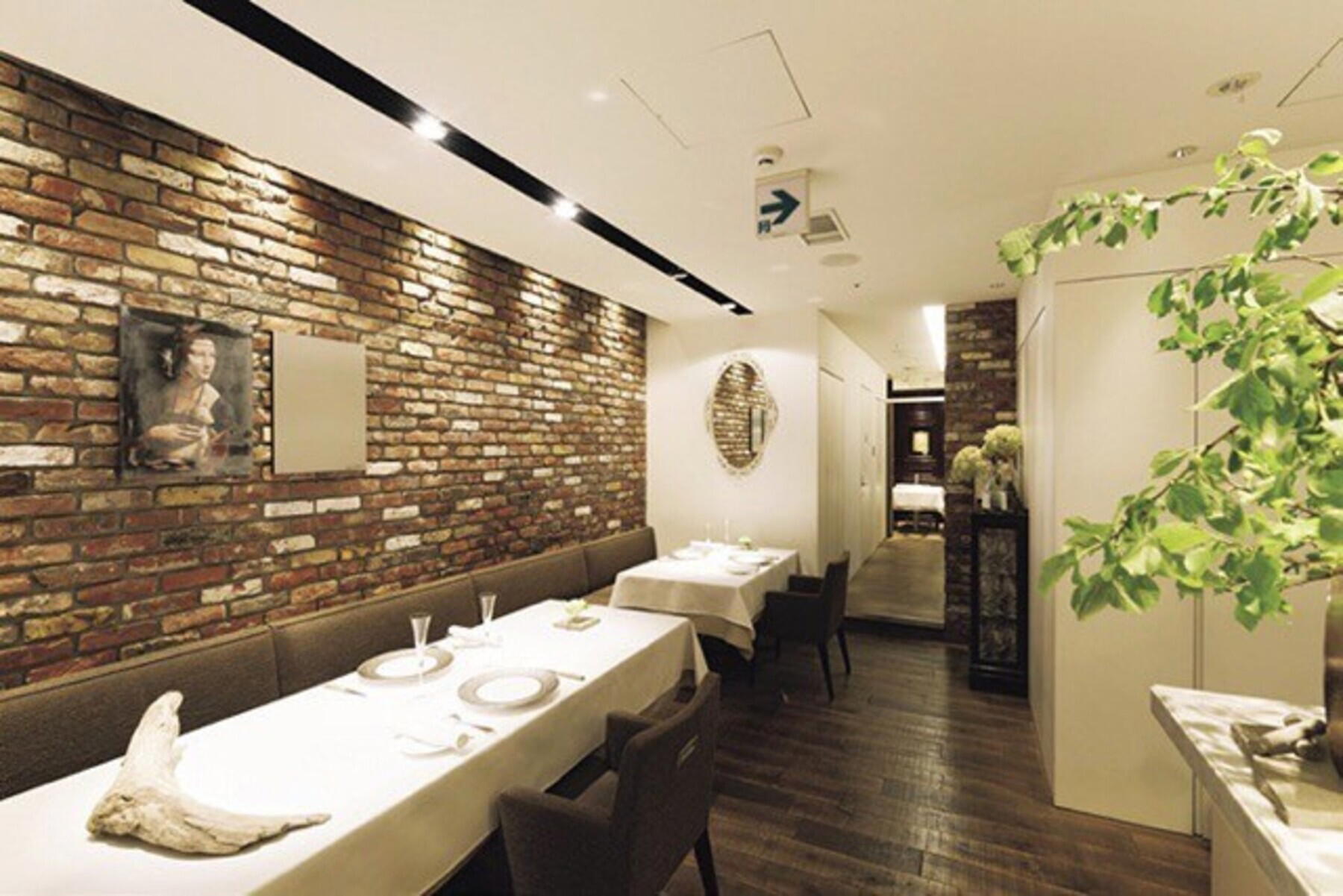
Bars in Sapporo
All bars in Sapporo →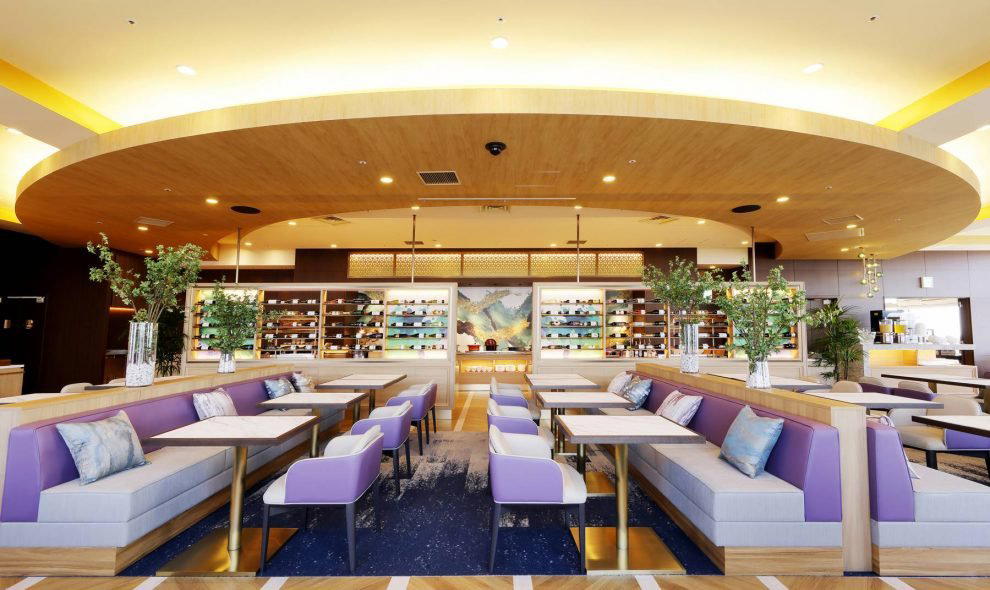

Sanko Sha
The wine
- Wine program
- Deep wine list
- Extensive wine list
- Sommelier-led
Details
- Classic
- Elegant
- Cozy
- Intimate
- Date Night
- Business Dinner
- Group Dining
- Family
- Celebration
- Special Occasion
- After Work
- Wine Cellar
- Private Dining
- Hotel Restaurant
- Extensive Wine List
- Sommelier Led
- A La Carte
- Set Menu
- Family Style
- Wine
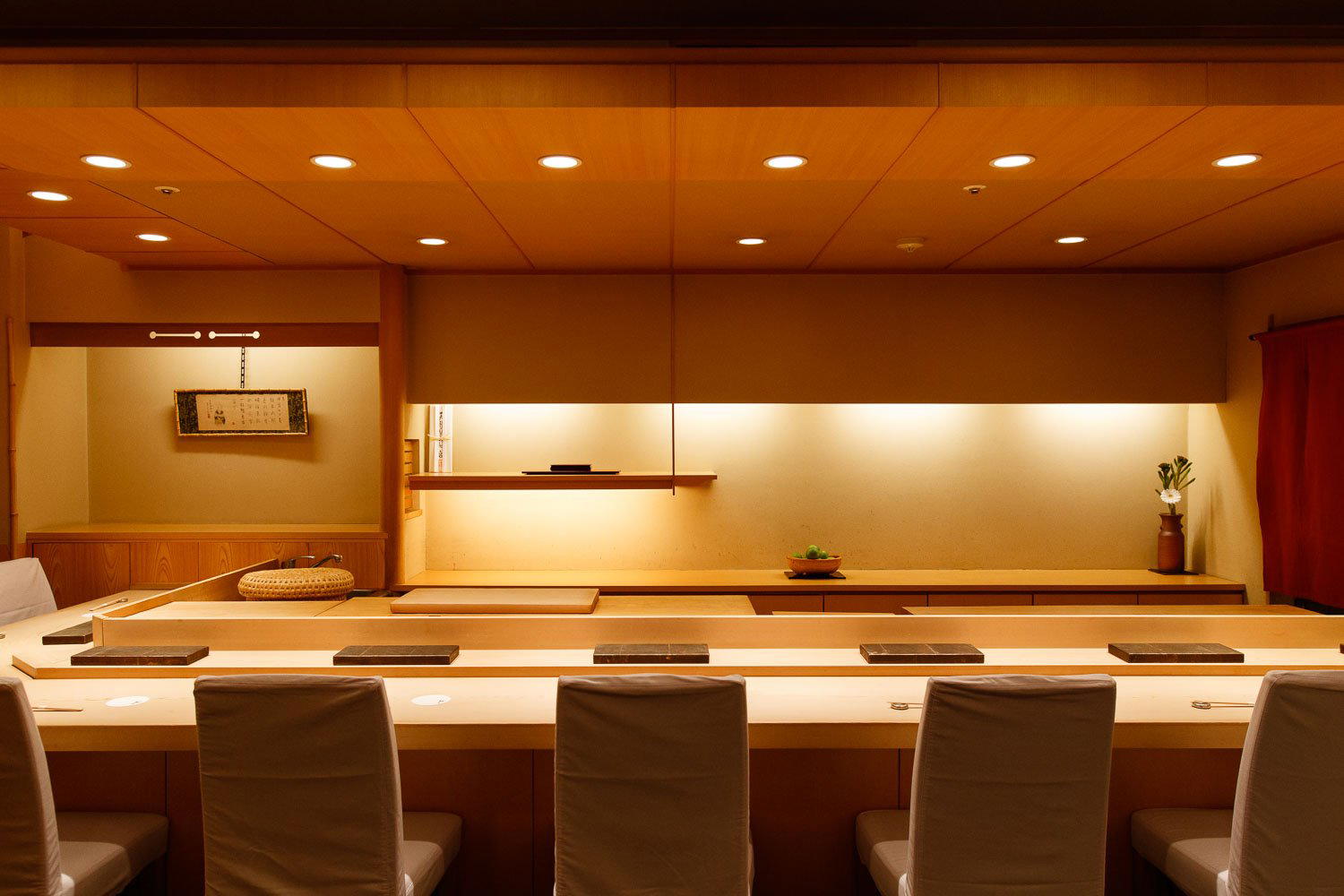
A calm, traditional Japanese steak and hotpot house inside a hotel building, with subdued, quietly elegant rooms and partitioned spaces that feel intimate despite accommodating larger groups.