
Tabelog 100 #42
Our verdict
Susukino’s after-dark dining culture runs on smoke, beef, and rooms built for lingering. Susukino Yakiniku Kiraku belongs to the premium yakiniku tier in central Sapporo, with Tabelog 100 Yakiniku EAST 2025 selection, private-room formats, and a drinks list spanning sake, shochu, wine, and cocktails.

Pearl is the En Primeur Club membership app, where members save venues, book tables and use the concierge.
The menu
What to order
- Super Negitan Salt
- Sirloin Yaki Shabu-Shabu
- Kamiya Shoten skirt steak
- Kamiya Shoten sagari
- NAMIKI beef
Sapporo is a city of lit signs, late elevators, and dining rooms that treat dinner as the night’s start, not its conclusion. Here, yakiniku has a clear role: groups control pace, heat, cuts, drinks, and conversation. Susukino Yakiniku Kiraku fits neatly, not as a ceremonial counter meal but as a beef-focused room for repeat diners who know Sapporo’s serious evenings are not limited to sushi and seafood.
The useful reading is through regulars, not first-timers. Premium yakiniku in Japan rewards ordering rhythm: lighter grilled items before richer beef, rice or soup when the table needs grounding, drinks that handle fat and smoke, and restraint enough not to race the grill. That is why loyal customers return. A good yakiniku room is both restaurant and social instrument, with the grill as timer, centrepiece, and conversation brake.
Premium Sapporo yakiniku sits between nightlife dining and serious beef culture
Sapporo’s dining identity is often reduced to crab, ramen, soup curry, and beer, but the city also has restaurants built for after office hours, after snow, and after the first round of drinks. Yakiniku suits that late-evening economy because it can be celebratory without becoming formal. The table does much of the work, but quality still depends on sourcing, cutting, seasoning, ventilation, and group handling.
Susukino Yakiniku Kiraku’s Tabelog Hyakumeiten 2025 recognition places it in a documented conversation around Japanese barbecue, not just the local dining circuit. That matters in Hokkaido, where beef restaurants compete with seafood counters, tempura specialists, and ramen institutions. Its listed categories, yakiniku, Korean, and Japanese cuisine, signal how contemporary Japanese barbecue borrows technique and table culture across borders while staying grounded in local dining habits.
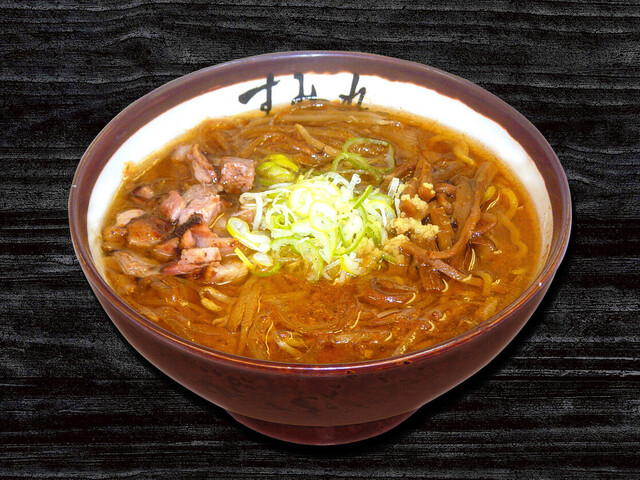
The Sapporo comparison is useful. Menya Yukikaze Susukino ten and Menya Suzuran cover the lower-priced ramen end of the night, built for speed, salt, and closure. Susukino Niku Seafood Robata Shinshin occupies a similar spend bracket but points toward robata and seafood as much as meat. Tempura Araki and Hidetaka belong to a controlled, high-discipline mode. Kiraku sits between those instincts: more deliberate than a noodle stop, less formal than a counter tasting format, and better for groups who want the meal to stretch.
That positioning explains its repeat-diner appeal. The draw is reliability at a premium casual level, not novelty. Its Tabelog appearance is the documented point; the stronger editorial point is category fit. Sapporo has enough destination dining that a yakiniku restaurant must earn attention through more than convenience, especially in a choice-dense city where late-night diners are unforgiving.
The regulars' advantage is knowing how to pace the grill
Yakiniku looks simple: order meat, grill it, drink. Better tables are more tactical. Returning diners learn which cuts need quick heat, which take patience, when to reset the palate, and when to stop before the last plates turn heavy. That unwritten discipline separates an expensive meat session from a balanced meal.
Kiraku’s appeal sits in that repeatable format. The restaurant is best understood as a Sapporo yakiniku choice for dates, small groups, and business-adjacent evenings that need energy without turning the meal into a rigid ceremony. Drinks matter too. Japanese drinks can keep the meal in a familiar register; other pairings can broaden it for diners who do not want every plate framed by beer. In yakiniku, that range is not cosmetic: beef fat, tare, salt, smoke, and heat all change what makes sense in the glass.
The listed dinner price band, JPY 8,000 - JPY 9,999, sits above casual barbecue and below the kind of rarefied beef temple where the bill becomes the story. That is often the regulars’ sweet spot: enough spend for better selection and service format, not so much theatre that the meal becomes self-conscious. For visitors, it shows how Sapporo eats when the goal is a full evening, not a quick local speciality checklist.
For broader Sapporo context, map the surrounding restaurant field before deciding how many nights to give the city. Ramen, spice, seafood, counter dining, grill-led rooms, and casual drinking all pull in different directions across unnamed local dining rooms. The full spread sits in Our full Sapporo restaurants guide, with adjacent planning through Our full Sapporo hotels guide, Our full Sapporo bars guide, Our full Sapporo wineries guide, and Our full Sapporo experiences guide.
How to judge it within a Japan dining itinerary
For travellers moving through Japan, the question is not whether Sapporo has better beef than Tokyo, Kyoto, or Kansai. It is whether a Sapporo yakiniku night adds something those cities do not. That depends on itinerary design. If a trip is packed with omakase counters and tasting menus, a grill table restores informality without dropping ambition. If the plan leans on ramen and seafood, premium yakiniku gives the city a richer evening register.
Japan’s broader dining map shows specialised formats travelling across regions while keeping local behaviour. Beef-focused meals, charcoal-led seafood, cafes, casual counters, and Japanese drinking formats can all look different from city to city. the more useful comparison is within Sapporo itself: Menya Yukikaze Susukino ten, Menya Suzuran, Susukino Niku Seafood Robata Shinshin, Tempura Araki, and Hidetaka each describe a different dining mood, while Kiraku fills the premium yakiniku role.
The editorial case for Kiraku is precise: choose it when the night calls for premium beef, group comfort, and Sapporo energy without surrendering the meal to noise alone. Its Tabelog recognition supplies the trust signal; the format supplies the reason to return. In a city where cold weather sharpens appetite and late dinners carry social weight, that combination has real utility.
Frequently asked questions
Where is Susukino Yakiniku Kiraku in Sapporo?
Sapporo.
What should I budget for a meal at Susukino Yakiniku Kiraku?
Pricing at Susukino Yakiniku Kiraku is listed as JPY 8,000 - JPY 9,999.
What time does Susukino Yakiniku Kiraku open and close?
Specific opening hours are not provided in the available venue facts. Check directly with the restaurant before planning your meal.
What's the standout thing about Susukino Yakiniku Kiraku?
Its clearest credential is the Tabelog Hyakumeiten 2025 recognition. The listed score is 3.62, and the dinner budget is JPY 8,000 - JPY 9,999.
What if I have allergies at Susukino Yakiniku Kiraku?
The restaurant serves yakiniku, Korean, and Japanese cuisine, so ingredient checks matter before ordering. For allergies, call +81-11-590-4955 before the meal and flag the issue clearly with the restaurant.
A Credentials Check
Comparable venues by cuisine and price in the same metro.
| Venue | Cuisine | Price | Awards | Notes |
|---|---|---|---|---|
| Susukino Yakiniku KirakuThis venue (the venue you are viewing) | Japanese Yakiniku BBQ | $50–100 | Tabelog 100 #42 | Not listed |
| アグリスケープ | Farm-to-Table Creative Cuisine | $100–150 | Tabelog 100 #22 · We're Smart World 3 Radishes | Nishi |
| Gyu no Ishizaki | Wagyu sukiyaki & shabu-shabu | $50–100 | Tabelog 100 #95 | Chūō |
| Sapporo Kanihonke (札幌かに本家 すすきの店) | Hokkaido Crab Specialty | Not listed | Not listed | Susukino |
| Sanko Sha | Traditional sukiyaki, shabu-shabu and steak | $50–100 | Tabelog 100 #44 | Chūō |
| Teppan | Japanese Teppanyaki | $50–100 | Wine Spectator Best of Award of Excellence | Chūō |
Recognition history
Dated appearances from independent guides and award organizations, with the underlying list record or original source where available.
Tabelog 100 #42 · No. 42
Tabelog · Tabelog 100 - Yakiniku - EAST - 2025
Continue exploring
More in Sapporo
Restaurants in Sapporo
All restaurants in Sapporo →
Bars in Sapporo
All bars in Sapporo →
Details
- Modern
- Cozy
- Lively
- Sophisticated
- Group Dining
- Celebration
- Casual Hangout
- Date Night
- Standalone
- Beer Program
- Sake Program
- Local Sourcing
- A La Carte
- Sake
- Beer
Current opening hours
- Monday
- 5 PM–12 AM
- Tuesday
- 5 PM–12 AM
- Wednesday
- 5 PM–12 AM
- Thursday
- 5 PM–12 AM
- Friday
- 5 PM–12 AM
- Saturday
- 5 PM–12 AM
- Sunday
- 5–11 PM
Hours can change for holidays and private events. Hours as of .
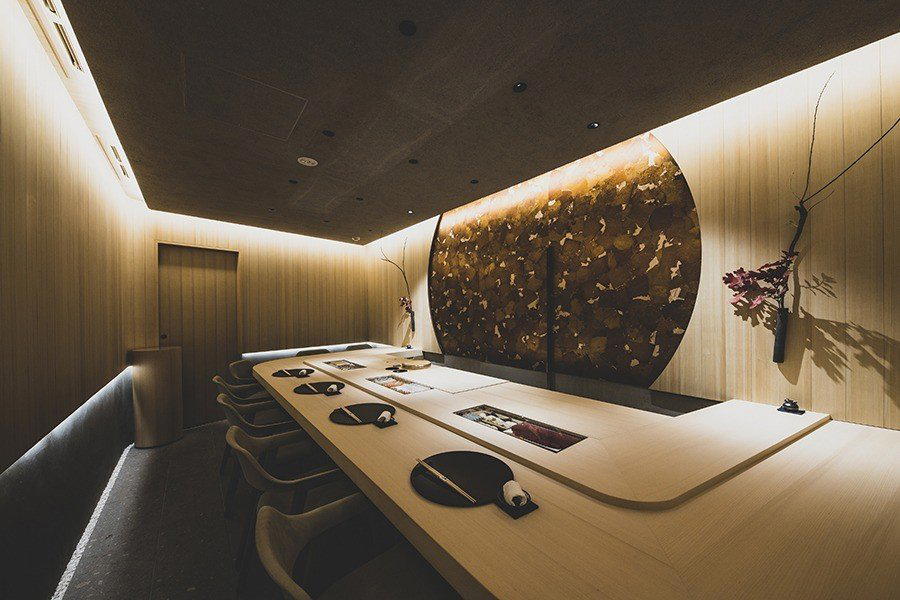
A polished, modern yakiniku setting centered on premium grilled beef and a dining experience designed to engage all five senses.