Our verdict
樹山 sits in Higashikawaguchi, Saitama, at a remove from the more heavily trafficked dining corridors of central Tokyo. The address places it within a tier of regional Japanese restaurants where neighbourhood context and sourcing discipline tend to define the offer more than media visibility. For diners willing to cross the prefectural border, it represents a case study in how serious cooking operates quietly outside the capital's orbit.

Pearl is the En Primeur Club membership app, where members save venues, book tables and use the concierge.
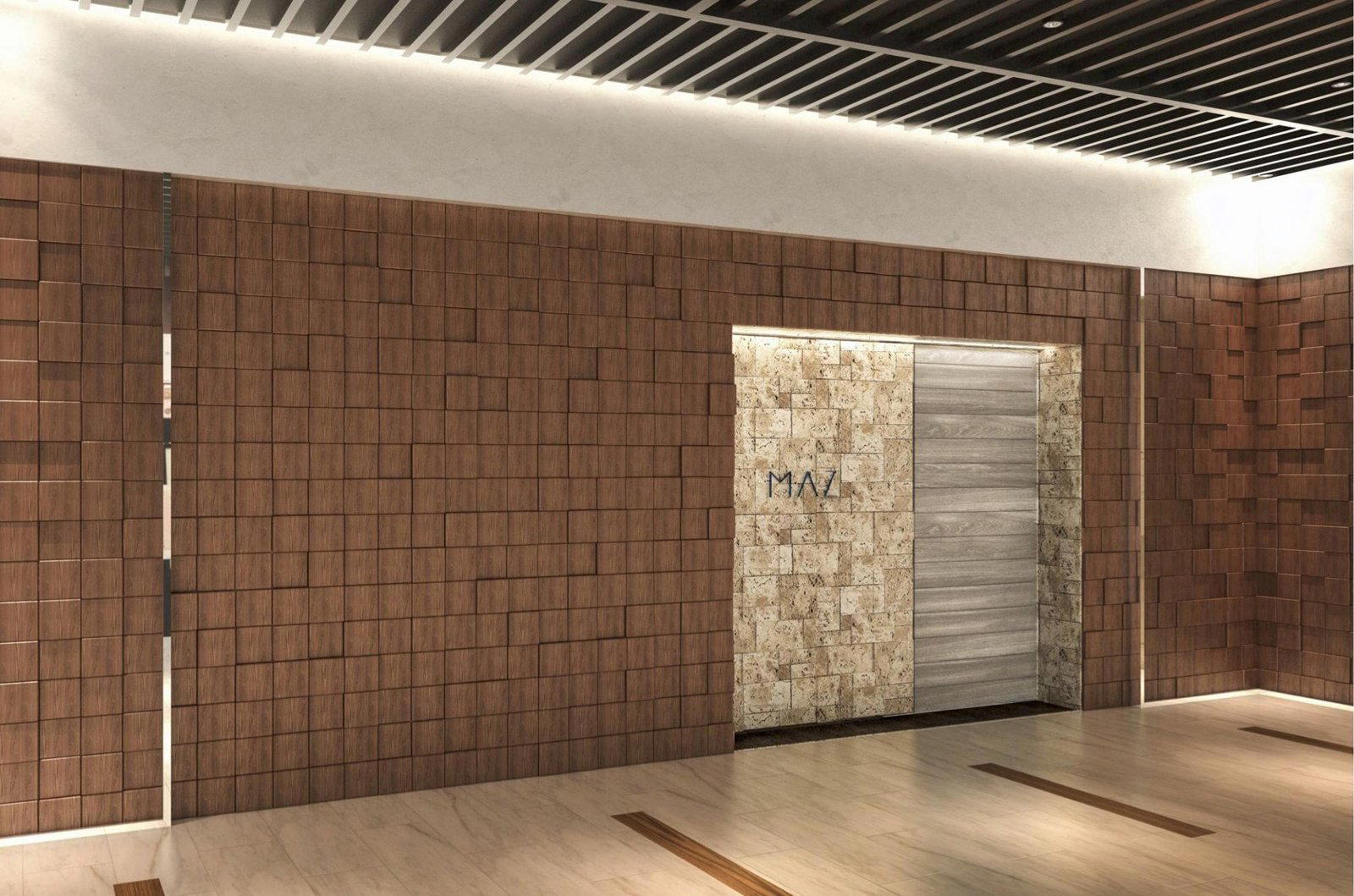
Outside the Capital's Radius: Dining in Kawaguchi
The restaurants that attract the most sustained critical attention in Greater Tokyo tend to cluster inside the Yamanote Line or along the well-worn corridors of Minami-Aoyama and Ginza. Kawaguchi, a city in southern Saitama directly north of Tokyo across the Arakawa river, sits outside that gravitational pull. That distance from the capital's media concentration is part of what defines dining here: venues operate with less ambient noise around them, and the audience tends to be local rather than destination-driven. Our full Kawaguchi restaurants guide covers how the city's food scene fits into the broader Saitama dining picture, but 樹山, located in Higashikawaguchi, is a useful point of entry into what the area offers at a more considered register.
The Address and What It Signals
Higashikawaguchi's residential and light-commercial streets are not the setting most diners associate with serious Japanese cooking. That, in itself, is a meaningful signal. Across Japan, a pattern has emerged over the past two decades where accomplished cooking migrates away from premium real estate districts and into less conspicuous addresses, trading foot traffic and signage for lower overhead and a clientele that arrives with intent. You see this in Kyoto's side streets, in the quieter wards of Osaka, and in the commuter-belt cities that ring Tokyo. Gion Sasaki in Kyoto and akordu in Nara both illustrate how serious kitchens can thrive at a remove from the obvious tourist corridors. 樹山 occupies a comparable structural position relative to its own geography: a Higashikawaguchi address that requires deliberate travel rather than casual discovery.
Ingredient Sourcing as a Regional Argument
In Japan, the sourcing conversation around restaurant cooking has become increasingly granular. The question is no longer simply whether a kitchen uses premium ingredients, but which prefectural producers, which specific fishing ports, which seasonal windows. Saitama-based restaurants occupy an interesting position in this conversation. The prefecture is not a primary agricultural identity in the way that, say, Hokkaido or Kyushu are, but proximity to Tokyo's Tsukiji and Toyosu markets, combined with access to Kanto-region producers across the Musashino plateau, gives local kitchens a logistics advantage that is often underappreciated. Restaurants at this address can draw on the same supply chains as their Tokyo counterparts, sometimes with the added benefit of relationships with smaller, less competed-over growers who supply the suburban and regional market before the capital's high-volume buyers.
This sourcing geography matters for how you read any serious restaurant in the Kawaguchi area. The distance from Ginza does not imply distance from good produce. It may, in some instances, imply the opposite: fewer intermediaries, more direct producer access, and a menu logic that follows seasonal availability from nearby sources rather than prestige-signalling imports. Compare this with how affetto akita in Akita or Ajidocoro in Yubari District approach hyper-local sourcing in their respective regions: the logic is consistent, even if the specific produce varies dramatically by latitude.
Kawaguchi's restaurant scene does not yet have the critical mass of recognisable names that drives destination dining in the way Fukuoka or Osaka do. Goh in Fukuoka and HAJIME in Osaka both operate in cities where a defined culinary identity draws international visitors specifically for the food. Within Saitama and across the broader northern Kanto corridor, that means competing for attention without the infrastructure of a well-established food-tourism narrative.
The relevant comparison set for serious restaurants in this geography is not the headline counters of Tokyo's Ginza or the kaiseki rooms of Kyoto. It is closer to venues like Amaki in Aichi or aki nagao in Sapporo, where the local food culture is defined and coherent but does not yet have the international profile of the country's primary culinary cities. These are restaurants where the audience is predominantly domestic, the booking dynamic is quieter, and the cooking has to justify itself to a local clientele rather than to visiting critics or travel editors. That pressure, in practice, often produces more disciplined and less performative cooking.
Other regional Japanese restaurants in adjacent contexts, such as Amegen in Saga, Akakichi in Imabari, and Aji Arai in Oita, all operate on a similar structural premise: serious cooking in prefectural cities that sit outside the main dining-tourism circuits. The pattern is consistent enough to be read as a category rather than a collection of exceptions. Abon in Ashiya and anchoa in Kanagawa extend this pattern into the Kansai and Kanto satellite belts specifically.
The Kawaguchi Context for International Visitors
For visitors approaching from Tokyo, Higashikawaguchi is accessible via the Musashino Line or by road from central Tokyo in under an hour. The area is not a conventional stop on any standard itinerary, which is precisely the point. Diners who make the journey from the capital, or from Tokyo's international gateways at Narita or Haneda, are doing so with specific intent. The experience of eating in a place like this differs structurally from eating in a destination restaurant in a well-charted neighbourhood: the surrounding context is quieter, the clientele is local, and the room, whatever its character, has not been designed to accommodate the expectations of out-of-town food tourism.
Those structural conditions tend to benefit the cooking, even when they complicate the logistics. Restaurants without a tourist audience to sustain them through slow weeks tend to maintain tighter, more seasonally responsive menus. The kitchen's primary reference point is the repeat local diner, not the once-in-a-lifetime visitor. That shifts the menu calculus in subtle but meaningful ways. For comparison, venues like Harutaka in Tokyo operate in a city where both audiences coexist; in Kawaguchi, the local audience is effectively the whole audience.
A note on planning: current public data for 樹山 does not include confirmed hours, booking methods, or pricing, so any visit requires verification in advance through local directories or direct contact. The address at Higashikawaguchi 2-chome is confirmed. レストラン カム, also in Kawaguchi, offers a cross-reference point for understanding the city's dining register more broadly.
Frequently asked questions
Is 樹山 good for families?
The Higashikawaguchi address in Kawaguchi, Saitama places 樹山 in a residential-commercial district rather than a tourist or casual dining corridor. Serious regional Japanese kitchens at this address tier tend to operate with structured formats and limited seat counts, which can make the setting less suited to young children. Until confirmed format and service data are available, families with older children who are comfortable with composed Japanese dining are better positioned than those with very young ones.
What part of town is 樋山 in?
樋山 is located at Japan, 〒333-0801 Saitama, Kawaguchi, Higashikawaguchi, 2 Chome−6−8 ニッショウビル, Kawaguchi.
Can I walk in to 樋山?
Reservations are recommended for 樋山 in Kawaguchi. Confirm current policy via the venue's official channels.
What is 樋山 known for?
樋山 is best approached by focusing on the core concept and signature offerings.
| Venue | Cuisine | Price | Awards | Notes |
|---|---|---|---|---|
| æ¨å±±This venue (the venue you are viewing) | Japanese Beef Bowl | $1–10 | Not listed | Not listed |
| HAJIME | Avant-Garde Japanese Fine Dining | $300–500 | 3 Michelin Stars · World's 50 Best #83 | French, Innovative |
| Harutaka | Edo-Style Omakase Sushi | $200–300 | 3 Michelin Stars · World's 50 Best #76 | Sushi |
| L'Effervescence | Modern French with Japanese Influences | $200–300 | 3 Michelin Stars · World's 50 Best #69 | French |
| RyuGin | Modern Kaiseki | $500+ | 3 Michelin Stars · World's 50 Best #41 | Kaiseki, Japanese |
| Crony | Modern French with Japanese Influences | $150–200 | 2 Michelin Stars · World's 50 Best #34 | Innovative, French |
Continue exploring
More in Kawaguchi
Restaurants in Kawaguchi
All restaurants in Kawaguchi →

Bars in Kawaguchi
Browse all →



Details
- Casual Hangout
- A La Carte
Relaxed and casual fast-food atmosphere suitable for quick meals.