


Tabelog 100 #96 · We're Smart World 4 Radishes
Our verdict
A vegetable-forward restaurant in Kawaguchi, Saitama, KAM has earned four radishes from We're Smart World for its plant-centric approach, where the produce itself drives every dish. The setting places diners in close proximity to the herbs, vegetables, and flowers that will appear on the table, collapsing the distance between garden and plate in a way that few restaurants in the Greater Tokyo region attempt.

Pearl is the En Primeur Club membership app, where members save venues, book tables and use the concierge.
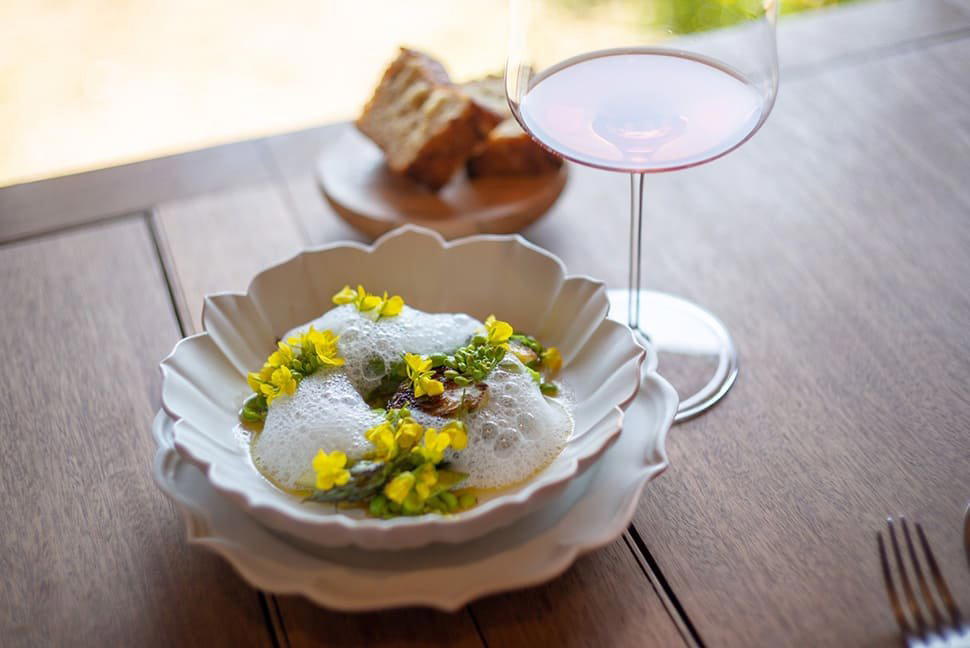
Most restaurant kitchens keep their sourcing at arm's length from the dining room. Ingredients arrive at a loading dock, move through prep, and reach the table with no visible connection to where they came from. KAM, located in Kawaguchi in Saitama Prefecture, operates on a fundamentally different premise: the vegetables, herbs, and flowers growing within the space are the point. Diners sit close enough to the plants that the boundary between the room and the kitchen garden is effectively removed.
The Case for Vegetable-Forward Dining in Japan
Japan has a long tradition of treating vegetables with precision, from shojin ryori's temple-kitchen discipline to the seasonal vegetable courses that anchor a kaiseki progression. What has shifted in recent years is the emergence of restaurants where vegetables are not a supporting category but the entire architecture of the meal. This is a narrower niche than it might appear. Even at highly decorated Japanese tables, like Harutaka in Tokyo or Gion Sasaki in Kyoto, vegetables function in counterpoint to fish, meat, or dashi-driven broths. A restaurant that builds every course around produce, with no protein as a structural crutch, commits to a discipline that very few kitchens sustain convincingly.
KAM sits squarely in that committed minority. The We're Smart World recognition it has received, four radishes on a scale that the Belgium-based organization uses to assess vegetable-focused restaurants globally, places it in documented company with similarly awarded venues across Europe and Asia. Four radishes reflects a serious level of plant-centric execution, not a nod toward tokenism. It signals that the kitchen is treating the vegetable not as a garnish or a moral statement but as the primary medium of flavor, texture, and composition.
Where the Ingredients Come From, and Why That Matters Here
The editorial logic of We're Smart recognition is that sourcing is inseparable from cooking. A vegetable-focused restaurant that relies on standard wholesale distribution can produce competent food, but the full range of what a plant can do, picked at the right moment, at the right size, from the right soil, is not available through that channel. KAM's described setup, with herbs, flowers, and vegetables present in the dining space itself, suggests a sourcing chain of exceptional shortness. When the growing medium is adjacent to the table, the time between harvest and service is as compressed as it can be. Chlorophyll does not degrade. Texture holds. Flavors that are volatile at room temperature over the course of hours remain present.
Saitama Prefecture has agricultural depth that its proximity to Tokyo can obscure. The prefecture produces significant volumes of spinach, komatsuna, and broccoli for the Greater Tokyo supply chain, and its farming culture is not a recent urban agriculture experiment but a long-standing regional identity. A restaurant operating in Kawaguchi, the southernmost part of Saitama, sits at the edge of that agricultural geography while remaining within the metropolitan orbit. That positioning matters: proximity to Tokyo-level ingredient networks without the overhead of Tokyo real estate is part of what allows a young restaurant in this tier to operate with serious ambition.
For context on what plant-forward ambition looks like at the highest level of Japanese fine dining, HAJIME in Osaka has long made vegetables central to its French-influenced kaiseki progressions, earning three Michelin stars in the process. akordu in Nara draws on local agriculture for a European-inflected menu with similar sourcing conviction. KAM operates in a different register, younger and more compact, but the underlying logic is shared: provenance is not decoration.
The Format and What It Tells You About Intentions
The We're Smart award citation describes the restaurant as small, founded by young chef-entrepreneurs, and explicitly frames it as an example for other restaurant start-ups. This context matters for setting expectations. KAM is not pitching itself against kaiseki institutions or the ultra-premium prix-fixe counters that define Japan's leading dining tier, places like Installation Table ENSO L'asymetrie du calme in Ishikawa or Bleston Court Yukawatan in Nagano. It occupies a different bracket: a format-driven, ingredient-led restaurant where the ambition is expressed through the quality and integrity of produce rather than through technical complexity for its own sake.
That positioning also means the experience is likely more accessible in register than the dining culture at, say, Goh in Fukuoka or hiro in Gifu. The dining room itself, with plants growing around the table, reads as a deliberate choice to make sourcing visible rather than to create formality. It is a choice that aligns KAM with a global movement toward transparency in fine dining, where showing the origin is as important as demonstrating technique.
Internationally, the comparison set for this model of sourcing-first, vegetable-centric restaurants extends well beyond Japan. Restaurants like Le Bernardin in New York City or Emeril's in New Orleans have built reputations on rigorous ingredient discipline within their respective categories. KAM applies equivalent sourcing logic to vegetables in a much smaller frame, which is both the constraint and the defining strength.
Planning a Visit
KAM is located at 3 Chome-1-13 Tozuka, Kawaguchi, Saitama 333-0811. Kawaguchi is accessible from central Tokyo, with rail connections making it a viable destination for a meal without an overnight stay. Given the small scale of the restaurant and its documented recognition from We're Smart World, booking ahead is advisable.
Visitors planning a broader trip through the region can find additional context in our full Saitama Prefecture restaurants guide, as well as our Saitama Prefecture hotels guide, our Saitama Prefecture bars guide, our Saitama Prefecture wineries guide, and our Saitama Prefecture experiences guide. For other plant-conscious menus in the Japanese regional dining scene, giueme in Akita, KAI in Kagoshima, and Kitagawa in Matsusaka each approach regional ingredients with comparable seriousness in different formats.
Frequently asked questions
Does KAM work for a family meal?
KAM is described as a small restaurant built around sequential vegetable courses, which suits diners who want an intentional, produce-driven experience rather than a flexible à la carte spread. Families with younger children or anyone expecting a conventional multi-option menu may find the format restrictive. It works well for food-curious adults and older children comfortable with a set progression of dishes.
Is KAM formal or casual?
The We're Smart award citation frames KAM as an intimate space where guests sit close to the growing herbs and vegetables, suggesting an environment that is relaxed in atmosphere but serious about its cooking. The young chef-entrepreneur team positions it closer to a focused neighbourhood counter than a white-tablecloth dining room. Think engaged and unhurried rather than ceremonial.
Has KAM won any awards?
KAM has received recognition including: Small but nice! Restaurant Kam is a real vegetable restaurant. Sitting with your feet almost between the vegetables, herbs, and flowers, you can enjoy one vegetable dish after the other. These young entrepreneurs-chefs are totally on board ….
What do people recommend at KAM?
KAM's entire format is built around vegetables, herbs, and flowers sourced directly from the kitchen garden, so the menu itself is the draw rather than any single dish. We're Smart awarded the restaurant 4 radishes, its recognition tier for restaurants with a genuine and consistent commitment to vegetable-led cooking. Guests come specifically for that produce-first progression of courses, not for a signature standalone plate.
Where is KAM in Saitama Prefecture?
KAM is located at 3 Chome-1-13 Tozuka, Kawaguchi, Saitama 333-0811, Japan, Saitama Prefecture.
Comparable Spots, Quickly
Comparable venues nearby, for context on price, style, and recognition.
| Venue | Cuisine | Price | Awards | Notes |
|---|---|---|---|---|
| KAMThis venue (the venue you are viewing) | Garden-to-Table French | $150–200 | Tabelog 100 #96 · We're Smart World 4 Radishes | Not listed |
| Yakiniku Kushin | Japanese Yakiniku BBQ | $50–100 | Tabelog 100 #10 | Omiya |
| Wataya | Traditional Izakaya & Sake Bar | $50–100 | Tabelog 100 #84 | Urawa |
| Tan Shari Yakiniku Tantatan Musashiurawa | Beef tongue-focused Japanese yakiniku | $30–50 | Tabelog 100 #93 | Musashi-Urawa |
| Inakaya Irori | Traditional Japanese Izakaya with Irori Hearth | Not listed | Tabelog 100 #69 | Urawa-ku |
| Aki Foods | Sri Lankan | Not listed | Tabelog 100 #75 | Omiya-ku |
Recognition history
Dated appearances from independent guides and award organizations, with the underlying list record or original source where available.
Tabelog 100 #96 · No. 96
Tabelog · Tabelog 100 - French - EAST - 2025
The Japan Times Destination Restaurants Destination Restaurants Selection #4
The Japan Times Destination Restaurants
We're Smart World 4 Radishes
We're Smart World
Continue exploring
More in Saitama
Restaurants in Saitama
All restaurants in Saitama →
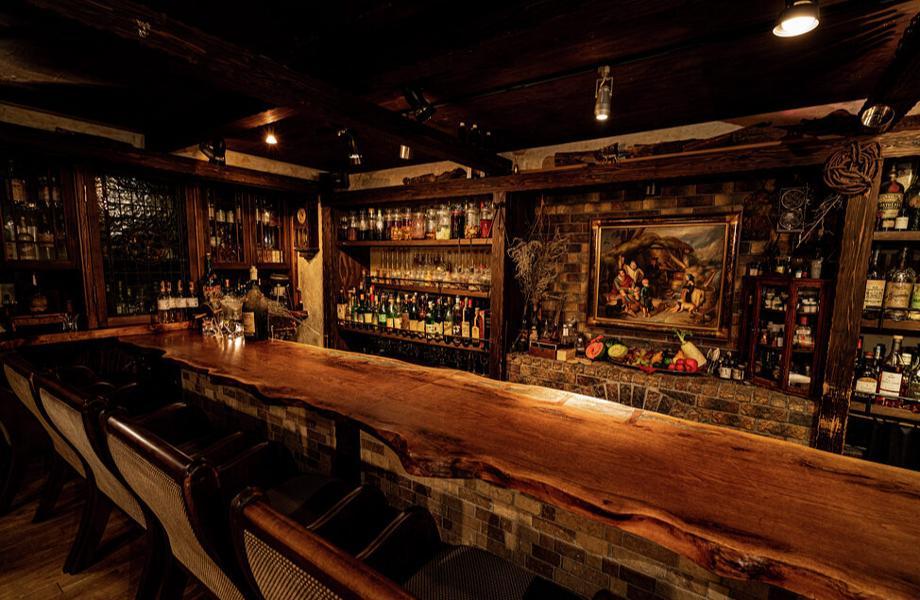
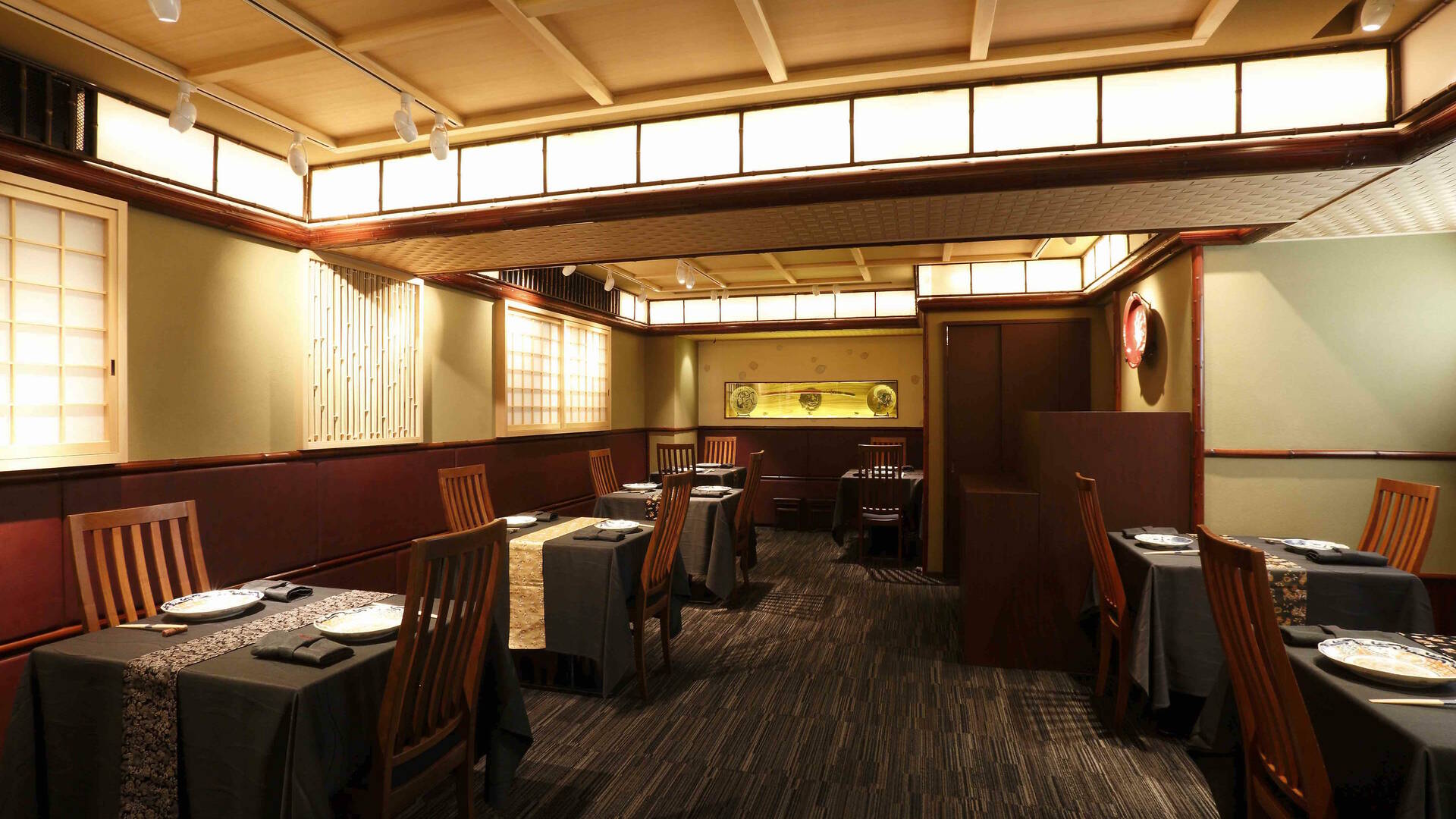
Bars in Saitama
Browse all →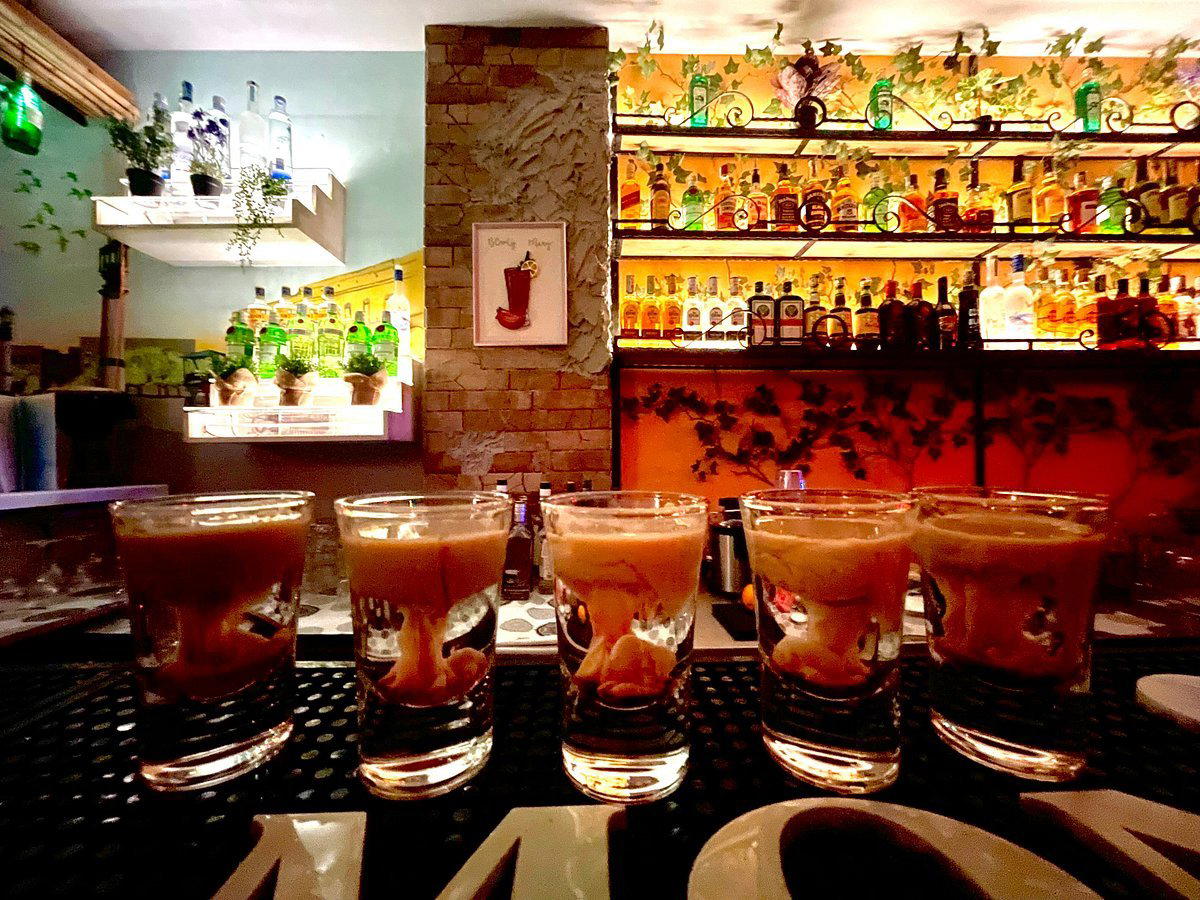


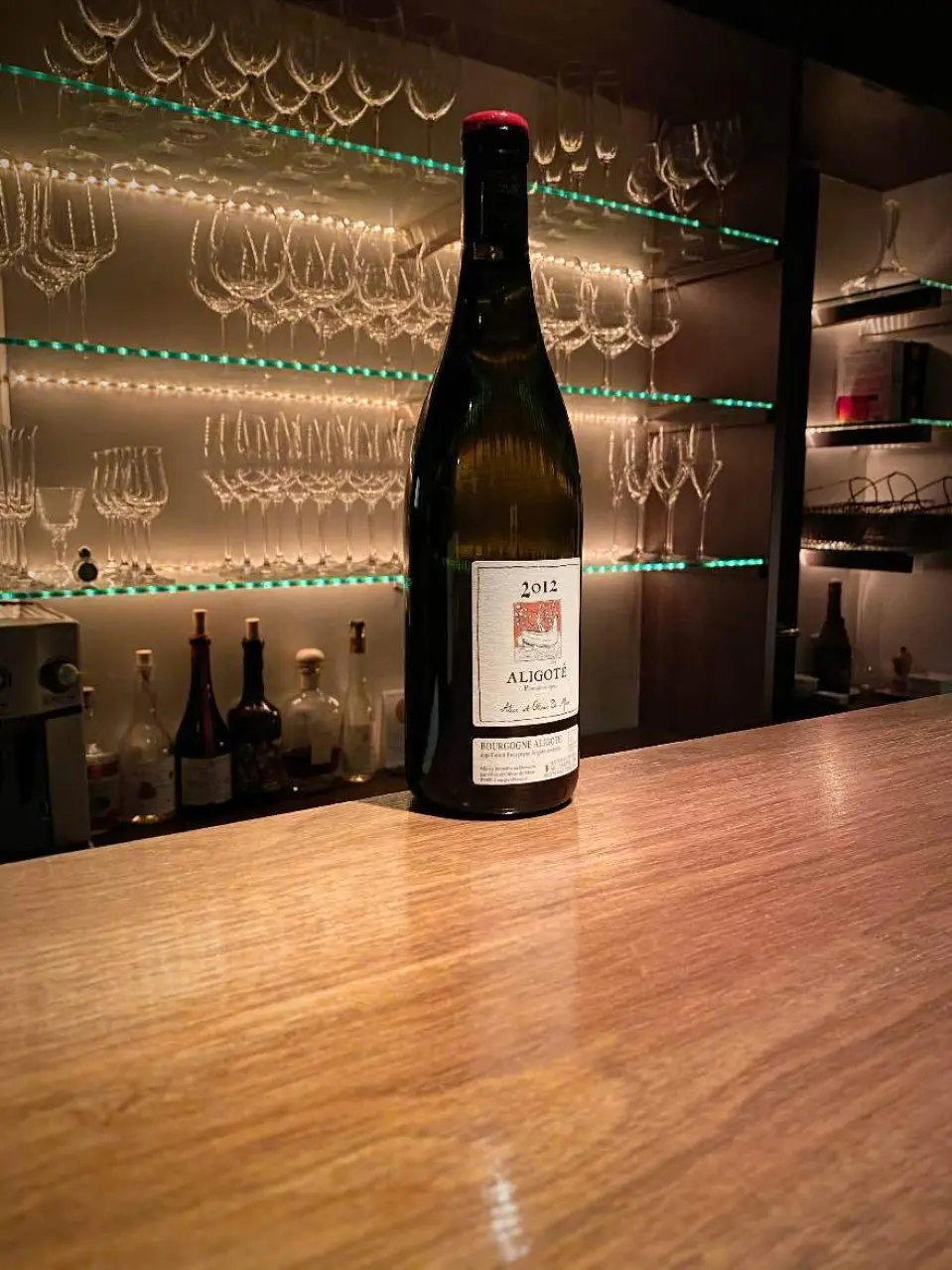

Details
- Cozy
- Elegant
- Rustic
- Intimate
- Special Occasion
- Garden
- Local Sourcing
- Garden
- Tasting Menu
Current opening hours
- Monday
- Closed
- Tuesday
- Closed
- Wednesday
- 12–3 PM, 6–10 PM
- Thursday
- 12–3 PM, 6–10 PM
- Friday
- 12–3 PM, 6–10 PM
- Saturday
- 12–3 PM, 6–10 PM
- Sunday
- 12–3 PM, 6–10 PM
Hours can change for holidays and private events. Hours as of .
Warm and inviting atmosphere in a historic traditional house with carved fittings and ranma panels, highlighting Japanese craftsmanship amid garden greenery.