スガラボ occupies a ground-floor address in Azabudai, Minato City, one of Tokyo's more considered dining neighbourhoods. The venue sits within the premium tier of Tokyo's contemporary dining scene, where spatial design and culinary precision reinforce each other. Visitors planning ahead should expect the booking discipline typical of serious Tokyo counters at this level.
Pearl is the En Primeur Club membership app — saves, bookings, and concierge access live there. Same editors, same standards.
- Address
- Japan, 〒106-0041 Tokyo, Minato City, Azabudai, 1 Chome−11−10 日総第22ビル 1F
- Phone
- +818046656432
- Website
- sugalabo.com
 Saves & bookings on Pearl
Azabudai and the Architecture of Serious Dining
スガラボ is a Modern French-Japanese Fusion restaurant in Tokyo's Minato City, priced at about $350 per person. The neighbourhood a restaurant chooses, the floor it occupies, the size of its room, these decisions accumulate into a statement about what kind of experience the kitchen intends to deliver. Azabudai, in Minato City, has become one of the more deliberate choices available to chefs and operators working at a serious level, sitting close to Roppongi's concentration of recognised counters and French-influenced rooms while maintaining a quieter residential register than the main entertainment corridors nearby. スガラボ, on the ground floor of the Nissou No. 22 Building at 1 Chome-11-10 Azabudai, occupies exactly that kind of considered position.
Minato Ward carries a specific culinary reputation in Tokyo. It is the district that houses, among others, RyuGin, the kaiseki counter that has defined one approach to Japanese seasonal cuisine at the highest tier for two decades, and L'Effervescence, which has brought a distinctly Tokyo inflection to French technique. It is not a neighbourhood that rewards half-measures.
The Physical Container as Editorial Statement
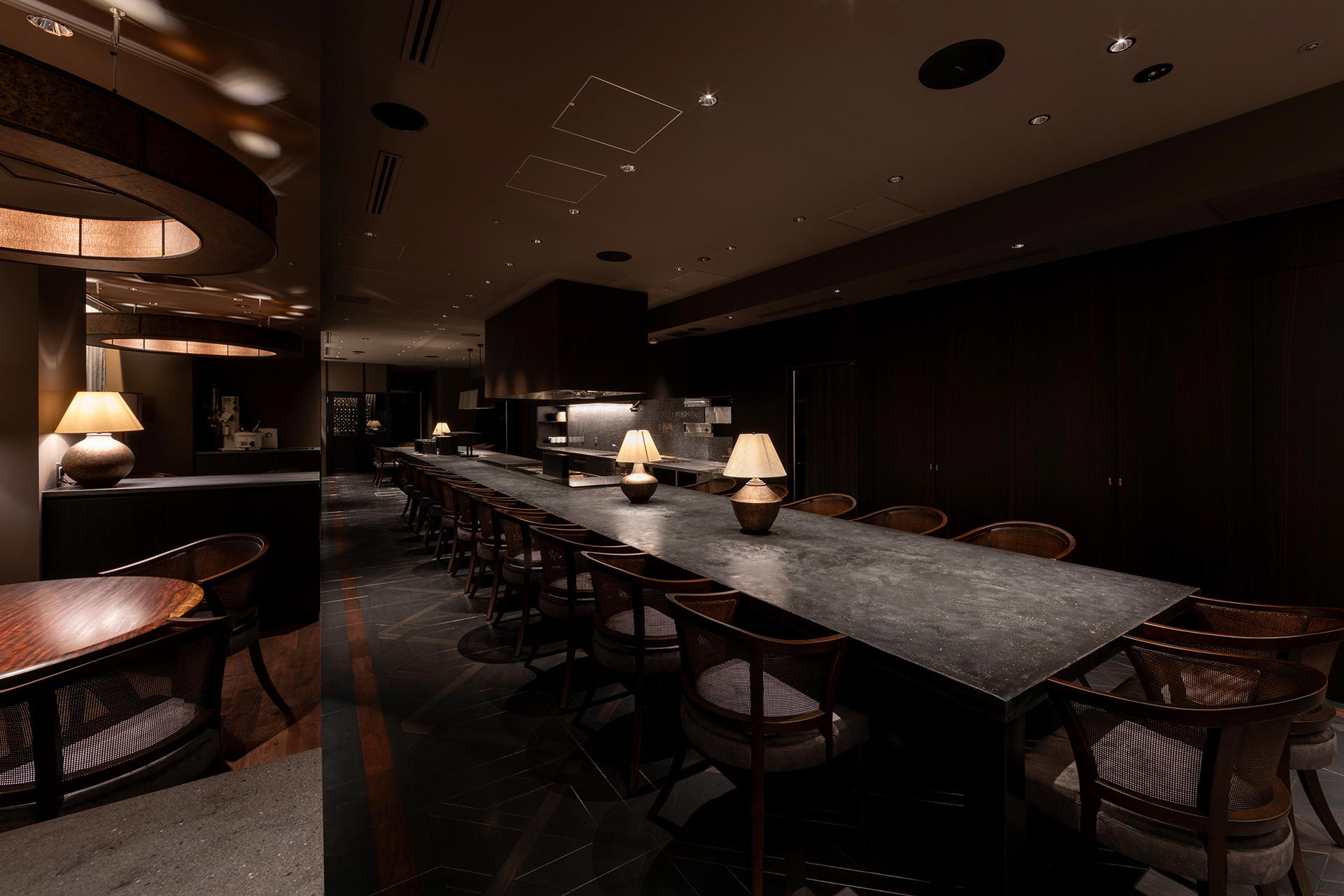
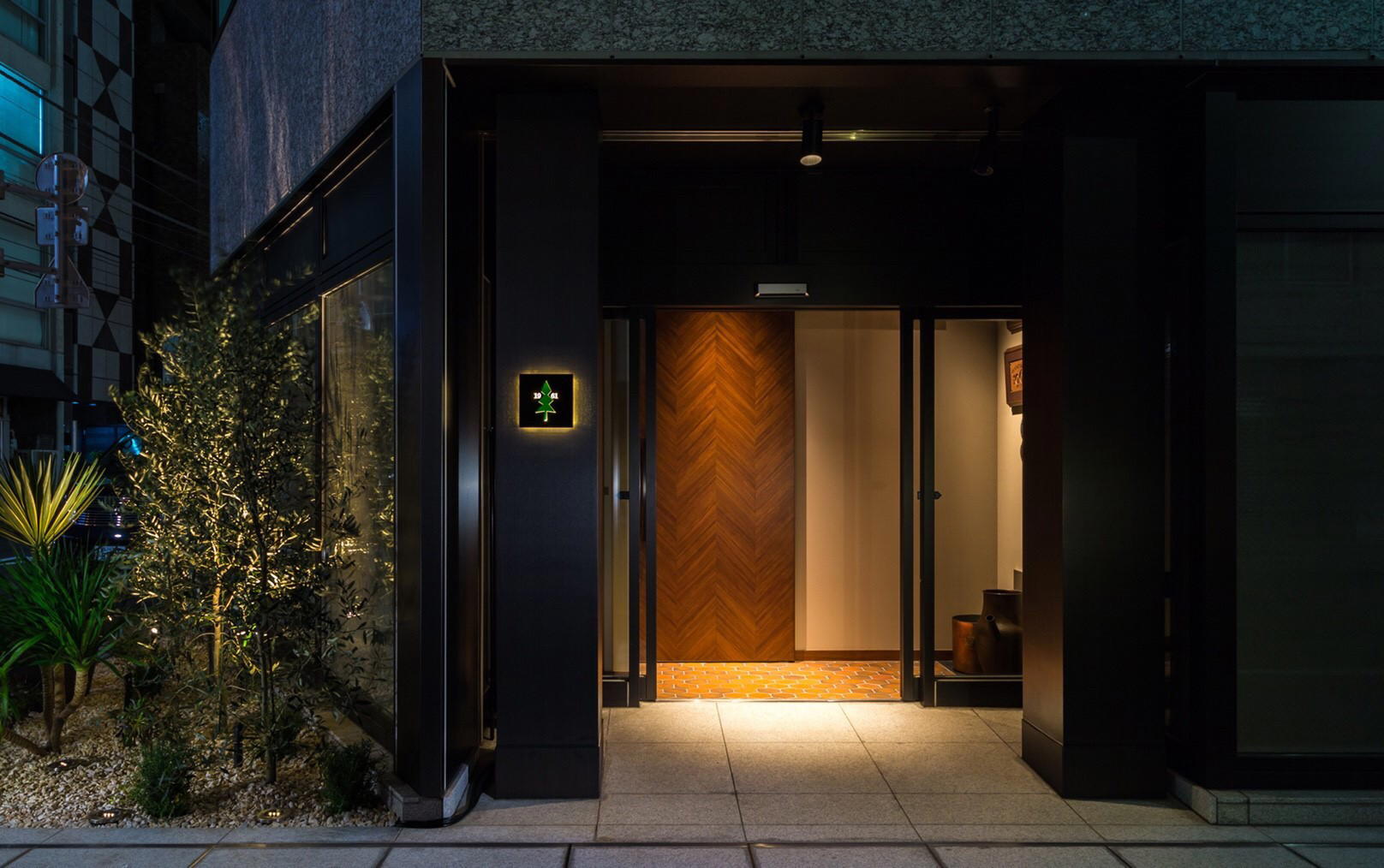
In Tokyo's counter-dining culture, the architecture of a room is not decoration, it is argument. The question of how many seats, how much light, what materials separate guest from kitchen: these choices communicate the kitchen's position on intimacy, theatricality, and pace. Ground-floor rooms in Tokyo buildings of the Azabudai type tend toward compact footprints with direct street access, which shapes how a space handles the rhythm of service from arrival to close. The absence of a lobby buffer, an elevator, a waiting room, all of this compresses the relationship between street and table, and that compression demands that the room itself do the contextual work that grander settings offload to architecture.
This is a dynamic that distinguishes Tokyo's embedded neighbourhood restaurants from the atrium-style venues that have emerged from large urban development projects. Where the latter rely on engineered grandeur, the former succeed through spatial economy: the right number of seats, the right sightlines, the right acoustic register. It is in precisely this kind of room that Tokyo has produced some of its most concentrated dining experiences, including the format favoured by counters like Harutaka, where the physical closeness of chef and guest is the point, not a side effect.
Tokyo's Contemporary Counter Culture
The tier of dining that スガラボ's address implies has, over the past decade, bifurcated sharply in Tokyo. On one side sit the internationally certified rooms, multi-Michelin counters with three-month booking windows, allocation-based omakase, and a guest list that skews heavily toward overseas visitors and domestic corporate entertainment.
Venues like Crony and Sézanne represent different answers to the same question about what Tokyo fine dining can mean when it operates outside the most-publicised tier. That question, how much institutional recognition a restaurant needs to justify its position in a serious guest's rotation, is one that Tokyo's dining culture has been working through actively, and the answer increasingly favours rooms that demonstrate their conviction through the food and the space rather than through the badge count.
Japan's Broader Fine Dining Geography
Understanding スガラボ's place in Tokyo also means placing Tokyo within Japan's wider dining conversation. The country's serious restaurant culture does not concentrate exclusively in the capital. HAJIME in Osaka pursues a rigorous ecological philosophy through its tasting format. Gion Sasaki in Kyoto operates within kaiseki's strictest seasonal logic. Goh in Fukuoka has made a case for the southern island's ingredient culture as a foundation for serious contemporary cooking. More regionally specific still are venues like akordu in Nara, 一本杉川島 in Nanao, and 湖畔荘 in Takashima, each of which draws its authority from a specific geography of ingredients and tradition rather than from metropolitan positioning.
Tokyo remains the most internationally visible node of this network, but the city's restaurants increasingly define themselves in relation to the national conversation rather than simply dominating it. A Tokyo address at the Azabudai level places a restaurant in that network's metropolitan tier while the actual cooking locates it more precisely within it. This is the reading that serious visitors bring to a reservation, and it is the reading that shapes how rooms at this level are built and maintained. The contrast with internationally operating rooms like Le Bernardin in New York City or Atomix is instructive: where those venues operate within a logic of cross-border recognition and press consensus, Tokyo's neighbourhood counters build authority through local repeat traffic and word-of-mouth discipline.
Regional Japanese venues further from the capital, including 古代山乃 in Sapporo, 奥羽山荘 in Nishikawa Machi, Birdland in Sakai, and Bistro Ange in Toyohashi, illustrate how Japan's serious dining culture distributes itself across geography and format in ways that make the capital's density only one part of the picture.
Know Before You Go
| Address | 1 Chome-11-10 Azabudai, Minato City, Tokyo 〒106-0041 (Nissou No. 22 Building, 1F) |
|---|---|
| Neighbourhood | Azabudai, Minato Ward |
| Nearest Transit | Roppongi-Itchome Station (Namboku Line) or Kamiyacho Station (Hibiya Line) |
| Price Range | About $350 per person |
| Booking | Appointment only |
| Hours | Mon to Sat, 6 to 9 PM; Sunday closed |
| Dress Code | Smart casual |
Booking and Cost Snapshot
Comparable venues nearby, for context on price, style, and recognition.
| Venue | Cuisine | Price | Awards | Notes |
|---|---|---|---|---|
| スガラボThis venue — the venue you are viewing | Minato, Modern French-Japanese Fusion | $$$$ | , | |
| Equateur | $$$$ | , | Minato, French-Chinese Fusion Tasting Menu | |
| The Peninsula Tokyo The Lobby | $$$$ | , | Chiyoda, International & Japanese-inspired hotel lobby dining with signature Afternoon Tea | |
| DENKUSHIFLORI デンクシフロリ | $$$$ | , | Shibuya, Modern French-Japanese Skewer Fusion | |
| THE LOBBY LOUNGE | $$$$ | , | Chiyoda, International lounge with Malaysian specialties & afternoon tea | |
| LOOP TOKYO | $$$ | , | Taitō, Innovative Creative Tasting Menu in Asakusa |








At a Glance
- Sophisticated
- Elegant
- Intimate
- Modern
- Special Occasion
- Date Night
- Chefs Counter
- Sake Program
- Local Sourcing
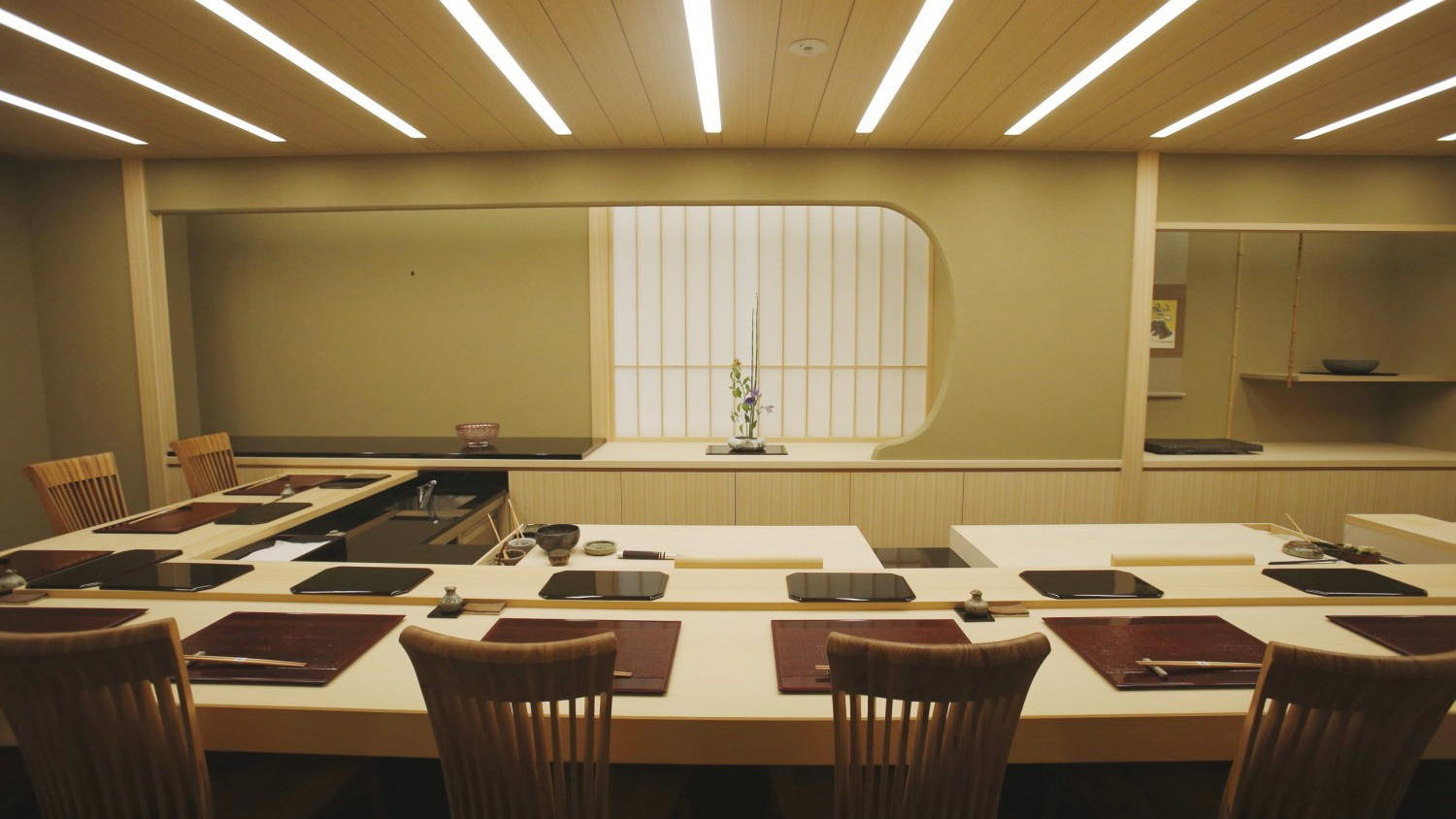
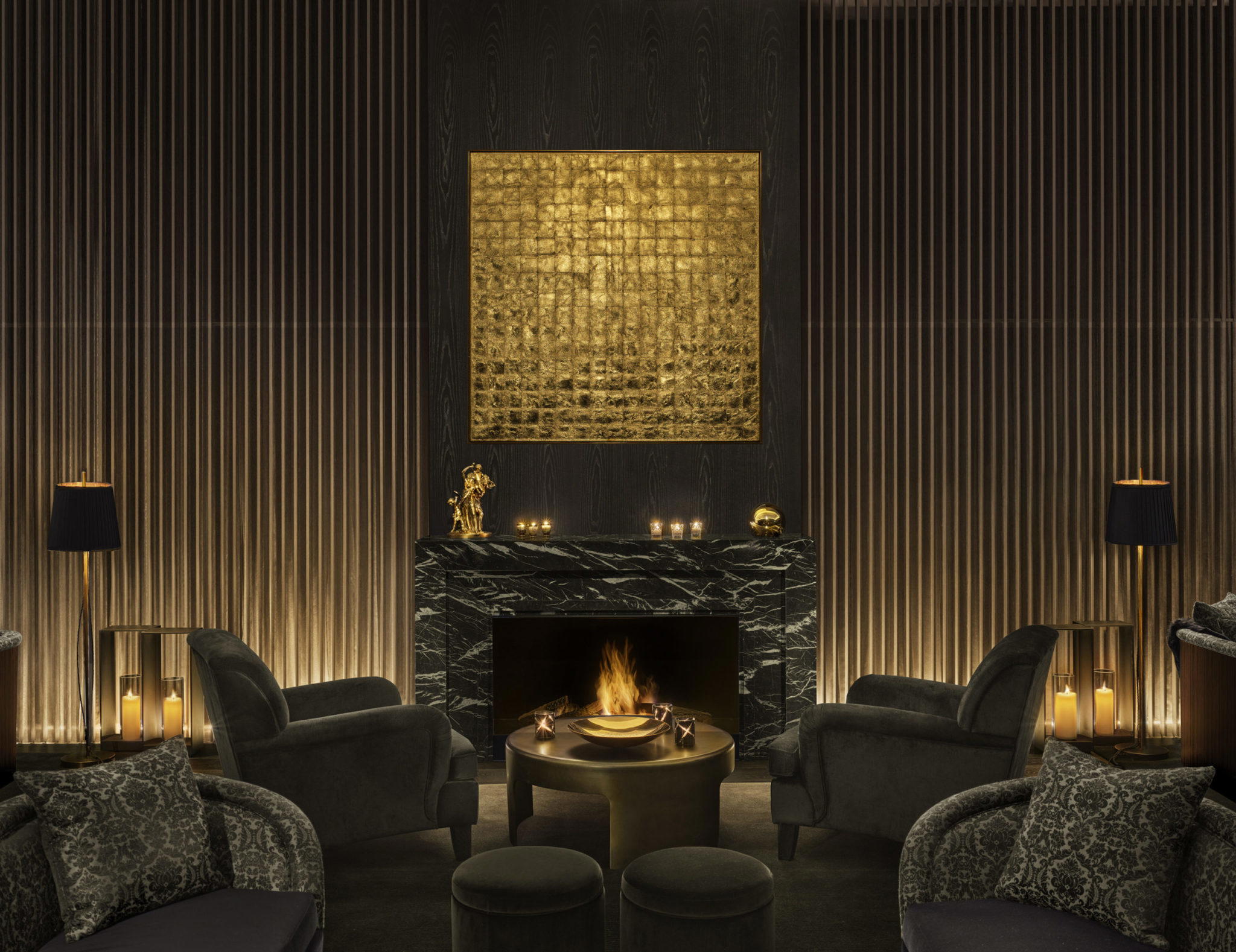
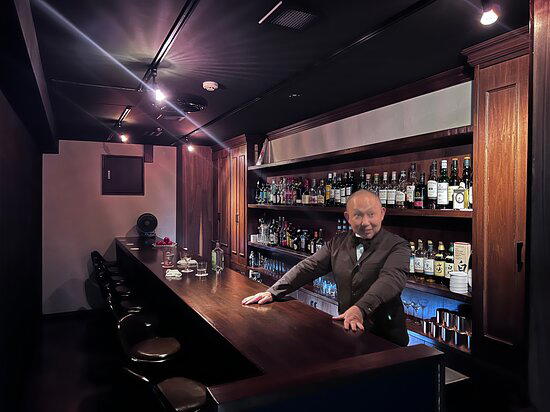
Sophisticated and private atmosphere with elegant interior design, creating an extraordinary and intimate dining experience.